Charcoal Packaging for Export: Bags and Boxes
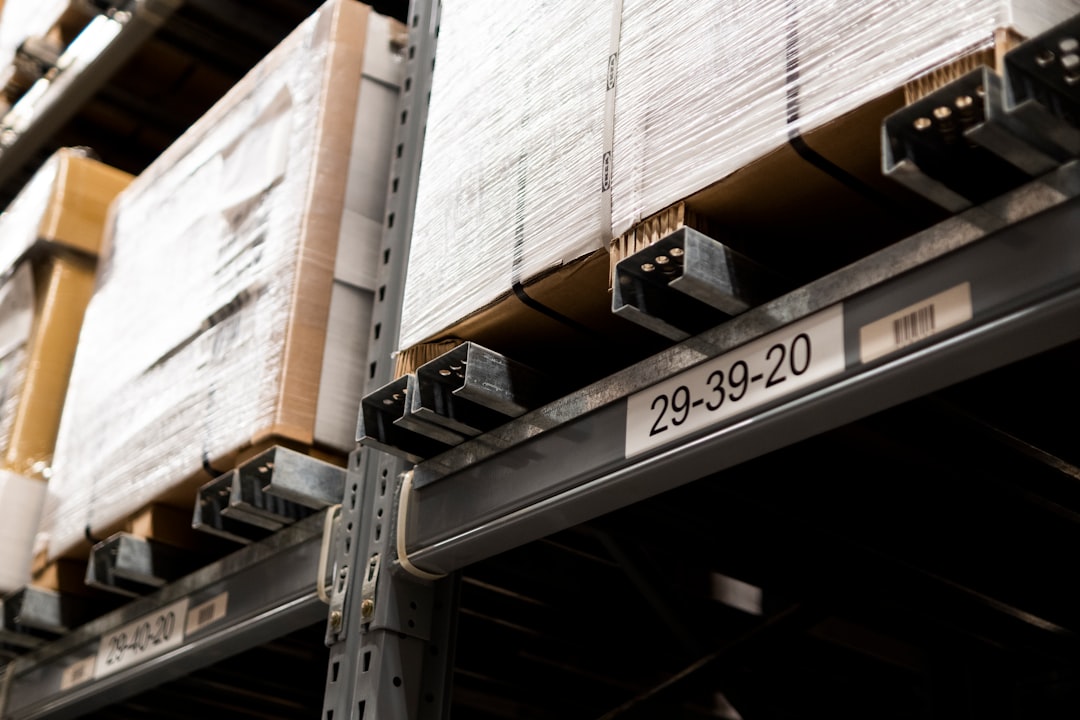
Packaging is the last thing we do to charcoal before it leaves the kiln yard, and it decides how much of it survives the trip. A container of binchotan can travel six weeks across three climates, get stacked eight pallets high, and land in a warehouse that swings from cold nights to hot afternoons. Good charcoal packaging holds the product steady through all of that. Bad packaging turns a clean grade into a bag of dust and fines that your customer refuses to pay for. We fire the kilns, we grade the charcoal, and we also pack it, so this is a subject we deal with every week, not a line in a brochure.
This article walks through how we bag and box charcoal for export buyers: the materials, the weights, the moisture problem, the labelling, and the way it all gets loaded. It is written for importers, distributors, restaurant buyers, and private-label brands who need to know what shows up when the container doors open.
Why Packaging Decides Whether Charcoal Arrives Whole
Charcoal is brittle. A lump that looks solid will still fracture if you drop the bag, and every fracture makes fines. Fines are the small broken pieces and dust at the bottom of a bag. No buyer wants a sack that is a third dust, because dust does not light the way a lump does and it does not sell at retail. The whole point of packing well is to keep the ratio of whole pieces high from our yard to your shelf.
Three things break charcoal in transit: shock, compression, and moisture. Shock is the drop and the forklift bump. Compression is the weight of the pallets stacked above. Moisture is the slow one, and it is the one most people underestimate. Charcoal is dry when it leaves a good kiln, usually under eight percent moisture. Put it in a sealed steel box that sweats every night at sea and it will pull water back in unless the packaging fights that. Wet charcoal weighs more, which sounds fine until you realise your customer is paying for water and getting a product that spits and smokes when lit.
So packaging is not decoration. It is shock protection, load bearing, and a moisture barrier at the same time. The rest of this comes down to picking materials that do those three jobs for the specific grade you are shipping.
What Charcoal Packaging Means For Your Order
When you place an order, the charcoal packaging is not one decision, it is a stack of them, and each one changes your cost and your landed quality. Here is what actually gets specified on a real order.

The inner bag. This is what touches the charcoal. For most hardwood and lump grades we use a poly liner inside the outer sack, because the liner is the moisture barrier. For binchotan we are stricter, because binchotan is a premium grade and buyers pay for clean, rattling pieces with no dust film.
The outer bag or box. This carries the weight and takes the handling. It is the woven polypropylene sack, the kraft paper bag, or the printed carton, depending on whether the charcoal goes to a wholesaler, a restaurant, or a retail shelf.
The unit weight. Ten kilograms, fifteen, twenty. This is not a small detail. It sets how many bags fit a pallet, how a warehouse worker lifts them, and how the retail price reads.
The pallet and the load plan. How the bags or boxes stack, whether they are shrink-wrapped, and how many go in a twenty-foot or forty-foot container.
The print and the labels. Your brand, the grade, the weight, the country of origin, and the compliance marks the destination country asks for.
Get these right together and the charcoal lands the way it left. Get one wrong, say a good bag with no moisture liner, and the rest of the work is wasted. If you are still deciding how to structure a full order, our export page lays out how we quote, sample, and ship, and this packaging detail sits inside that process.
Bags: The Workhorse of Charcoal Packaging
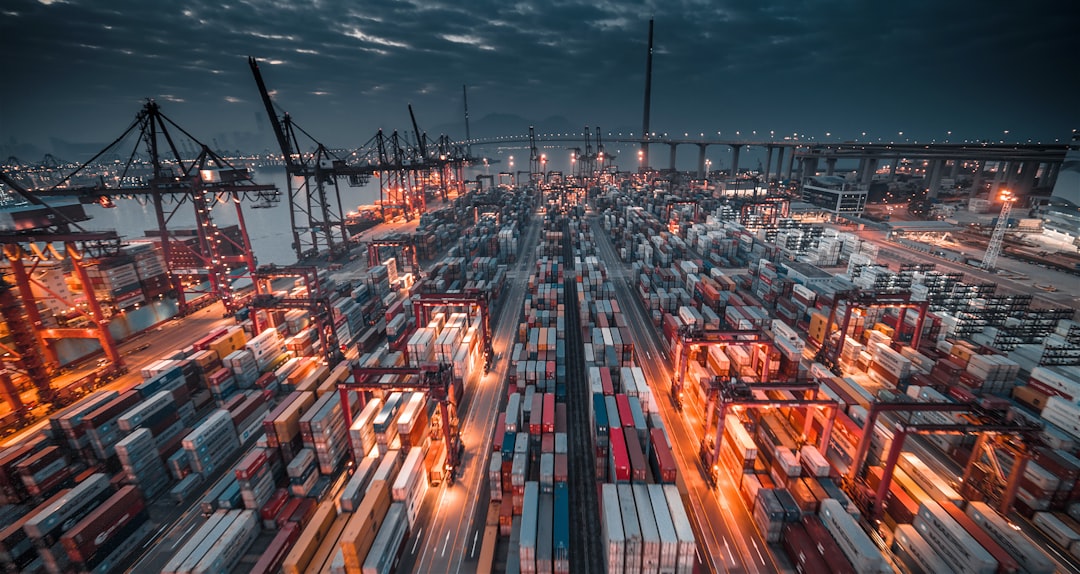
Most charcoal that crosses a border does so in a bag. Bags are cheaper than boxes, they weigh less themselves so you pay less freight on packaging, and they stack tight. The trade is that a bag protects less than a box, so the bag material has to do more work.
Woven Polypropylene Sacks
The woven poly sack is the standard outer bag for bulk hardwood charcoal and lump charcoal going to wholesalers. It is the same kind of woven plastic sack you see rice and grain shipped in. It is strong in tension, it resists tearing on a rough pallet, and it is cheap. We line it with a poly inner bag for the moisture barrier, because woven poly on its own breathes a little at the weave.
Typical weights are fifteen and twenty-five kilograms. These sacks are made to be lifted by hand and stacked by forklift. They are not pretty, and they are not meant to be. This is packaging for a buyer who breaks the bulk down and repacks it, or who sells to trade customers who do not care about the print.
Kraft Paper Bags
Kraft paper bags are the multi-wall paper sacks used a lot for retail barbecue charcoal and for briquettes. They print well, they look clean on a shelf, and they hold a defined weight, usually three to ten kilograms for the consumer market. The weakness of paper is water. A kraft bag with no inner liner will soften if it gets damp, so for export we specify a poly or PE liner inside the paper. That keeps the retail look on the outside and the moisture barrier on the inside.
Paper bags suit the buyer who wants a finished retail unit landing ready to sell. They cost more than a plain woven sack, and they need more care in the container, but they save the buyer the work of repacking.
Inner Liners and Sealing
Whatever the outer bag, the inner liner is where the moisture fight is won or lost. A sealed polyethylene liner keeps the charcoal at the moisture level it left the yard. For binchotan and white charcoal we heat-seal or tie the liner tight, because those grades are premium and a damp arrival is a rejected shipment. For lower grades a folded and taped liner is enough. This is one of those small choices that costs almost nothing and prevents the single most common quality complaint we see, which is charcoal arriving heavier and damper than it shipped.
Boxes: When the Product Earns the Extra Cost
Boxes cost more than bags, both to buy and to ship, because a carton weighs more and takes more space than a folded sack. You use a box when the charcoal is worth protecting that well or when the box is part of how the product sells.

Cartons for Binchotan and White Charcoal
Binchotan is our most fragile and most valuable grade. The long, dense rods snap if they are thrown around loose in a sack, and a snapped binchotan rod is worth less. For binchotan and other white charcoal we pack into corrugated cartons, often with the rods laid in rows so they do not knock against each other. The carton takes the compression from the pallets above and keeps the rods straight. Ten kilogram cartons are common for the restaurant trade, because that is a weight a kitchen can store and handle without breaking bulk.
Restaurants that run yakitori and robata grills are the buyers here, and they are particular. They want long, whole binchotan that lights predictably and burns clean. The carton is what delivers that. If your customers are grill restaurants, the box is not an upsell, it is the reason the product is usable when it arrives.
Retail and Private-Label Boxes
The other reason to use a box is the shelf. A printed carton is a billboard. For private-label and OEM programmes the box carries the brand, the grade story, and the compliance marks, and it has to look right next to competitors in a shop or online listing. We print to the buyer's artwork and we build the box to survive the supply chain behind that shelf. If you are building a brand rather than moving bulk, the box is part of the product, and our private-label charcoal programme covers the artwork and unit spec alongside the charcoal itself.
The Moisture Problem, and How Packaging Solves It
I said moisture is the one people underestimate, so it gets its own section. Here is the mechanism. A steel shipping container heats up during the day and cools at night. The air inside holds moisture, and when the steel cools, that moisture condenses on the ceiling and walls. This is called container rain. It drips onto whatever is inside. Charcoal is porous, so it drinks that water.
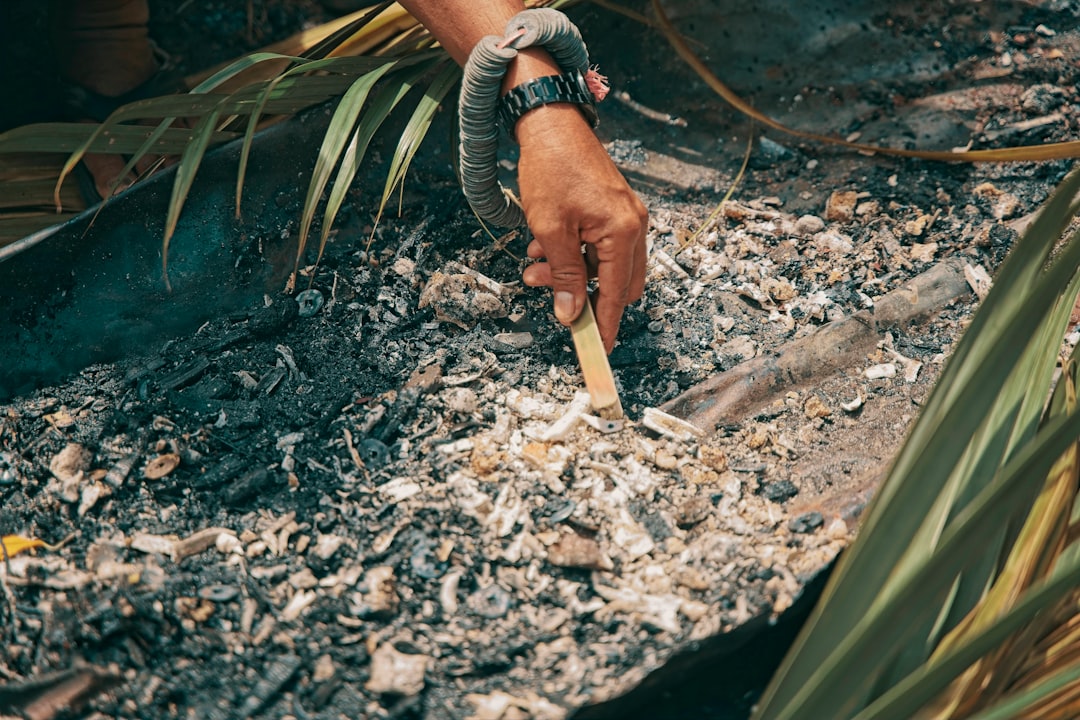
Packaging fights this on two fronts. The sealed inner liner stops the charcoal from taking on moisture from the container air. On top of that, for the premium grades, we use desiccant bags inside the cartons and container desiccant hung inside the box to pull moisture out of the trapped air. We also make sure the charcoal is properly dry before it is packed, because sealing damp charcoal in a bag just traps the problem. This starts at the kiln and the grading floor, not at the packing bench, which is why our quality control checks moisture before anything gets bagged.
The result you should expect as a buyer is charcoal that weighs on arrival what it weighed on shipment, within a small margin, and lights the way the sample did. If a supplier cannot tell you how they handle container moisture, that is a supplier who has not been burned by it yet, and you do not want to be the shipment that teaches them.
Weights, Pallets, and Loading
The unit weight you choose ripples through the whole load. A twenty kilogram sack and a ten kilogram carton fill a container differently, and the difference is money.
We palletise for export. Bags or boxes go onto a wooden pallet, stacked in a pattern that locks them together, then shrink-wrapped so the whole pallet moves as one block. A wrapped pallet resists the shifting that happens when a ship rolls, and shifting is what turns a neat stack into a leaning mess that crushes the bottom layer. Palletising also means the whole load comes off with a forklift in minutes instead of being unloaded by hand bag by bag.
A standard twenty-foot container takes a set number of pallets, and a forty-foot takes roughly double. The exact bag count depends on your unit weight and how high we can safely stack without crushing the bottom bags. We plan this per order so you are not paying to ship air, and so the bottom layer is not carrying more than it can bear. Loose loading, throwing bags in without pallets, fits more product in but arrives worse, and we do not recommend it for anything above the cheapest grades.
Labelling and Compliance
The print on the outside is not just branding. Export charcoal needs certain marks, and the destination country decides which. Country of origin, net weight, grade, and the producer are common requirements. Some markets want the wood species or a sustainability declaration, since charcoal is a forest product and buyers increasingly ask where the wood came from. Our sustainability approach and the sourcing records behind it are part of what we can print and document, because more importers now need that paperwork to clear customs and to satisfy their own retail customers.
Barcodes and retail labelling matter for anything landing on a shelf. A private-label carton needs a scannable barcode, the correct language for the market, and any safety text that market requires for solid fuel. We build this into the artwork stage so it is not a last-minute scramble at the port. Getting the labelling wrong can hold a shipment at customs, and a held shipment costs more than any packaging upgrade.
Matching Packaging to the Charcoal Grade
Different charcoal wants different packaging, and here is the short version of how we match them. Bulk hardwood charcoal for wholesalers goes in lined woven poly sacks at fifteen to twenty-five kilograms, palletised and wrapped. Retail barbecue charcoal goes in printed kraft bags with a liner at three to ten kilograms. Lump charcoal for trade goes in woven sacks, and lump for retail goes in printed bags. Binchotan and white charcoal go in corrugated cartons, laid in rows, with desiccant, because they are fragile and premium.
The rule underneath all of it is simple. The more the charcoal is worth and the more fragile it is, the more the packaging has to protect it, and the closer to retail-ready it should land. A bulk buyer who repacks wants cheap and strong. A restaurant wants whole and dry. A brand wants finished and printed. We spec the packaging to which of those you are.
Recap
Charcoal packaging does three jobs at once: it absorbs shock, it carries the load, and it blocks moisture. Bags are the workhorse, lined woven poly for bulk and lined kraft paper for retail. Boxes cost more and are worth it for fragile premium grades like binchotan and for printed retail and private-label units. Moisture is the quiet killer, handled with sealed liners, desiccant, and charcoal that was properly dry before packing. Weight, pallets, and the load plan decide how much survives and how much you pay in freight, and labelling keeps the shipment moving through customs. Match all of it to the grade and the buyer, and the charcoal lands the way it left the kiln.
If you are ready to spec an order and want the packaging built around your grade, market, and brand, start on our export page and tell us what you are shipping and where.
Source it directly
Global Export, factory direct.
From our kilns to your port: we handle export end to end, factory direct, no trading company margins, no information lost between you and the people making your product.