White Charcoal
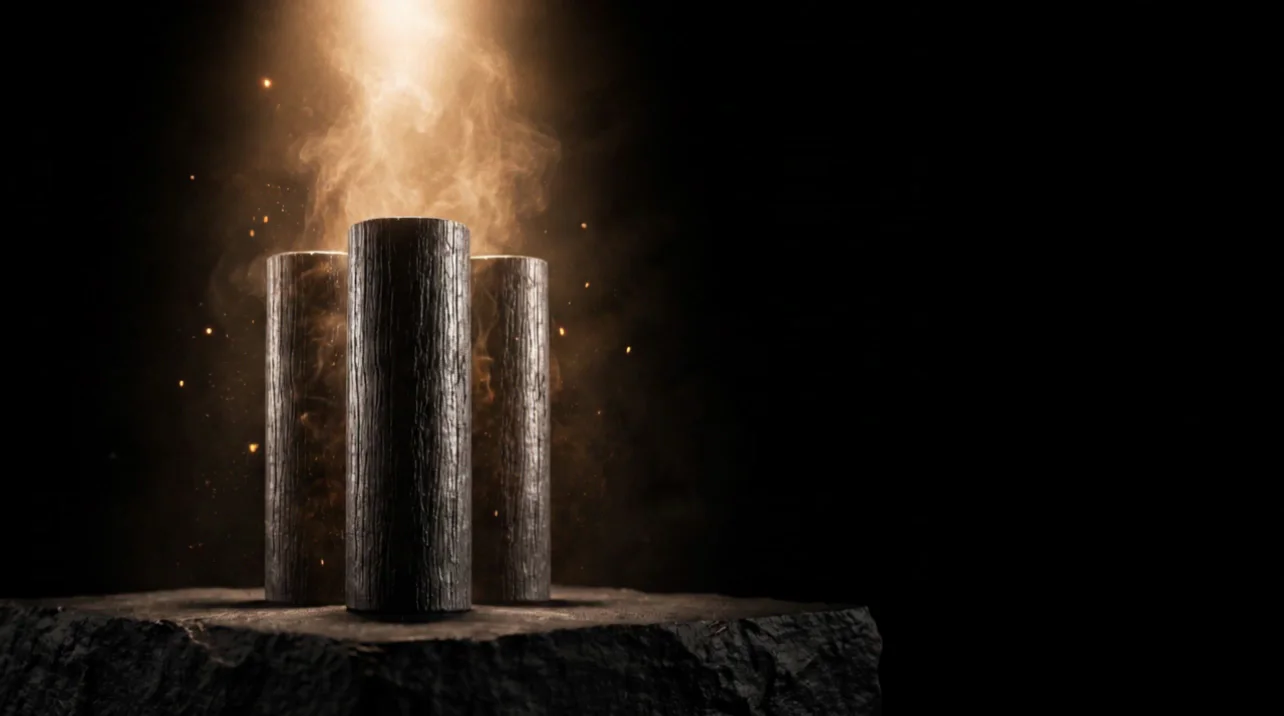
White charcoal takes its name from the pale ash dusting left by the quenching process, and its reputation from what's underneath: carbon so dense and pure it behaves more like a mineral than wood.
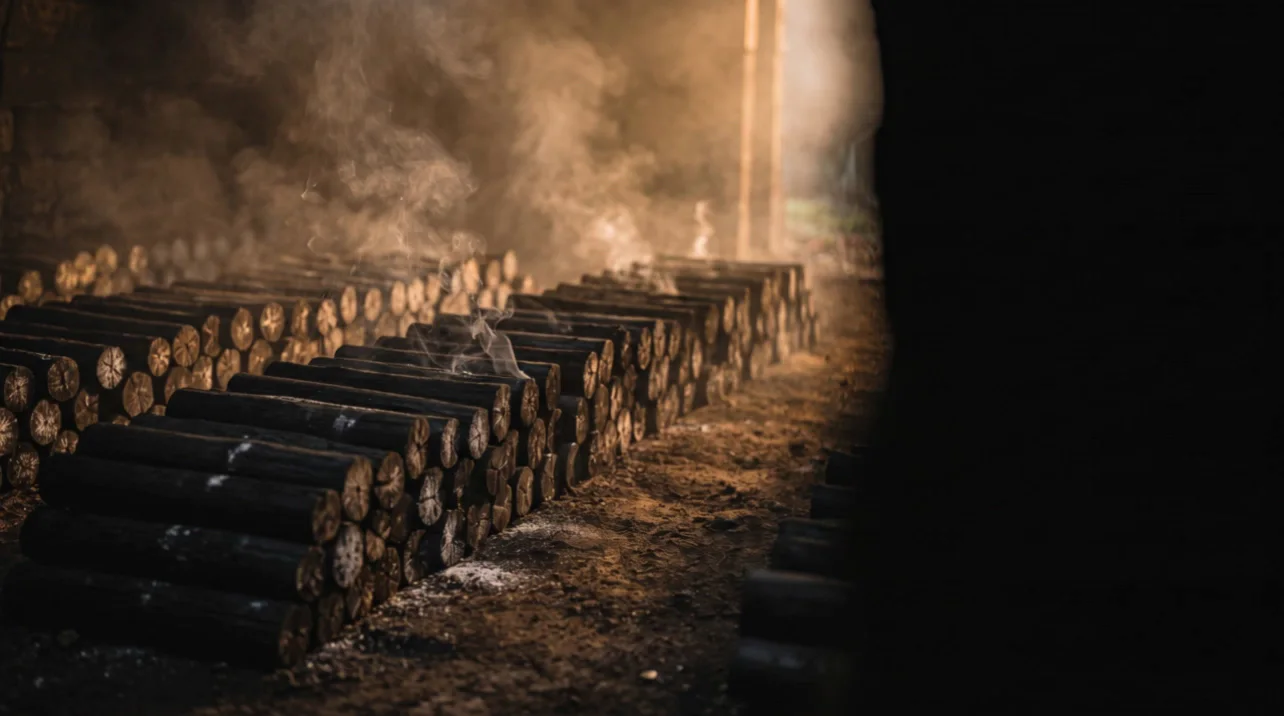
White charcoal is the hardest, cleanest-burning charcoal in the world, and the fuel that the finest grill kitchens build their fire around. Strike two pieces together and they ring like metal. Light it and it burns almost without smoke or flame, radiating a steady infrared heat for hours. It is the premium end of the entire charcoal category, and it is what our factory in Indonesia exists to make properly. This page is the complete guide to white charcoal: what it is, how it differs from ordinary black charcoal, how it is made, and how to source it in volume from the people who fire the kilns.
What is white charcoal?
White charcoal is charcoal produced at very high temperatures and then quenched in a way that leaves it dense, hard, and almost pure carbon. The name comes from the pale ash coating that dusts each finished piece, but the color is a side effect, not the point. What defines white charcoal is what happens inside the kiln.
Ordinary black charcoal is carbonized at relatively low heat and pulled while it is still soft enough to light with a match. White charcoal is pushed far hotter, past 1000°C in the final stage, then raked out while glowing and smothered under a damp blend of ash, sand, and earth. That violent quench hardens the carbon structure into something closer to a mineral than to burnt wood. The result is so dense it often sinks in water and rings when struck. The most famous type of white charcoal is Japanese binchotan, which is our flagship product and the benchmark the whole category is measured against.
White charcoal vs black charcoal
The clearest way to understand white charcoal is to compare it to the black charcoal most people know. The difference is temperature, and everything follows from it.
- Heat. Black charcoal lights fast and burns hot but fades within an hour or two. White charcoal is harder to light but holds a steady cooking heat for four to six hours or more.
- Heat type. Black charcoal throws convective heat with visible flame. White charcoal burns almost flameless, radiating infrared heat that sears the surface of food while keeping the inside tender.
- Smoke. Black charcoal releases smoke and volatile compounds as it lights. Fully fired white charcoal is nearly smokeless and odorless once lit. That is why it is trusted next to delicate food.
- Ash. Black charcoal leaves a heavy ash bed. White charcoal produces very little, so the fire stays clean and airflow stays steady.
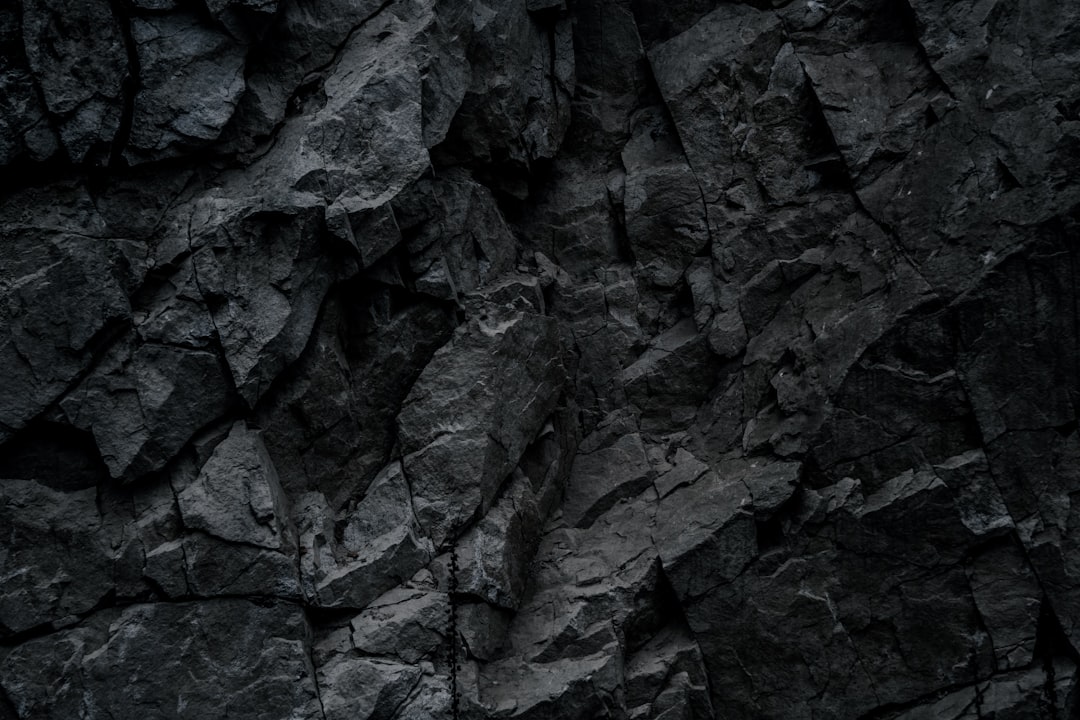
- Density and hardness. White charcoal is steel-hard and rings; black charcoal is soft and crumbly.
The honest trade-off is ignition: white charcoal will not light from a match and needs a chimney starter or a gas ring. We cover the full comparison in our journal piece on white charcoal vs black charcoal.
How white charcoal is made
There is no shortcut to real white charcoal, and anyone who sells you a shortcut is selling you black charcoal with a better label. The process is slow, fuel-hungry, and unforgiving, which is exactly why the finished product performs the way it does.
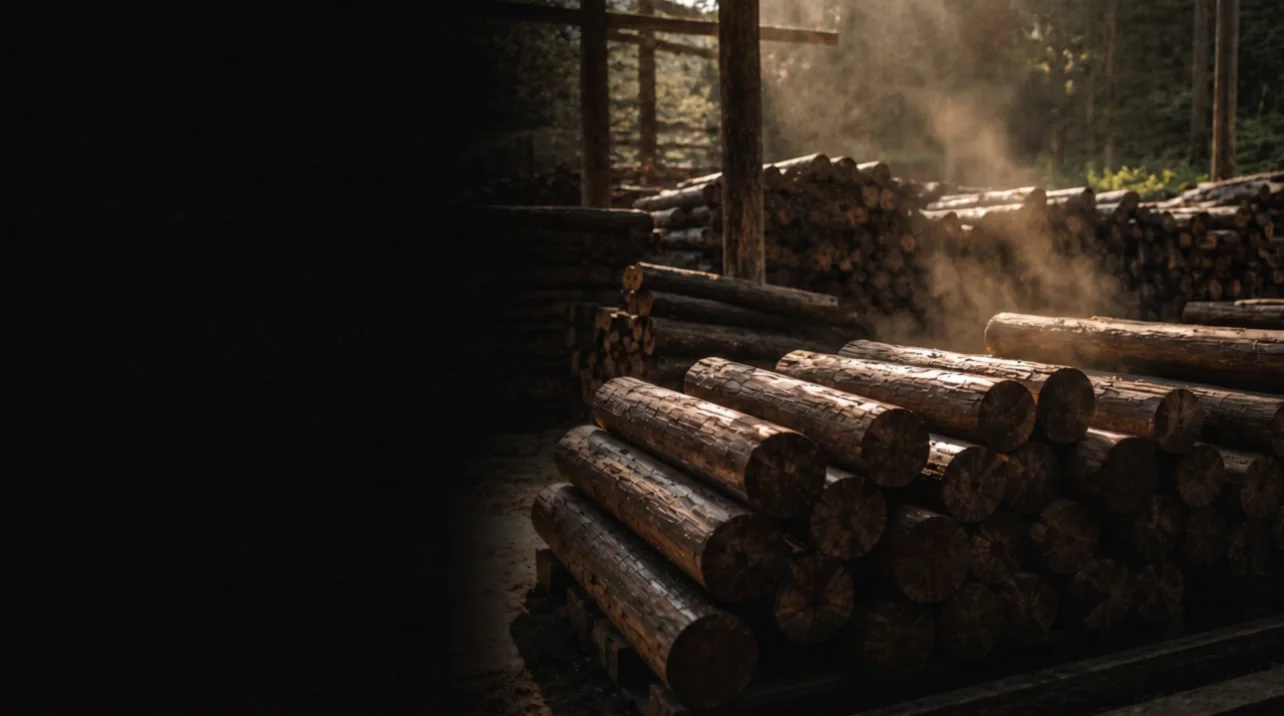
It starts with wood. Only dense, mature hardwood carbonizes into true white charcoal, because softer species collapse at white-charcoal temperatures. We select from our own dense tropical hardwood, chosen log by log, because density decides everything that follows: higher fixed carbon, a longer burn, and less ash.
The selected wood is carbonized slowly in a kiln over days, with the temperature raised in a careful curve. In the final stage the kiln is opened and the heat driven past 1000°C, and the glowing charcoal is raked out and immediately smothered under the ash-and-earth mixture. That final quench is the signature of white charcoal. It is what hardens the carbon and leaves the pale coating. What comes out rings like porcelain and is ready to be graded, sized, and packed. Our manufacturing process page walks through each stage in detail.
Why chefs choose white charcoal
Ask why white charcoal commands its price and the answer is always the fire. On a grill, the steady radiant heat and the absence of smoke let a cook control the sear with a precision that gas and black charcoal cannot match.
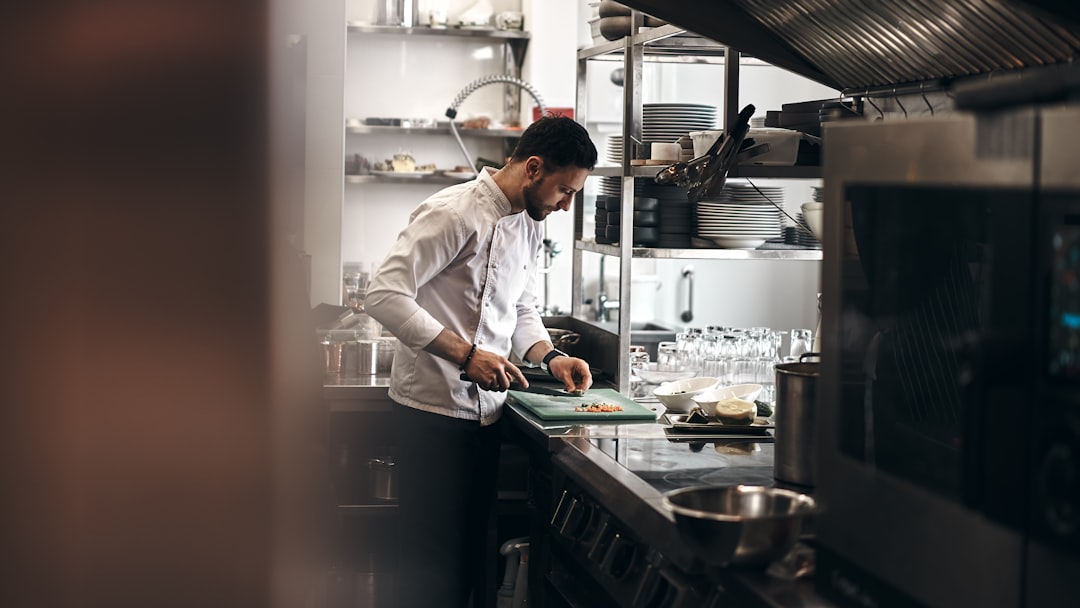
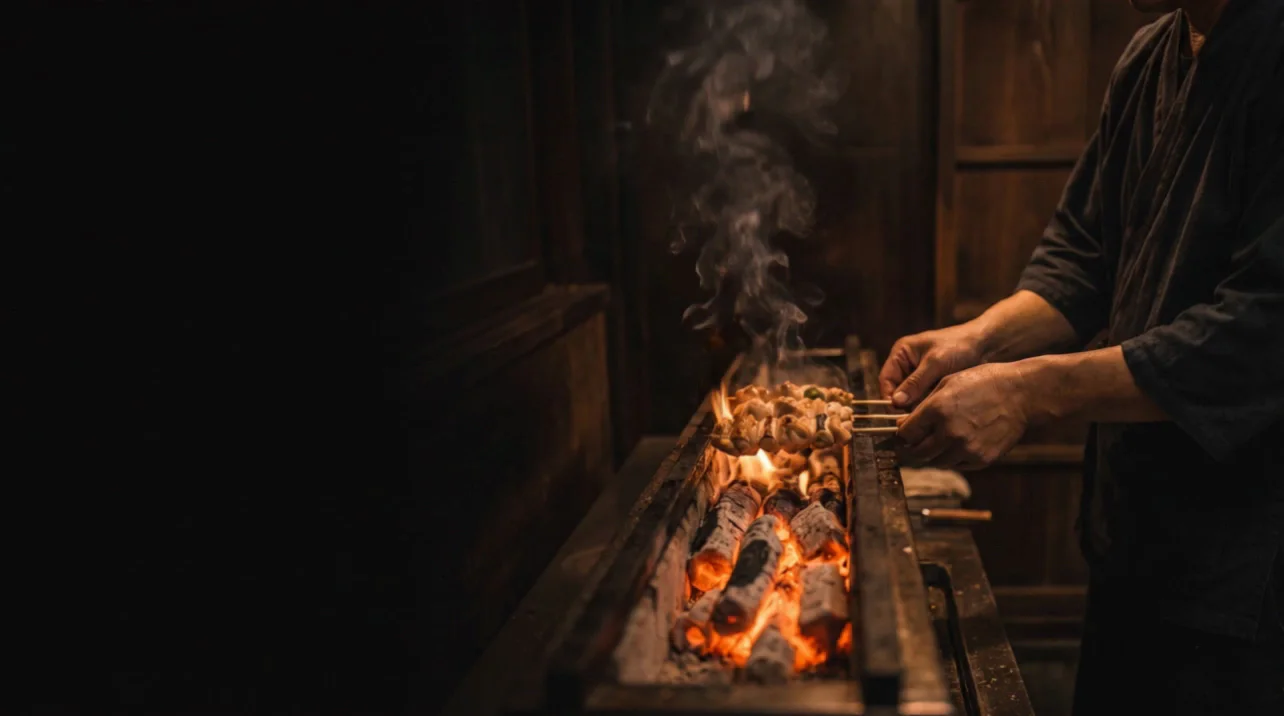
In yakitori, skewers are cooked inches above a bed of white charcoal, the infrared heat crisping the skin while the fat renders clean without flare-ups. In robata, steakhouses, and premium grill kitchens, the same quality puts a hard, even crust on food while the smokeless burn keeps the flavor pure. Even specialty coffee and tea use white charcoal for its clean, odorless heat. Wherever the fire is part of the flavor rather than just a heat source, white charcoal earns its place. Our restaurant charcoal page covers grades and supply for professional kitchens.
Grades, specifications, and sizing
White charcoal is a specification product, not a commodity, and serious buyers evaluate it on numbers rather than on the bag. The specifications that matter are fixed-carbon content (real white charcoal runs high), moisture content (low, because dense charcoal that stays dry burns predictably), density, and piece size. We supply white charcoal in graded, sorted sizes so a kitchen can load a consistent fire, and every shipment is documented so you know the numbers before the container arrives rather than after.
Consistency from one container to the next is the specification that actually protects a business. A restaurant that standardises its cooking on a particular white charcoal is building its menu around that fire. The day a shipment arrives softer, ashier, or shorter-burning than the last, you do not get a complaint. You lose the account. That is why sourcing white charcoal is a relationship with a factory, not a transaction with a trader.
How to tell real white charcoal from a fake
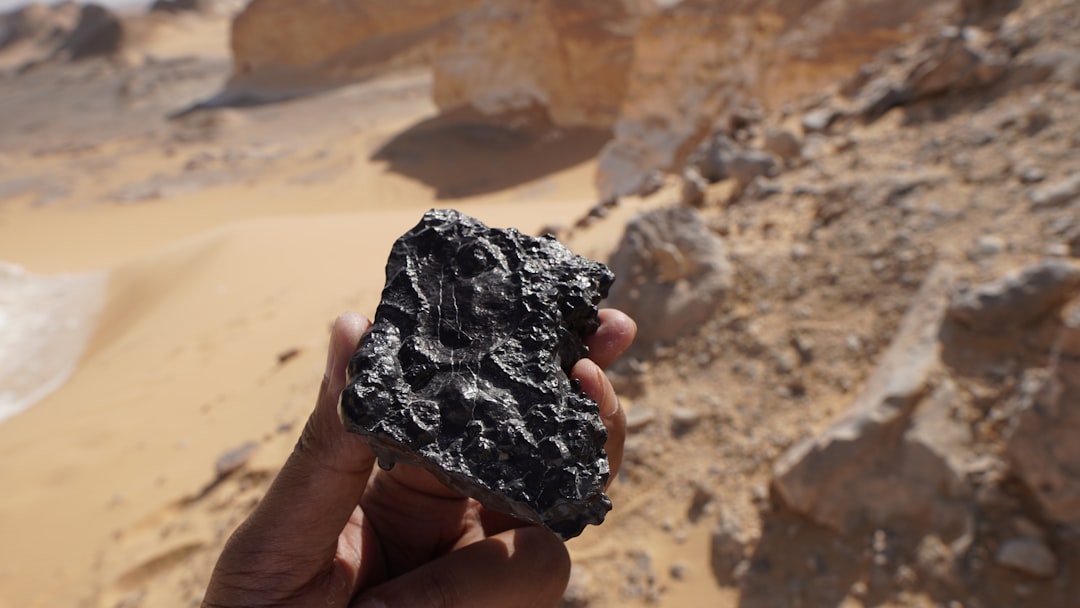
Because white charcoal commands a premium, black charcoal is often relabeled and sold as "white charcoal" or "binchotan." The good news is that the real thing is hard to fake, because its defining qualities are physical. Pick up two pieces and strike them: real white charcoal rings clear and metallic, while low-fired charcoal thuds. Heft it: genuine white charcoal is dense and heavy for its size. Try to light it: if it catches from a match in a minute or two, it is black charcoal regardless of the label. And ask for the numbers. A serious supplier can give fixed-carbon, moisture, and ash figures and stand behind them. Trust the physics over the marketing on the bag.
How to buy white charcoal in volume
Sourcing white charcoal wholesale comes down to three questions: is it real, is it consistent, and can the supplier prove it. Ask for fixed-carbon, moisture, and ash figures. Ask for a sample and run the ring, weight, and light tests. Ask how the product is graded and packed, because a supplier who sorts and documents carefully is one who understands the kitchen at the other end of the container.
We manufacture white charcoal, including authentic binchotan, in Indonesia and ship it factory-direct worldwide, in bulk export cartons or private-label retail packaging. Pilot container volumes are available before you scale, and OEM and private label programs run to your specification, with export documentation and logistics handled end to end.
Storing white charcoal
White charcoal is dense and durable, but it is still porous, and its long, steady burn depends on it staying dry. Store it somewhere dry and off the floor, away from humidity, and it will keep indefinitely. Damp white charcoal lights even more reluctantly than usual and burns unevenly, so a dry store room is not optional for a kitchen that relies on it. One quiet advantage of white charcoal is that partially burned pieces can often be extinguished by cutting off their air and then relit for a later service, which improves the real cost per cook. That is another reason professional kitchens favour it despite the higher price per kilo.
Japanese white charcoal and the wider category
White charcoal is often called "Japanese white charcoal" because Japan refined and popularised the method, and because its most celebrated form, binchotan from Wakayama, set the global standard. But white charcoal is defined by the method, not the country: the high-temperature firing and hard quench that make it dense, smokeless, and long-burning can be done wherever there is dense enough hardwood and the craft to control the kiln.
Traditional Japanese binchotan is superb, and it is also expensive and made in small volumes, which puts it out of reach for many restaurant groups and importers who need consistent supply at scale. Indonesian white charcoal, made by the same method from dense tropical hardwood, delivers the defining qualities of the ring, the smokeless burn, the long infrared heat, and the clean flavor, at a price and volume that works for kitchens and brands worldwide. Done properly, the difference is not the country of origin; it is whether the kiln was pushed hot enough and the wood was dense enough. Done improperly, "white charcoal" becomes a marketing word on softer, lower-fired charcoal that never saw the temperatures the real thing demands. That gap between the genuine article and the imitation is exactly what a specification and an honest supplier are for.
Storing and handling white charcoal for volume buyers
For distributors and restaurant groups, how white charcoal is stored and shipped matters as much as how it is made. It is dense and durable, but still porous, so it must be kept dry to preserve its long, even burn. In transit, its hardness is an advantage, since good white charcoal resists crushing far better than soft black charcoal, but packaging and loading still decide whether a container arrives as graded, usable pieces or as a mix of fines and breakage. A supplier who sorts by size, packs for the journey, and documents each shipment is protecting the value you are paying for, all the way to your port.
Common questions about white charcoal
What is white charcoal? Charcoal fired past 1000°C and quenched hard, which makes it dense, near-smokeless, and long-burning. The pale ash coating gives it the "white" name. Binchotan is the most famous type.
Is white charcoal the same as binchotan? Binchotan is a specific, premium type of white charcoal, originally from Japan. All binchotan is white charcoal, but the term "white charcoal" also covers the broader category made by the same high-temperature method.
Why is white charcoal better? It burns longer, cleaner, and hotter in radiant terms, with almost no smoke and very little ash, which is ideal for grilling where the fire is part of the flavor. The trade-off is that it is harder to light.
Why won't my white charcoal light? The density that makes it burn long and clean makes it slow to ignite. Use a chimney starter or a gas ring, not a match. This is normal, not a defect.
Do you supply white charcoal wholesale and for export? Yes. We ship factory-direct container volumes worldwide, in bulk or private-label packaging, with full specification documentation and pilot volumes available before you scale.
The bottom line
White charcoal is, at its core, a question of temperature: fired past 1000°C and quenched hard, which makes it dense, smokeless, long-burning, and clean: the premium end of the entire charcoal category, and the fuel the world's finest grill kitchens depend on. Real white charcoal rings like metal, cooks with steady infrared heat for hours, and adds nothing to the food but fire. Its most celebrated form is binchotan, and whatever you call it, the test is the same, and it is one our kilns are built to pass, every container.
If you are sourcing white charcoal for a restaurant, a retail brand, or an import program and need the real thing in consistent volume, talk to the people who make it. Request a quote and our export team will follow up within one business day with grades, specifications, sizing, packaging, and pricing for your market.
Source white charcoal directly from the factory.