White Charcoal vs Black Charcoal: The Real Difference
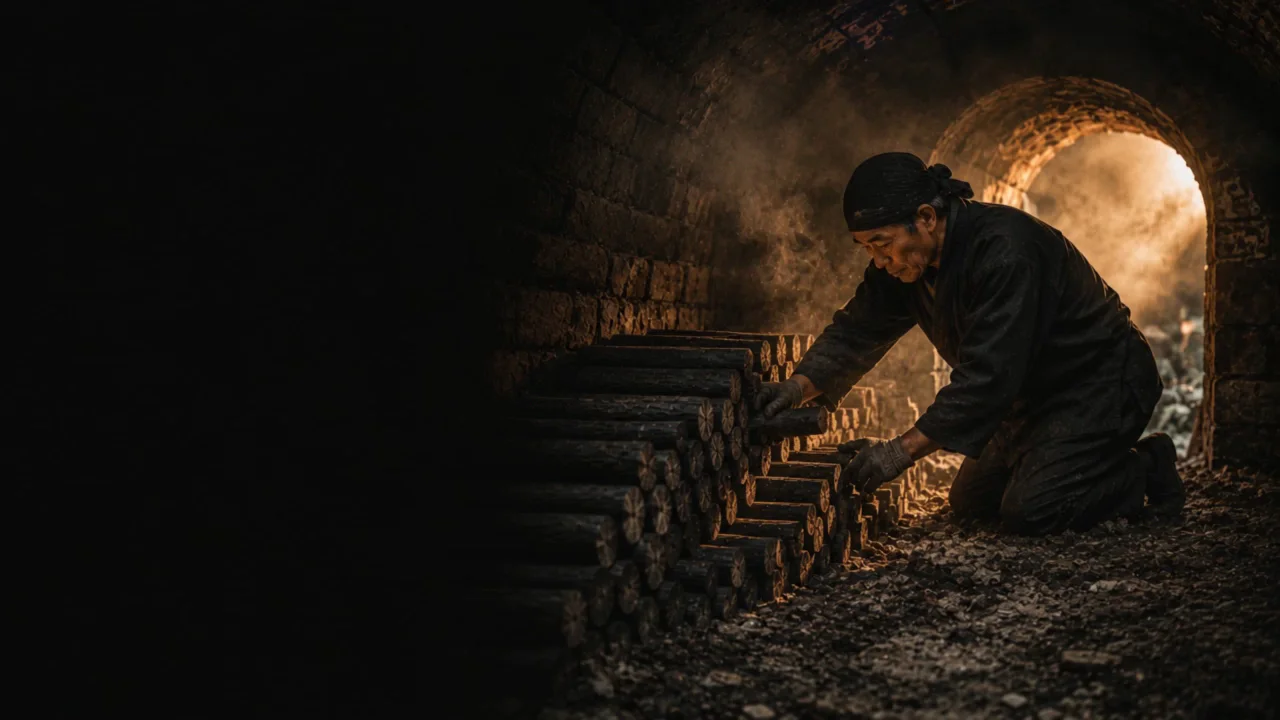
Stand next to two finished kilns on the same morning and you can hear the difference before you see it. Tap two pieces of black charcoal together and you get a dull knock. Do the same with white charcoal and it rings: a clear metallic note, almost like porcelain. That single sound is the honest summary of everything that separates the two products, and the reason a chef will pay several times more for one over the other.
Buyers ask us about white charcoal vs black charcoal every week, usually because a supplier has blurred the line on purpose. The words carry weight, whether "binchotan," "white charcoal," "restaurant grade", and weight sells. So here is the straight version from the kiln floor, with nothing dressed up: what actually separates the two, how each behaves on the fire, which one your kitchen or your brand should be buying, and how to catch the fakes before they cost you a customer.
The real difference is temperature, not color
The names mislead almost everyone. "White" charcoal is not painted, bleached, or coated, and "black" charcoal is not simply the dirtier version of the same thing. Both begin as wood and end as carbon. What changes everything is how hot the kiln is driven and, above all, how the fire is stopped.
Black charcoal, the familiar lump and briquette most people picture, is carbonized at relatively low heat, somewhere in the range of 400 to 700°C, then left to cool slowly inside a sealed kiln. It stays soft enough to light with a match and comes out with a matte, sooty surface that marks your hands. It is quick to make and quick to use, which is exactly why it dominates the consumer market.
White charcoal is pushed much further. In the final stage the kiln is opened and the internal temperature driven past 1000°C, then the glowing charcoal is raked out and, while still incandescent, smothered under a damp blend of ash, sand, and earth. That violent, deliberate quench is the whole trick. It leaves the pale grey dusting on the surface, the "white", and far more importantly it forces the carbon into a dense, tightly ordered structure that behaves more like a mineral than like burnt wood.
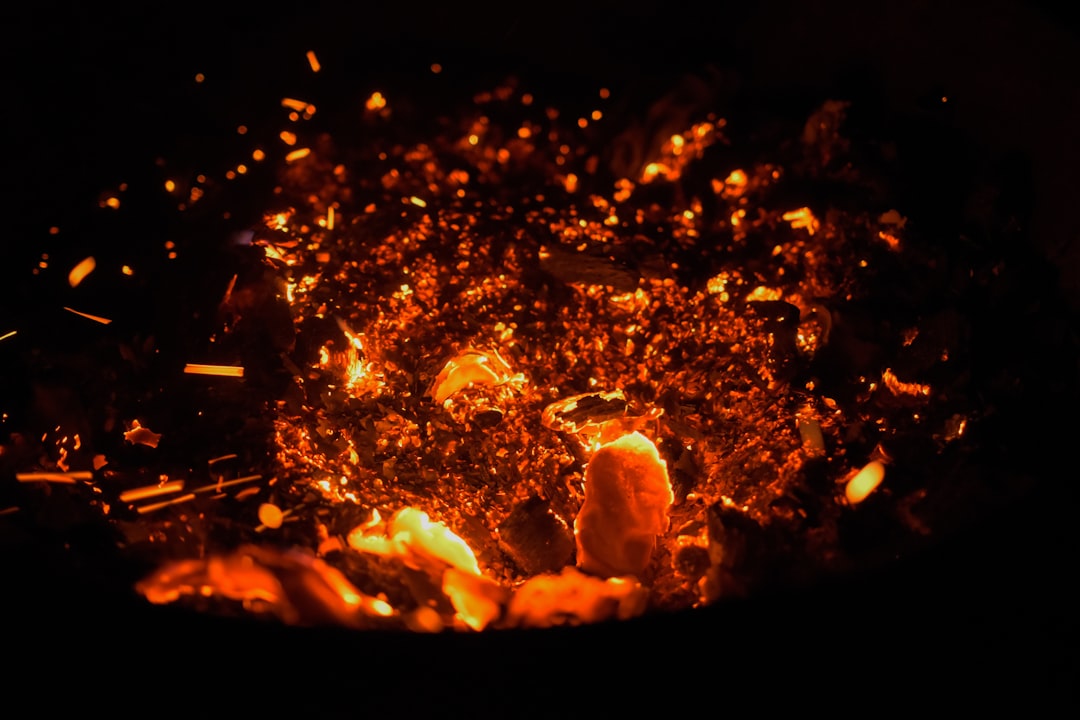
That density is not a cosmetic detail. It is the entire performance story. Denser carbon means a higher proportion of fixed carbon and less volatile matter, which translates directly into a longer, cleaner, more stable burn. If you want the full grade breakdown, moisture and fixed-carbon specifications, and export sizing, our white charcoal page carries the technical detail. This piece is about the why behind those numbers.
How they behave on the fire
The manufacturing gap becomes obvious the moment you actually cook. These are the differences buyers feel, ranked by how much they matter in a working kitchen:
- Burn time. Black charcoal gives a strong, fast burst of heat and fades within one to two hours. White charcoal holds usable cooking temperature for four to six hours or more from a single load, often long enough to run an entire dinner service on one fire.
- Heat type. Black charcoal throws convective heat with visible flame, which is fine for fast searing but hard to hold steady. White charcoal burns almost flameless, radiating infrared heat that cooks from the surface inward, searing the outside of a skewer or a steak while leaving the inside tender.
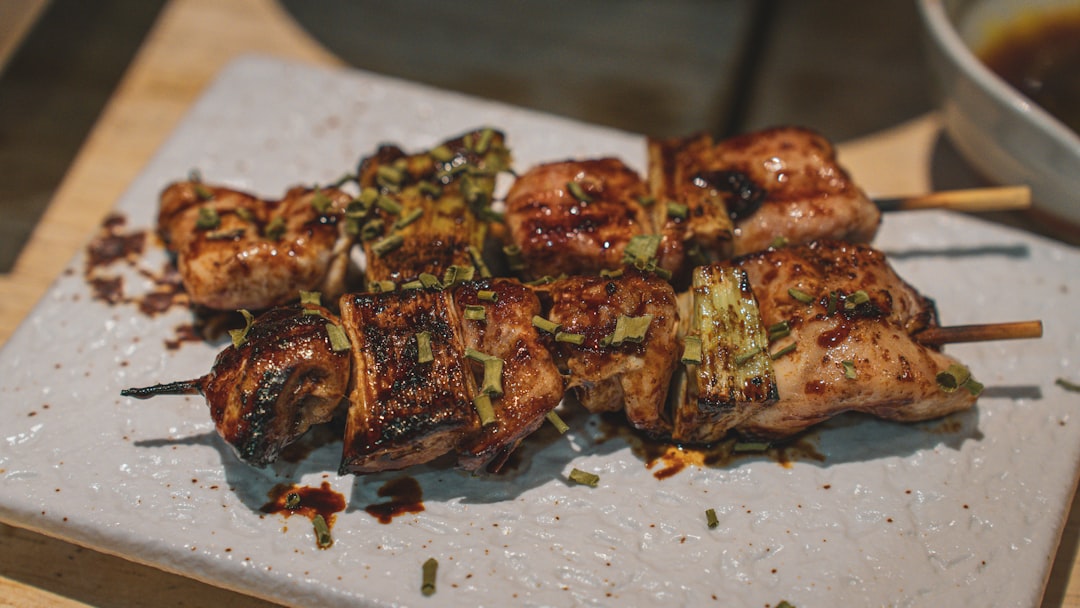
- Smoke and smell. Black charcoal releases smoke and volatile compounds as it lights, and those can carry into delicate food. Fully fired white charcoal is nearly smokeless and odorless once lit, which is precisely why yakitori and sushi-adjacent kitchens insist on it.
- Ash. Black charcoal leaves a heavy, powdery ash bed that chokes airflow as the fire ages. White charcoal produces very little ash, so the fire stays clean and the air keeps moving through the coals.
- Temperature control. Because white charcoal is so dense and slow, you can nudge its heat up or down by adjusting airflow and coal spacing, and it responds predictably. Black charcoal is more of a downhill slope: hot, then cooling, with a narrow window in between.
- Ignition. This is the one honest disadvantage of white charcoal: it is stubborn. It will not light from a match or lighter fluid. It needs a chimney starter or a gas ring and ten to twenty minutes of patience. Hardness has a price, and you pay it at the start of the cook.
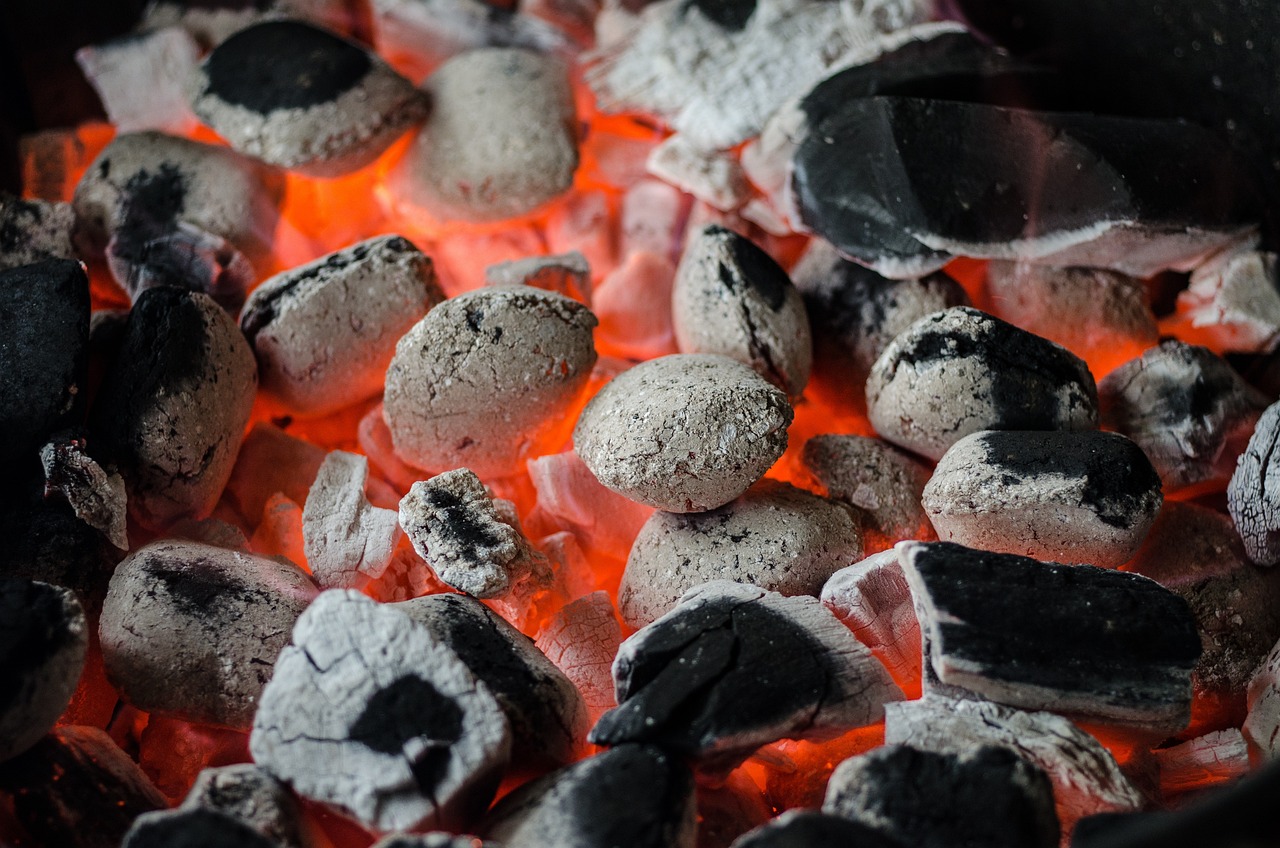
None of this makes black charcoal a bad product. For a backyard grill on a Sunday afternoon, its fast, hot, forgiving burn is often exactly right, and paying white-charcoal prices for it would be a waste. The distinction is not good versus bad. It is about matching the fuel to the job, and understanding that the two are not interchangeable no matter what a spec sheet claims.
Which one you actually want
The decision comes down to how the fire will be used, not to which charcoal wins on paper.
Choose black charcoal when you want quick heat, a short cook, and effortless lighting: casual grilling, home barbecue, high-volume outdoor events, food trucks, anywhere the fire is lit fresh, used hard, and finished within the hour. Its speed is a feature.
Choose white charcoal when the fire has to stay honest across a long, demanding service: yakitori and robata counters, teppanyaki, premium steakhouses, hotel and resort kitchens running the same bed of coals through an entire dinner shift. The steady radiant heat, the near-total absence of smoke, and the multi-hour burn are worth both the higher price and the slower start, because in those rooms the fire is not a convenience, it is the cooking method itself.
There is a third market worth naming, because it drives a surprising share of white-charcoal demand: shisha and hookah lounges. Here the logic is the same as the kitchen, only the stakes are the guest's first impression. Low-fired black charcoal introduces smoke and an acrid note that ruins the flavor of the tobacco and gives an unpleasant first draw. Dense white charcoal lights to a steady, near-odorless ember that holds heat evenly across a long session without constant relighting. A lounge that switches to proper white charcoal almost always notices the difference in guest complaints immediately, which is why premium venues treat their charcoal as part of the experience rather than a consumable to buy on price.
For importers, distributors, and private-label buyers there is a second layer to this, and it is the one that actually protects your business. Black charcoal is a commodity. It is bought and sold on price per tonne, and one supplier's black lump is broadly substitutable for another's. True white charcoal is a specification product. Density, fixed-carbon percentage, moisture content, piece size, and, critically, consistency from one container to the next are what keep a restaurant account renewing its order. A kitchen that standardizes on a particular white charcoal is building its cooking around your fire. The day a container arrives softer, ashier, or shorter-burning than the last, you do not get a complaint. You lose the account. That is the moment the factory you buy from stops being interchangeable, and it is why sourcing white charcoal is a relationship, not a transaction.
How to tell real white charcoal from black charcoal in disguise
The most common and most expensive problem we see is black charcoal sold as "binchotan" or "white charcoal" because those words command a premium the product cannot back up. Importers resell it in good faith, restaurants try it, the fire disappoints, and the reputation damage flows back up the chain.
The good news is that white charcoal is very hard to fake convincingly, because the properties that make it valuable are physical, not visual. Here is how to check a sample without any equipment:
- The ring test. Pick up two pieces and strike them together. Real white charcoal produces a clear, high, metallic ring, the sound of dense, ordered carbon. Soft, low-fired black charcoal gives a dull thud. This one test catches most fakes on its own.
- Weight and density. Genuine white charcoal feels dense and heavy for its size. Heft two similar-sized pieces; the real one is noticeably heavier, because the carbon has been driven together under extreme heat.
- Surface and break. White charcoal has a hard, almost glassy fracture and that faint pale ash coating. Black charcoal is softer, crumblier, and blackens your hands immediately.
- The light test. If a sample lights easily from a match or lighter within a minute or two, it is black charcoal, full stop. Real white charcoal simply will not do that.
- Ask for the numbers. A serious white-charcoal supplier can give you fixed-carbon content, moisture, and ash figures, and stand behind them container to container. Vague answers are their own answer.
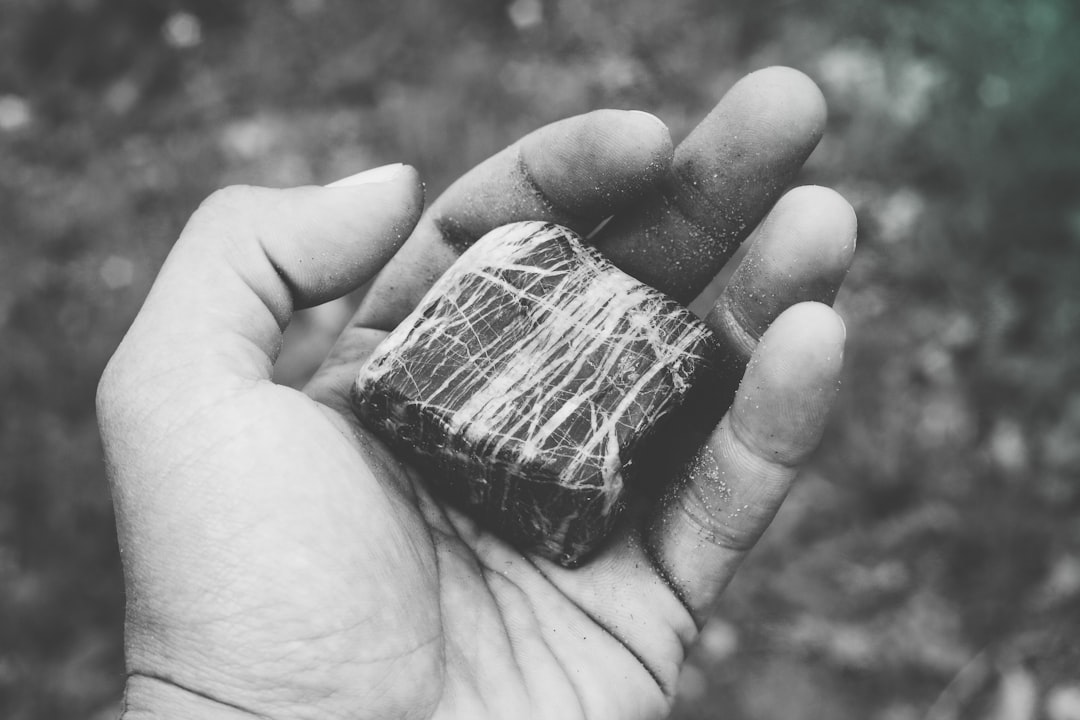
If a "binchotan" sample lights in two minutes and knocks like a piece of firewood, you are holding black charcoal regardless of what the bag, the invoice, or the sales rep says. Trust the physics over the label.
A note on price, and why the gap is real
Buyers new to the category are often shocked at the price difference and assume it is markup. It is not. White charcoal costs more to make for reasons that are structural, not commercial. It demands denser, more mature hardwood, because softer species simply collapse at white-charcoal temperatures. It burns far longer in the kiln and consumes more fuel and labor to reach and hold those temperatures. Yields are lower, because the process is less forgiving and more wood is lost. And every step, from wood selection to the final quench, requires judgment that cannot be rushed. You are not paying a premium for a name. You are paying for a harder material that took more to produce and does more on the fire.
Storage and sizing matter more than buyers expect
One last practical point that separates a smooth account from a frustrating one: both charcoals are only as good as their condition on arrival. Charcoal is porous and readily absorbs moisture, and damp charcoal, white or black, lights poorly, burns unevenly, and can spit. Store it somewhere dry and off the floor, and keep white charcoal especially away from humidity, since its long, steady burn depends on staying dry. Piece size matters too: consistent, sorted sizing lets a kitchen load a predictable fire, while a sack of mixed offcuts and fines forces the cook to fight the grill instead of using it. When you evaluate a supplier, look at how the product is graded and packed, not only at the charcoal itself. It tells you whether they understand the customer on the other end of the container.
The short version
White charcoal vs black charcoal is, at its core, a question of temperature. Black charcoal is fired low and cooled slow: it lights easily, burns hot and fast, leaves more ash, and suits quick, casual cooking. White charcoal is fired past 1000°C and quenched hard: it is dense, slow, radiant, nearly smokeless, harder to light, and built to hold a fire through a full service. One is a commodity you buy on price. The other is a specification you can build a menu and a brand around.
If you are sourcing for a kitchen or a label where the fire has to perform the same way every single service, that consistency is exactly what we fire the kilns for, container after container. See the grades, specifications, and export detail on our white charcoal page, or talk directly to the people who stack the kilns.
Source it directly
White Charcoal, factory direct.
White charcoal takes its name from the pale ash dusting left by the quenching process, and its reputation from what's underneath: carbon so dense and pure it behaves more like a mineral than wood.