Natural Lump Charcoal
Nothing added, nothing pressed, nothing hidden: lump charcoal is simply hardwood transformed by fire. Its quality depends entirely on the wood and the kiln, which is why ours starts in the forest.
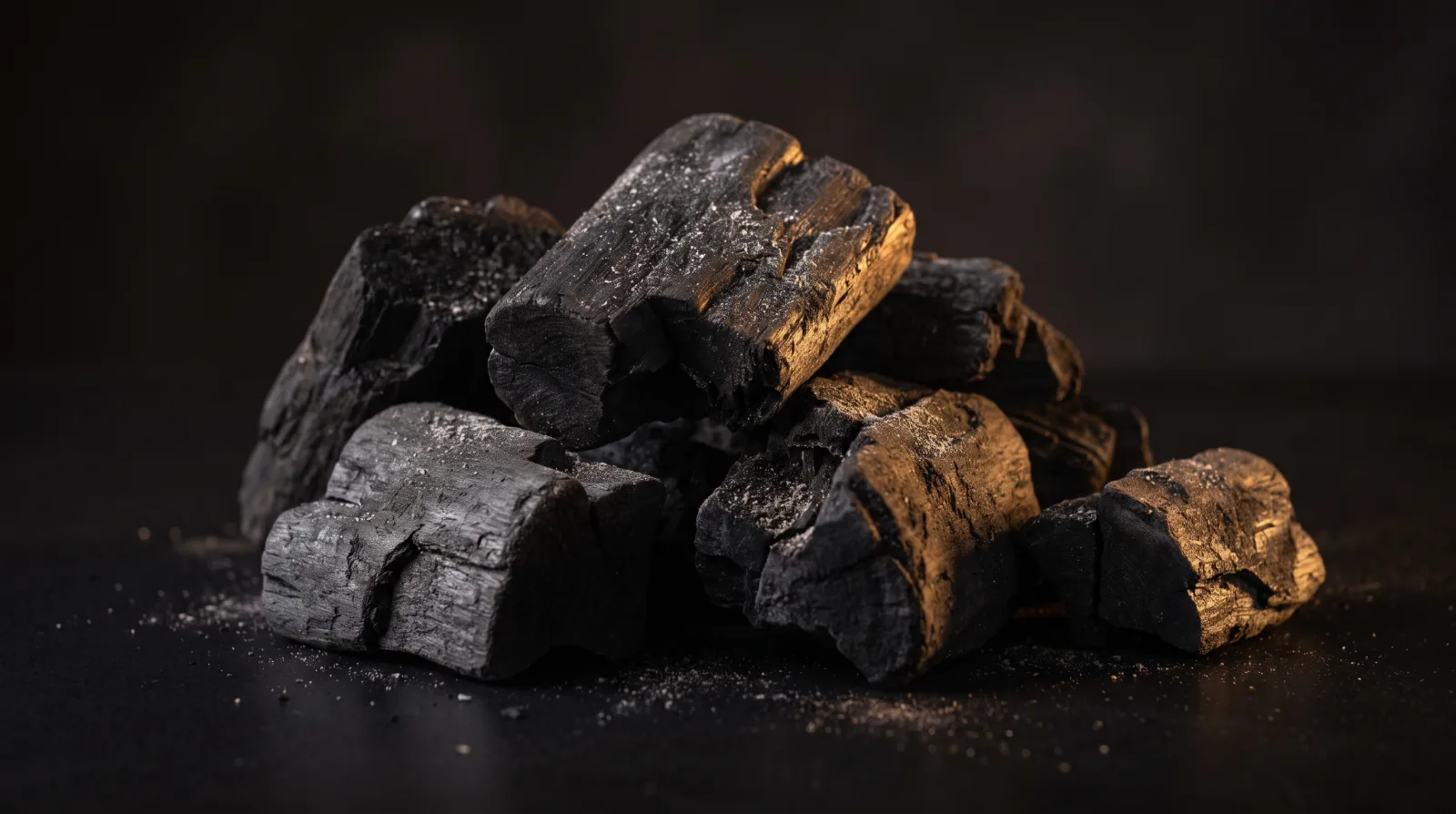
Lump charcoal is the purest cooking fuel you can buy: real hardwood, carbonized in a kiln until nothing is left but carbon, with no binders, no fillers, and nothing added. Break a piece and you still see the grain of the tree it came from. That purity is the whole reason chefs and serious grillers reach for lump over briquettes. It lights fast, burns hot and clean, and lets the food taste like fire and wood rather than like additives. This page is the complete guide to lump charcoal: what it is, how it compares to briquettes, what separates the best lump charcoal from the rest, and how to source it in volume from the factory that fires the kilns.
What is lump charcoal?
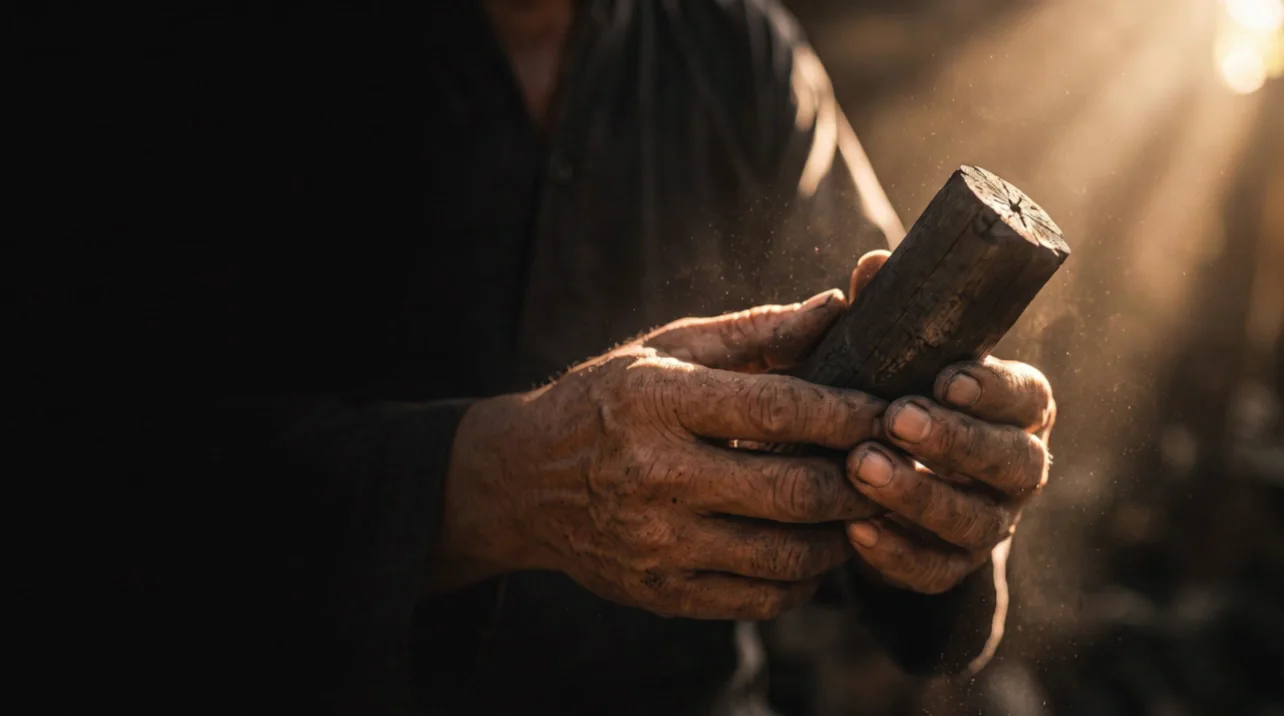
Lump charcoal, sometimes called lump hardwood charcoal or simply wood charcoal, is charcoal made directly from pieces of hardwood. The wood is heated in a low-oxygen kiln until moisture and volatile compounds are driven off, leaving behind irregular lumps of almost pure carbon that still carry the shape and grain of the original wood.
That is the key distinction. Lump charcoal is a single-ingredient product: carbonized wood, nothing else. It is not ground, pressed, or bound. Every bag is a little different because nature is a little different, and that variability is a feature, not a flaw: it means you are burning real wood, not a manufactured composite. For the specifications, species, and export detail behind our own lump, see the hardwood charcoal page.
Lump charcoal vs briquettes
The most common question buyers ask is how lump charcoal compares to briquettes, and the honest answer is that they are different tools for different fires.
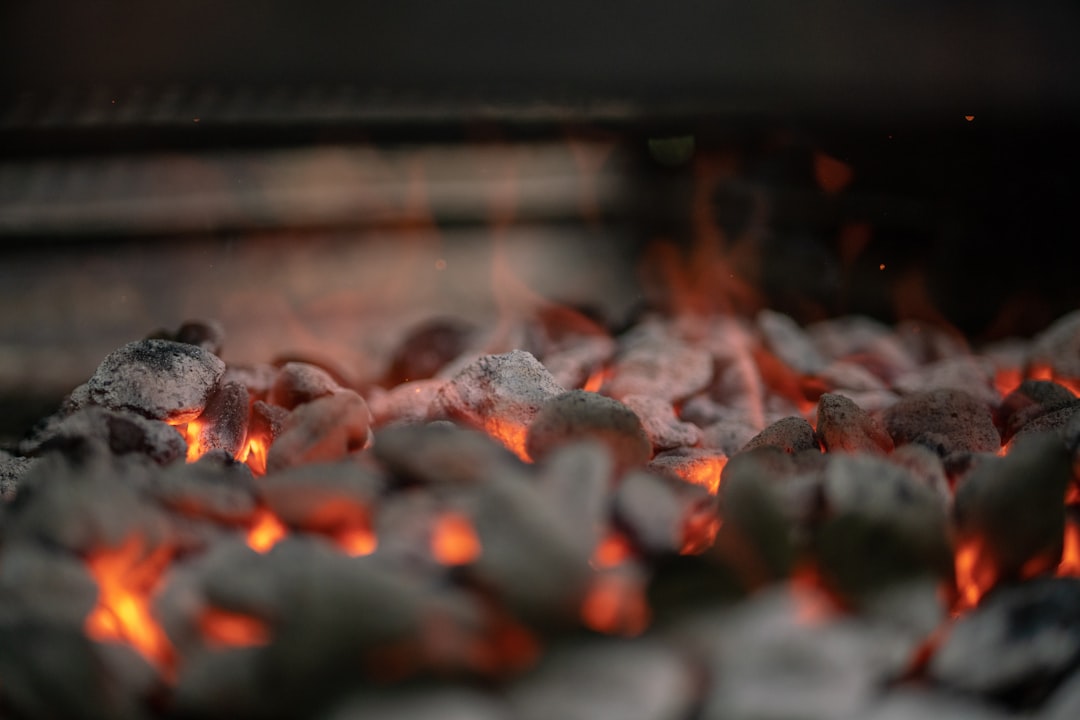
Briquettes are a manufactured product: charcoal dust and fines pressed into uniform pillow shapes with a binder, and sometimes fillers like coal or sawdust. Their strength is consistency. Every briquette is identical, so they burn slow, steady, and predictable, which suits long low-and-slow cooks. Their weakness is what goes into them; cheaper briquettes can carry additives that leave ash and off-flavors.
Lump charcoal is the opposite. It lights faster, burns hotter, often well above 500°C at its peak, and leaves far less ash, but it burns less evenly because every piece differs in size and density. For searing, high-heat grilling, and any kitchen that cares about clean flavor, lump wins. For a twelve-hour brisket where holding a precise low temperature matters more than heat or flavor, quality briquettes have a real case. We cover this trade-off in full in our journal piece on hardwood charcoal vs briquettes.
The short version: lump for heat, speed, and flavor; briquettes for long, steady, set-and-forget burns. Neither is universally better.
What makes the best lump charcoal
Not all lump charcoal is equal, and the differences come down to a few measurable things. When buyers ask what separates the best lump charcoal from the ordinary kind, the answer is always the wood and the firing.
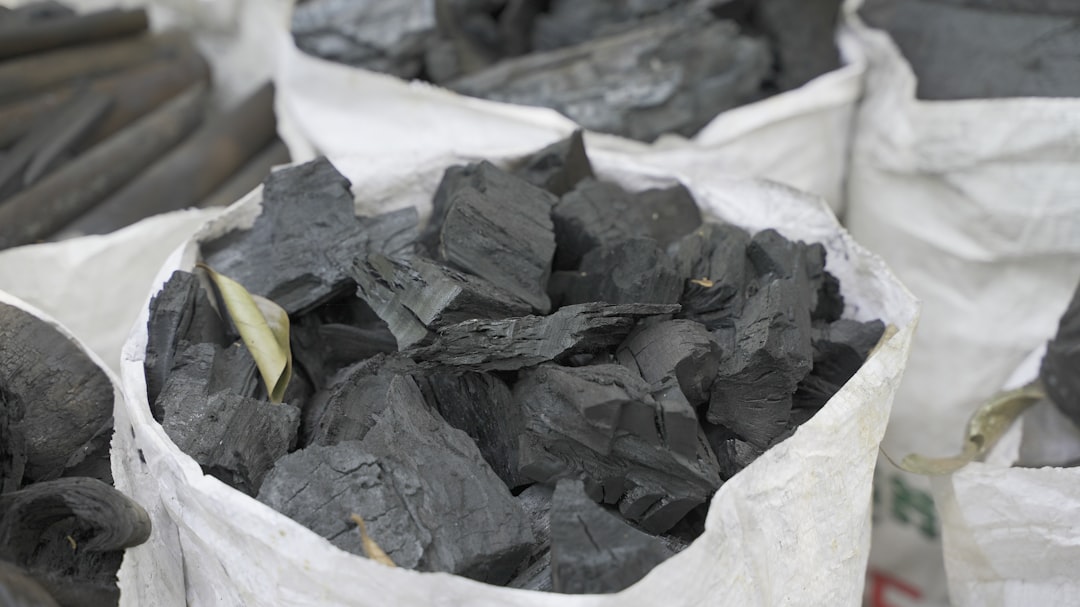
- Density of the wood. Denser hardwood carbonizes into denser charcoal, which means higher fixed carbon, a longer burn, and less ash. Cheap lump made from soft, fast-grown wood burns out quickly and leaves a heavy ash bed.
- Fixed-carbon content. The best lump runs high in fixed carbon, often above 80 percent. This is the single most useful number on a spec sheet.
- Low moisture. Charcoal is porous and absorbs water; damp lump lights poorly and burns unevenly. Good lump is properly dried and stays dry.
- Piece size and sorting. A bag that is mostly usable, evenly sized pieces, rather than dust, fines, and the occasional boulder, lets a cook build a predictable fire. Sorting is a sign a producer respects the customer.
- Purity. True lump is only carbonized wood. Anything else, whether grit, sand, unburned wood, or foreign material, is a defect.
We select dense tropical hardwood log by log for exactly these reasons, because the burn a customer feels is decided long before the kiln.
Hardwood lump charcoal and why the species matters
"Hardwood lump charcoal" is not marketing language. The type of wood genuinely changes the product. Hardwoods are denser than softwoods, and density is what delivers the high carbon and long burn that make lump worth buying. Softwood charcoal, by contrast, is light, sparks more, and burns out fast.
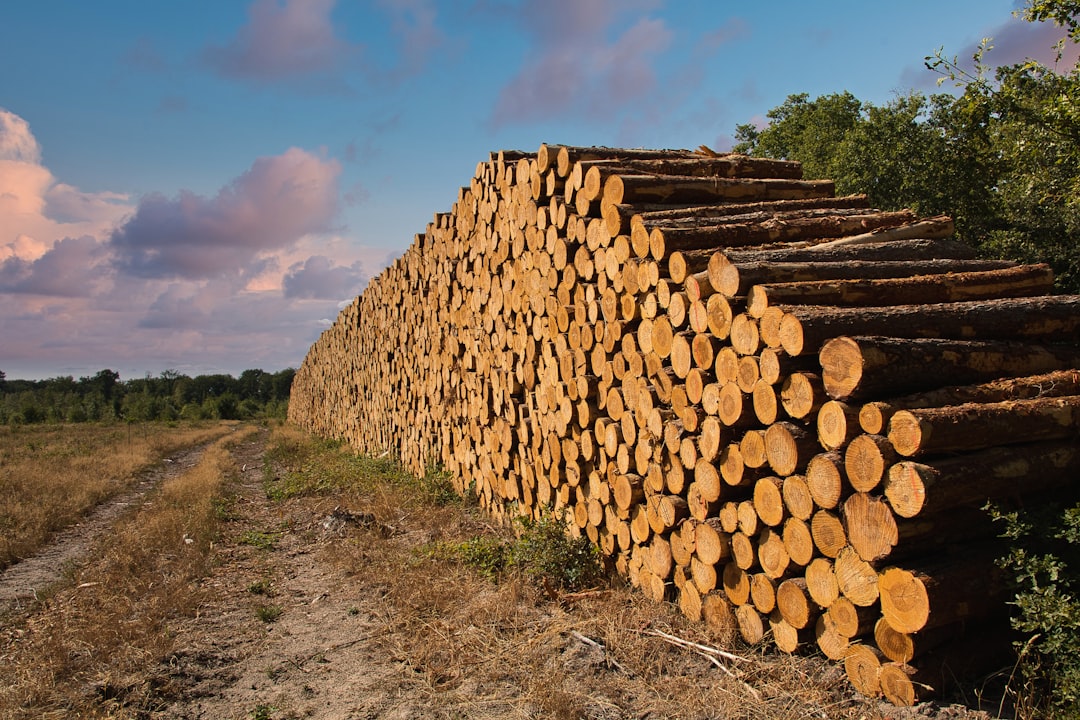
Different hardwoods also carry subtly different characteristics, from burn temperature to the faint aroma they lend to food. What they share, when properly carbonized, is a hard, ringing, high-carbon lump that performs. Our lump is made from mature, dense Indonesian tropical hardwood, chosen for the combination of high fixed carbon, long burn, and clean, low-ash performance that professional kitchens depend on.
Using lump charcoal on the grill
Part of why lump is the griller's favorite is that it is forgiving and fast. Here is how to get the most out of it.
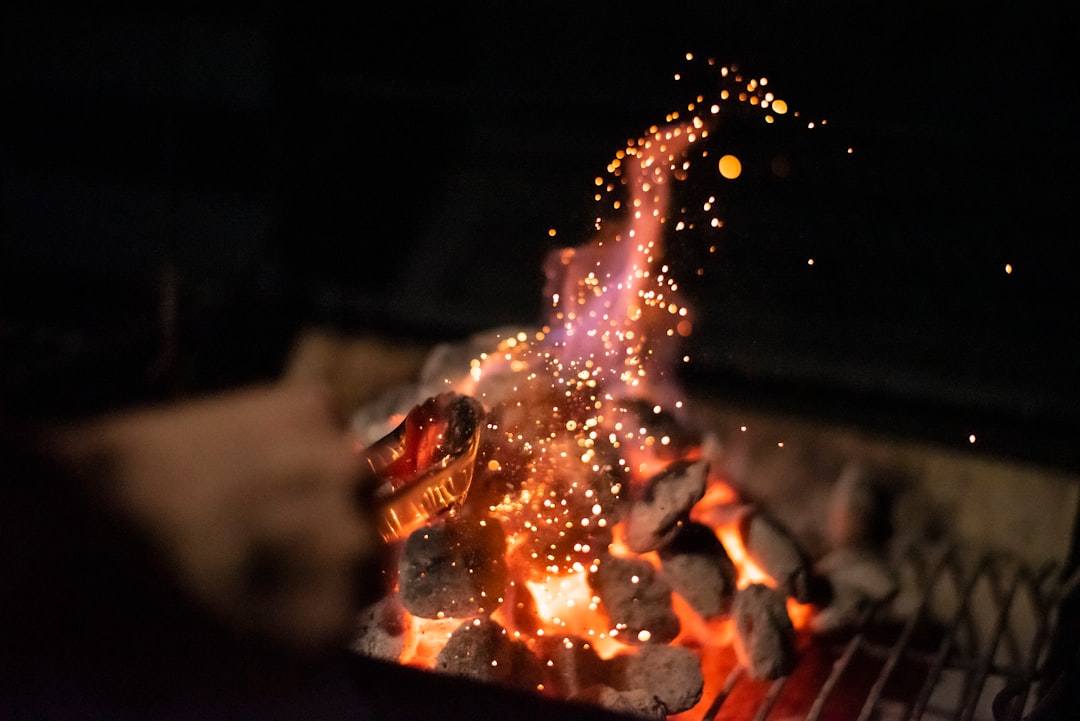
Light it in a chimney starter rather than with fluid. Lump catches quickly and is ready in ten to fifteen minutes, and a chimney avoids any petrochemical taint. Once the coals are glowing and lightly ashed, pour them out and build a two-zone fire: a deep bed on one side for high-heat searing and a thinner layer on the other for gentler cooking. Because lump burns hot, control the heat with airflow and coal spacing rather than by piling on more fuel.
For a longer cook, lump is easy to top up: add fresh pieces to the edge of the existing bed so they light from the coals already burning, rather than dumping cold lump onto the center and killing your heat. And because lump comes up to temperature so quickly, it suits the way most kitchens actually work: a fire that is ready in minutes, not an hour. The one habit worth keeping is to watch the ash: lump makes little of it, but clearing what does accumulate keeps the air moving and the fire even through a long service.
Lump also relights well. Because it is pure carbon, unburned pieces can be extinguished by cutting off their air after a cook and used again next time, which improves the real cost per cook. For restaurant-scale use across a full service, our restaurant charcoal page covers grades and supply built for professional grills.
Grades, sizing, and specifications
Lump charcoal is bought seriously on specification, not on the picture on the bag. The numbers that matter are fixed-carbon percentage, moisture content, ash content, and piece-size distribution. We supply lump in graded, sorted sizes with documentation per shipment, so a buyer knows the fixed carbon, moisture, and ash figures before the container arrives rather than discovering them after.
For importers, distributors, and private-label brands, consistency from one container to the next is the specification that actually protects the business. A retailer or restaurant that standardises on your lump is building their fire around it; the day a shipment arrives with more dust, softer pieces, or a shorter burn, they feel it first. That is why sourcing lump is a relationship with a producer, not a spot purchase from a trader.
How to buy lump charcoal in volume
Buying lump charcoal wholesale comes down to three checks: is it pure, is it consistent, and can the supplier prove it. Ask for fixed-carbon, moisture, and ash figures. Ask for a sample and inspect it. Good lump is dense and heavy for its size, breaks with a clean fracture showing the wood grain, lights fast, and leaves little ash. Ask how it is graded and packed, because careful sorting and sound packaging signal a producer who understands the buyer at the other end of the container.
We manufacture lump hardwood charcoal in Indonesia and ship it factory-direct worldwide, in bulk export cartons or private-label retail packaging. Pilot container volumes are available before you scale, and OEM and private label programs run to your specification, with export documentation and logistics handled end to end.
Wood charcoal and lump charcoal: is there a difference?
Buyers often use "wood charcoal" and "lump charcoal" interchangeably, and for good reason: they usually mean the same thing. Wood charcoal is any charcoal made from wood, and lump charcoal is wood charcoal that has kept its natural lump shape rather than being ground and pressed into briquettes. So all quality lump is wood charcoal, but not all "charcoal" sold in stores is real wood charcoal. A lot of it is briquettes made partly from coal, sawdust, and binders.
The practical takeaway for a buyer is to look past the word on the front of the bag and check what is actually inside. If the pieces are irregular, hard, and show wood grain when broken, you have genuine lump wood charcoal. If they are identical pressed pillows, you have briquettes, whatever the marketing calls them. When purity and clean flavor matter, the distinction is the whole point.
Storing lump charcoal
Lump charcoal keeps almost indefinitely if it stays dry, but it is porous and will readily absorb moisture from a damp store room, and damp lump lights poorly and burns unevenly. Keep it somewhere dry and off the floor, ideally in a sealed container or its original packaging once opened. Dust and fines settle to the bottom of any bag of lump over time; those small pieces still burn, but they are best used to start a fire rather than as the main bed, since they fall through the grate and choke airflow. For high-volume buyers, good packaging and careful handling in transit matter as much as the charcoal itself. Lump that arrives crushed into fines has lost much of its value before it reaches the grill.
Common questions about lump charcoal
Is lump charcoal better than briquettes? For heat, speed, low ash, and clean flavor, yes. For long, steady, low-temperature cooks where consistency matters most, quality briquettes have a real advantage. They are different tools.
Does lump charcoal have additives? True lump charcoal has none. It is only carbonized wood. This is its main advantage over cheap briquettes, which can contain binders and fillers.
How long does lump charcoal burn? Less time than briquettes at a given size, because it burns hotter, but hot enough and clean enough that most grillers consider the trade worth it. Denser, higher-carbon lump burns longer.
What is the best wood for lump charcoal? Dense hardwood. Density delivers the high fixed carbon, long burn, and low ash that define good lump. Softwood makes poor charcoal.
Can you reuse lump charcoal? Yes. Because it is pure carbon, unburned pieces can be smothered and relit for a later cook.
Do you supply lump charcoal wholesale and for export? Yes. We ship factory-direct container volumes worldwide, in bulk cartons or private-label retail packaging, with full specification documentation and pilot volumes available before you scale.
The bottom line
Lump charcoal is real hardwood carbonized to pure carbon, with nothing added and nothing pressed. It lights fast, burns hot and clean, leaves little ash, and lets food taste like fire and wood, which is why it is the default for chefs and serious grillers. The best lump comes down to dense wood, high fixed carbon, low moisture, and honest sorting, and the difference between a good bag and a bad one is entirely in those details.
If you are sourcing lump charcoal for a kitchen, a retail brand, or an import program and need the same clean, dense, high-carbon product in every container, that consistency is exactly what we fire the kilns for. We select the wood, control the burn, and grade and document every shipment, so what you sample is what arrives at your port, container after container. Request a quote and our export team will follow up within one business day with grades, specifications, sizing options, and pricing for your market.
Source lump charcoal directly from the factory.