Hardwood Charcoal vs Briquettes: Which Burns Better?
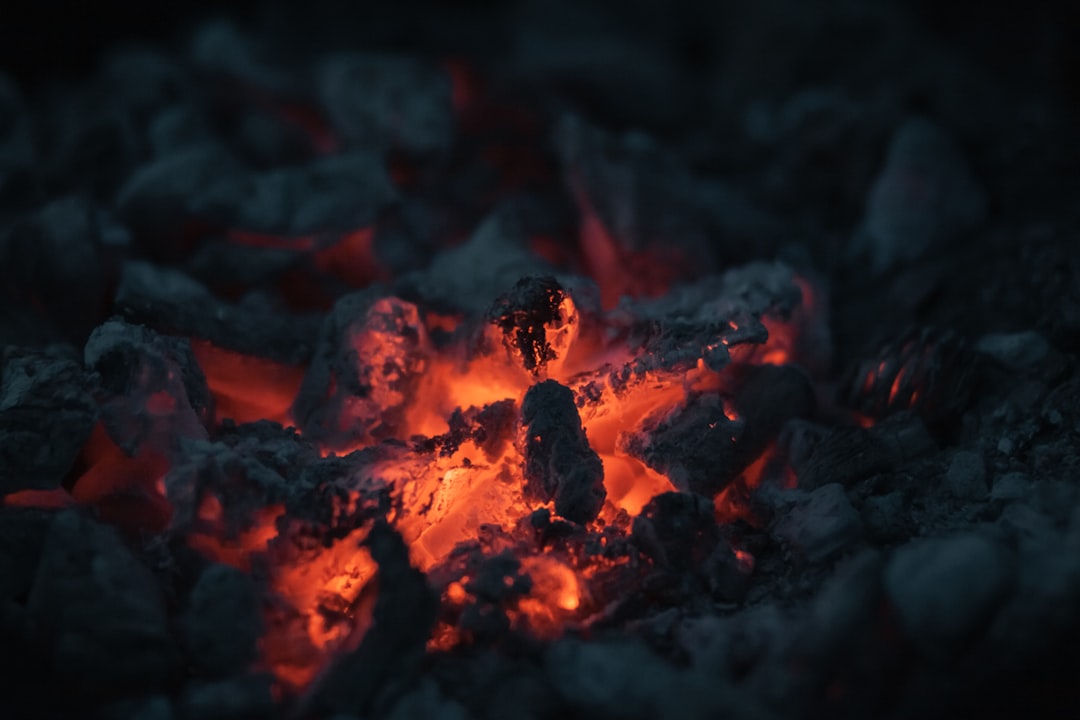
Light a chimney of pure hardwood lump next to a chimney of pillow-shaped briquettes and watch what each one does. The hardwood catches fast, throws a fierce living heat, and crackles with the sound of real wood burning. The briquettes light slower, settle into a flat, even glow, and hold it for a long, patient stretch. Neither is doing anything wrong. They are simply two different tools, and most of the arguments about hardwood charcoal vs briquettes come from people using the wrong one for the job.
We manufacture lump hardwood charcoal, so it would be easy to tell you briquettes are garbage. They are not. But there is a great deal of marketing noise in this category, and buyers, from backyard cooks to restaurant purchasers to importers building a private-label line, deserve the honest mechanical truth about what separates the two, where each wins, and what to actually look at on a spec sheet. Here it is, from the kiln floor.
What each one actually is
The confusion starts because both are sold as "charcoal," but they are made very differently.
Lump hardwood charcoal is exactly what it sounds like: pieces of real hardwood, carbonized in a kiln until the moisture and volatile compounds are driven off and what remains is almost pure carbon. Nothing is added. The finished lump still shows the grain of the wood it came from, and it lights, burns, and tastes like the tree it started as. Our full breakdown of grades and species lives on the hardwood charcoal page.
Briquettes are a manufactured, uniform product. Charcoal fines, the dust and small fragments left over from lump production, are ground up and pressed into identical shapes with a binder, and often other additives, holding them together. The best briquettes use natural binders and clean charcoal. The cheapest ones include coal, sawdust, borax, and accelerants, which is where briquettes earned their mixed reputation. The key point is that a briquette is engineered for consistency, while a lump is a piece of carbonized wood.
Hardwood charcoal vs briquettes: how they burn, side by side
This is where the real differences show up, and where the right choice for your kitchen becomes obvious.
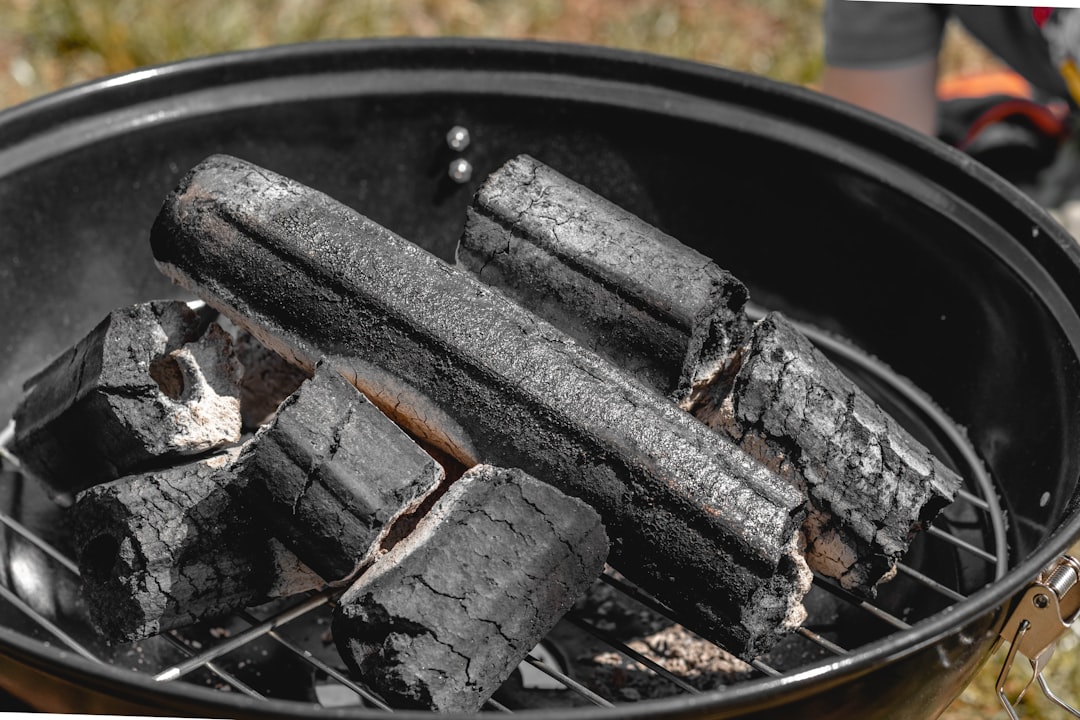
- Heat. Lump hardwood burns hotter, often well above 500°C at its peak, which is what you want for searing steaks, high-heat grilling, and getting a proper crust. Briquettes burn cooler and flatter, which is easier to manage for long, low cooks.
- Burn time. Briquettes win here. Their uniform density and shape make them burn slowly and predictably, ideal for a multi-hour low-and-slow session. Lump burns faster and less evenly, because every piece is a different size and density.
- Consistency. Briquettes are identical by design, so the fire behaves the same way every time. Lump is variable. A bag might hold big dense pieces and small light ones together, and the cook has to read the fire rather than trust a formula.
- Ash. Good lump hardwood leaves very little ash. Briquettes, especially cheaper ones with fillers, leave a heavy ash bed that can smother airflow late in a long cook.
- Lighting. Lump lights quickly and is ready in ten to fifteen minutes. Briquettes take longer to ash over and come up to temperature, though once there they are steady.
- Flavor. Pure hardwood lump adds a clean, woody character to food. Briquettes are more neutral at best; the cheap, additive-heavy ones can introduce off-flavors and chemical smells, which is the single most common complaint against them.
None of this makes one category "better." It makes them suited to different fires. A steakhouse searing over a live fire wants lump. A competition pitmaster holding 110°C for twelve hours often reaches for quality briquettes precisely because they are boring and predictable, and boring is exactly what a long brisket needs.
The additive question: the real reason to care
If there is one genuine reason the hardwood-versus-briquette debate matters beyond performance, it is what goes into the product.
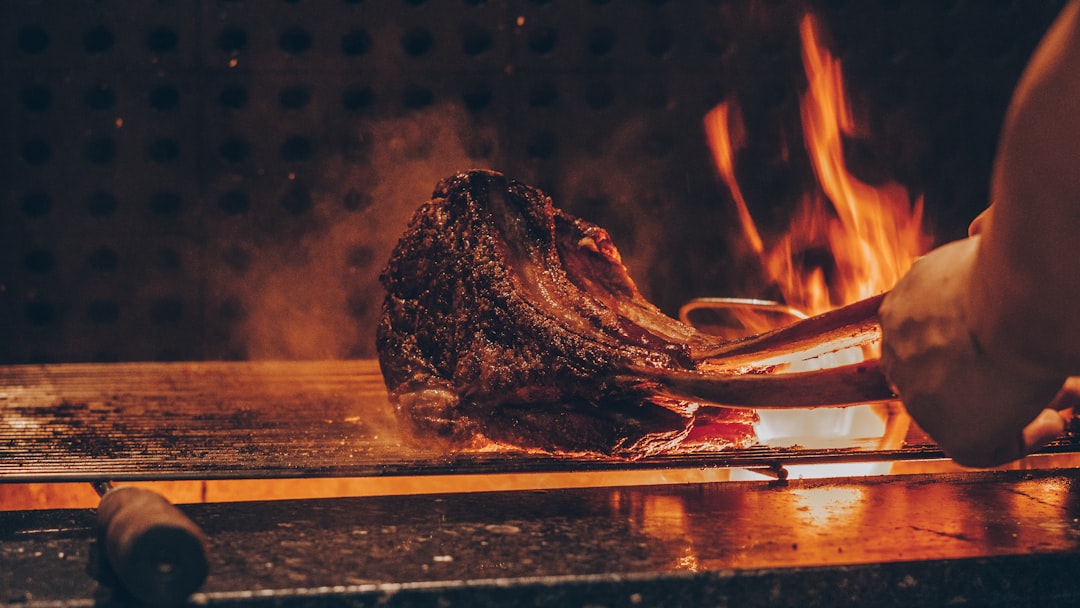
Pure lump hardwood charcoal has one ingredient: carbonized wood. There is nothing to hide and nothing to burn off. That is why serious kitchens, and anyone cooking delicate food like fish or yakitori, gravitate toward it. The fuel does not talk back to the food.
Briquettes vary enormously. A premium briquette made from pressed hardwood charcoal and a natural starch binder is a clean, capable fuel. A bargain-bin briquette can contain mineral coal, petroleum-based binders, sodium nitrate as an accelerant, and sawdust as filler. When those light, they release smoke and compounds you do not want near food, and they are the reason "charcoal taste" became a pejorative. If you buy briquettes, the ingredient list matters more than the price. If a bag will not tell you what is in it, that silence is the answer.
This is also where sourcing becomes a business decision rather than a shopping one. For an importer or a private-label buyer, "hardwood charcoal" on the bag has to mean hardwood charcoal in the bag, container after container. The moment a shipment arrives cut with filler or a different species, the restaurant or retailer who built their reputation on your product feels it first. Purity is not a marketing line; it is the thing that keeps the account.
Which one your kitchen should buy
Strip away the noise and the decision is straightforward once you know how you cook.
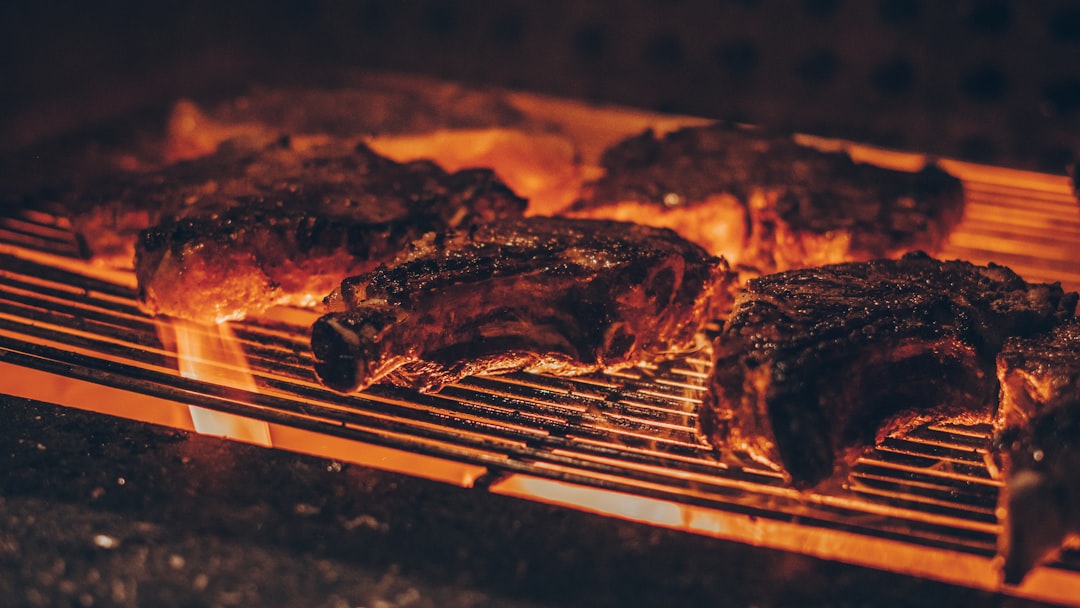
Buy lump hardwood charcoal if you want high heat, fast lighting, clean flavor, low ash, and a live-fire character: searing, grilling, yakitori, robata, restaurant work, and anyone who cares what the fuel does to the food. This is the professional default for a reason.
Buy quality briquettes if you want long, steady, predictable low-temperature burns and do not mind trading a little flavor and peak heat for consistency: long smokes, big cuts, and situations where holding a precise temperature for hours matters more than raw heat.
Avoid cheap additive briquettes for anything you care about. The savings are real and so are the off-flavors and the ash.
For most restaurants, hospitality kitchens, and premium retail, lump hardwood is the answer, which is why it is the core of what we make. But an honest supplier tells you when a briquette is the smarter buy, and a dishonest one sells you lump for a job briquettes would do better.
What to look for on the spec sheet
Whether you are filling a backyard grill or evaluating a container for import, the same handful of numbers and signals separate a good buy from a bad one.
For lump hardwood, ask about the wood species and its density, because denser hardwood means higher fixed carbon, a longer burn, and less ash. Ask about fixed-carbon percentage, because good lump runs high, often above 80 percent. Ask about moisture content, since damp charcoal lights poorly and burns unevenly. And look at piece-size consistency: a bag that is mostly usable pieces rather than dust and fines is a bag worth paying for.
For briquettes, the binder and any additives are the whole story. A clean briquette declares its ingredients: charcoal fines plus a natural binder, nothing else. Ash content should be reasonable, and the shape and size should be uniform. Vague packaging that lists no ingredients almost always means there is something the maker would rather you not know.
There is also a simple test you can run on any sample before you commit. Light a small amount and time it: good lump hardwood catches within a few minutes and reaches high heat fast, while additive briquettes often need a suspiciously eager flare to get going. Smell it as it lights. Clean charcoal smells of wood and nothing else, and any petrochemical or solvent note is a warning. Break a piece: real hardwood lump shows the grain of the tree and a hard, clean fracture, while a briquette should be dense and uniform with no grit or sand. Finally, check the ash at the end. Little, pale ash is the mark of pure, high-carbon fuel; a thick, heavy ash bed points to fillers. None of this needs equipment, and all of it tells you more than the label does.
In both cases, the same principle applies that runs through everything we make: consistency from one batch to the next is what actually matters. A brilliant sample followed by a mediocre container is worse than a merely good product you can rely on. When you evaluate a supplier, you are not buying one bag. You are buying every bag after it.
Cost and value: cheap by the bag is not cheap by the cook
Price comparisons between hardwood charcoal and briquettes almost always mislead, because they compare the wrong thing. A bag of briquettes usually looks cheaper on the shelf, and for a light user it often is. But the honest measure is cost per cook, not cost per bag, and that changes the maths.
Briquettes are dense and uniform, so a bag lasts a long time on low, steady cooks, which is good value for a pitmaster running long sessions. Lump hardwood burns hotter and faster, so you may use more of it per hour of high-heat grilling, but you also reach cooking temperature sooner and waste less time waiting. For a restaurant, the fuel cost is rarely the deciding number anyway; the labour, the consistency, and the effect on the food dominate. A slightly more expensive lump that lights faster, sears better, and never taints a plate is cheaper in every way that shows up on the P&L.
The trap is the bargain additive briquette. It is genuinely cheap by the bag, and genuinely expensive by the cook: in ash you have to clear, in heat you cannot control, and in the occasional plate sent back because the fuel left a chemical note on the food. Cheap fuel that costs you a customer is the most expensive fuel there is.
Sustainability, and what is really burning
There is a quiet environmental dimension to this choice that serious buyers increasingly ask about, and it deserves a straight answer.
Real hardwood charcoal is only as responsible as the forestry behind it. Charcoal made from illegally logged or clear-cut wood carries a heavy footprint no matter how clean it burns, which is why traceable, sustainably managed hardwood matters as much as the finished product's performance. It is a question worth putting to any supplier, and a good one will have an answer.
Briquettes complicate the picture. A briquette pressed purely from the charcoal fines left over from lump production is, in a sense, a recycling story, using material that would otherwise be waste. But many commodity briquettes blend in mineral coal or lignite, which is a fossil fuel, not a renewable one. So the greenest and the least green fuels in this whole category can both be sold as "briquettes." Once again, the ingredient list is the truth, and the bag that stays silent about it is telling you something.
The short version
Hardwood charcoal vs briquettes is not a fight one side wins. Lump hardwood burns hotter, lights faster, tastes cleaner, and leaves less ash, which makes it the professional choice for searing, grilling, and any kitchen that cares about flavor. Quality briquettes burn cooler, longer, and more predictably, which makes them the smart pick for long low-and-slow cooks, as long as you avoid the cheap, additive-loaded ones that gave briquettes their bad name. Match the fuel to the fire, read the ingredients, and buy on consistency rather than on price.
If you are sourcing lump hardwood charcoal for a kitchen or a brand and need the same clean, dense, high-carbon product in every container, that consistency is exactly what we fire the kilns for. See the species, grades, and export detail on our hardwood charcoal page, or talk directly to the people who make it.
Source it directly
Indonesian Hardwood Charcoal, factory direct.
Dense hardwood charcoal carbonized in traditional kilns from carefully selected Indonesian hardwood. Built for long, clean, stable burns, trusted by importers, distributors, and restaurants worldwide.