BBQ Charcoal
Serious BBQ needs charcoal that holds temperature through a long cook without flooding the food in smoke. Our hardwood BBQ charcoal is built exactly for that.
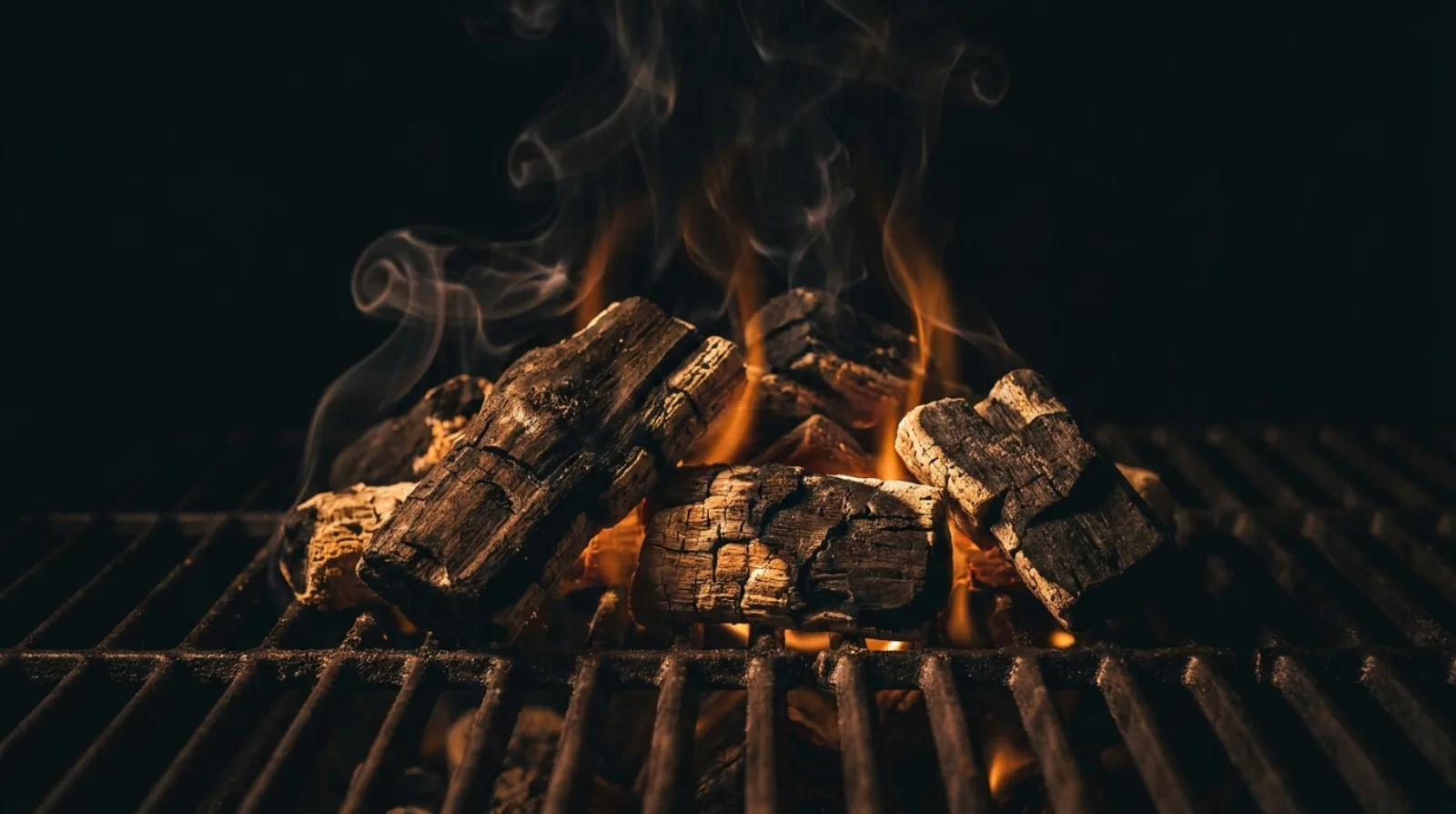
The right BBQ charcoal is the difference between a fire you fight and a fire that works for you. Get it right and the coals light fast, hold a steady searing heat, and leave your food tasting of clean smoke and fire, not chemicals. Get it wrong and you spend the afternoon chasing temperature, scraping ash, and wondering why the steak tastes faintly of lighter fluid. This is the honest guide to BBQ charcoal from a factory that makes it: what the types are, how to choose, how to get the most from it, and how to source it in volume for retail or a commercial grill.
What is BBQ charcoal?
"BBQ charcoal" is a catch-all for the fuel you burn in a grill or smoker, but it covers two very different products, and knowing which is which is the whole game.
The first is lump hardwood charcoal, real wood carbonized to pure carbon, with nothing added. It lights fast, burns hot, and tastes clean. The second is briquettes, charcoal dust and fines pressed into uniform pillows with a binder, and in cheaper versions, fillers like coal and sawdust. Both are sold as "BBQ charcoal," and both have their place, but they behave completely differently on the grill. Everything else on the shelf is a variation on these two. For the deeper detail on the raw material, see our hardwood charcoal page.
Lump vs briquettes for BBQ: which should you use?
This is the decision that matters most, and the honest answer is that it depends on how you cook.
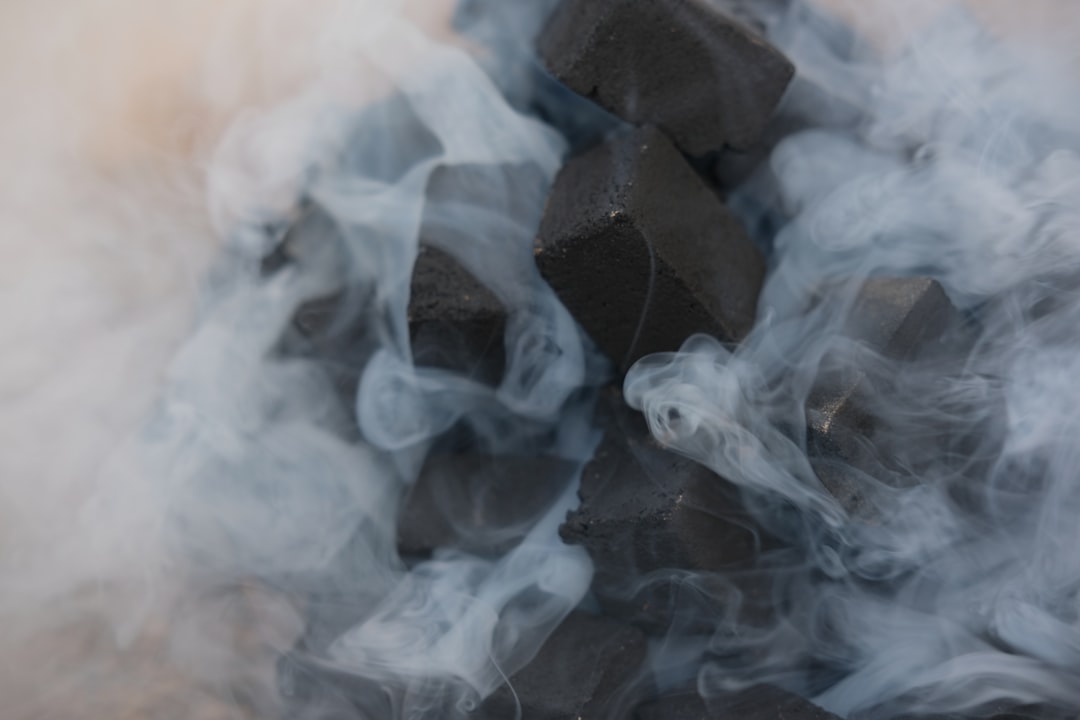
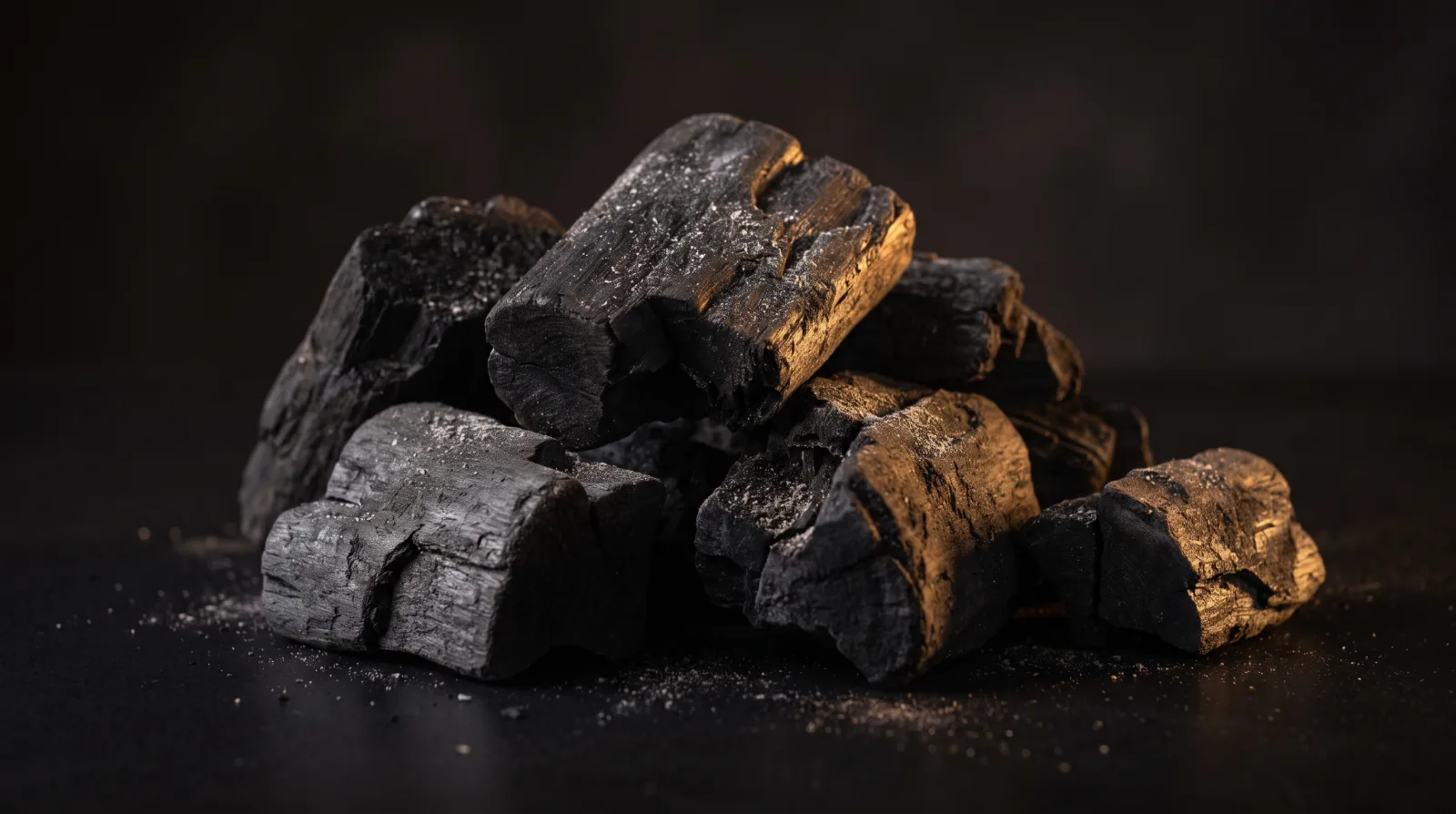
Lump charcoal lights quickly, burns hotter, often well above 500°C at its peak, and leaves very little ash. It gives food a clean, woody character and is the choice for searing steaks, high-heat grilling, and anyone who cares what the fuel does to the flavor. Its trade-off is that it burns less evenly and a little faster, because every piece is a different size. Our lump charcoal page covers it in full.
Briquettes burn cooler, slower, and more predictably. Their uniform shape makes them ideal for long, low-and-slow cooks: ribs, brisket, anything that needs a steady temperature held for hours. The catch is what goes into them: quality briquettes made from pressed hardwood and a natural binder are a clean fuel, but bargain briquettes loaded with coal and accelerants are the reason "charcoal taste" became an insult. We break down the full comparison in our journal piece on hardwood charcoal vs briquettes.
The short version for BBQ: lump for heat, speed, and flavor; quality briquettes for long, steady smokes. And whatever you buy, read what is in it.
The best charcoal for grilling: how to choose
When people ask for the best charcoal for grilling, they are usually asking for lump hardwood, because for most grilling the qualities that matter, high heat, fast lighting, clean flavor, and low ash, are exactly what lump delivers. But "best" still comes down to a few checkable things, whether you are filling a backyard kettle or stocking a shop.
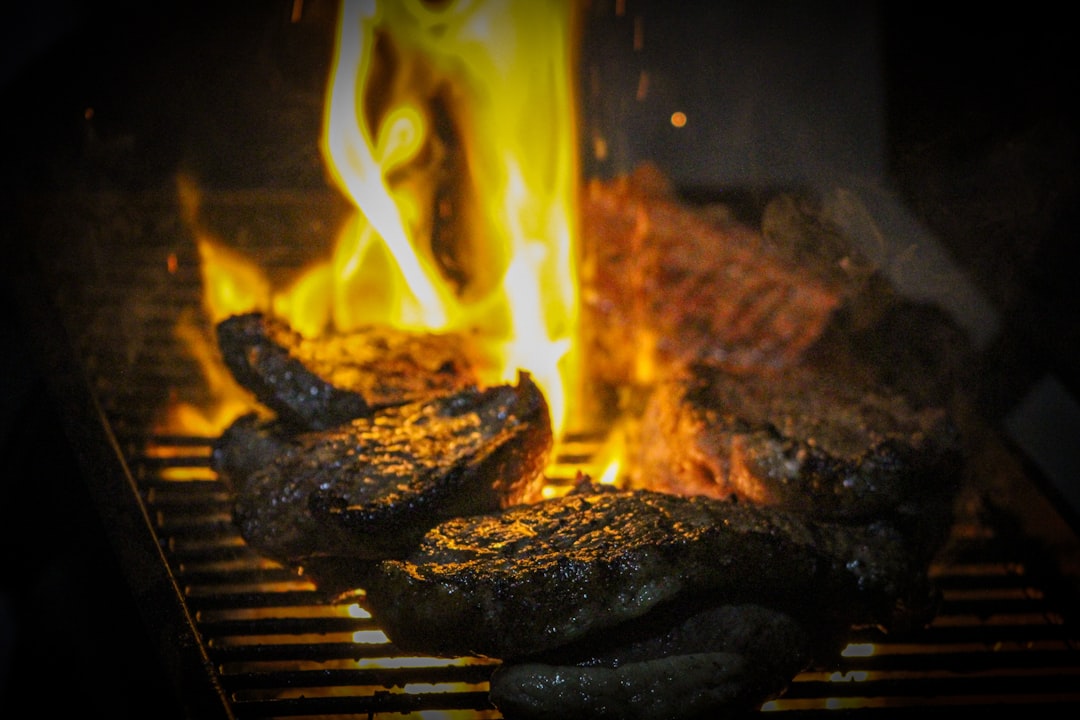
- It should be dense and heavy for its size. Density means high fixed carbon, a longer burn, and less ash. Light, crumbly charcoal burns out fast.
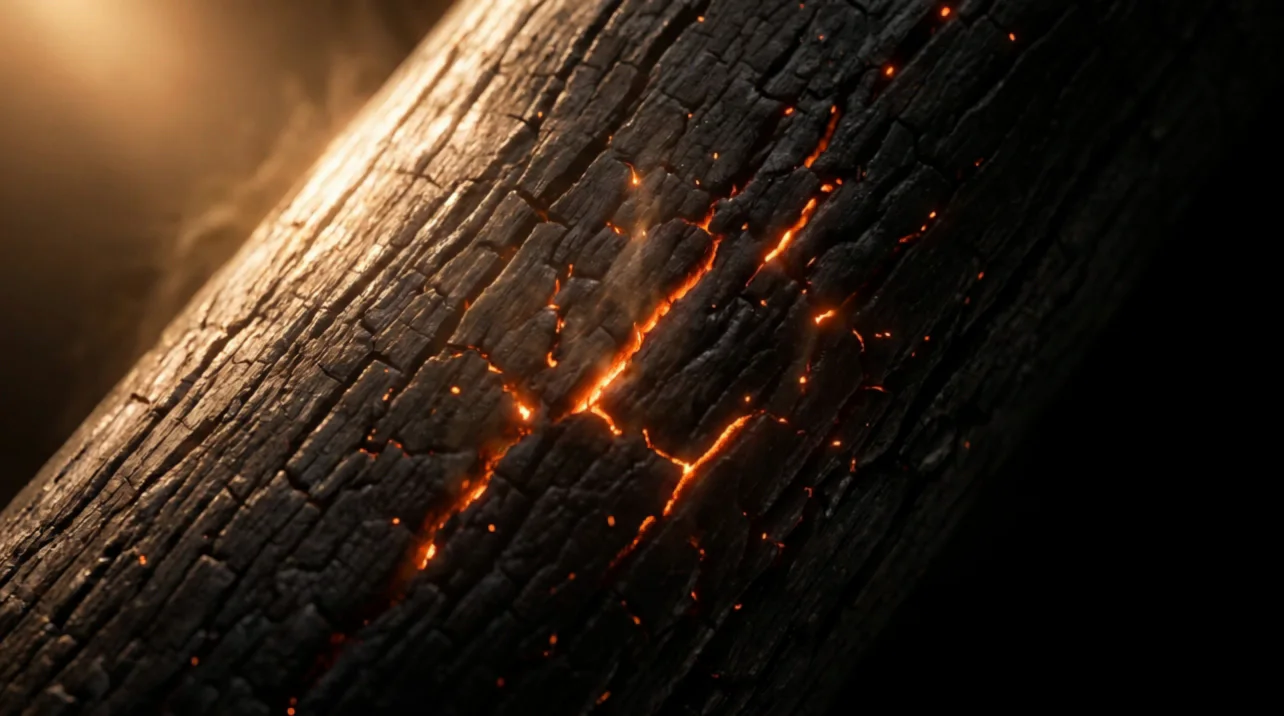
- It should light fast and cleanly. Good hardwood charcoal catches in a chimney within ten to fifteen minutes without fluid.
- It should leave little ash. A heavy ash bed chokes airflow and signals filler.
- It should be honest about its ingredients. Pure lump has one ingredient: wood. A bag that will not say what is inside is telling you something.
- The pieces should be usable. A bag of mostly good-sized pieces beats one full of dust and fines, which fall through the grate and smother the fire.
Run those checks and you will separate a genuine grilling charcoal from a cheap sack of additive briquettes every time.
Getting the most from your BBQ charcoal
Even great charcoal underperforms if you use it wrong, so a few habits make all the difference on the grill.
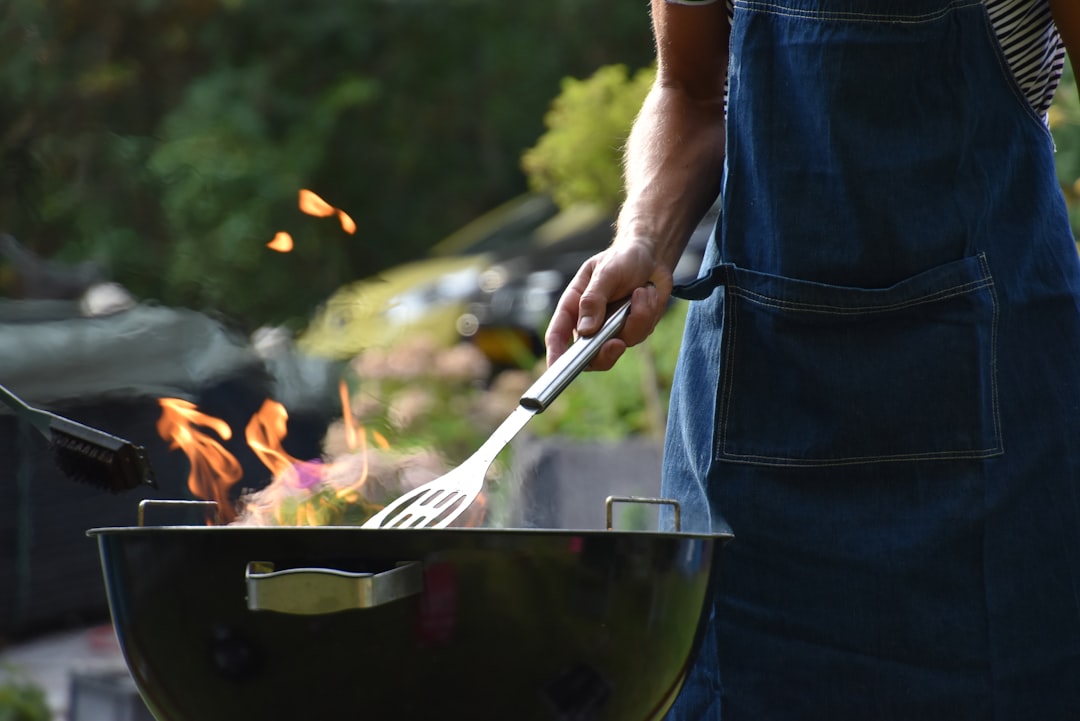
Light it in a chimney starter, not with lighter fluid. A chimney gets coals glowing evenly in minutes and avoids any petrochemical taste. Once the coals are ashed over and glowing, build a two-zone fire: a deep bed of coals on one side for high-heat searing and a thinner layer on the other for gentler cooking, so you can move food between zones instead of fighting one uniform heat. Control the temperature with the vents and with coal spacing rather than by piling on more fuel. And because good lump relights, you can smother unburned pieces after a cook and use them again next time, which quietly lowers your real cost per grill.
Manage the ash, too. Lump makes little of it, but clearing what accumulates keeps air moving through the coals and the heat even through a long cook. None of this is complicated, and all of it comes easier with charcoal that was good to begin with.
BBQ charcoal for restaurants and commercial grills
Beyond the backyard, BBQ charcoal is a serious commercial input. Steakhouses, grill houses, yakitori and robata counters, and event caterers all run on charcoal, and at that scale the priorities shift. Consistency becomes everything: a commercial kitchen builds its cooking around a fuel that behaves the same way every service, and a container that arrives softer, ashier, or shorter-burning than the last is a real problem, not a minor annoyance. Our restaurant charcoal page covers professional supply, and for the premium end, dense hardwood fired hotter becomes binchotan white charcoal.
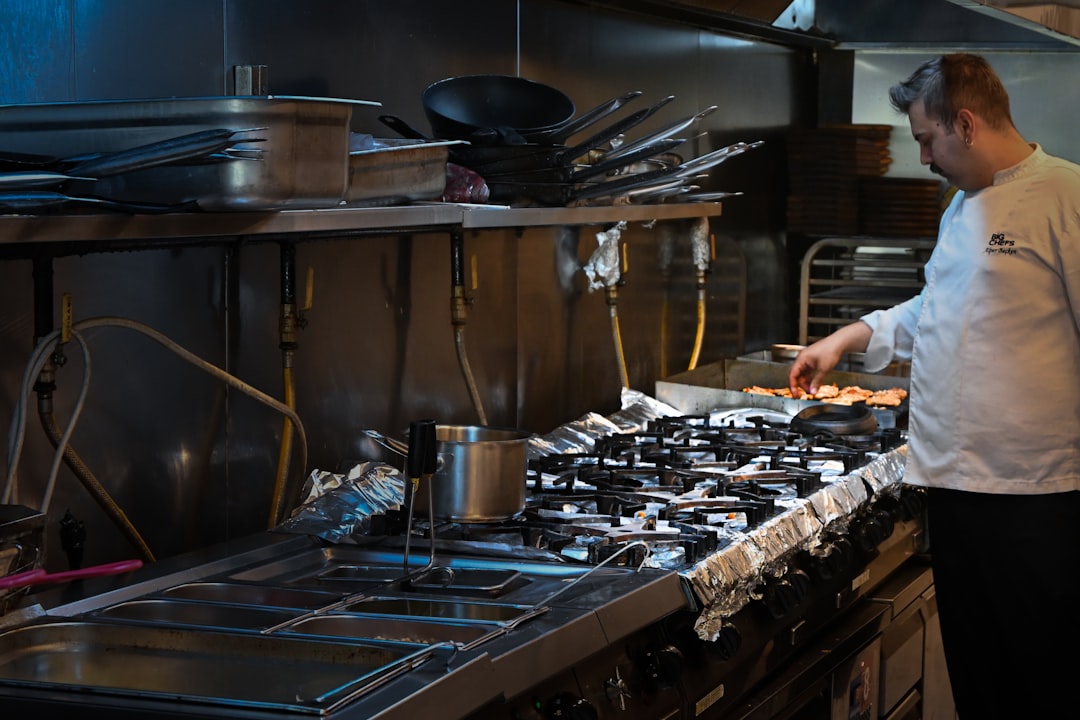
For retailers and brands, BBQ charcoal is a seasonal, high-volume category where quality and packaging both sell. A clean, dense lump in honest packaging earns repeat customers; a dusty, additive-heavy bag earns a return. That is where sourcing from a real factory, rather than a trader reselling whatever is cheapest, starts to matter.
How to buy BBQ charcoal in volume
Sourcing BBQ charcoal wholesale, whether for a shop, a distributor, or a private-label line, comes down to three checks: is it what it claims to be, is it consistent, and can the supplier prove it. Ask whether it is genuine hardwood lump or briquettes, and if briquettes, what the binder and fillers are. Ask for fixed-carbon, moisture, and ash figures. Ask for a sample and run the tests above. And ask how it is graded and packed, because charcoal that arrives as dust has lost its value before it reaches the customer.
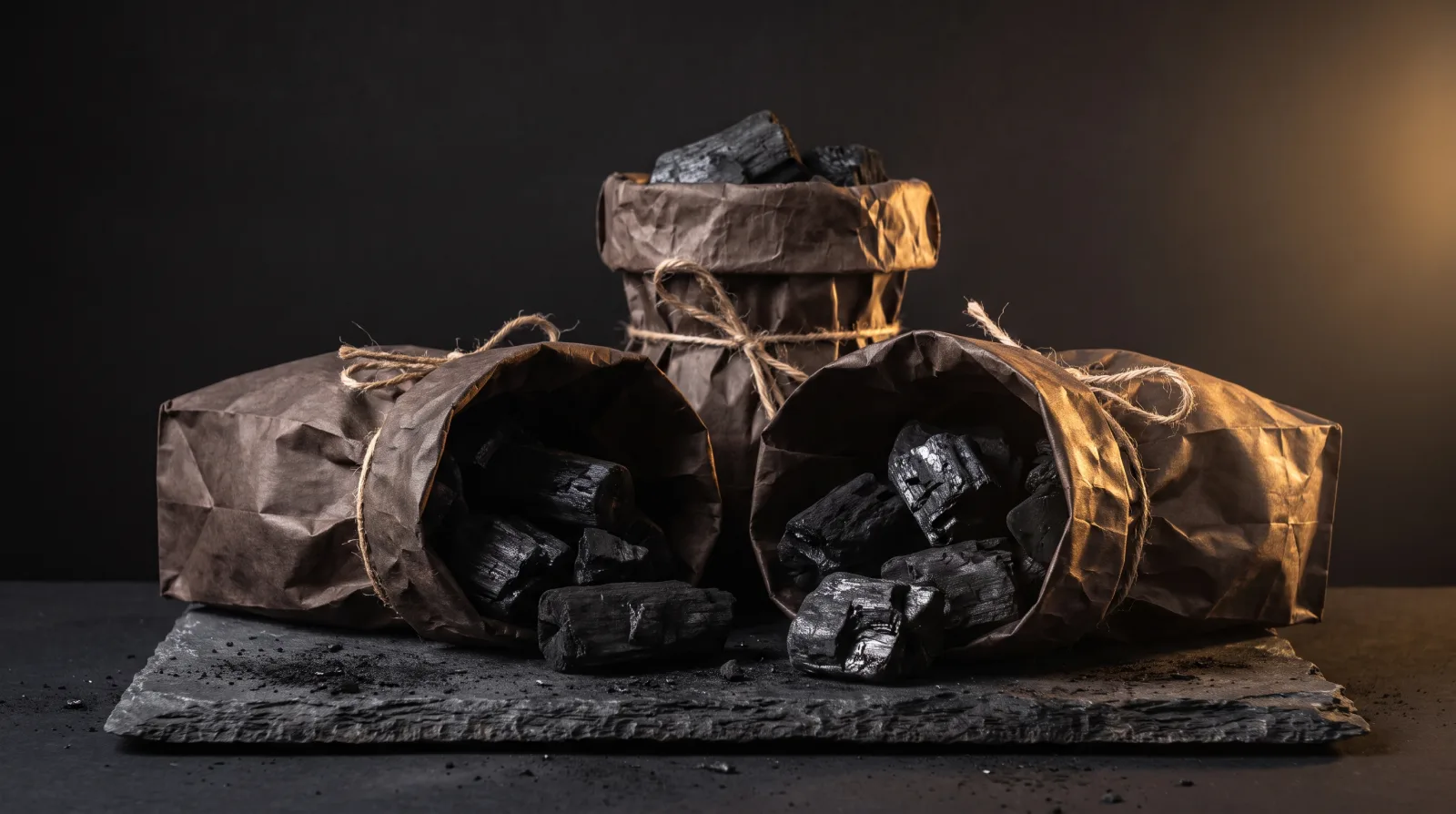
We manufacture hardwood BBQ charcoal in Indonesia and ship it factory-direct worldwide, in bulk export cartons or retail-ready and private-label packaging. Pilot container volumes are available before you commit to scale, and OEM and private label programs run to your specification, with export documentation and logistics handled end to end.
Does the wood behind BBQ charcoal affect flavor?
One of the quiet advantages of real hardwood charcoal over briquettes is what it does to the taste of food, and what it does not do. Pure hardwood lump adds a clean, subtly woody character to grilled food and, crucially, adds nothing else. There is no binder burning off, no coal, no accelerant, so the flavor on the plate is fire and food, nothing more.
The species of hardwood does carry faint differences in burn temperature and aroma, but for most grilling the far bigger flavor variable is purity. The reason additive briquettes get a bad reputation is that the coal, sawdust, and chemical binders in the cheapest ones release compounds as they light that settle onto the food. That is the acrid, chemical note people wrongly assume is just "how charcoal tastes." It is not. It is how cheap charcoal tastes. Switch a skeptical cook from an additive briquette to clean hardwood lump lit in a chimney, and the difference on the first bite is usually all the convincing they need. For delicate foods especially, meaning fish, vegetables, and poultry, the clean fire of hardwood charcoal is not a luxury, it is the point.
Storing BBQ charcoal
BBQ charcoal keeps almost indefinitely when it stays dry, which makes it easy to buy ahead of a season, but it is porous and absorbs moisture readily, and damp charcoal lights poorly and burns unevenly. Store it somewhere dry and off the floor, and keep it sealed in its bag or a covered container once opened. Dust and small fines settle to the bottom of any bag over time; those still burn, but they are best used to help start a fire rather than as the main bed, since they fall through the grate and choke airflow.
For retailers and high-volume buyers, packaging is part of the product. Charcoal that arrives crushed into fines, or that sits damp in poor packaging, has lost much of its value before it ever reaches a grill. This is one more reason to look past the price per tonne to how a supplier grades, packs, and loads. A factory that respects the product at the packing stage is one whose charcoal actually performs when the customer lights it.
Common questions about BBQ charcoal
What is the best charcoal for BBQ? For most grilling, lump hardwood charcoal. It lights fast, burns hot, tastes clean, and leaves little ash. For long low-and-slow smokes, quality briquettes hold a steadier low temperature.
Is lump or briquette better for grilling? Lump for high-heat grilling and searing; briquettes for long, steady, low-temperature cooks. They are different tools.
Why does my BBQ charcoal taste like chemicals? Almost always because of additive briquettes or lighter fluid. Pure hardwood lump lit in a chimney has no chemical taste.
How long does BBQ charcoal burn? Lump burns hot and somewhat faster; quality briquettes burn longer and steadier. Denser, higher-carbon charcoal of either type lasts longer, and a well-built two-zone fire stretches a single load across a whole session.
Is more expensive BBQ charcoal worth it? Usually, if the price buys real density and purity rather than branding. Dense hardwood lump costs more to make and delivers more heat, cleaner flavor, and less ash, but a premium price on an additive-heavy briquette buys you nothing.
Do you supply BBQ charcoal wholesale and for export? Yes. We ship factory-direct container volumes worldwide, in bulk or retail and private-label packaging, with full specification documentation and pilot volumes before you scale.
Should I use lighter fluid on BBQ charcoal? No. Lighter fluid leaves a chemical taste and is unnecessary. A chimney starter lights good hardwood charcoal cleanly in ten to fifteen minutes with nothing but a sheet of paper.
Can I reuse BBQ charcoal? Yes, if it is real lump. Smother the unburned pieces by cutting off their air after a cook, and relight them next time, which lowers your real cost per grill. Additive briquettes reuse poorly.
The bottom line
BBQ charcoal is really two products wearing one name: pure hardwood lump that lights fast, burns hot, and tastes clean, and briquettes that burn slow and steady but vary wildly in what they contain. For most grilling, lump is the best charcoal you can buy; for long smokes, quality briquettes earn their place; and cheap additive briquettes are the false economy that gives charcoal a bad name. Choose by how you cook, read the ingredients, and buy on density and consistency rather than on price.
If you are sourcing BBQ charcoal for a shop, a brand, or a commercial kitchen and need a clean, dense, consistent product in every container, that consistency is exactly what we fire the kilns for. We select the wood, control the burn, grade by size, and document every shipment, so the charcoal your customers light performs the same way every single time. Request a quote and our export team will follow up within one business day with grades, specifications, sizing, packaging options, and pricing tailored to your market and volume.

Source bbq charcoal directly from the factory.