Indonesian Hardwood Charcoal
Dense hardwood charcoal carbonized in traditional kilns from carefully selected Indonesian hardwood. Built for long, clean, stable burns, trusted by importers, distributors, and restaurants worldwide.
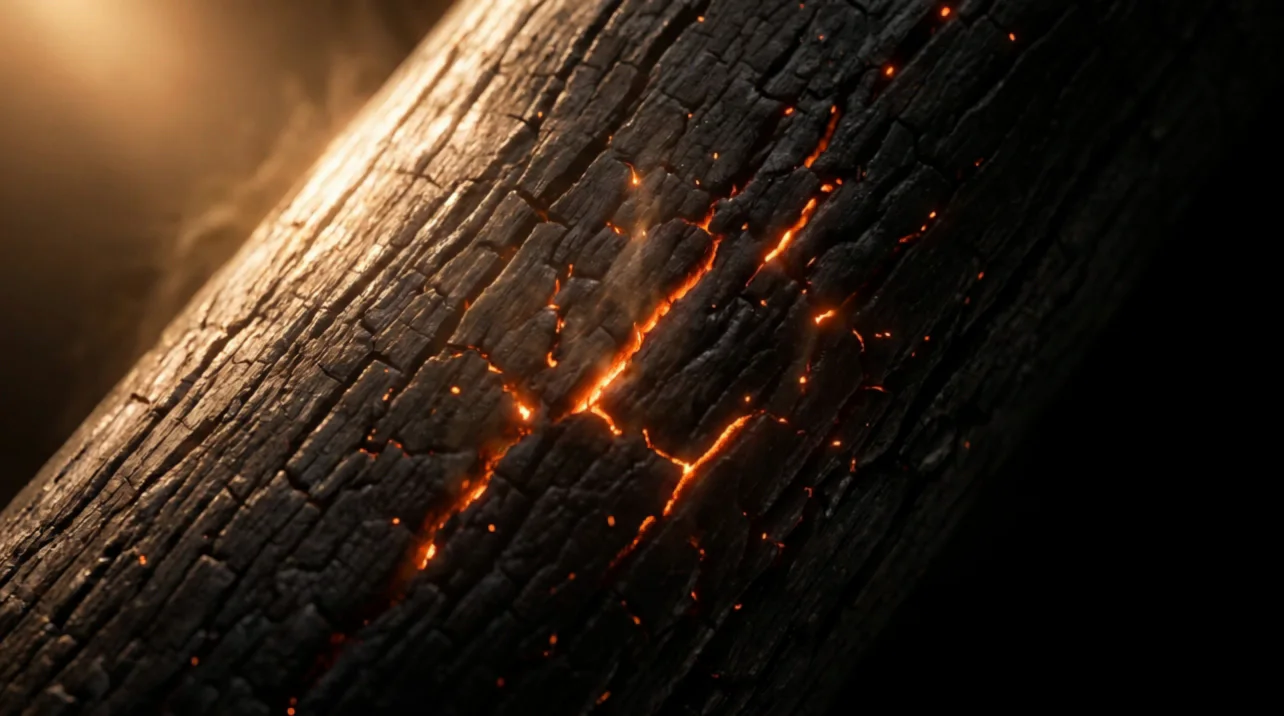
Hardwood charcoal is the foundation of every serious fire. It is real wood, dense and mature hardwood, carbonized in a kiln until the moisture and volatile compounds burn off and what remains is almost pure carbon that lights fast, burns hot, and leaves little ash. Everything else in the charcoal world, from lump to briquettes to binchotan, is a variation on this one idea. This page is the complete guide to hardwood charcoal: what it is, why the wood matters so much, how it is made, and how to source it in volume from the factory that fires the kilns.
What is hardwood charcoal?
Hardwood charcoal is charcoal made from the wood of hardwood (broadleaf) trees, as opposed to softwood conifers. The wood is heated in a low-oxygen kiln, a process called carbonization or pyrolysis, which drives off water and gases and leaves behind a carbon-rich solid that burns cleanly and hot.
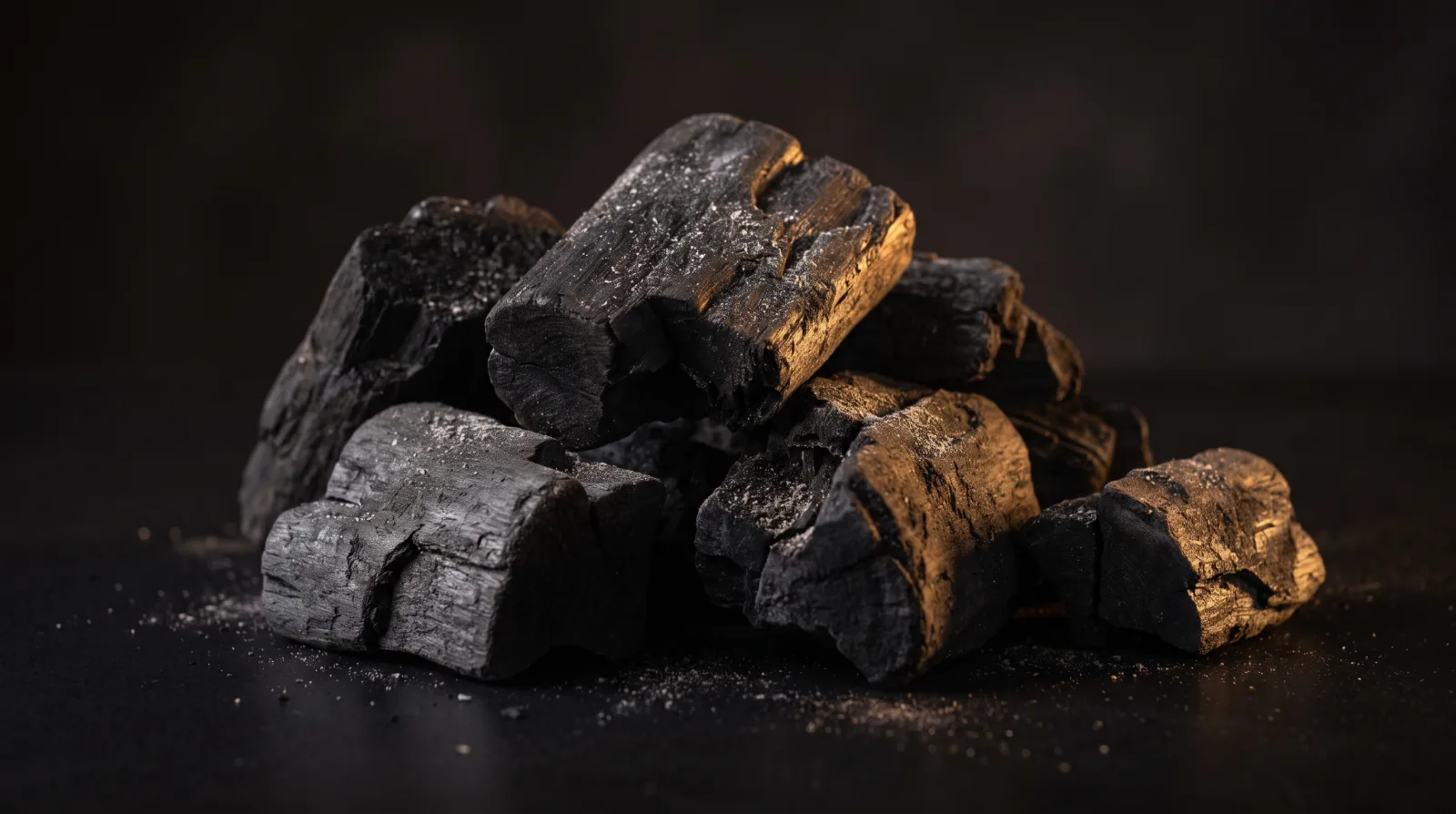
The reason "hardwood" appears on the label is that the type of wood changes everything about the finished product. Denser wood makes denser charcoal, and density is the single biggest driver of quality: it decides how much fixed carbon the charcoal holds, how long it burns, and how much ash it leaves. Good hardwood charcoal is dense, hard, rings faintly when pieces are struck, and shows the grain of the original wood when broken.
Why hardwood, not softwood
This is the distinction that matters most, and it is not marketing. Hardwoods such as oak, tropical hardwoods, and other dense broadleaf species are far denser than softwoods like pine or fir. That density carries straight through carbonization into the charcoal.
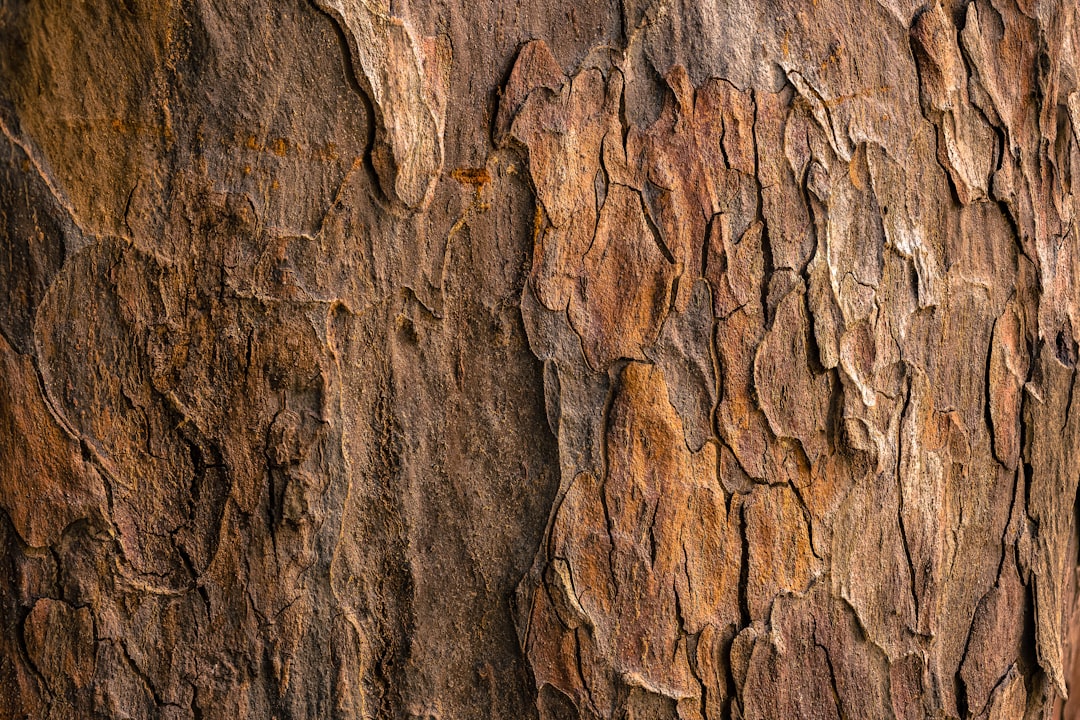
Dense hardwood charcoal burns hotter, longer, and cleaner, with less ash and fewer sparks. Softwood charcoal, by contrast, is light and low in fixed carbon; it lights easily but burns out fast, sparks and pops from resin, and leaves more ash. For anything beyond a quick campfire, whether restaurant grilling, export, or retail, hardwood is the only serious choice.
Within the hardwood family, density still varies, and so does the charcoal. Tropical hardwoods are among the densest in the world, which is part of why Indonesian hardwood charcoal performs the way it does: more fixed carbon packed into every piece, a longer burn, and less ash left in the grate. Maturity matters too: older, slow-grown wood carbonizes into harder, denser charcoal than young, fast-grown timber. This is why selection cannot be skipped or rushed. We select dense, mature tropical hardwood log by log for exactly this reason, because the burn a customer feels months later is decided at that first cut, long before the kiln is ever lit.
Hardwood charcoal, lump charcoal, wood charcoal: the terms explained
Buyers often meet several names for what is largely the same thing, so here is the plain version. Wood charcoal is any charcoal made from wood. Hardwood charcoal is wood charcoal made specifically from dense hardwood. Lump charcoal is hardwood charcoal that has kept its natural, irregular lump shape rather than being ground and pressed into briquettes. So a bag of quality lump is hardwood charcoal is wood charcoal. The words describe the same honest, single-ingredient product from different angles. For the lump-specific detail, see our lump charcoal page.
What sits outside this family is briquettes: charcoal dust and fines pressed into uniform shapes with binders, and sometimes fillers like coal or sawdust. That is a different, manufactured product, and we compare the two in full in our journal piece on hardwood charcoal vs briquettes.
How hardwood charcoal is made
Making good hardwood charcoal is slow, and the slowness is the point. It begins with selection: only dense, mature hardwood carbonizes into high-carbon charcoal, so the wood is chosen before anything else happens. Softer or greener wood collapses and yields poor, ashy charcoal.
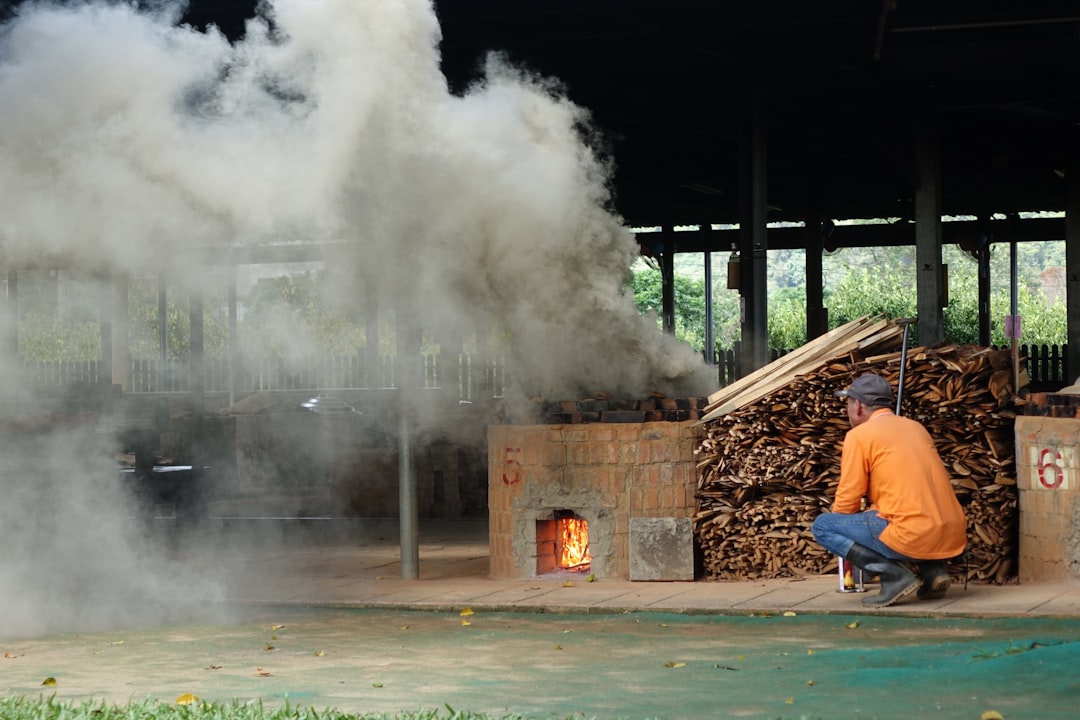
The selected wood is then carbonized in a kiln, with the temperature raised in a careful curve. Traditional kilns are tended by hand, and an experienced kiln master reads the colour of the smoke hour by hour to steer the burn, because pale smoke and dark smoke each mean something. Over days, the wood gives up its water and volatile gases, and its structure condenses into carbon. What comes out is graded, sorted by size, and packed. The result lights cleanly, holds steady heat, and produces minimal smoke, batch after batch. Our manufacturing process page walks through each stage.
Grades, specifications, and formats
Hardwood charcoal is a specification product for anyone buying at volume, and serious buyers evaluate it on numbers rather than on the bag. The specifications that matter are fixed-carbon content (good hardwood charcoal runs high, often above 80 percent), moisture content (low, because damp charcoal lights poorly and burns unevenly), ash content (low), and piece-size distribution.
We supply hardwood charcoal in lump, sized, and cut formats to suit different uses, with moisture, fixed carbon, and ash documented per shipment so a buyer knows the numbers before the container arrives. Packaging ranges from bulk export cartons to private-label retail bags, and everything is loaded factory-direct into containers so nothing is lost between the kiln and your port.
Where hardwood charcoal is used
Hardwood charcoal is the workhorse fuel of live-fire cooking and more. In restaurants, it is the base fuel for grills, robata, and open-fire kitchens that want clean, hot, controllable heat, and our restaurant charcoal page covers professional supply. In the retail and BBQ charcoal market, it is what discerning grillers reach for over additive briquettes. Fired hotter and quenched hard, dense hardwood becomes binchotan white charcoal, the premium end of the category. And beyond cooking, hardwood charcoal feeds industrial, metallurgical, and activated-carbon uses that depend on high fixed carbon.
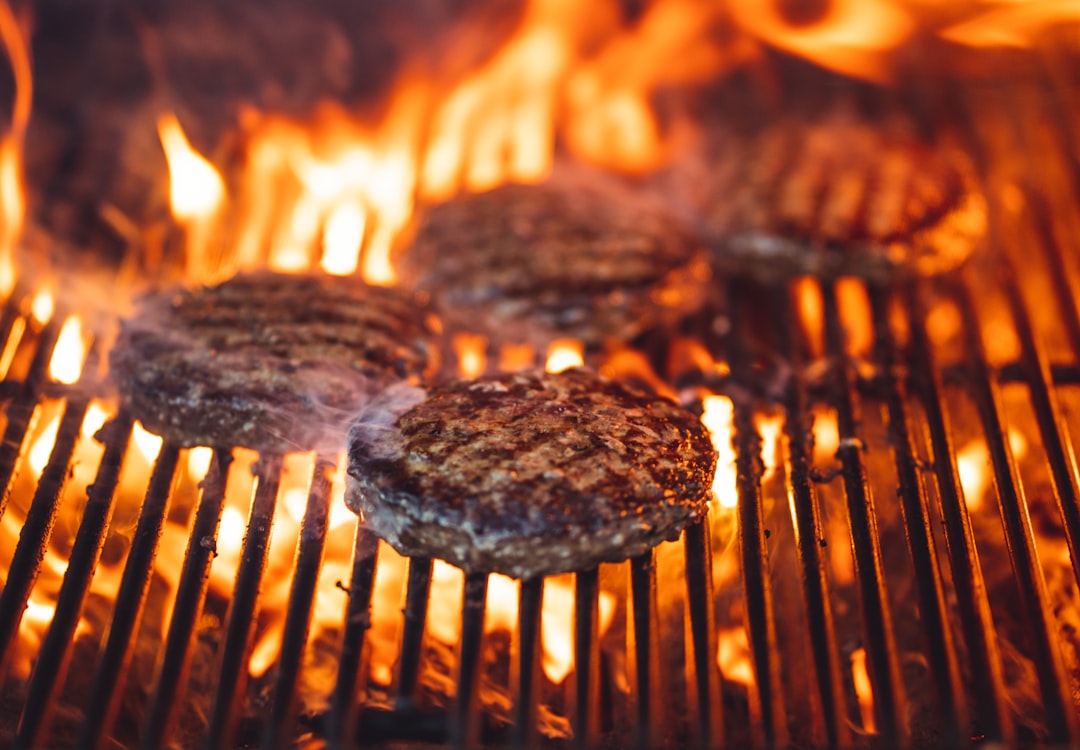
What unites these buyers is that they are not really buying charcoal. They are buying the confidence that the next container will burn exactly like the last one.
How to buy hardwood charcoal in volume
Sourcing hardwood charcoal wholesale comes down to three questions: is it genuinely dense hardwood, is it consistent, and can the supplier prove it. Ask for the wood species and its density. Ask for fixed-carbon, moisture, and ash figures, and expect them documented per shipment. Ask for a sample and check it. Good hardwood charcoal is heavy for its size, breaks with a clean fracture showing grain, lights fast, and leaves little ash. And ask how it is graded and packed, because a producer who sorts and documents carefully is one who understands the buyer at the other end of the container.
We manufacture hardwood charcoal in Indonesia and ship it factory-direct worldwide, in bulk cartons or private-label retail packaging. Pilot container volumes are available before you commit to scale, and OEM and private label programs run to your specification, with export documentation and logistics handled end to end.
Storing hardwood charcoal
Hardwood charcoal keeps almost indefinitely when it stays dry, but it is porous and readily absorbs moisture, and damp charcoal lights poorly and burns unevenly. Store it somewhere dry and off the floor, and keep it in sealed packaging or a covered container once opened. For high-volume buyers, packaging and handling in transit matter as much as the charcoal itself. A container that arrives with the product crushed into dust and fines has lost much of its value before it reaches the grill, so how a supplier packs and loads is part of what you are buying.
Sustainability and responsible sourcing
There is a real environmental dimension to hardwood charcoal, and serious buyers increasingly ask about it. Charcoal is only as responsible as the forestry behind it: charcoal made from illegally logged or clear-cut wood carries a heavy footprint no matter how cleanly it burns. Traceable, sustainably managed hardwood matters as much as the finished product's performance, and it is a fair question to put to any supplier.
It is also a point of genuine difference from many briquettes, which blend in mineral coal or lignite, fossil fuels rather than renewable wood. Real hardwood charcoal made from responsibly sourced, fast-regenerating tropical hardwood is, done right, a renewable fuel. For buyers whose own customers care about provenance, and more do every year, being able to answer the sourcing question is becoming part of the product, not a nice-to-have. It is worth asking a supplier where their wood comes from and getting a straight answer.
What separates a good hardwood charcoal supplier
Once you have decided on hardwood charcoal, the harder question is who to buy it from, and the answer is rarely about the lowest price per tonne. The suppliers worth building a business on share a few traits. They select and grade their wood rather than carbonizing whatever is cheapest. They document specifications for fixed carbon, moisture, and ash, and stand behind them container after container. They sort by size and pack for the journey, because charcoal that arrives as dust has lost its value. And they communicate directly, so when a question comes up you are talking to the people who actually fire the kilns, not a trading desk reselling someone else's product.
The reason this matters is simple: a brilliant first sample followed by an inconsistent container is worse than a merely good product you can rely on. A restaurant or retailer that standardises on your charcoal is building their fire, and their reputation, around it. The day a shipment arrives softer, ashier, or shorter-burning than the last, the complaint does not come as feedback; it comes as a lost account. Consistency is not a feature of good hardwood charcoal. It is the whole product.
Common questions about hardwood charcoal
Is hardwood charcoal better than briquettes? For heat, speed, low ash, and clean flavor, yes. Briquettes have a case for long, steady, low-temperature cooks, but hardwood charcoal is purer and hotter. They are different tools.
What is the difference between hardwood charcoal and lump charcoal? Very little. Lump charcoal is simply hardwood charcoal that keeps its natural lump shape. Quality lump is hardwood charcoal.
Which hardwood is best for charcoal? Dense, mature hardwood. Density delivers the high fixed carbon, long burn, and low ash that define good charcoal; the exact species matters less than the density.
Is hardwood charcoal sustainable? It can be, when it is made from responsibly sourced, fast-regenerating hardwood, unlike briquettes that blend in mineral coal. Ask any supplier where their wood comes from, and expect a clear answer.
Does hardwood charcoal have additives? Real hardwood charcoal has none. It is only carbonized wood. That purity is its main advantage over cheap briquettes.
Do you supply hardwood charcoal wholesale and for export? Yes. We ship factory-direct container volumes worldwide, in bulk or private-label packaging, with full specification documentation and pilot volumes available before you scale.
The bottom line
Hardwood charcoal is real, dense wood carbonized to almost pure carbon, with nothing added. It lights fast, burns hot and clean, leaves little ash, and is the foundation of every quality fire, from a backyard grill to a yakitori counter to a container bound for an importer's warehouse. The whole game is density and consistency: dense hardwood delivers high carbon and a long burn, and consistency from one container to the next is what keeps a buyer coming back. Get those two things right and the rest follows on its own: the flavor, the low ash, the clean fire.
If you are sourcing hardwood charcoal for a kitchen, a retail brand, or an import program and need the same clean, dense, high-carbon product in every shipment, that consistency is exactly what we fire the kilns for. Request a quote and our export team will follow up within one business day with grades, specifications, sizing options, packaging choices, and pricing tailored to your market and volume.
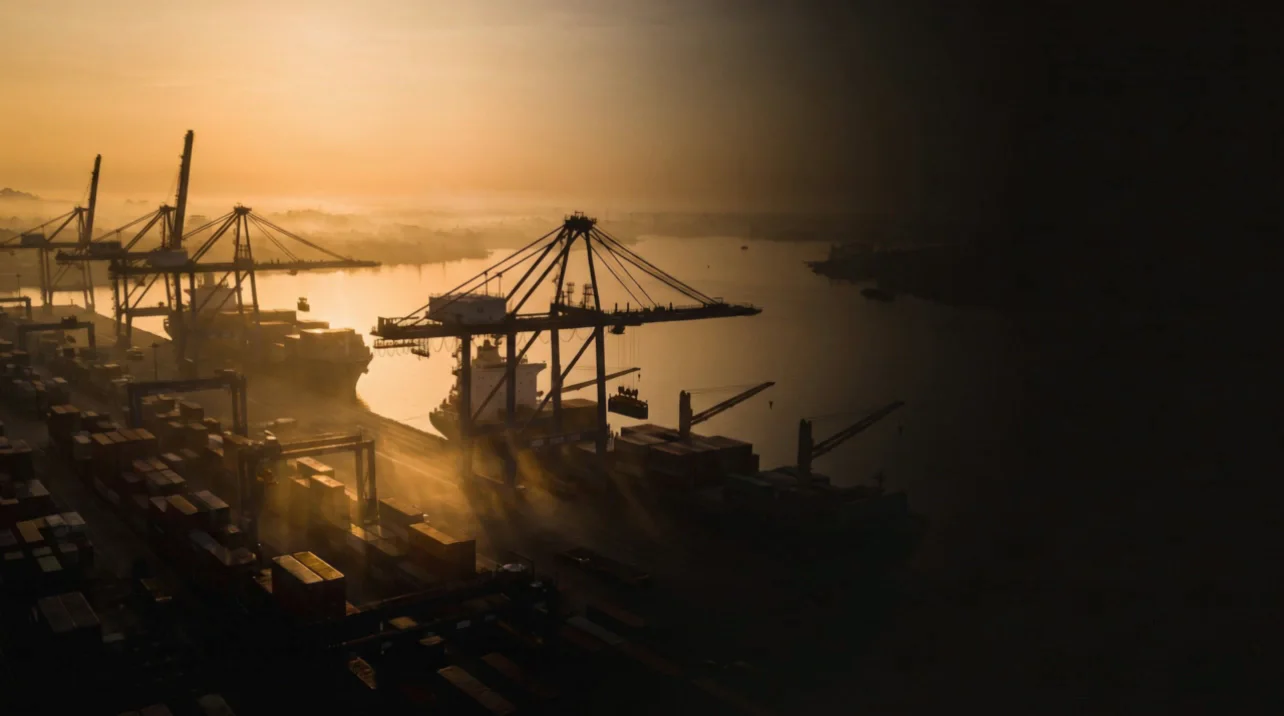
Source hardwood charcoal directly from the factory.