Charcoal Quality Control: What We Test First

Before a single bag of charcoal leaves our yard, it has already been through a set of checks that most buyers never see. That is the part of the trade we want to explain here. Charcoal quality control is not a certificate we print at the end. It is a habit that starts at the wood pile and runs through every kiln cycle, every cooling stack, and every sack we tie off. When you buy from a factory instead of a broker, this is what you are actually paying for: a person who fires the kilns deciding, batch by batch, whether the charcoal is good enough to carry our name to your port.
We get asked a lot of questions by importers, distributors, and restaurant buyers. Most of them come down to one thing. How do you know it is good before I do? The honest answer is that we test first, we test often, and we throw away what fails. This article walks through what we check, in the order we check it, and why each test matters to the person who ends up lighting the charcoal.
Why We Test Before Anything Else
Charcoal is deceptive. Two sacks can look identical, same colour, same size lumps, same weight in the hand, and burn completely differently. One holds a steady heat for three hours. The other throws sparks, dies early, and coats the grill in ash. The difference is inside the piece, in the wood it came from and how it was carbonised. You cannot see it. You have to test for it.
That is the whole reason we put testing at the front of the process instead of the back. If we waited until the charcoal was bagged and palletised to find a problem, we would already have spent the labour, the packaging, and the kiln time on a bad batch. Catching it early is cheaper for us and safer for you. A failed batch that never ships is a loss we absorb quietly. A failed batch that reaches your customers is a loss you wear in public.
There is also the matter of consistency across a long relationship. A buyer who reorders every month is not buying one good batch. They are buying the promise that batch number twelve burns like batch number one. The only way we can make that promise is to measure the same things every time and hold every batch to the same line. That is what charcoal quality control gives us: a fixed reference so the wood, the season, and the kiln operator do not quietly drift the product away from what you approved.
What We Actually Look For
Good charcoal comes down to a handful of properties. We do not chase exotic numbers. We measure the few things that decide how the charcoal behaves in a grill, a robata, or a yakitori setup, and we keep records so we can prove it later.
The first is moisture. Charcoal draws water out of the air, so even a well carbonised piece can arrive damp if it was stored badly. Wet charcoal is heavy, which means a buyer pays freight on water instead of fuel. It is also hard to light and it spits when it finally catches. We want moisture low and stable.
The second is ash. Ash is what is left when the burnable part is gone. Low ash means more of the piece is fuel and less of it is dead weight that smothers the fire and clogs the grill. High ash is usually a sign of bark, dirt, or the wrong species going into the kiln.
The third is fixed carbon. This is the heart of it. Fixed carbon is the pure carbon that actually burns hot and long. It is the single number that separates a premium export grade from ordinary market charcoal. Our hardwood grades and our binchotan sit at very different points here, and both have to hit the level we promised for that grade.
The fourth is volatile matter. This is the light, gassy fraction left behind when carbonisation is cut short. Too much of it and the charcoal smokes, flares, and gives off smell that no restaurant wants near food. A properly finished piece has burned most of this off inside the kiln.
The fifth is the physical stuff: size, density, and how much breaks into dust in transit. A beautiful lump that arrives as a bag of fines is worth very little to a grill cook.
Charcoal Quality Control, Step by Step
Here is the order we run things, from the kiln to the pallet.
The break and the look
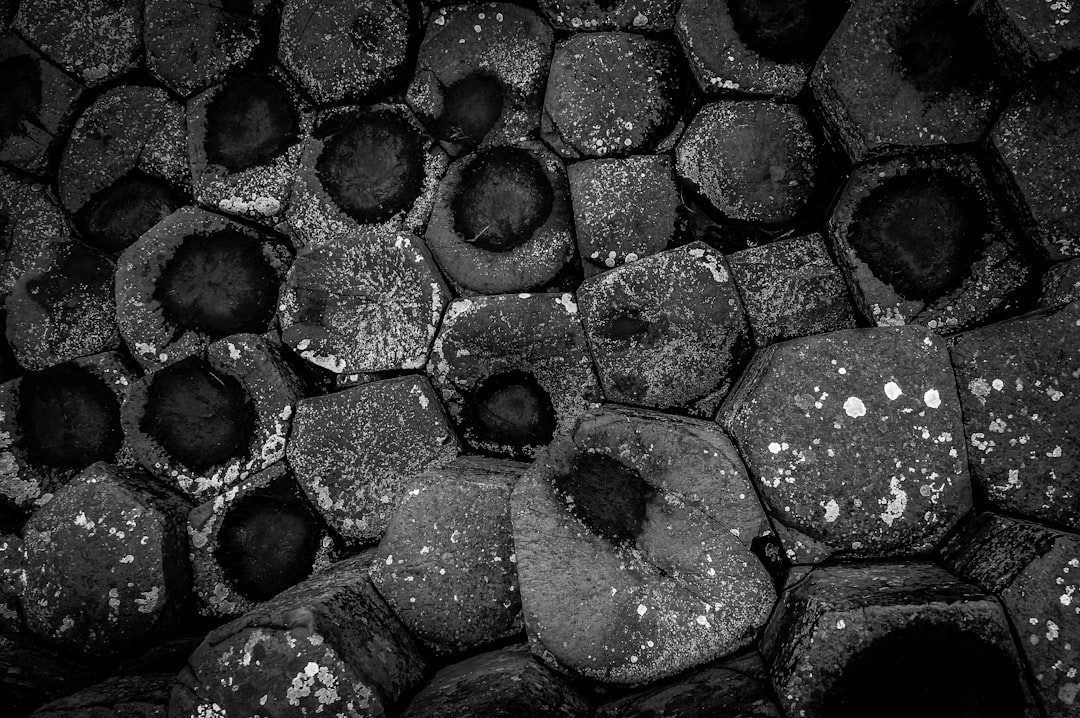
The first test costs nothing and tells us a lot. We break pieces open and look. Good hardwood charcoal has a clean, glassy black fracture and a clear ring when two pieces are tapped together. That ring is the sound of dense, fully carbonised wood. A dull thud means the centre is still soft or unfinished. If we see a brown, woody core inside a piece that looked black on the outside, the batch went too fast or came out too early, and it goes back for a second thought before anything else happens.
Moisture check
Next we measure moisture on samples pulled from different parts of the batch, not just the top of the pile where the air gets to it first. We take a known weight, dry it, and weigh again. The loss is the water. Export grades have to come in under the ceiling we set, and we would rather hold a batch an extra day in the drying shed than ship water across an ocean. This one test protects your freight cost more than any other.
Ash and fixed carbon
Ash and fixed carbon are measured by burning a small, weighed sample in a controlled way and recording what stays behind and what burns off. This is where a grade earns its name. Our better hardwood grades and our white charcoal are held to a high fixed carbon line, and the ash has to stay low. If a sample comes back with ash creeping up, we look upstream at the raw wood and the sorting, because ash almost always means something got into the kiln that should not have.
The burn test
Numbers are useful, but charcoal is bought to be burned, so we burn it. We light samples the way a customer would and we watch. How fast does it catch? Does it spark or spit? How long does it hold cooking heat before it fades? Does it smoke or smell? For binchotan and white charcoal, the burn test is decisive, because those grades are sold on long, clean, steady heat, and a lab number alone will not tell you whether a piece delivers that at the grill. A batch can pass on paper and still fail here, and if it fails the burn test it does not ship, full stop.
Size, sorting, and breakage
Finally we sort. Pieces are graded by size and the off-cuts and fines are separated out. We also handle sample bags the way a shipment gets handled, with real drops and stacking, to see how much dust the batch throws. A grade that shatters easily gets flagged, because what leaves our floor as lump should still be lump when it reaches your kitchen. Different products have different size specs, and matching the right pieces to the right order is part of the job, whether it is long binchotan sticks or graded lump for retail bags.
This sequence is the backbone of our charcoal quality control, and every batch record we keep follows the same order so any two shipments can be compared line for line.
What Different Buyers Ask Us To Check
Not every buyer weighs these tests the same way, and part of our job is knowing which numbers matter most to who.

A restaurant buyer running a yakitori or robata counter cares most about the burn test and the smell. They need long, steady, low-smoke heat right next to food, and they will forgive a slightly higher price for consistency they can plan a service around. For them we lean hardest on the burn behaviour of our binchotan and our other restaurant charcoal grades.
A distributor filling retail shelves cares about moisture, breakage, and how the bags look on arrival. Their customer opens the bag at home, so dust and damp lose them repeat sales. A private-label brand cares about all of it, because our charcoal carries their name, not ours, and any inconsistency lands on their reputation. For OEM and private-label work the records matter as much as the charcoal, because the brand owner needs to show their own buyers what stands behind the product.
An importer bringing in full containers cares about the paperwork trail as much as the burn. They need the batch to match the spec they agreed, container after container, so customs, their accountant, and their own customers all see the same story. This is one of the real differences between buying from a factory and buying from a trading company, and if you are weighing that choice it is worth reading how the two models actually differ before you commit to a supplier.
Where Testing Fits In Our Process
None of these checks stand alone. They sit inside how the charcoal is made, from the forest through the kiln, and a test is really just us confirming that each earlier step was done right. If the wood was sorted well and the kiln was run patiently, the numbers come out where we expect. When a test surprises us, it is usually pointing at something further back, and we go and fix it there rather than arguing with the result.
That is why we treat testing as feedback, not just a gate. A batch that fails tells the kiln operator something. Maybe the cycle was rushed. Maybe green wood slipped into the load. Maybe the cooling was cut short. Over years, this loop is what has let us settle our grades into a narrow band, so that the hardwood charcoal a buyer approved last year still behaves the same this year. Buyers who want the full picture of how we hold that line can see our approach to quality control laid out in one place, and it connects directly to how we handle export orders and documentation.
We also keep samples. For every significant batch we set aside a retained sample and its record. If a buyer ever calls with a question about a shipment, we are not guessing. We pull the retained sample, pull the numbers, and we can tell them exactly what left our floor. That habit has settled more disputes than any promise ever could, because it replaces opinion with a piece of charcoal and a sheet of figures.
There is one more thing worth saying plainly. Testing does not make bad wood good. It cannot. What it does is stop bad charcoal from becoming your problem. The real quality is built at the wood pile and in the kiln. The tests are how we prove, to ourselves first and to you second, that the building was done right. A factory that skips this step is not saving money. It is just moving the risk downstream, onto the importer, the distributor, and the cook.
Recap
Charcoal that looks the same can burn completely differently, so we test before we bag, not after. We check moisture to protect your freight and your lighting, ash and fixed carbon to confirm the grade, volatile matter to keep it clean, and the burn itself because charcoal is bought to be burned. We break pieces open, we listen for the ring, we sort for size, and we hold back what fails instead of shipping it. Different buyers weigh these tests differently, and we match the checks to what each order needs, keeping records and retained samples so any two shipments can be compared and any question can be answered with facts.
If you want to see how these checks are organised across every grade we make, and how they tie into our export process, start with our quality control page at /quality-control. It is the clearest picture of what we test first, and why, before your order ever leaves the kiln.
Source it directly
Quality Control, factory direct.
Premium pricing is a promise about the next container, not the last one. Our quality system exists to keep that promise boring and predictable.