How Charcoal Is Made: From Forest to Kiln
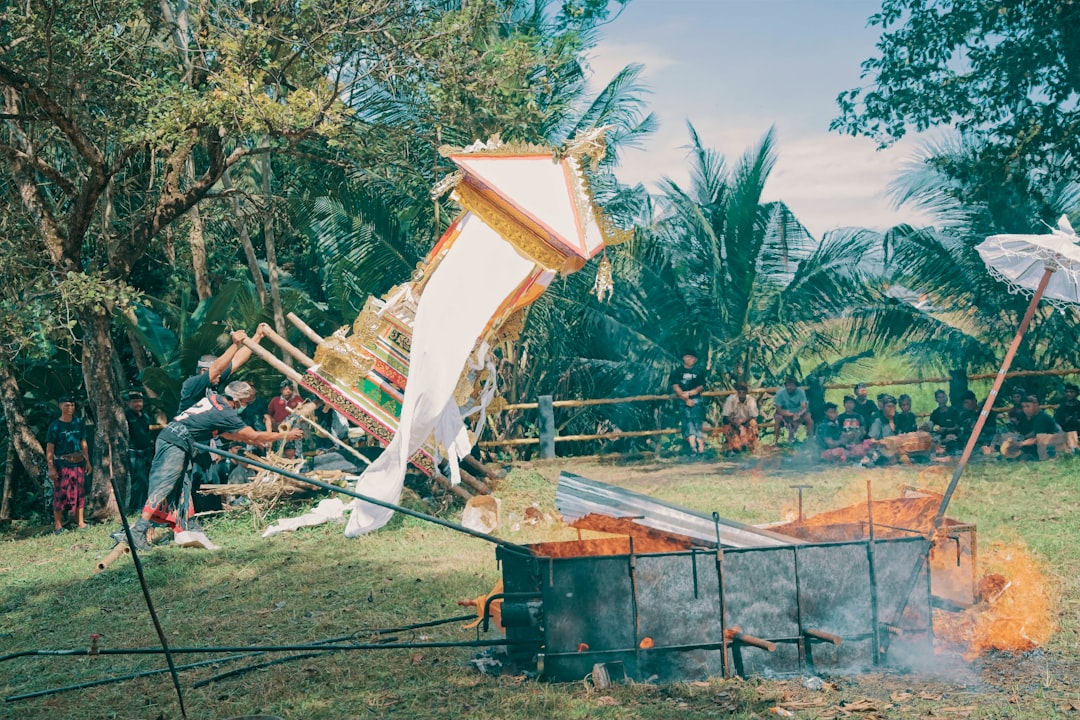
Buyers ask us how charcoal is made more often than they ask about price. That surprises people, but it makes sense once you have burned a bad batch. The wood, the kiln, and the number of hours in the fire decide whether a lump lights fast, holds heat, and finishes clean, or whether it crackles, sparks, and dies halfway through service. This is a plain account of how charcoal is made in our factory, written by people who load the kilns and read the smoke, not by a marketing desk. If you buy charcoal to resell, to burn in a restaurant, or to put your own label on, you should understand the process before you compare two quotes.
What Charcoal Actually Is
Charcoal is wood with almost everything driven out of it except carbon. Fresh wood is roughly half water by weight, plus a large fraction of volatile compounds: resins, tars, and gases that burn with smoke and flame. When you cook over raw wood, most of the heat and most of the smell come from those volatiles burning off. That is fine for a campfire. It is no good for grilling a steak or skewering yakitori, because the smoke taints the food and the heat is uneven.
The job of a charcoal kiln is to remove the water and the volatiles slowly, in a low-oxygen environment, so the wood does not simply burn to ash. What is left behind is a rigid black skeleton of nearly pure carbon. That skeleton is light, it lights at a manageable temperature, and once it is going it gives off steady radiant heat with very little smoke and very little flame. Good charcoal is close to eighty percent fixed carbon or higher. Cheap charcoal carries more leftover volatiles and more mineral ash, which is why it smokes and why it leaves a grey pile behind.
Everything downstream of that idea, the wood you pick, the kiln you build, the hours you hold the fire, is a way of controlling how completely you drive off the water and volatiles without losing too much of the carbon to combustion. That balance is the whole trade.
How Charcoal Is Made, Step by Step
Here is how charcoal is made in practice, stage by stage. The sequence is always the same even though the equipment and the timing change from one product to another. Skip a stage or rush it and the fault shows up in the burn.
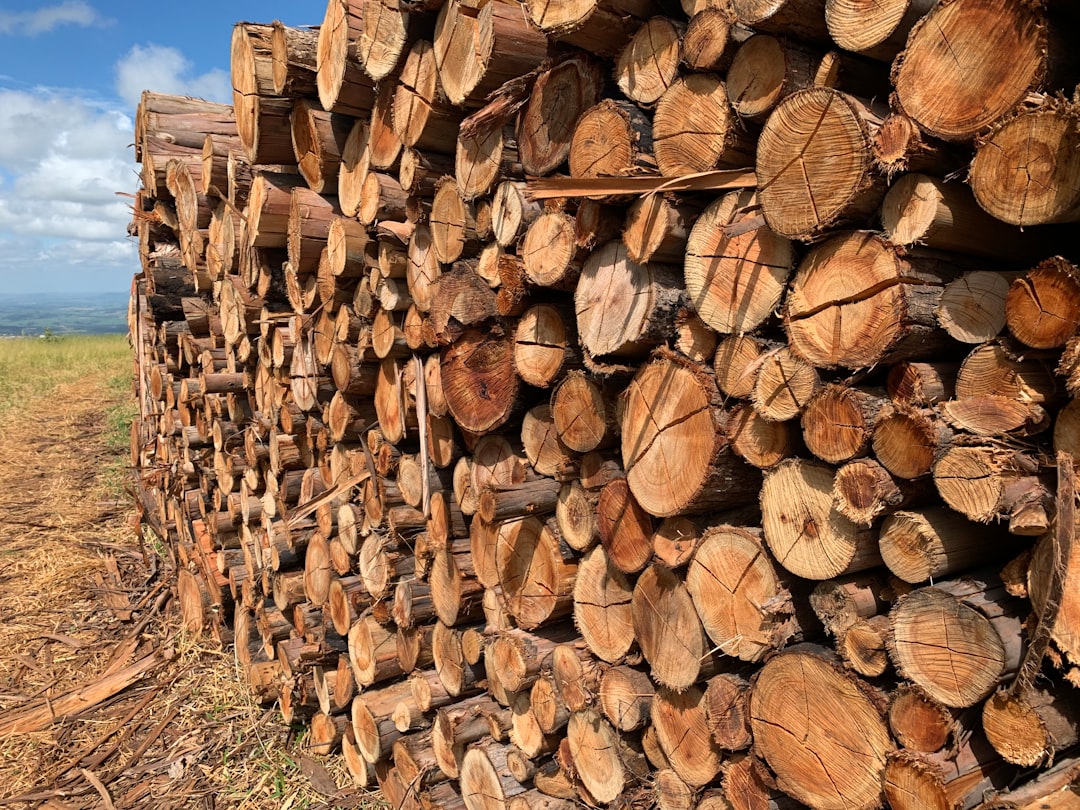
Sourcing and selecting the wood
It starts in the forest, not the kiln. The species and the density of the wood set a ceiling on quality that no amount of good firing can raise. We work mainly with dense tropical hardwoods, because dense wood carbonises into dense charcoal, and dense charcoal is what burns long and hot. Softwoods and light woods carbonise into brittle, fast-burning lumps that are fine for a quick cook and poor for low and slow work.
We select by species, by trunk diameter, and by how the wood was grown. Straight, mature hardwood with tight grain gives the most consistent result. Offcuts, branches, and mixed scrap give a cheaper product with a wider spread of quality inside the same bag. For buyers who care about consistency, the sourcing stage is where consistency is won or lost. It is also where sustainability lives, because charcoal made from managed and legal wood sources is the only kind worth building a long supply relationship on. You can read how we handle that side on our sustainability page.
Drying and seasoning
Green wood straight from felling holds too much water to carbonise cleanly. If you load it wet, the kiln spends its early hours boiling off that water, the temperature is hard to control, and yields drop. So the wood is seasoned first, either stacked in open air for weeks to months, or run through a drying step, until the moisture content falls to a workable level.
Seasoning is slow and it ties up space, which is one reason properly dried charcoal costs more than the rushed kind. It is not a stage you can see in the finished lump directly, but you feel it in the burn. Well-seasoned stock carbonises evenly and yields more usable charcoal per tonne of wood.
Loading the kiln
The dried wood is stacked inside the kiln by hand. This looks like simple labour and it is not. How the wood is packed decides how heat and gases move through the charge. Pieces are sorted by size and arranged so the fire can travel through the whole load at a similar rate. If large logs sit next to thin branches with no thought, the thin pieces over-burn to ash while the thick ones stay under-cooked in the core. A good loader is reading the kiln before it is even lit.
Carbonisation, the fire itself
This is the heart of how charcoal is made. The kiln is sealed to starve the wood of oxygen, then heat is applied, either from a small controlled fire in the kiln itself or from an external firebox. The point is never to let the wood burn freely. It is to raise the temperature enough to break the wood down chemically while air is kept out, so the volatiles are cooked off as gas rather than consumed as flame.
As the temperature climbs, the wood passes through stages. First the last of the water leaves. Then, as heat rises further, the wood begins to decompose and releases its volatile gases and tars. This is the phase the kiln operator watches most closely, because it releases its own heat and can run away if the airflow is wrong. Finally, at higher temperatures, the remaining material settles into fixed carbon. The colour and smell of the smoke leaving the kiln tell an experienced operator exactly which stage the charge is in. Thick white smoke early means water and volatiles are still coming off. Thin blue smoke means the volatiles are nearly gone and the carbon is setting.
The temperature reached in this phase is what separates ordinary black charcoal from white charcoal. Standard hardwood and lump charcoal are carbonised at moderate temperatures and pulled once the volatiles are driven off. Binchotan, the Japanese-style white charcoal, is taken to a much higher finishing temperature and then handled in a very different way at the end, which is why it behaves so differently on the grill. We go deeper into that split on our binchotan charcoal page.
Cooling and unloading
When carbonisation is complete the fire is stopped and the kiln is sealed tight. Charcoal at carbonisation temperature will catch fire the instant it meets air, so it has to cool in a sealed, oxygen-starved space first. For a large earth or brick kiln this cooling can take days. Open the kiln too early and you lose the charge to combustion, and you also risk the operator's safety. Patience here is not optional.
Once cool, the kiln is opened and the charcoal is drawn out by hand. This is the first time anyone sees the true yield of the batch. From roughly four to six parts wood by weight you get about one part charcoal, depending on species, moisture, and kiln type. That ratio is why charcoal is never cheap to make honestly, and why suspiciously low prices usually mean corners were cut in sourcing or firing.
Sorting, grading, and packing
The charcoal that comes out is not uniform. Some pieces are large and dense, some are small, some are partly carbonised at the core. So it is sorted. We grade by size, by density, and by how cleanly each piece rings when tapped, because a well-carbonised lump has a clear metallic ring while an under-done one sounds dull. Fines and broken bits are separated from the premium lump. Under-carbonised pieces are pulled out or returned to the next firing.
Grading is where a factory's standards become visible. Two bags can hold charcoal from the same kiln and still be worlds apart because one was graded properly and the other was shovelled straight into a sack. This is the stage our quality control team owns, and it is the stage a serious buyer should ask about first. After grading, the charcoal is packed by product line and moisture-protected for the long journey to port.
Kiln Types and Why They Matter
Not all kilns are equal, and the kiln shapes the charcoal as much as the wood does.
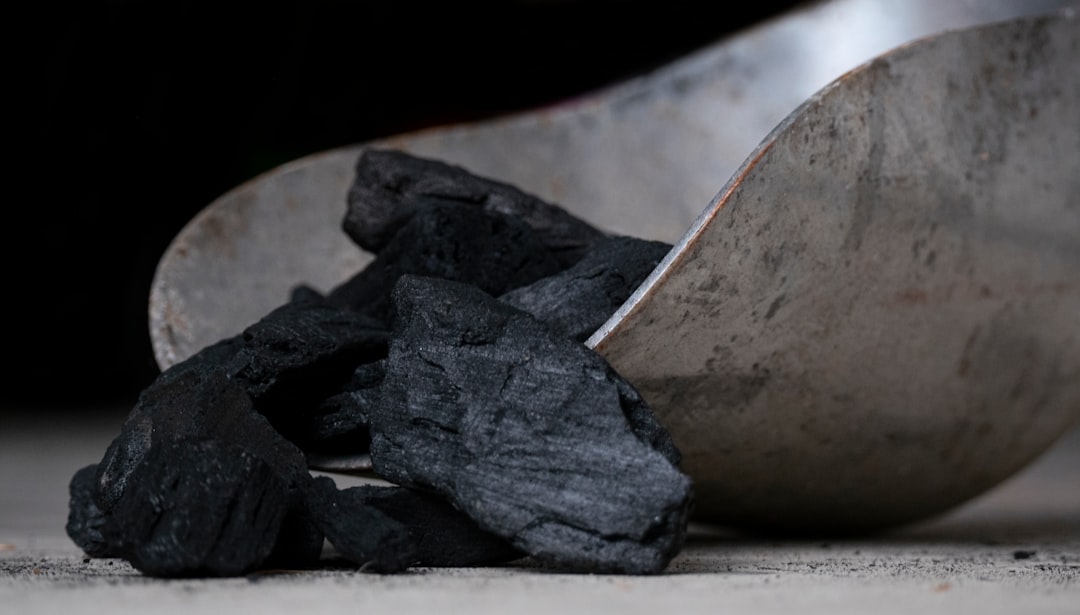
Traditional earth and pit kilns are the oldest method. Wood is stacked, covered with earth, and slow-burned with restricted air. They are cheap to build and they can make good charcoal in skilled hands, but control is loose and results vary batch to batch.
Brick and masonry kilns hold heat better and give the operator more control over airflow and temperature. Most consistent commercial hardwood charcoal comes from kilns of this family. They cost more to build and they reward operators who know how to read them.
Steel and mechanised retorts carbonise in a fully enclosed vessel and can even capture the volatile gases to reuse as fuel. They give tight control and clean, repeatable output, at higher capital cost.
The reason this matters to a buyer is simple. Kiln type drives consistency, and consistency is what you are actually paying for when you buy at scale. A restaurant that grills to a fixed cook time cannot work with charcoal that behaves differently every delivery. If you want to see the specific kilns and controls behind our lines, the full walkthrough lives on our manufacturing process page.
Where the Products Diverge
The same core process, run with different wood and different finishing, gives the range of products a buyer chooses between.
Lump hardwood charcoal is dense tropical hardwood carbonised to standard temperatures and graded for size. It lights faster than briquettes, burns hotter, and leaves little ash. It is the workhorse for grilling and for barbecue, and you can compare it against briquettes and other formats on our hardwood charcoal page.
White charcoal, or binchotan, is the same family of dense wood taken to a far higher finishing temperature and rapidly smothered in a damp mix of earth and ash at the end, which gives it its pale coating and its glass-hard body. It lights slowly, burns for hours at a steady radiant heat, and produces almost no smoke or smell, which is why yakitori and robata kitchens pay for it.
Briquettes are a different animal, made from charcoal fines and binders pressed into uniform shapes. They are consistent and cheap but they carry additives and more ash. They are not the same product as natural lump, and buyers should not treat them as interchangeable.
Understanding how charcoal is made is what lets you read these differences honestly instead of buying on a picture and a price. Once you know that finishing temperature separates black from white, and that density separates long-burn from fast-burn, the product range stops looking like marketing names and starts looking like a set of deliberate choices.
What This Means For Your Order
For an importer or a private-label brand, the process is not trivia. It is your quality checklist. When you evaluate a supplier, ask what species they use and whether the source is managed. Ask how long the wood is seasoned. Ask what kiln type they run and how they grade the output. A factory that can answer those clearly is a factory that controls its process. One that cannot is selling whatever came out of the kiln that week.
The other reason it matters is specification. If you sell to restaurants, you need consistent size and burn time, so grading discipline is your priority. If you sell retail lump, appearance and low fines matter. If you build a private label, you need a partner who can hold a spec across many containers over many months, which comes back to seasoning and kiln control, not luck. We handle that side through our export programme, where the process above is documented per shipment so what you approve is what you receive.
Recap
How charcoal is made comes down to a controlled sequence: select dense hardwood from a responsible source, season it until the moisture is low, load the kiln with care, carbonise it slowly in a low-oxygen fire to drive off water and volatiles, cool it sealed away from air, then sort and grade the result honestly. The wood sets the ceiling, the kiln sets the consistency, and the firing temperature decides whether you end up with standard black charcoal or high-fired white charcoal. Cheap charcoal skips seasoning, rushes the fire, or skimps on grading, and every one of those shortcuts shows up in the burn.
If you want to see each of these stages in our own kilns, with the controls and checks we run at every step, walk through our full manufacturing process and then talk to us about the spec your market needs.
Source it directly
The Manufacturing Process, factory direct.
Our process is centuries old and deliberately slow. Each stage exists because removing it would show up in the burn.