What Makes Indonesian Hardwood Charcoal Different
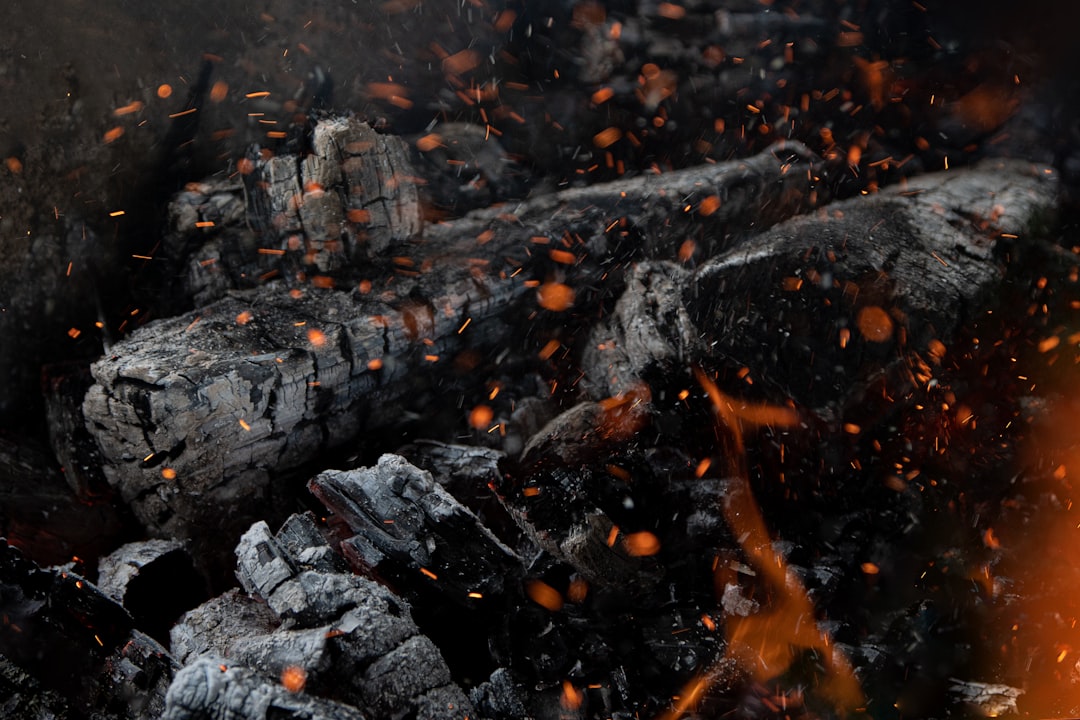
Two containers arrive at the same port in the same week. Both are labelled hardwood charcoal. Both cost roughly the same per tonne. One burns hot for hours and leaves a thin grey ash you can brush out with a hand. The other spits, throws sparks, dies early, and fills the bottom of the grill with heavy black grit. The buyer did nothing wrong on paper. He simply did not ask which tree the charcoal came from, or where it was made.
That question is the whole subject of this piece. Indonesian hardwood charcoal has a reputation in export markets, and most of that reputation is earned by a handful of specific species, kilns, and controls that have nothing to do with the country name printed on the bag. Some of what ships out of Indonesia is excellent. Some of it is mangrove wood rushed through a kiln. The country is not the quality signal. What follows is what actually is, written from the kiln floor by the people who load these containers.
The species is the whole story
Charcoal is carbonized wood, so charcoal can never be better than the tree it started as. The single most useful thing a buyer can learn about production here is which species is in the bag.
The species that built the reputation is halaban, known botanically as Vitex pubescens and also catalogued as Vitex pinnata, a dense tropical hardwood that grows across Kalimantan and much of Southeast Asia. Its wood density runs roughly 800 to 950 kilograms per cubic metre at around 15 percent moisture. That number matters more than any marketing line, because density is what carries through carbonization into the finished lump. Dense wood in, dense charcoal out. Light wood in, and no kiln technique on earth will fix it.
Japan's traditional white charcoal is made from ubame oak, a species that does not grow here in commercial volume. Indonesian producers making white charcoal use halaban instead, which is why the honest way to describe it is Indonesian Binchotan, made by the Binchotan method from a local hardwood, rather than a claim of Japanese origin. That distinction is set out in full on the binchotan charcoal page.
There are other streams that share the same customs code and almost nothing else:
- Coconut shell charcoal. A genuinely good product with its own market, mostly pressed into briquettes for shisha and hookah. It is not hardwood, it is agricultural residue, and it behaves differently on a grill.
- Mangrove charcoal. Often called bakau. Dense and cheap, and the reason charcoal from this region occasionally attracts scrutiny, because mangrove forests are protected coastal ecosystems and the sourcing is not always clean.
- Mixed-species lump. Whatever the yard could buy that month. This is the material behind most disappointing containers. It is not fraudulent so much as unspecified, and unspecified means inconsistent.
A supplier who cannot name the species without checking is not withholding a trade secret. They do not know, because they buy from collectors rather than control their own supply.
Why Indonesian hardwood charcoal burns the way it does
Density explains almost every performance claim you will read about this category, so it is worth following the chain all the way through.
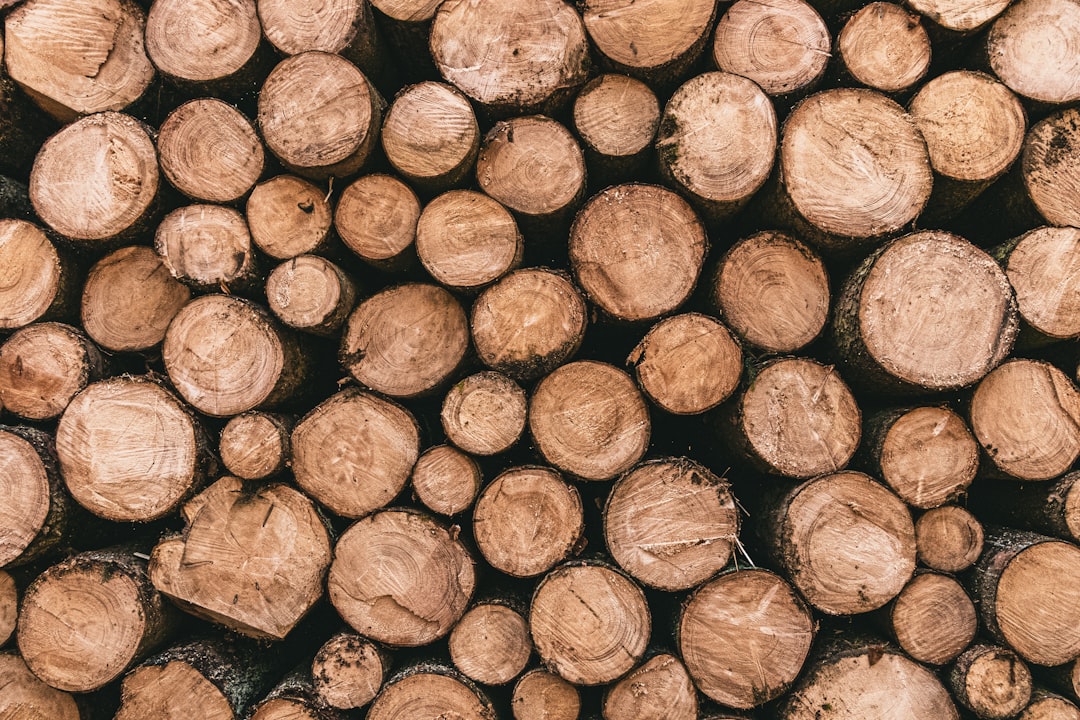
A dense hardwood carries more mass into the kiln per unit of volume. Carbonization drives off water and volatile compounds and leaves behind carbon. When you start with a heavier wood, the surviving structure holds together instead of crumbling, and the resulting piece has a high fixed-carbon percentage, typically above 80 percent for good lump. High fixed carbon means the fuel is mostly the thing that actually burns, rather than water, resin, and ash-forming minerals.
From that single property, everything else follows. The charcoal burns hotter, because there is more carbon in the same handful. It burns longer, because a dense piece has less surface area relative to its mass and consumes itself more slowly. It leaves less ash, because there was less non-combustible mineral content to begin with. It produces almost no smoke once lit, because the volatiles were driven off in the kiln rather than in your grill. And it does not spit, because there is no trapped moisture flashing into steam inside the piece.
Tropical growing conditions contribute in a way that is easy to overstate but real. Halaban grows year round in a climate without a dormant season, and it is harvested from managed stands and secondary forest rather than plantation softwood. What arrives at the kiln is mature, close-grained wood. That is the raw material advantage. It is not magic and it is not a national trait. It is a species growing in the conditions it evolved for.
If you want the mechanical comparison against pressed fuel rather than the origin story, we covered it separately in hardwood charcoal vs briquettes. The short version is that lump and briquettes are different tools, and a good supplier will tell you when the briquette is the smarter buy.
The problem the climate creates
Here is the part no origin story mentions, and the part that ruins more shipments than species choice ever does.
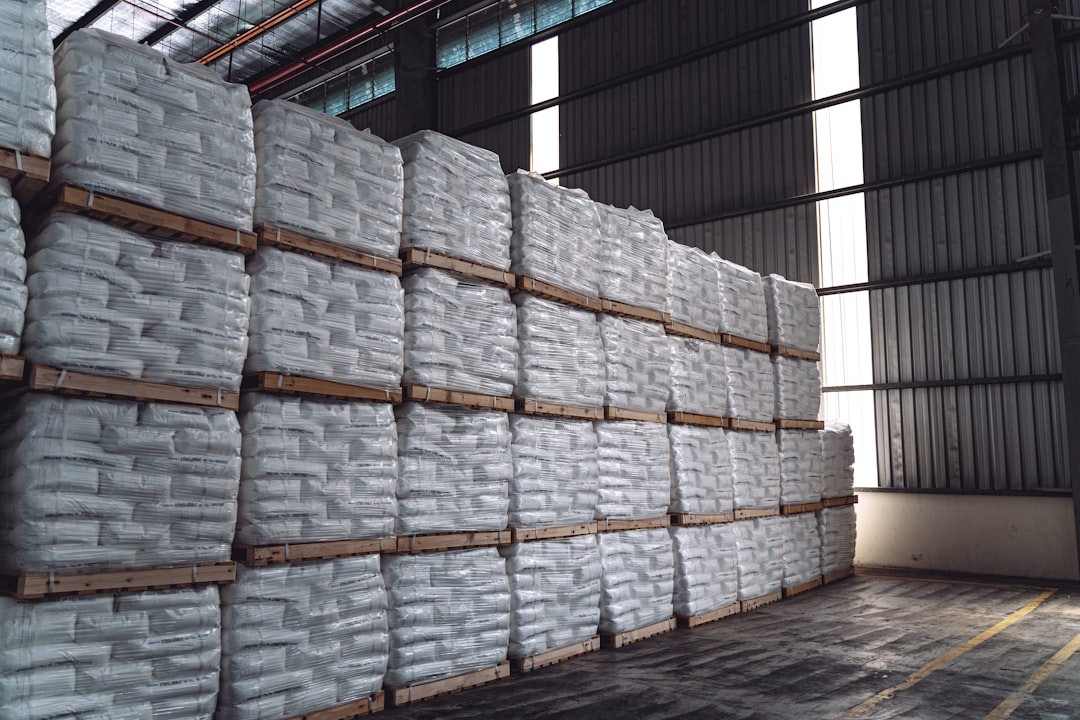
Indonesia is humid. Ambient humidity sits high year round, and charcoal is hygroscopic, meaning it pulls moisture out of the air and holds it. A batch can leave the kiln at excellent moisture content and reach the buyer damp enough to light badly, smoke, and underperform, without anyone having cheated anybody.
Moisture is therefore not a specification you check once at production. It is a discipline that runs through cooling, storage, packing, and the container itself. Charcoal bagged while still warm will sweat inside the packaging. Charcoal stored on a concrete floor in an open shed through a rainy season will gain moisture back no matter how well it was made. A sea container crossing the equator goes through repeated heating and cooling cycles, and every cycle moves moisture around inside the load.
What a serious factory does about it is unglamorous and entirely checkable. Cool the charcoal fully before packing. Store it off the ground and under cover, not in the open. Pack in moisture-resistant material rather than woven sacks alone. Use desiccant in the container on long routes. Test moisture at packing rather than at production, because those are different numbers taken days apart.
When you evaluate a supplier, ask what their moisture content is at the point of packing and how they measure it. The answer separates people who run a factory from people who run a yard. It is also the reason a sample can be brilliant while the container disappoints, which is the most common complaint in this trade.
Not all Indonesian hardwood charcoal is the same
The country of origin on a document tells you where a container was loaded. It does not tell you what is inside, and the gap between the best and worst material shipping under the same description is enormous.
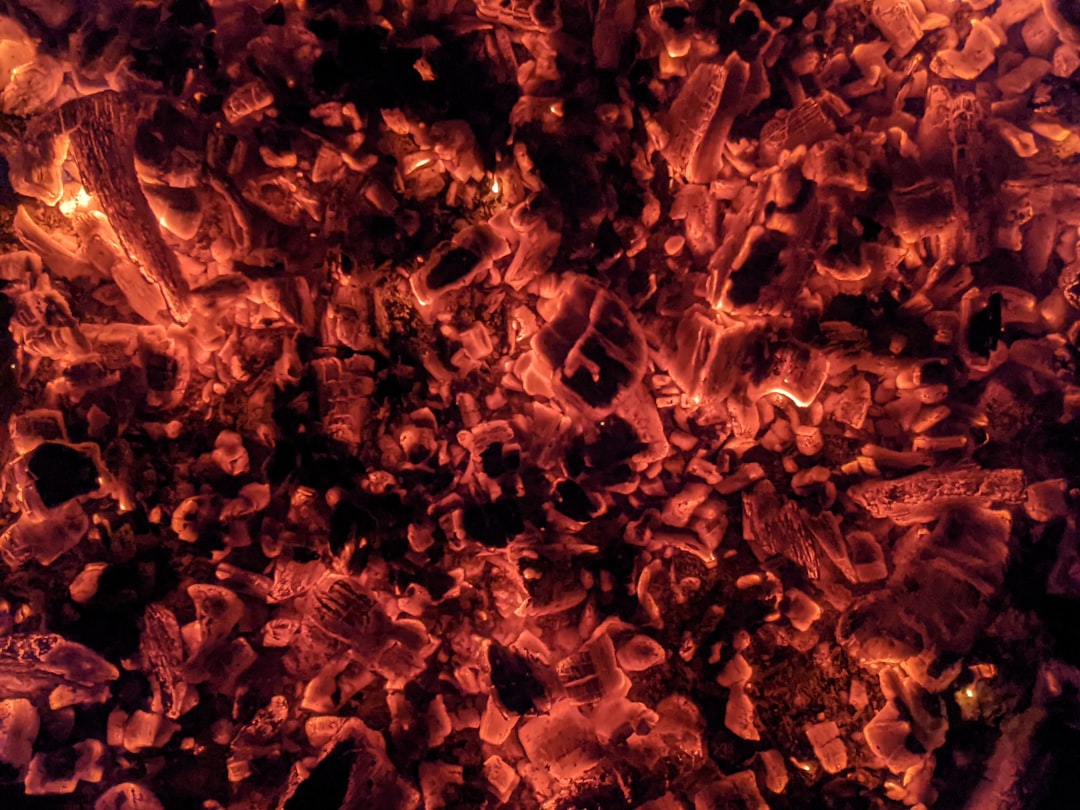
Three things separate them, and all three are verifiable before you commit.
Single species versus mixed. A single-species run behaves the same way in every bag. A mixed run cannot, because different woods carbonize at different rates and produce pieces of different density that look nearly identical once black. If a spec sheet says only hardwood, that is not a specification.
Carbonization time. A proper hardwood burn is measured in days, not hours. Rushing the kiln leaves volatile compounds and unconverted wood in the core of the piece, which is what causes smoke, popping, and pieces that go out. Undercooked charcoal looks correct and fails in use. This is the most common corner cut in the category, because time in the kiln is the most expensive input a producer has.
Sizing and fines. A bag that is one third dust is a bag you paid full price for and can use two thirds of. Screening costs money and reduces sellable weight, which is exactly why cheap operations skip it. Ask what percentage of fines the spec allows, and ask what happens to a batch that exceeds it.
There is a simple test you can run on any sample without equipment. Break a piece. Fully carbonized hardwood snaps clean, shows the grain of the tree, and rings slightly rather than thudding. The break face should be uniformly black through the core, because a brown centre is unconverted wood. Then light a handful and watch the first two minutes. Good material catches steadily, settles into a stable glow, and stays quiet. Spitting and sparks mean trapped moisture or volatiles, and a heavy black ash bed at the end points to filler or poor sorting. The full grade breakdown lives on the hardwood charcoal page.
The paperwork that separates a factory from a broker
Wood charcoal ships under HS code 4402, and Indonesian forest products move through a national timber legality system known as SVLK, which issues a V-Legal document confirming the material came from legal sources. Whether a given destination market demands that document varies, so importers should confirm their own country's requirements rather than take a supplier's word for it.
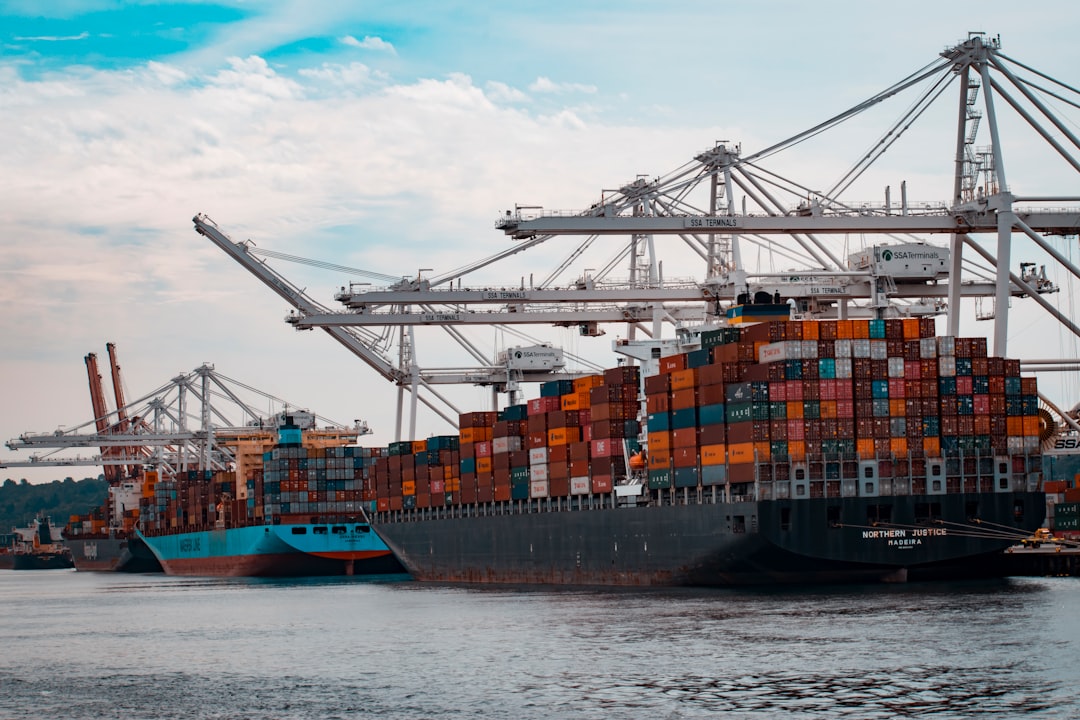
That variability is exactly why the question is useful. Ask whether the supplier can produce legality documentation for the wood, not just a commercial invoice. A producer who controls sourcing can answer immediately, because the paperwork trails the wood from the point it was cut. A broker consolidating from small yards often cannot, because the material's history ended before they bought it.
The rest of an export file is standard and should never be a surprise: certificate of origin, packing list, bill of lading, fumigation certificate where required, and any pre-shipment inspection the buyer specifies. A supplier who treats these as an obstacle rather than a routine is telling you how many containers they have actually shipped. Our own process is set out on the export page.
There is a commercial reason to care beyond compliance. Charcoal from this region does attract scrutiny, particularly around mangrove sourcing, and a shipment stopped at the destination port costs far more than the margin saved by buying from someone who could not document it. Clean paperwork is not bureaucracy. It is the cheapest insurance in the transaction.
What a factory can do that a trading company cannot
Most exporters in this category are trading companies. They buy finished charcoal from producers, consolidate it, and ship it. That model works, and plenty of honest businesses run it. But it has structural limits that matter once you are buying repeatedly rather than once.
A trading company cannot change how the charcoal was made, because it was made before they bought it. They cannot hold a species specification through a season when that species gets expensive, because their suppliers will substitute. They cannot fix an out-of-spec batch, only reject it or pass it along. And they cannot promise that container six matches container one, because those may have come from different kilns entirely.
A factory can do all of those things, and that is the only meaningful sense in which factory-direct is worth anything. Specification is enforced at the kiln rather than sorted at the warehouse. Species is a decision rather than a description. A rejected batch becomes a corrected process instead of an argument about the invoice. Repeat orders come from the same production, so the fifth container behaves like the first. That is also what makes private label and OEM charcoal work at all, since a brand cannot be built on material that changes character between shipments.
We say this as manufacturers, so weigh it accordingly. The honest version is that a good trading company beats a bad factory every time. The point is not the label on the seller. The point is whether the person selling to you can change what happens inside the kiln, and you should ask that question directly.
How to evaluate a supplier from here
If you take one thing from this, make it a short list of questions that are difficult to answer vaguely.
Ask which species, by name. Ask for fixed carbon, ash, and moisture as numbers, and ask where in the process moisture was measured. Ask how long a typical carbonization run takes. Ask what percentage of fines the spec allows and what happens when a batch exceeds it. Ask whether they can produce legality documentation for the wood. Ask how many containers of this exact specification they shipped last year and to which markets. Then ask for a sample from current production rather than a display bag, and run the break test and the light test yourself.
None of these questions are aggressive, and a real producer will enjoy answering them. Vagueness is the signal. In a category where the product is black, uniform, and nearly impossible to judge from a photograph, the quality of the answers is most of the information you are going to get before the container arrives.
The short version
Indonesian hardwood charcoal earned its reputation through a specific dense species, halaban, carbonized slowly and controlled for moisture in a climate that fights you the entire way. The country name guarantees none of that. The species, the kiln time, the moisture discipline, the screening, and the legality trail are what separate material worth importing from material that merely ships under the same code.
Ask better questions and this category becomes straightforward. Ask for the species, the numbers, and the paperwork, then test a sample from live production before you commit to a container. If you want the grades, formats, and specifications we actually produce, they are set out on the hardwood charcoal page, and we send current-production samples to buyers evaluating a first order.
Source it directly
Indonesian Hardwood Charcoal, factory direct.
Dense hardwood charcoal carbonized in traditional kilns from carefully selected Indonesian hardwood. Built for long, clean, stable burns, trusted by importers, distributors, and restaurants worldwide.