How OEM Charcoal Manufacturing Works
Most of the charcoal sold under a brand name was not made by that brand. It was made in a kiln yard like ours, then packed in a bag that carries someone else's logo. That arrangement has a name in the trade. It is oem charcoal manufacturing, and it is how a distributor in Rotterdam or a restaurant group in Osaka can sell charcoal that is theirs on the shelf without ever building a kiln. This article explains how the work actually happens on the floor, from the wood coming in the gate to the pallet leaving on a container. If you buy charcoal to resell, the details here decide whether your bags hold up or fall apart.
What OEM Charcoal Manufacturing Actually Means
OEM stands for original equipment manufacturer. In our world the word "equipment" is loose. There is no equipment. There is wood, fire, time, and grading. What OEM means in practice is simple: we make the product to your specification, and you sell it under your own brand. You do not run the kilns. We do. You own the label, the box, the market, and the customer relationship. We own the carbonisation.
There is a related model called private-label charcoal, and buyers often use the two terms as if they mean the same thing. In everyday trade they overlap. If you want the fine distinction, we keep it on our private-label charcoal page. For the purpose of this article, treat oem charcoal manufacturing as the full arrangement: you bring a specification and a brand, we bring the raw material, the kilns, the grading line, and the export paperwork.
The reason this model exists is cost. A binchotan kiln takes years of experience to run and weeks to fire a single batch. A hardwood charcoal operation needs a steady supply of the right species, a yard, labour that knows the smell of a kiln that is about to be pulled, and buyers who will take volume. Very few brands want to own all of that. They want to sell. So they come to a factory, agree on a product, and let the factory make it. That is the whole idea.
Where the Wood Comes From
Charcoal is only as good as the wood it started as. This is the part buyers skip, and it is the part that decides everything downstream. Density, burn time, ash, spark, smell: all of it is set before the fire is lit.
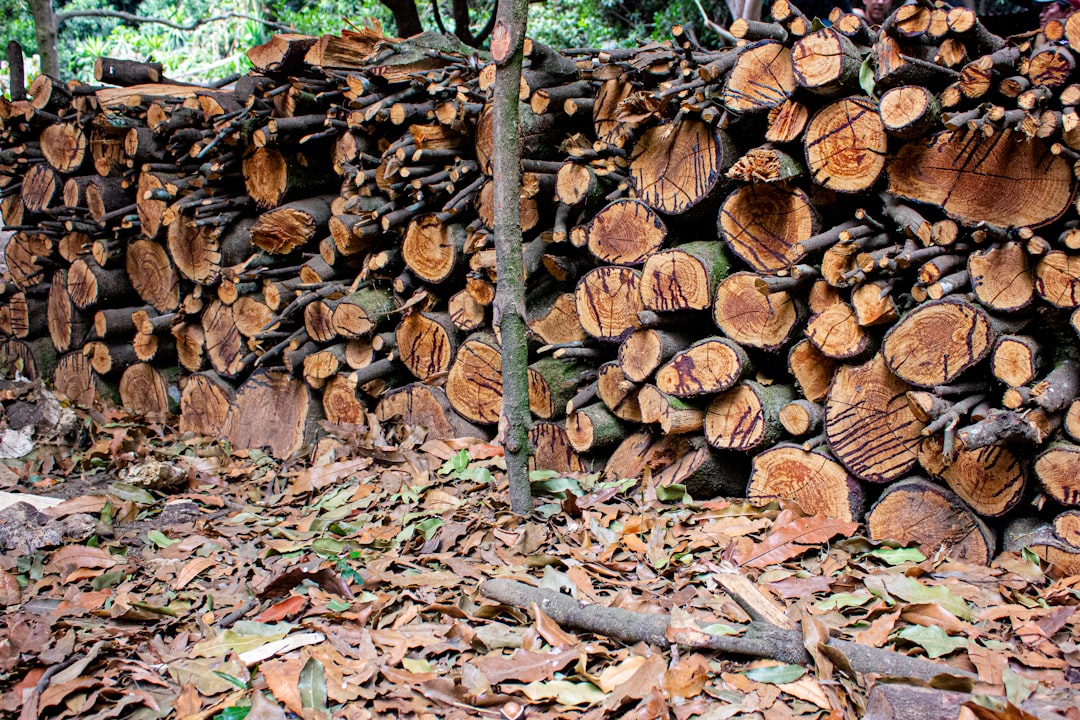
We work mainly with Indonesian hardwood. The species matter. For our black lump grades we use dense tropical hardwoods that carbonise into a hard, heavy char with a clean burn. For binchotan charcoal, the white charcoal, the wood selection is stricter still, because the finished bar has to ring like metal when you tap two pieces together. If the wood is wrong, no amount of skill in the kiln fixes it.
Sourcing is not just about picking a good tree. It is about picking wood you can keep buying for years, in the same grade, without stripping a forest to do it. We cover how we manage that on our sustainability page, because a buyer who signs a multi-year OEM contract needs to know the supply behind it will still be there in year three. A factory that cannot promise continuity of raw material cannot promise continuity of product. When you evaluate an OEM partner, ask where the wood comes from and ask what happens to that source in five years. If the answer is vague, the char will be inconsistent.
Species and grade go together
Different markets want different things. A yakitori restaurant wants binchotan that burns long, hot, and almost smokeless. A weekend barbecue brand wants lump that lights fast and throws good heat for a few hours. A restaurant steak programme wants something in between. We match species to the grade you are selling, and we do not pretend one wood serves every use. If you are still deciding which product line fits your market, our hardwood charcoal overview lays out the options.
Carbonisation: The Part You Are Paying For
Carbonisation is the heart of oem charcoal manufacturing. It is the controlled heating of wood with the air choked back, so the wood does not burn to ash but instead drives off its water and volatile compounds and leaves behind almost pure carbon. Done right, you get charcoal. Done wrong, you get half-cooked wood that smokes, or you get ash because the fire ran away.
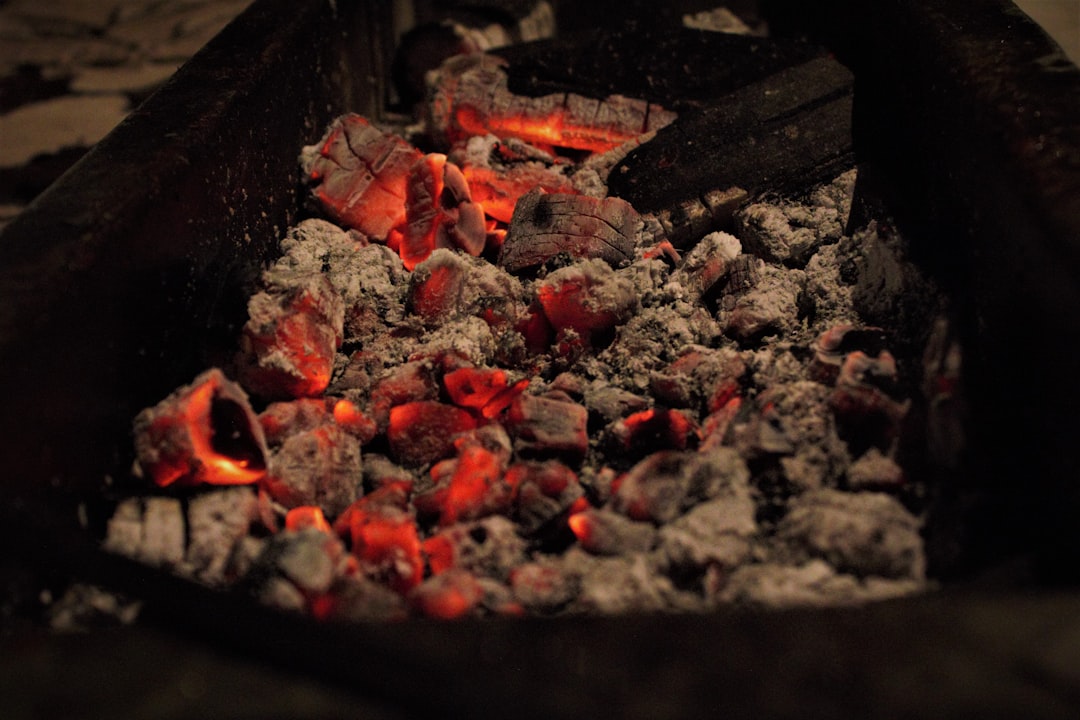
We run traditional kilns, not steel retorts, and there is a reason for that beyond tradition. A masonry or earthen kiln holds heat slowly and evenly, and it lets an experienced kiln operator read the smoke. Early in a firing the smoke is white and heavy with water. As the batch carbonises, the smoke thins and turns blue, then nearly clear. A kiln worker who has done this for twenty years reads that colour the way a baker reads a crust. The full sequence, from loading to sealing to cooling, is on our manufacturing process page if you want the step-by-step.
For black charcoal, the batch is sealed and allowed to cool inside the kiln. For white charcoal, the binchotan, the process is the opposite at the end: the glowing char is raked out of the kiln at very high temperature and smothered with a damp mix of earth and ash. That shock cooling is what gives binchotan its pale grey coat, its glassy hardness, and its long, steady, low-smoke burn. It is also why binchotan costs more. The labour is harder, the losses are higher, and the skill is rarer. We break down the difference in full on our post about white charcoal versus black charcoal.
Time is the other cost. A hardwood black charcoal batch might take days. A binchotan batch can take weeks from loading to a finished, cooled, sortable product. When an OEM buyer asks for a lead time, most of that number is not shipping. It is fire.
Grading, Sorting, and Why It Is Done by Hand
A kiln does not produce one product. It produces a spread. Out of a single firing you get long pieces, short pieces, dense pieces, lighter pieces, and fines. Grading is the work of turning that spread into the specific product a buyer ordered.
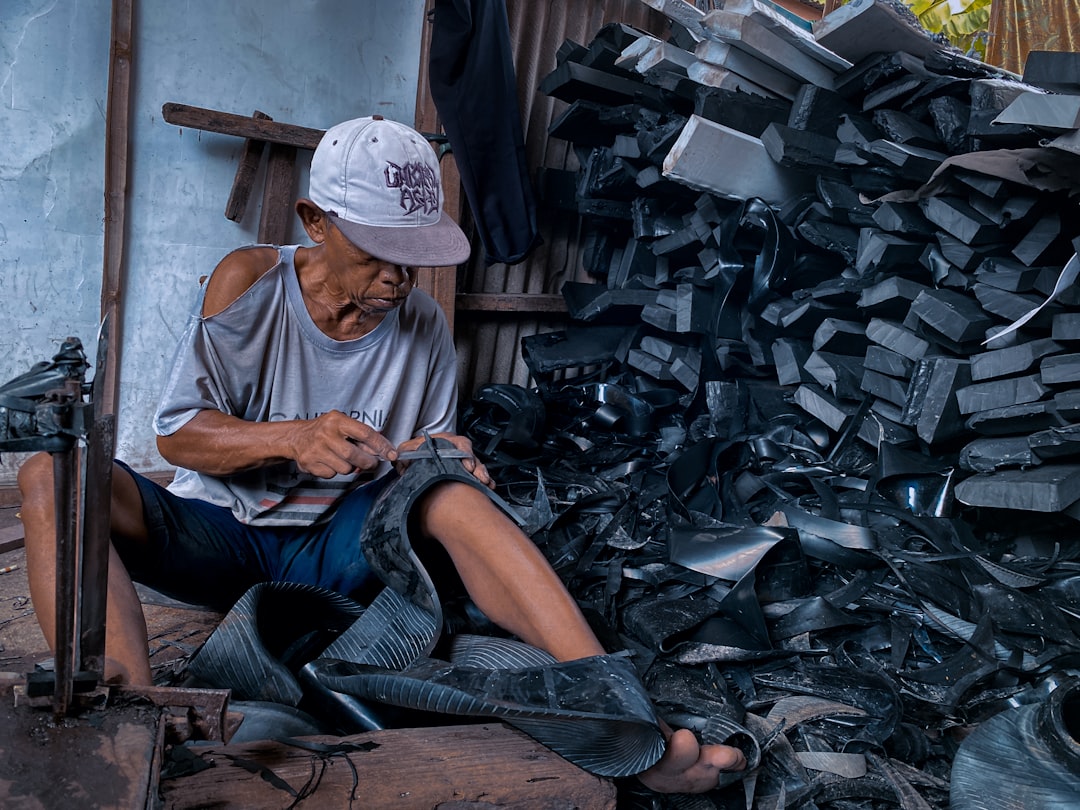
We grade by hand. Workers sort char by length, by diameter, by density, and by sound. For binchotan, a good grader taps pieces together and listens, because the ring tells you the density and the moisture better than a scale does. Pieces that do not make the grade for one product line get sorted into another, or held for a different buyer, so very little is wasted.
This is where OEM specifications get real. A buyer might ask for binchotan cut to a fixed length range for a specific grill. A restaurant supplier might want restaurant charcoal that is uniform enough that a line cook gets the same fire every service without thinking about it. A retail barbecue brand might want a mix of piece sizes in a lump charcoal bag so the customer gets both quick-lighting small pieces and long-burning big ones. Every one of those is a different sort at the grading table, and every one of them is agreed in the specification before we fire a single batch.
Quality control is not a marketing word
We test what leaves the yard. Moisture content, fixed carbon, ash percentage, and fine content are the numbers that matter to a serious buyer, and they should be on your specification sheet. High fixed carbon means more heat and longer burn. Low ash means a cleaner grill and less to clean up. Low moisture means the char lights properly and does not hiss. Low fines means the customer is not paying for dust. We hold these to the ranges we agree with you, batch by batch, and we explain how on the quality control page. If an OEM partner cannot give you numbers, they are selling you a bag and a hope.
Turning Char Into Your Product
Once the char is graded, it becomes your product rather than ours. This is the private-label part of oem charcoal manufacturing, and it is where your brand takes over.
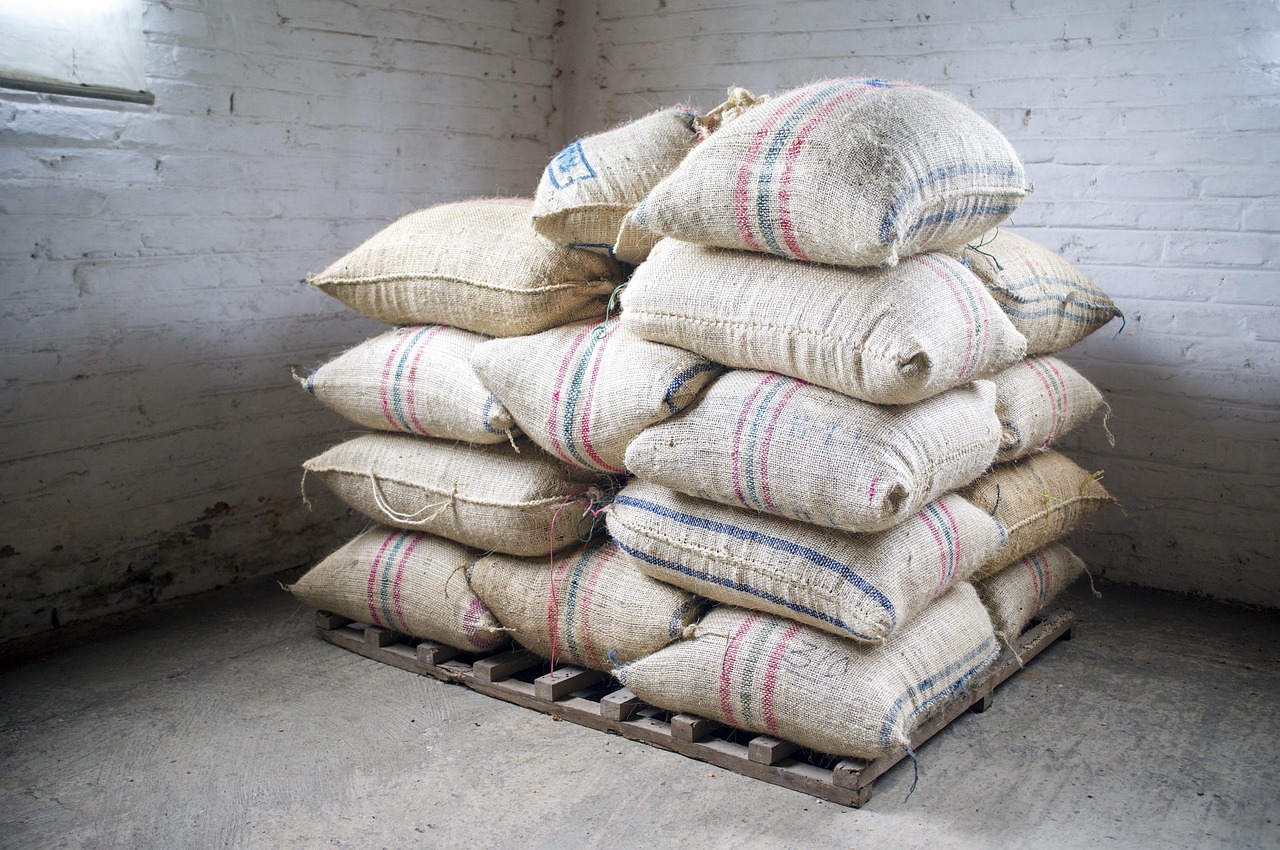
Packaging is a specification like any other. Bag size, bag material, print, inner liner, box, pallet configuration: all of it is set to your market. A brand selling to supermarkets needs retail bags with their own printing and barcodes. A brand selling to restaurants often wants plain, heavy boxes built for a back-of-house shelf, not a display. We produce to whichever you need, and we hold the print and the count consistent so your customer sees the same bag every time.
The moisture and fines control matters most at this stage, because packaging locks in whatever state the char was in when it went into the bag. Char bagged slightly damp will keep breaking down in transit and arrive as dust. Char bagged clean and dry arrives as the product you sold. This is not glamorous work. It is the difference between a repeat customer and a complaint.
Export: Getting It to Your Door
A container of charcoal is a regulated shipment, not a parcel. Charcoal has to be declared and documented correctly, and the paperwork differs by destination country. Getting this wrong holds a container at a port, and a held container costs money every day it sits.
We handle the export side as part of the OEM arrangement: documentation, fumigation certificates where required, moisture declarations, and the loading itself. How the char is packed and stowed in the container affects how much of it survives the journey intact, so this is not an afterthought. Our full approach is on the export page. When you compare OEM suppliers, ask how many countries they already ship to and ask to see the documentation they provide. A factory that exports regularly has solved problems a new exporter has not met yet.
Choosing an OEM Charcoal Partner
If you are evaluating a factory to make your brand, here is what actually separates a good partner from a risky one. Ask these before you sign.
Ask about raw material. Can they name the species and promise it for the length of your contract? A factory that dodges this question will give you a product that drifts.
Ask about the kilns and the people. Charcoal is a craft product. The skill is in the hands of the kiln workers and the graders. A factory that has run kilns for a long time and kept its people has consistency you cannot buy quickly.
Ask about the numbers. Fixed carbon, ash, moisture, fines, and piece size, batch by batch, in writing. If they will not put numbers on paper, they cannot hold a specification.
Ask about export experience. The best char in the world is worthless if it sits at a port. See our factory page for how our own operation is set up, and read our note on what makes Indonesian hardwood charcoal different if you are still choosing a source region. If you sell into barbecue, the BBQ charcoal page covers the grades that market expects.
When you are ready to talk specifications, contract volumes, and lead times, start on our OEM charcoal manufacturing hub. That is where a real conversation about your brand begins.
Recap
Oem charcoal manufacturing lets a brand sell charcoal it did not fire itself. The factory supplies the wood, the kilns, the skill, and the export; the buyer supplies the brand, the specification, and the market. The quality is decided in four places: the wood coming in, the carbonisation in the kiln, the grading at the table, and the packing and export at the end. A good OEM partner can name their wood, hold their numbers, and ship without drama. A weak one cannot, and the char will tell on them within a few batches.
If you are looking to put your own brand on charcoal that holds up, take the next step on our OEM charcoal manufacturing hub and send us your specification.
Source it directly
OEM Charcoal Manufacturing, factory direct.
Behind many respected charcoal brands stands a factory the customer never sees. We are that factory, manufacturing to your specification, packed in your brand, shipped to your market.