How to Choose BBQ Charcoal for Low and Slow Cooking
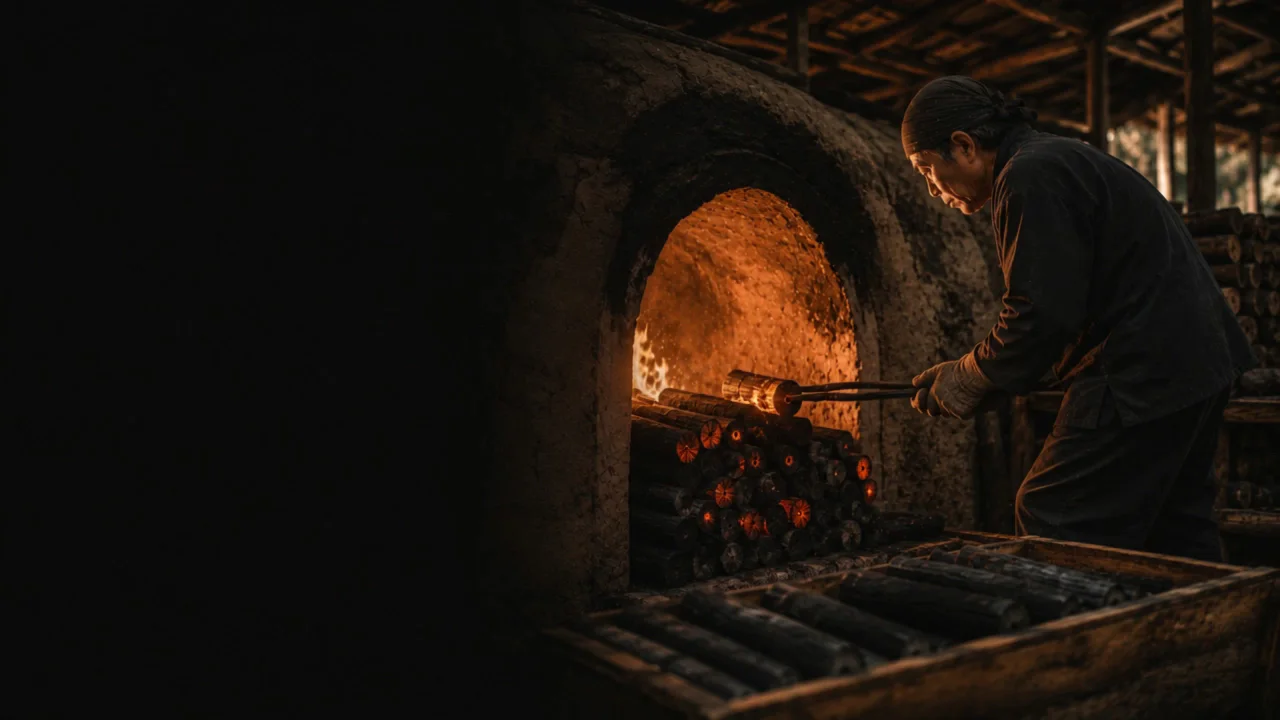
Most people buy charcoal by the picture on the bag. Buyers who run pits, smokers, and restaurant kitchens cannot afford to. When you cook a brisket for twelve hours or hold a pork shoulder at a steady temperature overnight, the fuel is not a detail. It is the whole job. This guide explains how to choose charcoal for low and slow cooking from the point of view of the people who make it. We fire kilns for a living. We see what separates fuel that holds a clean, even bed for half a day from fuel that spikes, dies, and coats your food in ash. If you import, distribute, or specify charcoal for a kitchen, this is what to look at before money changes hands.
What "low and slow" actually asks of the fuel
Low and slow is a narrow window. You are usually holding a cook chamber between 100 and 135 degrees Celsius, sometimes lower, for anywhere from four to sixteen hours. The meat renders fat and breaks down connective tissue slowly. Nothing about that is forgiving to bad fuel.
A fuel built for searing wants the opposite of what you need here. Searing rewards a fast, hot, short burn. Low and slow rewards a long, steady, low-output burn with as little intervention as possible. The pitmaster does not want to open the lid every forty minutes to add coals, because every time the lid opens the chamber loses heat and the cook stretches out.
So the fuel has three jobs. It has to light and settle to a stable coal bed without a long, smoky warm-up. It has to release heat at a low, even rate for hours. And it has to do that without throwing so much ash that airflow chokes and the fire smothers halfway through the night. Charcoal for low and slow cooking lives or dies on those three things. Everything below is about how the raw material and the burn decide them.
Density is the first number that matters
Pick up two pieces of charcoal the same size. If one is noticeably heavier, it will usually burn longer. That weight is carbon, and carbon is fuel. Denser charcoal packs more burnable material into the same volume, so a given firebox holds more cooking time before it needs a refill.
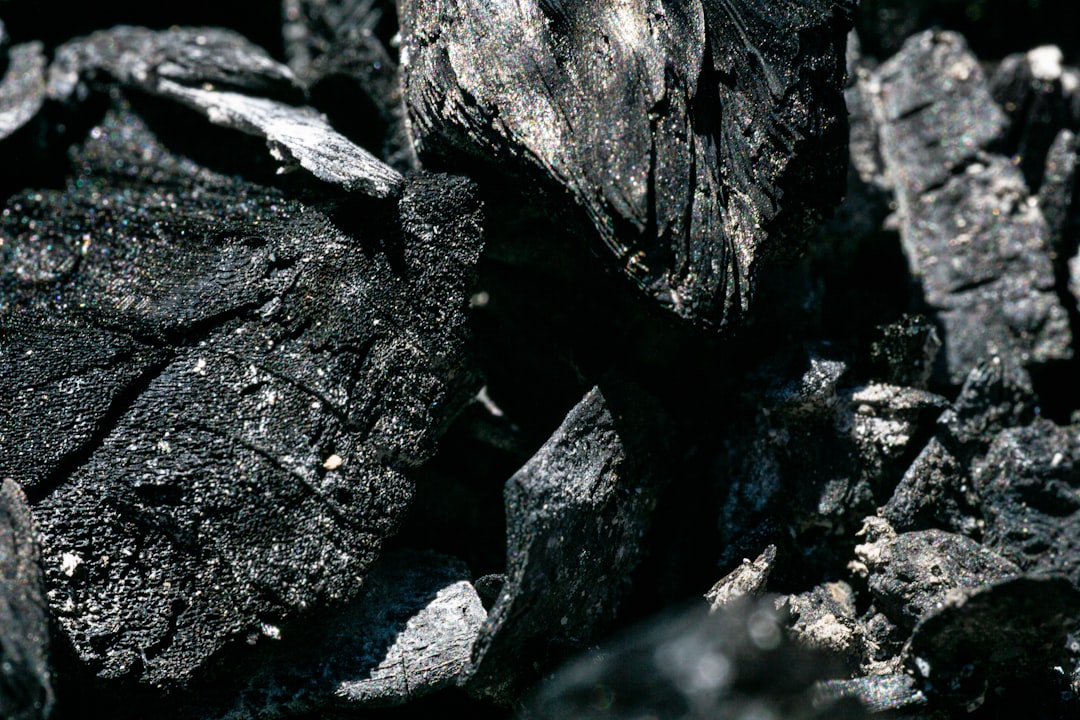
Density comes from the wood. Charcoal made from dense tropical hardwoods carries more mass per piece than charcoal made from soft, fast-grown timber. This is the single biggest reason Indonesian hardwood behaves the way it does for long cooks, and it is worth understanding why our raw material differs from what a buyer might get elsewhere. We cover that in detail in our note on what makes Indonesian hardwood charcoal different, but the short version is that slow-growing species with tight grain give a heavier, harder coal.
For a buyer, density is easy to spot check. Weigh a known volume of the product. A denser lump product or a dense briquette will simply give you more hours per kilogram in the pit. Do not trust the bag weight alone, because a bag can be heavy with moisture or with fine dust. Weigh clean, sized, dry pieces and compare like with like.
Burn time and the shape of the heat curve
Total burn time is the headline, but the shape of the curve is what a pitmaster feels. Two fuels can both last ten hours and behave completely differently. One climbs fast, peaks hot, then fades for the back half. The other settles into a flat plateau and holds it. For low and slow you want the plateau.
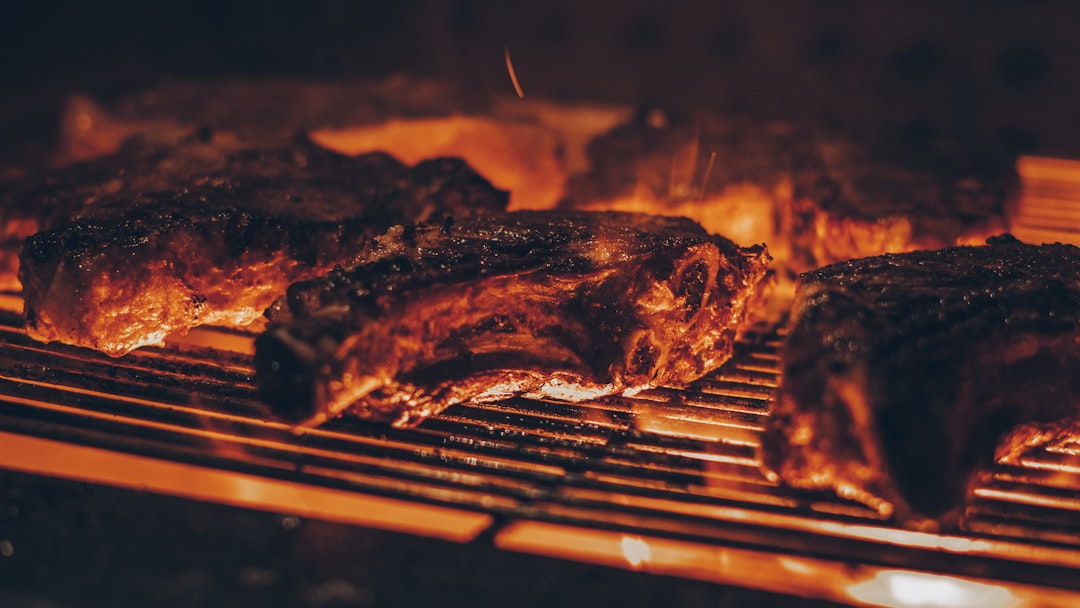
Lump charcoal made from a single hardwood species tends to burn cleaner and lights faster, but piece size varies, so the heat can be less even unless the product is well sorted. Briquettes, when they are made properly from charcoal fines and a natural binder, give a more uniform piece and therefore a flatter, more predictable curve. Neither is automatically better. The right answer depends on the pit and the cook. We break down the trade-offs in hardwood charcoal versus briquettes, and a serious buyer should read that before committing to one format for a customer base that cooks long.
What you do not want is a fuel that needs constant tending. If a coal bed drops fifteen degrees every time it is left alone for an hour, the cook is fighting the fuel all night. Test this directly. Load a chamber, set your target temperature, and record how long it holds within a five degree band without you touching it. That number tells you more than any marketing claim about hours.
Ash: the quiet reason long cooks fail
Ash is the part buyers overlook and pitmasters curse. As charcoal burns it leaves a mineral residue. Low ash fuel leaves a small amount of fine, light ash. High ash fuel leaves a large pile of it, and that pile is the problem.
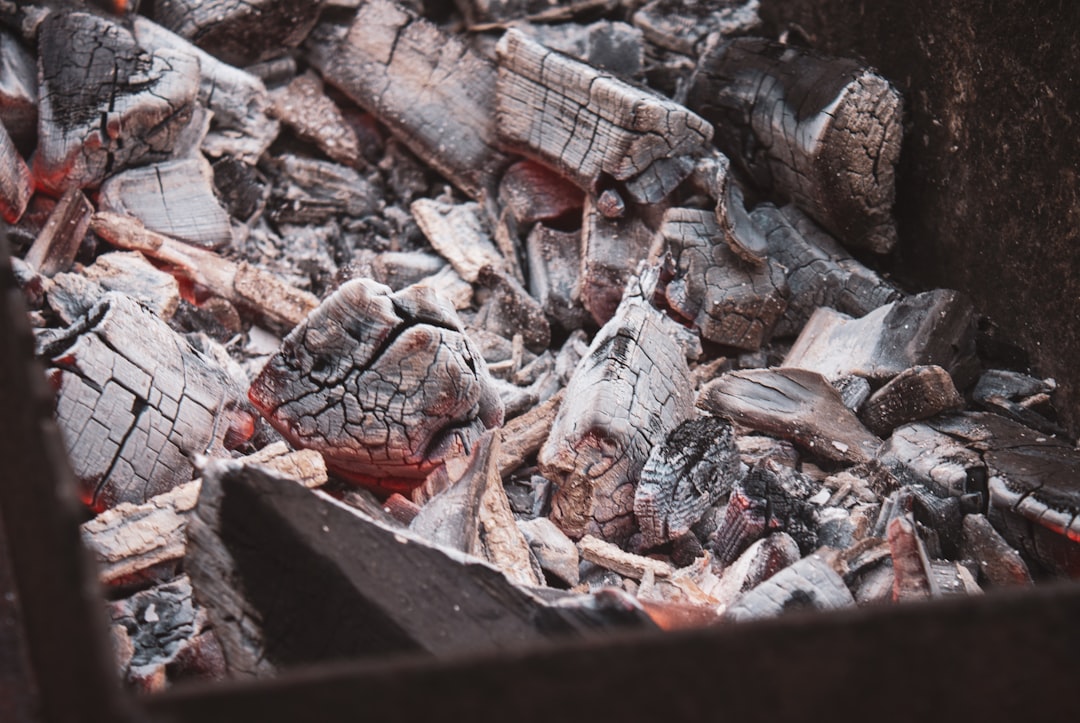
On a long cook the ash builds up under the coal bed. Airflow in most pits and smokers comes from below, up through the fuel. When ash accumulates it blocks that airflow. The fire gets starved of oxygen, the temperature sags, and the cook either stalls or dies. On a twelve hour brisket that is a ruined product and a ruined night.
Ash content traces back to the raw material and to how the charcoal was made. Clean hardwood, carbonised properly, produces little ash. Charcoal cut with bark, soil, or filler produces a lot. Briquettes made with cheap mineral binders and fillers ash heavily, which is why the wrong briquette is a poor choice for anything long even if it is cheap per kilo.
For a buyer, ash is measurable. Burn a weighed sample to completion and weigh what is left. Good hardwood lump can come in under three percent ash. Poor product runs far higher. This is exactly the kind of thing a supplier should be able to show you from their own quality control testing, with numbers, not adjectives. If a supplier cannot tell you their ash percentage, they are not testing it, and you are buying blind.
Moisture, sparking, and smoke you do not want
Three more properties decide whether a fuel is fit for a long cook.
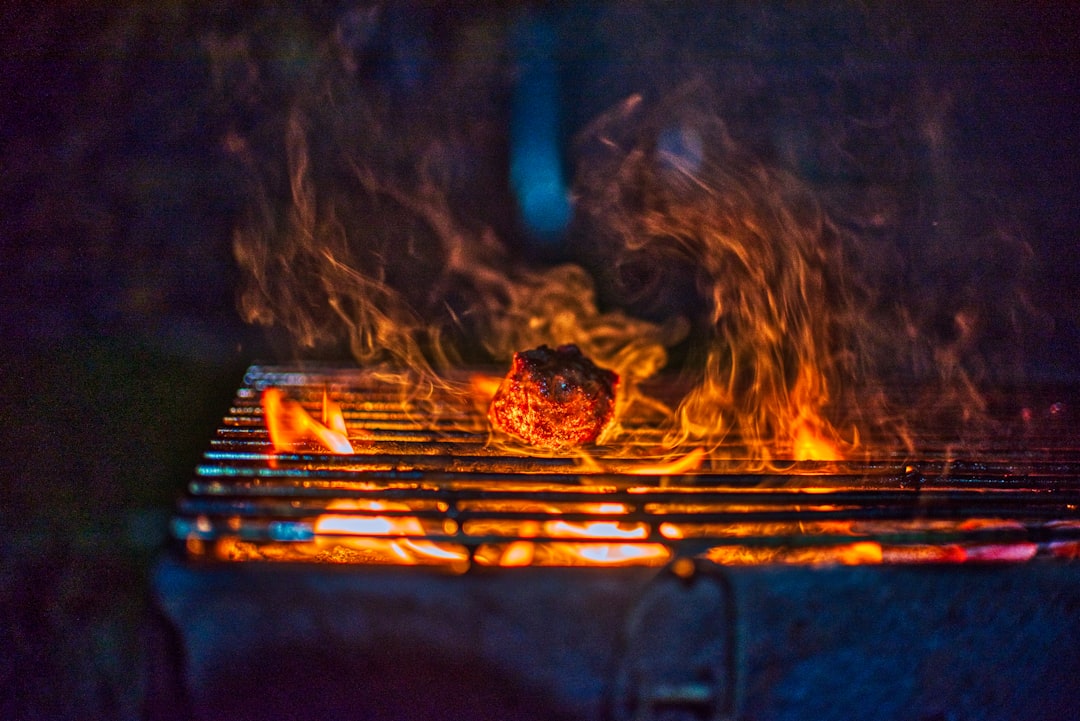
Moisture. Charcoal is porous and readily takes up water from humid air and poor storage. Wet charcoal is hard to light, burns cooler, and wastes energy boiling off water before it makes usable heat. It also produces steam and a sour smoke that does the food no favours. Well made, well packed charcoal should ship dry and stay dry. Ask how it is dried after carbonisation and how it is packed for the sea voyage, because a container crossing the equator sees a lot of humidity.
Sparking and popping. Some charcoal spits sparks and small fragments when it heats. This comes from trapped moisture pockets and from certain wood structures. In a closed smoker it is a nuisance. In an open setting it is a safety issue. Dense, properly carbonised hardwood tends to burn quietly. This is one of the reasons the highest grade of white charcoal is prized for indoor and close cooking.
Smoke and smell. For low and slow you generally want the charcoal itself to burn clean and neutral, then add your own smoke wood for flavour. A fuel that throws harsh, acrid smoke of its own will fight the flavour you are trying to build. Fully carbonised charcoal, with the volatile compounds already driven off in the kiln, burns cleaner than charcoal that was rushed and left half raw inside.
Matching format to the cook
There is no single best charcoal for low and slow cooking. There is a best charcoal for a given pit, a given cook time, and a given customer. Think in categories.
For pitmasters who want the longest, steadiest hold and the cleanest burn, the top choice is a dense white charcoal. Binchotan charcoal is the reference point here. It is carbonised at very high temperature, it is extremely hard and dense, it lights slowly but then holds a long, quiet, low output burn with almost no smoke and very little ash. It is the fuel serious grill kitchens reach for, and it suits patient cooking where the operator can plan a longer light. We supply it into demanding restaurant charcoal accounts for exactly these reasons.
For general low and slow across backyard pits and mid range smokers, a good hardwood charcoal in lump form gives long burn time, clean ash behaviour, and a natural burn with no binders. It lights faster than binchotan and forgives a less experienced hand. For buyers who want a natural, chunky product with real wood character, well graded lump charcoal is usually the right call.
For customers who value consistency and repeatable results above all, a properly made briquette gives the flattest curve and the most uniform piece. The caution, again, is binder and filler quality. A briquette is only as good as what went into it.
The point is to match the product to how the end user actually cooks. A distributor who understands this sells the right fuel to the right buyer and gets fewer complaints. A distributor who sells one grade to everyone gets returns from the people cooking longest, because those cooks expose every weakness in the fuel.
What to test before you order a container
If you are sourcing charcoal for low and slow cooking at wholesale, do not buy on a sample photo and a price. Run a short protocol on any candidate product.
Weigh sized, dry pieces to judge density and compare products honestly. Burn a weighed sample to completion and weigh the ash to get a real ash percentage. Run a hold test in a real pit at a real low and slow temperature and time how long it stays in band untouched. Check moisture by feel and, if you can, by weight before and after drying. Watch for sparking and note the smell of the smoke in the first thirty minutes. Break pieces open and look inside for a clean black carbon structure with no brown, unburnt wood core, which is the tell of a rushed kiln.
None of this is exotic. It is an afternoon of work that protects you from a container of fuel your best customers will reject. A supplier who makes good charcoal will welcome these tests, because the numbers are on their side. Understanding how the material is made helps you read the results, and our overview of the manufacturing process explains what a proper carbonisation actually does to the wood.
Working with a factory instead of a trader
There is a real difference between buying from a factory that fires its own kilns and buying from a trader who aggregates whatever is cheap that month. The factory controls the wood species, the carbonisation, the drying, and the grading. That control is what lets a supplier promise a consistent ash figure, a consistent density, and a consistent burn from one container to the next. Consistency is the thing a distributor is really buying, because a customer who got a great result last order and a poor one this order is a customer you are about to lose.
For private label and OEM buyers this matters even more, because your name is on the bag. When we handle export orders we treat the burn behaviour as the specification, not the packaging. If you are building a brand around long cooking, the fuel inside has to earn the repeat purchase every single time. That only happens when someone upstream is testing and holding the line on quality.
Recap
Choosing charcoal for low and slow cooking comes down to a few honest properties. Density gives you hours in the firebox. A flat heat curve gives you a steady chamber you are not fighting all night. Low ash keeps airflow open so the fire does not smother on the back half of the cook. Dry, quiet, clean burning fuel keeps steam, sparks, and off smoke out of your food. Format should match the cook: dense white charcoal for the longest, cleanest holds, good hardwood lump for versatile long cooks, and a well made briquette for repeatable results. Above all, test before you order, and buy from someone who tests too.
If you are sourcing fuel for buyers who cook long, start with our BBQ charcoal range and tell us how your customers cook. We will point you to the grade that holds the pit.
Source it directly
BBQ Charcoal, factory direct.
Serious BBQ needs charcoal that holds temperature through a long cook without flooding the food in smoke. Our hardwood BBQ charcoal is built exactly for that.