How to Start a Private Label Charcoal Brand
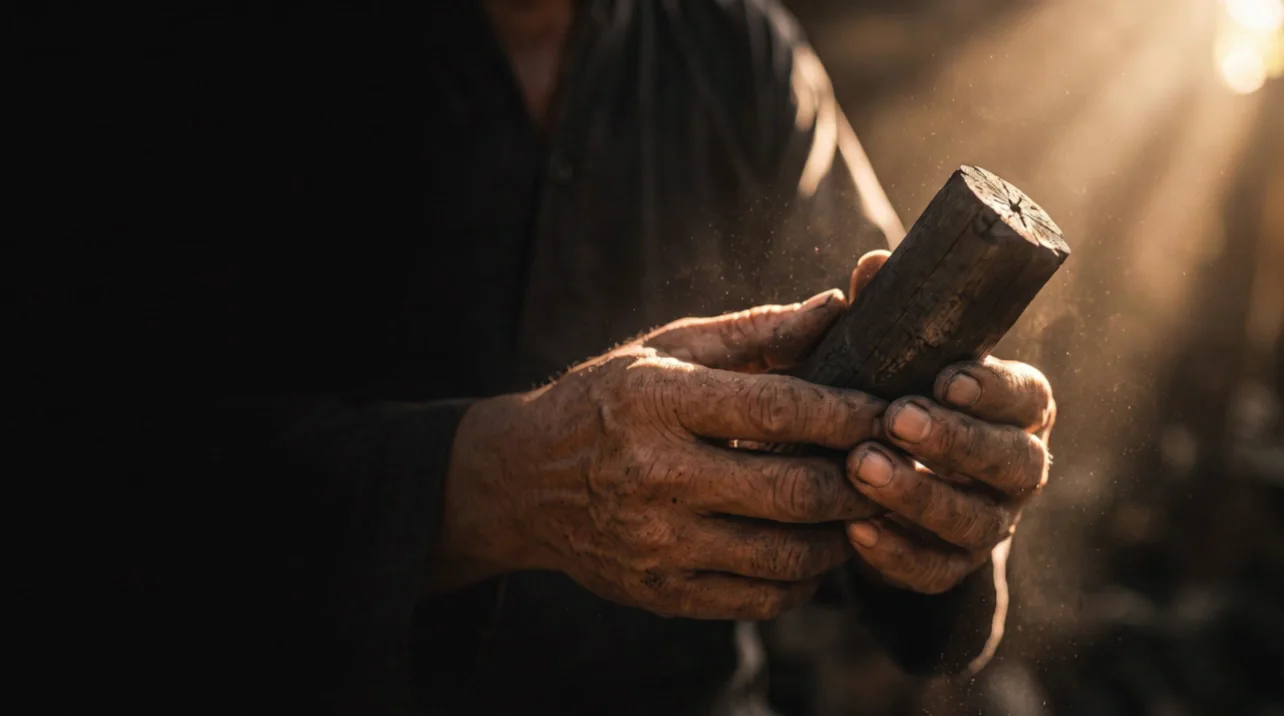
We run kilns for a living. Every week buyers write to us who want to put their own name on charcoal and sell it to restaurants, retailers, or online. Most of them have never seen a carbonisation yard, and that is fine. This article is what we tell them. It walks through how to start a private label charcoal brand from the factory side, the part that decides whether your product is any good before your logo ever touches a bag. Marketing sells the first order. The charcoal decides the second one. If you get the sourcing and the quality control right, the brand builds itself. If you skip them, no packaging will save you.
A private label charcoal brand means you sell charcoal made in someone else's factory under your own name. You do not fire the kilns. You choose the species, the grade, the cut, the moisture target, and the packaging, and a producer makes it to that specification. That is the whole model. The value you add sits in the specification and the relationship with the end buyer, not in owning ovens. Get comfortable with that split early, because it shapes every decision that follows.
Decide what kind of private label charcoal brand you are building
Before you talk to a single supplier, settle what you are selling. Charcoal is not one product. The three broad families behave differently, cost differently, and sell to different buyers.
Binchotan, or white charcoal, is the premium end. It is dense, it rings like metal when you tap two pieces together, it burns long and clean with almost no smoke, and it is what yakitori and robata kitchens ask for by name. It is also the hardest to make and the most expensive to buy. If your brand is aimed at restaurants and serious grillers, this is likely your hero product. Read our binchotan charcoal page for how it is graded and why the price sits where it does.
Hardwood lump charcoal is the workhorse. It lights faster than binchotan, throws more early heat, and suits general grilling and barbecue. Margins are thinner and the field is more crowded, but volume is larger and the buyer is easier to reach. Our hardwood charcoal range covers the common cuts here.
Briquettes are a separate world with their own machinery and their own economics. We do not press briquettes, and for a first private label brand we usually steer people away from them, because the barrier to a distinctive product is high and the market is dominated by scale.
Pick one family to launch with. A brand that tries to be binchotan and cheap barbecue lump at the same time confuses buyers and stretches your quality control across two very different processes. Start narrow. Widen later once you know your customer.
Know your buyer before you know your bag
The single most useful thing you can do early is decide who signs the purchase order. A private label charcoal brand aimed at a Japanese restaurant group is a different business from one aimed at supermarket barbecue shoppers.
Restaurant and hospitality buyers care about consistency, burn time, low smoke, and clean ash. They will test a sample against whatever they use now and they will notice a five minute difference in burn time across a service. They order in cases, reorder on a rhythm, and stay loyal when the product holds. If that is your target, look at how we frame restaurant charcoal, because the specification bar is higher and the tolerance for variation is lower.
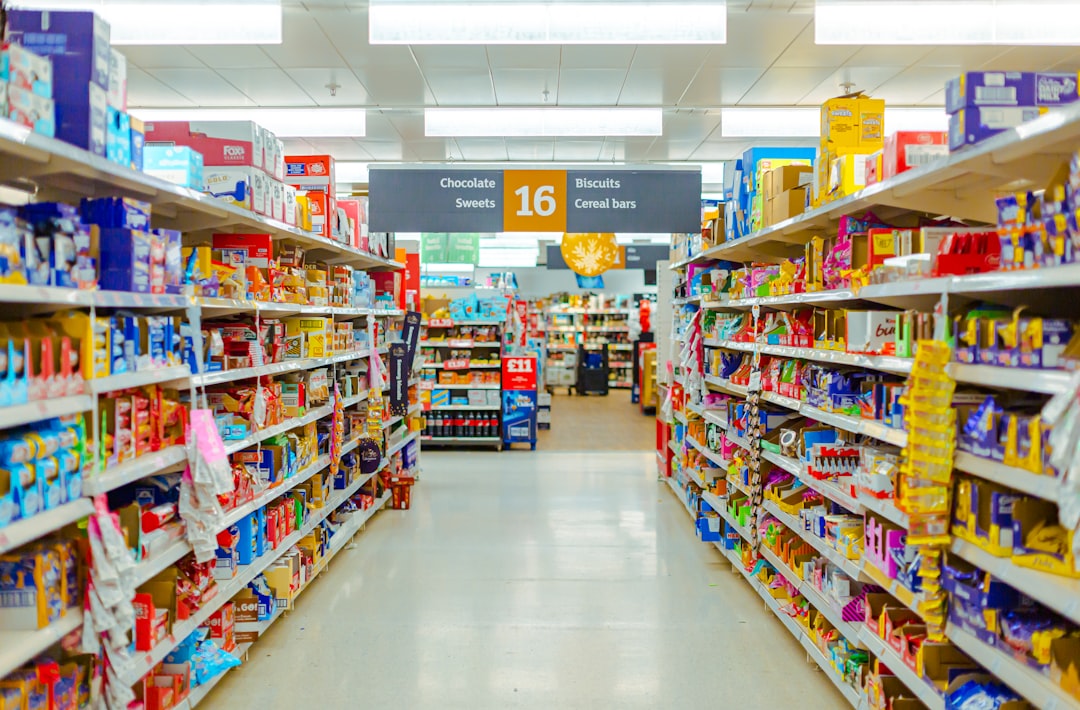
Retail and e-commerce buyers care about the bag on the shelf, the story, the price per kilogram, and whether the last bag performed. They forgive a little more variation but they punish a bad bag publicly in reviews. Their volumes can be larger but their loyalty is thinner.
Distributors and importers sit between you and both of the above. They care about landed cost, documentation, reliable lead times, and whether you can keep supplying when their own customers grow. They are the fastest route to volume and the least forgiving on paperwork.
Write down which of these you are chasing first. Everything downstream, the grade, the pack size, the price, the certifications, flows from that one answer.
Choose a factory, not just a price
This is where most new brands lose money, so slow down here. A quote is easy to get. A partner who ships the same charcoal in January that they shipped in June is rare.
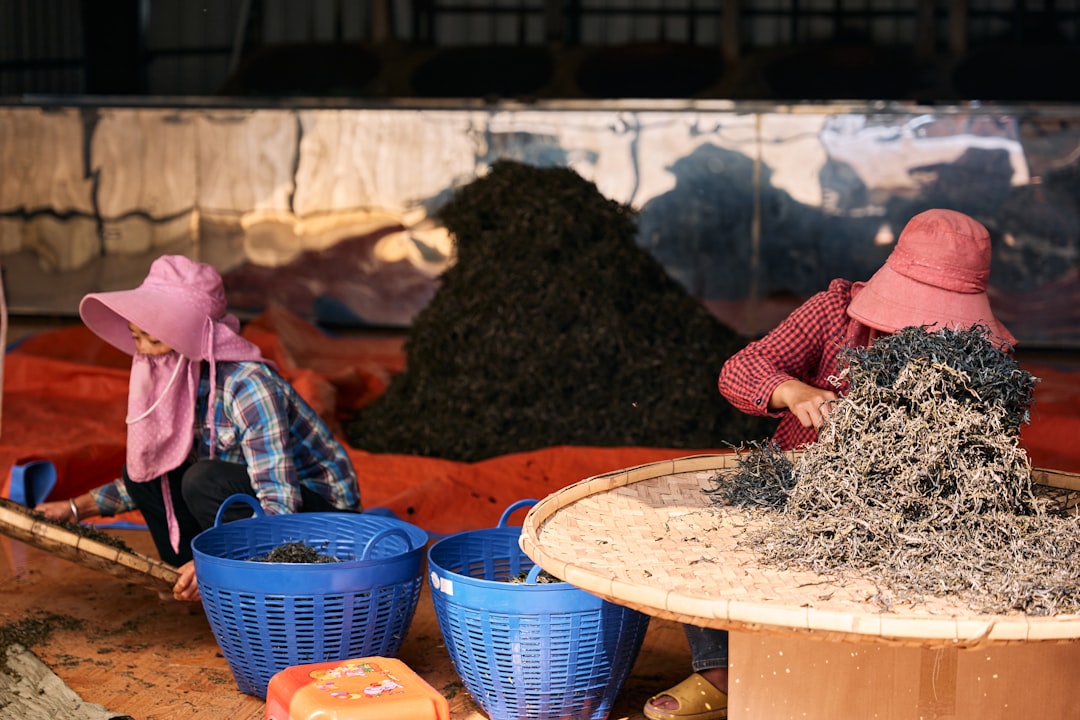
Ask to see the manufacturing process. A producer who cannot explain how they carbonise, how long a kiln cycle runs, how they control moisture, and how they sort grades is telling you something. Wood species, kiln type, and cycle time decide density and burn behaviour, and a factory that treats those as trade secrets it cannot even summarise is a factory that does not control them.
Ask about raw material. In our case the difference sits in the wood. Indonesian tropical hardwoods carbonise into a dense, long burning charcoal, and we go into why on what makes Indonesian hardwood charcoal different. Whoever you work with, you want a straight answer on what tree the charcoal came from and whether that supply is steady across seasons. Species drift is the quiet killer of consistency. If a factory swaps wood when their usual supply runs short, your burn time changes and your buyer notices.
Ask about capacity and honesty on lead time. A yard that can make your first pallet may not be able to make your fortieth on the same schedule. It is better to hear a realistic eight weeks than an optimistic three that becomes ten. Charcoal is a seasonal, weather exposed product. Rain slows drying. A supplier who admits that is more reliable than one who promises around it.
The private label and OEM charcoal arrangement should be written down: your specification, your pack, your grade tolerance, and what happens when a batch misses. If you want the mechanics of how a factory runs an own brand programme, we lay it out on how OEM charcoal manufacturing works.
Lock the specification in numbers
A brand lives or dies on how tightly its product is defined. Vague specifications produce inconsistent charcoal, because every batch drifts toward whatever is easiest that week. Tight specifications hold the line.

At a minimum, pin these down in writing:
- Species or species group. Not just hardwood, but which family, so density stays stable.
- Fixed carbon target. Higher fixed carbon burns hotter and longer. For premium grades you want it high and consistent.
- Moisture ceiling. Wet charcoal is heavy, hard to light, and smokes. A firm ceiling protects burn quality and stops you paying freight on water.
- Ash content. Low ash means a cleaner grill and a happier chef.
- Piece size and cut. Restaurants want consistent length for even beds. Retail wants a bag that looks whole, not a bag of dust.
- Fines tolerance. Every charcoal produces some breakage. Agree the maximum percentage of small pieces per bag before it ships, not after a complaint.
These numbers are the real content of your brand. Packaging is how you present them. This is why quality control is not a stage you add at the end. It is the thing you are actually buying from your factory. Ask how batches are tested, whether moisture is measured or guessed, and whether you can get a sample from the exact batch that will ship rather than a hand picked showpiece.
Sort out packaging and minimum order quantities
Once the charcoal is defined, the bag is a design and cost exercise, not a mystery. Decide pack sizes by buyer. Restaurants often prefer larger cases, ten or fifteen kilograms, because they burn through it fast. Retail leans to two, three, or five kilogram bags that sit on a shelf and lift with one hand.
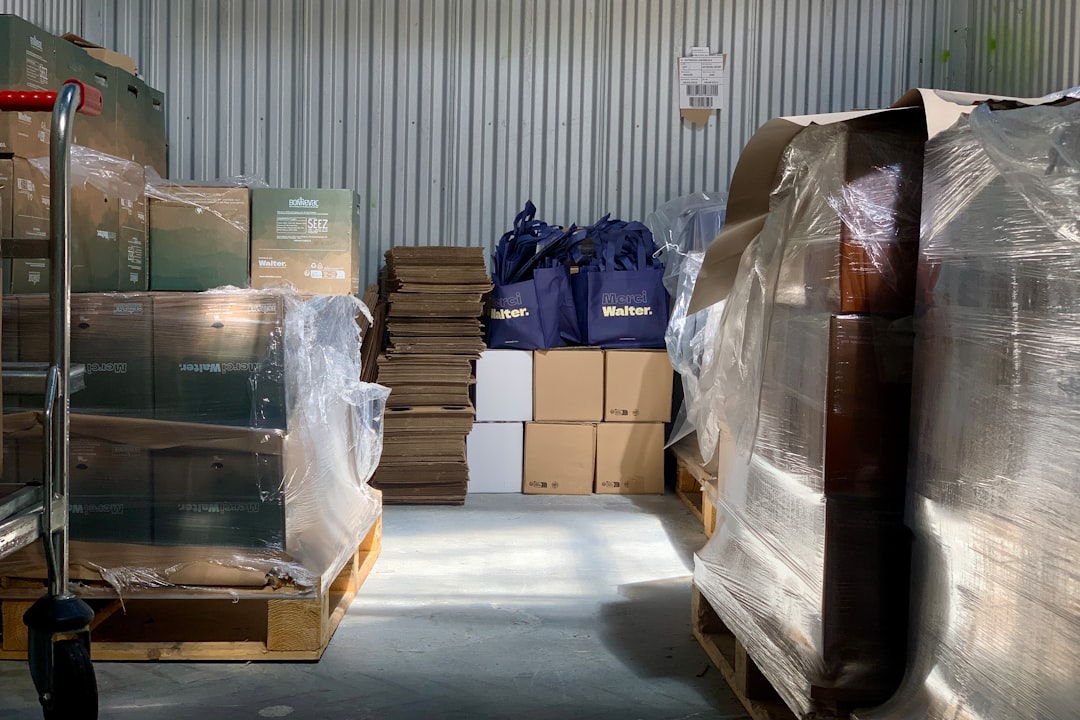
Packaging has to survive the journey. Charcoal is abrasive and it moves in transit. A thin bag arrives full of dust and broken pieces, and the buyer blames the charcoal, not the bag. Spend on a sack that holds up. Add a moisture barrier if your route is humid, because charcoal drinks water from the air and a damp bag lights badly.
Minimum order quantity is the number that surprises first time buyers. A factory sets a floor because a kiln run and a packaging print run both have fixed costs. Printed custom bags usually carry a higher MOQ than plain bags with a printed label applied. If your first order is small, a common path is to start with a stock bag and a branded label, then move to fully printed packaging once volume justifies the print minimum. Ask the factory to quote both ways. It saves cash while you prove the product sells.
Get the export and paperwork right
If you are buying from Indonesia and selling abroad, the shipment is a real part of the product. A brilliant charcoal stuck in customs is a dead brand for that quarter. Our export page covers how we handle documentation, but the principles hold with any producer.
Know the incoterm you are agreeing to. Ex works, FOB, and CIF put very different responsibilities and costs on you. A cheap ex works price can become expensive once you add inland haulage, port charges, and freight that you did not budget for. Get the landed cost per kilogram, not just the factory gate price, before you set your own selling price.
Confirm which documents your destination country requires for charcoal and that your supplier can produce them every time, not just once. Fumigation certificates, certificates of origin, and any legality or sustainability documentation matter, and charcoal is watched closely on the sustainability front. Buyers increasingly ask where the wood came from and whether it was legally sourced. Being able to answer is becoming part of the sale, which is why we treat sustainability as a commercial asset and not just compliance. A brand that can prove clean sourcing wins shelf space that a cheaper, murkier competitor cannot.
Order a pre production sample and a pre shipment sample. The first confirms the specification is achievable. The second confirms the batch actually loading matches it. Skipping the second sample to save a week is the most expensive week you will ever save.
Price the brand so it survives the second order
Set your price from landed cost, not factory price. Add freight, duties, packaging, wastage from fines, and your own margin, then check that number against what your target buyer already pays. If you are premium, your private label charcoal brand has to justify the premium in the grill, not just on the label. If you are value, you need volume and tight cost control, because the margin per bag is thin.
Do not price the first order to win and the reorder to lose. New brands often quote a low introductory price to land a buyer, then discover the real cost leaves nothing on the repeat sale. Model the steady state price first. If it does not work at normal volume with honest costs, the brand does not work, and better to learn that on a spreadsheet than on a warehouse full of charcoal.
A simple order of operations
If you want the whole thing as a sequence, here is how we tell buyers to move:
- Pick one charcoal family and one target buyer.
- Write the specification in numbers.
- Shortlist factories that can explain their process and their wood.
- Order samples and test them against the buyer's current product.
- Agree MOQ, packaging, incoterm, and documentation in writing.
- Run a pre shipment sample before the container loads.
- Price from landed cost and protect the reorder margin.
Work that list in order and a private label charcoal brand stops being a gamble and becomes a supply decision you can actually manage.
Recap
A private label charcoal brand is built on specification and sourcing, not on packaging. Choose one charcoal family and one buyer type first. Define the charcoal in hard numbers for species, fixed carbon, moisture, ash, size, and fines, and treat quality control as the thing you are buying. Pick a factory that can explain its process and its wood rather than just its price. Nail packaging, minimum order quantity, export incoterms, and documentation before you commit, and price the brand from landed cost so the second order still earns money. Do those things and the charcoal carries the brand for you.
When you are ready to specify a grade, sample a batch, and talk MOQ and packaging, start at our hub for building a private label charcoal brand and we will take it from there.
Source it directly
Private Label Charcoal, factory direct.
Retail buyers want a charcoal brand they control. We manufacture and pack it, your logo, your bag, your story, on top of charcoal quality that earns the repeat purchase.