Can You Use Wood in a Charcoal Grill?
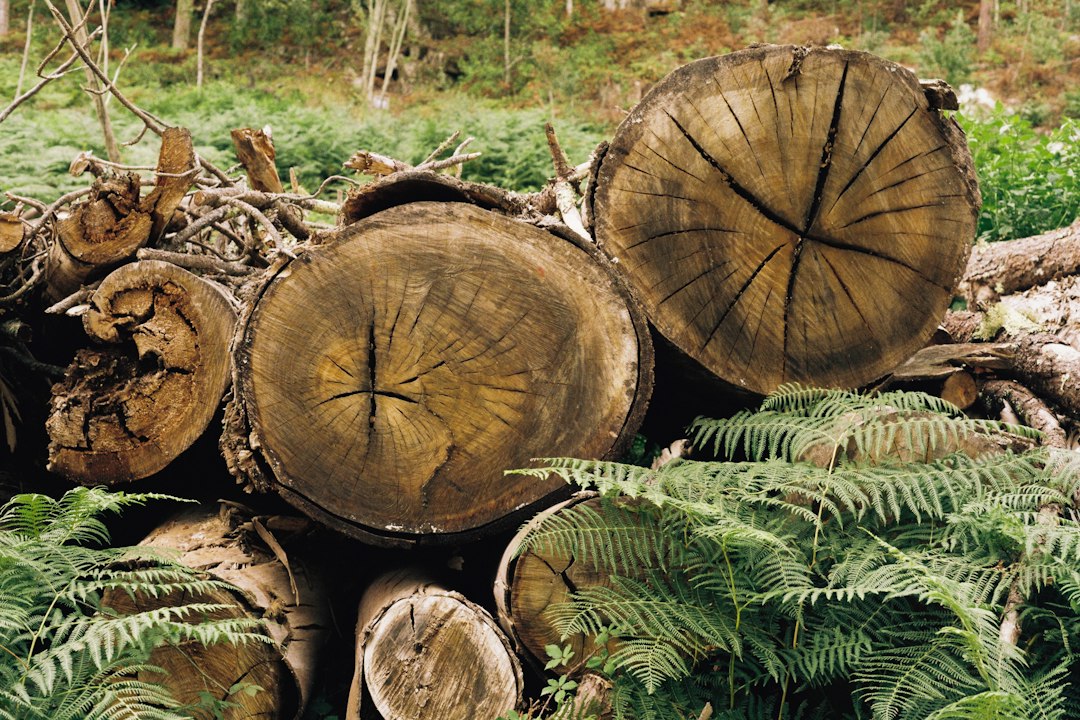
People ask us this every week, from backyard cooks to restaurant buyers placing their first container order. Can you use wood in a charcoal grill? Yes, you can. Wood burns, and a charcoal grill is just a vessel that holds burning fuel under a grate. But burning well and cooking well are two different things, and the gap between them is the whole reason charcoal exists as a product. We fire kilns for a living, so we see this question from the fuel side rather than the recipe side. This article explains what happens when you put wood in a charcoal grill, when it is a good idea, when it works against you, and what all of it means if you are buying charcoal to resell, to supply a kitchen, or to put your own brand on.
The Short Answer, And Why It Needs A Longer One
You can load a charcoal grill with split logs or wood chunks and set them alight. The grill will not break, the food will not be poisoned, and in some cooking styles this is exactly what skilled people do on purpose. So the honest answer to the question is yes.
The reason the short answer is not enough is that a charcoal grill is usually small, usually enclosed, and usually fed a modest amount of fuel. Raw wood behaves very differently from charcoal in that kind of space. It carries water, it carries volatile compounds, and it burns in stages rather than at a steady glow. Those traits are not flaws in the wood. They are simply what wood is before a kiln turns it into charcoal. Understanding them is the difference between a buyer who knows what they are selling and one who repeats marketing lines.
What Wood In A Charcoal Grill Actually Does
When you put wood in a charcoal grill and light it, the wood goes through three overlapping phases. First it dries. Any moisture still held in the fibres has to boil off before the wood will properly catch, and that steam carries energy away from your cook rather than into it. Even air-dried firewood holds a meaningful amount of water. Freshly cut or poorly stored wood holds far more, and it will hiss, smoke, and refuse to settle.
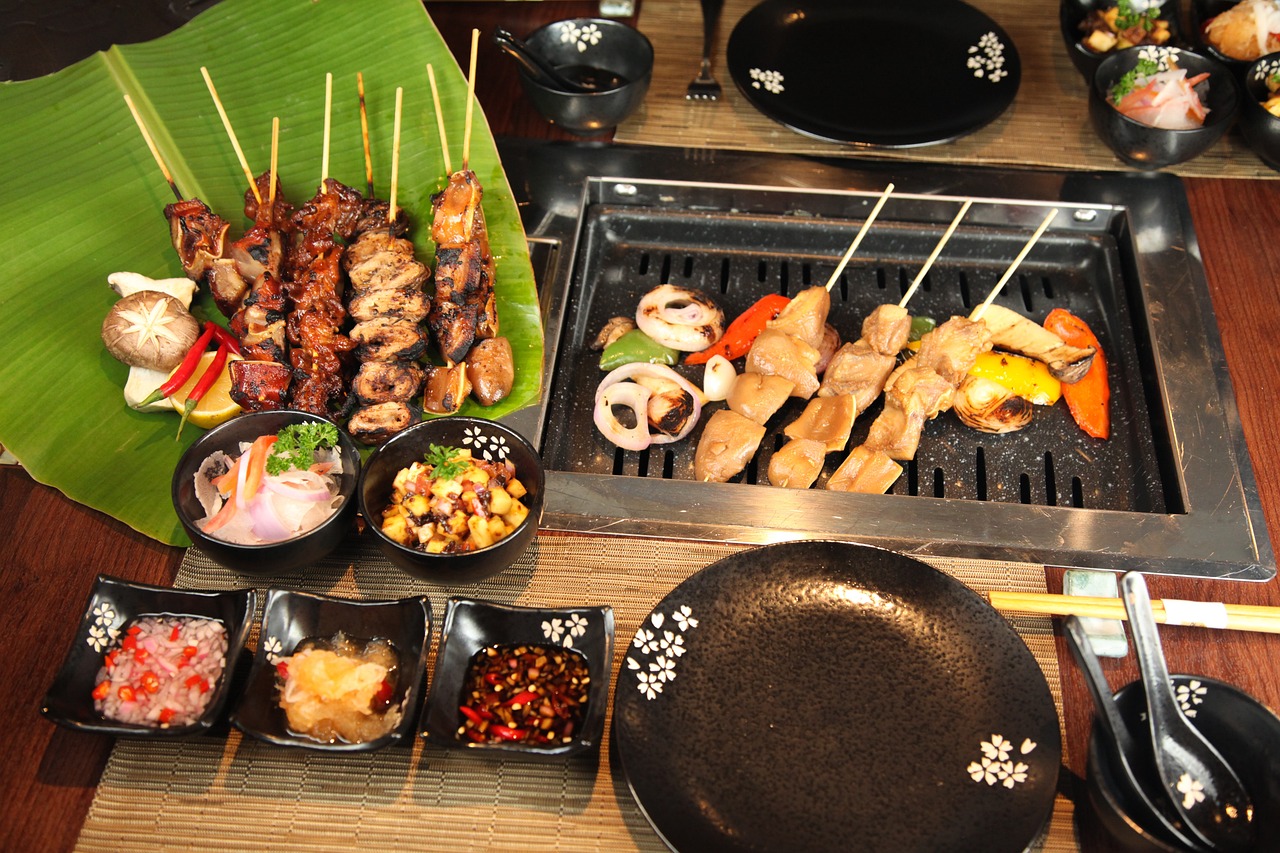
Second, the wood releases its volatiles. As the temperature climbs, the wood gives off a cloud of gases and tars. This is the stage that produces most of the visible smoke and most of the raw, acrid flavour that people associate with a badly managed fire. Some of that smoke is desirable in small, controlled amounts. A lot of it is not, and in a closed grill it has nowhere to go but onto the food.
Third, once the volatiles have largely burned off, you are left with glowing char. This final stage is clean and hot and steady, and it is the part of the fire that actually cooks like charcoal does. The problem is that with raw wood you have to pass through the first two stages to reach it, every time, in the same chamber where your food is sitting.
Charcoal skips the first two stages entirely. We have already driven off the water and the volatiles in the kiln, under controlled heat and limited oxygen. What arrives in your bag is close to pure carbon. That is why charcoal lights into a clean, steady, high heat so quickly, and it is the single most important thing to understand about wood in a charcoal grill: the wood has to do inside your grill what we do inside the kiln.
Wood Versus Charcoal As A Fuel
It helps to line the two fuels up against each other on the points that matter to a cook and to a buyer.

Heat. Good hardwood charcoal burns hotter and more evenly than most wood of the same volume, because it is denser in usable carbon and free of the water that steals energy. Raw wood gives you flame and spectacle, but the steady searing heat comes late in the burn, once the char forms.
Consistency. A bag of graded charcoal burns in a predictable way from one piece to the next. Wood varies by species, by how it was dried, by the size of the split, and by how long it sat in a damp shed. For a home cook on a weekend that variation is tolerable. For a kitchen running the same dish three hundred times a night, it is a liability.
Smoke. Wood produces far more smoke, and most of it in the early phase before the food should really be exposed. Charcoal produces very little smoke of its own, which is why many chefs cook over charcoal first and then add a small, deliberate piece of wood for aroma.
Ash and residue. Raw wood tends to leave more ash and more unburned tar, especially if it never fully reaches the char stage. Clean charcoal leaves a small amount of fine ash and little else.
Time. Wood demands tending. You light it early, you wait out the smoke, you manage the flare-ups. Charcoal is ready sooner and asks less of you once it is lit. In a commercial setting that labour difference shows up directly on the wage bill.
None of this means wood is a poor fuel. It means wood is a raw material. Charcoal is that same raw material with the troublesome stages already removed. If you want to understand the step that separates them, our page on the manufacturing process walks through how we carbonise wood in the kiln and why the result behaves the way it does.
When Putting Wood In A Charcoal Grill Makes Sense
There are real cases where wood belongs in the grill, and a good supplier should be honest about them rather than pretending charcoal is the only answer.

The first case is flavour. A cook who already has a bed of hot charcoal established can lay a single chunk or a handful of chips of a flavour wood onto it. Oak, fruit woods, and similar species give off aromatic smoke as they heat. Because the base heat is already coming from clean charcoal, the cook gets the aroma without having to live through the whole smoky warm-up phase. This is the most common and most sensible way to use wood in a charcoal grill, and it is really charcoal cooking with wood as a seasoning.
The second case is low and slow smoking. In large offset smokers and barrel cookers, pitmasters do run wood as the main fuel, because the firebox is separate from the cooking chamber and the smoke is drawn across the food in a controlled stream. But note what has changed: the design of the equipment now handles the stages that a small grill cannot. If you are advising a buyer on this style, our guide on how to choose BBQ charcoal for low and slow covers how charcoal and wood are often combined for exactly this.
The third case is simple availability. In some markets wood is cheap and local and charcoal is not. People cook with what they have, and they get good results through skill and patience. That is a legitimate reason, and it is also precisely the gap that an importer fills by bringing in graded charcoal that performs more reliably than the local firewood.
The Problems Buyers Hear About From Their Customers
When a distributor or a shop sells to end users, the complaints that come back are usually the same handful, and they are worth knowing in advance.

Too much smoke and a bitter taste. This is almost always raw wood burning in its volatile phase, or charcoal that was never properly carbonised. Food cooked in that smoke picks up a sharp, sooty flavour that most people dislike. The fix is either clean charcoal or patience with the wood fire, and most customers do not want to be patient.
Slow to get going. Wood takes time to reach useful heat, and a customer who expected to cook in twenty minutes is annoyed at forty. Charcoal, especially good lump, lights faster and settles faster.
Uneven cooking. Logs of different sizes and moisture levels create hot spots and cold spots. One side of the grill sears while the other barely warms. Graded charcoal gives a much flatter, more even bed.
Sparks and spitting. Wood with pockets of moisture or sap can pop and throw embers. In a tight backyard or a busy kitchen line, that is a safety issue, not just a nuisance.
Every one of these points is really a point in favour of selling charcoal, because every one of them is a stage the kiln has already handled. When a customer asks you whether they can use wood in a charcoal grill, the useful answer is yes, and here is what to expect, and here is the charcoal that avoids most of it.
What We Tell Importers And Restaurant Buyers
Our buyers are not usually the ones standing at the grill. They are moving volume, protecting a brand, or feeding a kitchen on a schedule. For them the question of wood in a charcoal grill is really a question about reliability and margin.
For restaurant supply, consistency wins almost every time. A kitchen cannot have the fuel behaving differently from one service to the next, and it cannot spare the labour to nurse a wood fire through its smoky stage during a dinner rush. This is why so many grill-forward restaurants build their line around charcoal and treat wood as an optional aroma on top. If you supply kitchens, our page on restaurant charcoal explains the grades and formats that hold up under that kind of use, and our note on charcoal for restaurants and volume planning helps with ordering rhythm.
For private-label and retail buyers, the lesson is about what you put on the bag and what you promise. If you sell firewood as grill fuel, you are selling a product that asks a lot of the customer. If you sell clean, graded charcoal, you are selling performance that the customer can repeat. Many of our private-label charcoal partners started out fielding the same wood question from their own customers and decided the simpler answer was a reliable charcoal under their own name.
For buyers weighing which charcoal, the honest framing is that charcoal is processed wood, and the processing is the value. Our hardwood lump keeps the character of the wood it came from while removing the water and volatiles that cause the problems above. If you want the full picture of that product line, start with our hardwood charcoal hub, which is where most buyers find the grade that fits their market. For a deeper look at the burn behaviour itself, the article on how wood charcoal burns sits right alongside this one.
How This Shapes A Charcoal Order
If you take the fuel logic seriously, it changes what you order and how you describe it.
You stop treating charcoal and firewood as interchangeable and start treating charcoal as the finished grade and wood as either a raw input or a flavour accessory. You choose formats that match the cooking your end users actually do. A high-heat searing crowd wants dense lump that burns hot and clean. A low and slow crowd may want a charcoal that holds a long, steady temperature and tolerates a chunk of flavour wood on top.
You also pay attention to moisture and carbonisation on the supply side, because those are the exact traits that separate good charcoal from wood that only half became charcoal. Charcoal that was rushed through the kiln still carries some of the raw wood problems into the grill. That is why we hold to tight quality control before anything ships, and why moisture gets measured rather than guessed. A bag that behaves like clean charcoal is a bag that will not generate the wood complaints listed above.
Finally, you set customer expectations in your own copy. If you tell buyers plainly that yes, they can put wood in a charcoal grill, and here is what it does, and here is why your charcoal is the easier path, you sell more and you field fewer returns. Honesty about the fuel is not a weakness in the pitch. It is the pitch.
Recap
Can you use wood in a charcoal grill? Yes. Wood burns, and in the right hands and the right equipment it cooks well, especially as a flavour layer over an established charcoal bed or as the main fuel in a smoker built to manage its smoke. The catch is that raw wood has to pass through a wet, smoky, uneven warm-up inside your grill, doing there what a kiln would otherwise do in advance. Charcoal is that same wood with those stages already removed, which is why it lights faster, burns hotter and cleaner, and behaves the same from one bag to the next. For home cooks the trade-off is a matter of taste and patience. For importers, distributors, restaurants, and private-label brands, it is a matter of reliability, labour, and margin, and that is where graded charcoal usually wins.
If you are deciding what to stock or supply, the clearest next step is to look at the finished product rather than the raw log. Start with our hardwood charcoal range, and talk to us about the grade that matches how your customers actually cook.
Source it directly
Indonesian Hardwood Charcoal, factory direct.
Dense hardwood charcoal carbonized in traditional kilns from carefully selected Indonesian hardwood. Built for long, clean, stable burns, trusted by importers, distributors, and restaurants worldwide.