Charcoal for Restaurants: How Much a Grill Burns
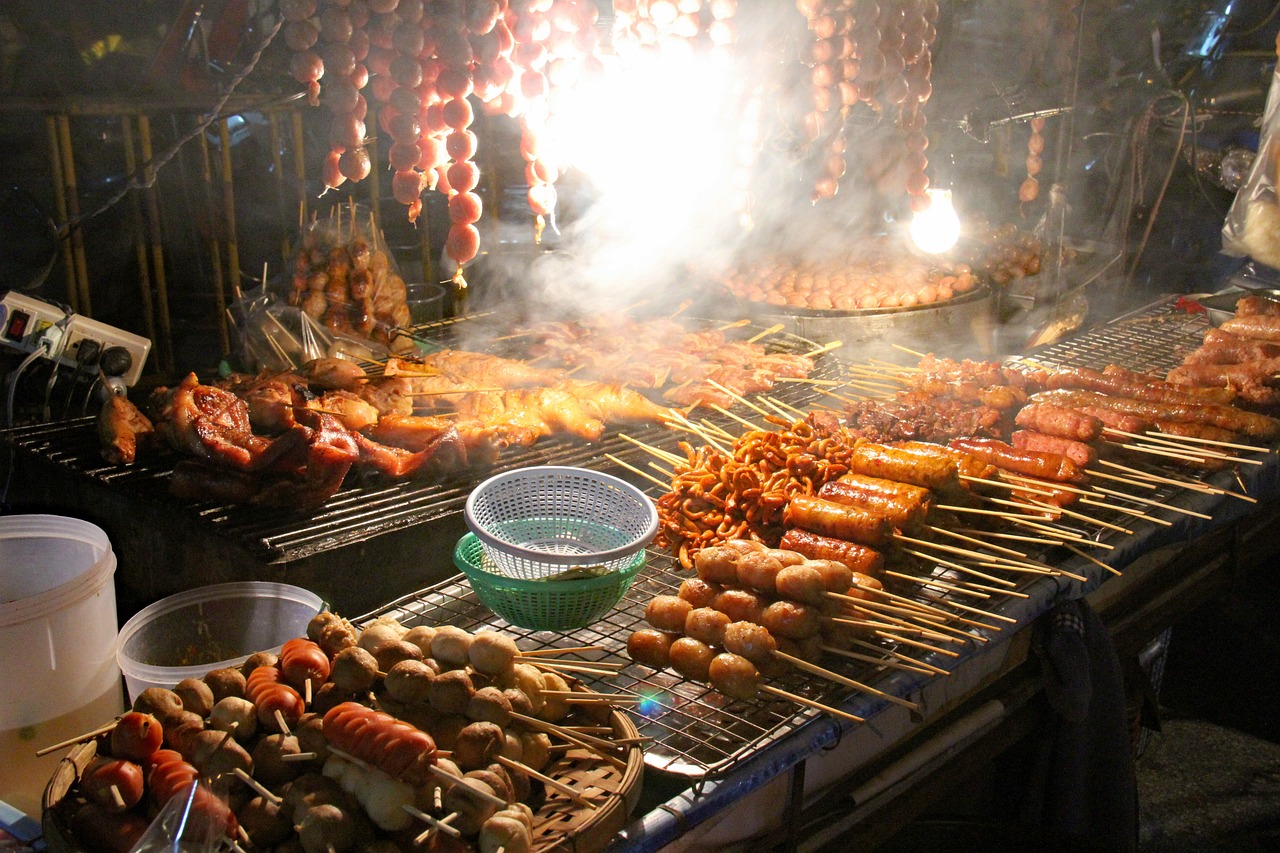
Most buyers ask us for a price per tonne before they ask how much their kitchen actually burns. That is the wrong order. A price only means something once you know how many kilograms a service uses, how fast the bed dies, and how much of a bag ends up as dust you cannot cook on. We fire kilns for a living, and we sell charcoal for restaurants across a lot of markets, so this article works through the numbers a grill goes through in a real week. Get the burn rate right and the price per tonne almost sorts itself out.
We will keep this practical. No romance about flavour, no talk of secret woods. Just what a grill consumes, why two charcoals at the same price cost you different money, and how to size an order so you are not paying to ship air or reordering every ten days.
Why Burn Rate Beats Price Per Kilo
A restaurant does not spend money on charcoal by the kilo. It spends money by the hour of open fire. Those are not the same thing, and the gap between them is where kitchens lose margin without noticing.
Take two bags at the same price. One is dense hardwood lump that holds a working heat for three hours on a single load. The other is lighter, younger charcoal that flares hot, looks impressive for forty minutes, then greys over and needs topping up. On the shelf they cost the same. On the line the second one costs you nearly double, because you burn through more bags to keep the same grill hot across a dinner service, and a cook is standing there feeding it instead of plating.
This is the single number that decides whether charcoal is cheap or expensive for you: kilograms burned per hour of usable cooking heat. A dense charcoal with a long, steady burn will always beat a cheap bag that dies fast, even when the cheap bag wins on the invoice. When we talk about hardwood charcoal versus lighter grades, this is the difference we are pointing at.
So before you compare quotes, measure your own burn. Weigh a bag, run a normal service, weigh what is left, and note the hours. Do it three nights. Now you have a real figure, and every quote in your inbox can be judged against it instead of against a number on a website.
How Much A Grill Actually Burns
Here are working figures from kitchens we supply. Treat them as starting points, because your grill size, how long you stay open, and how hot you run all move the number.
A single small yakitori or robata grill, the kind running skewers over a narrow bed, burns roughly two to four kilograms an hour once it is up to temperature. That sounds low until you count the hours. Light it an hour before service, run five hours of dinner, let it coast at the end, and you are at fifteen to twenty five kilograms for one grill in one night. Over a six day week that is a hundred kilograms or more from a single station.
A larger open grill, a parrilla or a wide steak grill with a deep bed, is a different animal. These can pull five to ten kilograms an hour when they are loaded and busy. A steakhouse running two of those through a long service is not shocked to see fifty to eighty kilograms disappear in a night. Across a month that station alone can be well over a tonne.
Binchotan and white charcoal change the maths again. They are slow to light and they burn clean and long, so the per hour figure drops, but you spend more at the start of service getting the bed going. If you run binchotan charcoal you tend to light more than you think you need, hold a reserve lit in a chimney, and feed the grill in small amounts. The bed lasts, and a good binchotan can often be knocked out, stored, and relit the next day, which recovers charcoal a lump grill would have wasted.
Now stack these. A mid sized grill restaurant with one robata and one open grill, six days a week, is realistically in the range of one to two tonnes a month. A busy steak house with multiple large grills can run three tonnes or more. Those numbers are why sizing an order matters. A kitchen that guesses low reorders constantly and pays premium freight on small loads. A kitchen that guesses high ties up cash and floor space in bags it will not touch for a season.
What Charcoal For Restaurants Means For Your Order
This is the heading most buyers skim, so read it slowly, because it is where the money is. When you buy charcoal for restaurants you are not buying one property, you are buying four at once, and a weak one drags the rest down.

First, burn time. Covered above. It is the property that decides your true cost per service, so it comes first.
Second, consistency of piece size. A box where half the pieces are fist sized and half are gravel is not a bargain even when it is cheap. The big pieces burn one way, the small ones choke the bed and turn to ash, and your cook cannot build an even fire. Even sizing means an even heat, and an even heat means fewer ruined plates. When we grade lump charcoal for restaurant accounts we screen out the fines, because a chef is paying for cooking pieces, not for the dust at the bottom of the sack.
Third, fines and breakage. Every charcoal makes some dust. The question is how much, and whether it survived shipping or shattered on the way. A charcoal that arrives as twenty percent powder has quietly raised your real price by twenty percent, because you cannot cook on powder. This is largely a packing and handling problem, and it is why export packaging is not a detail. A bag built for a long sea voyage protects the pieces. A cheap bag lets them grind each other to grit in the container.
Fourth, moisture and smoke. Charcoal that was not dried properly, or that drank humidity in a bad warehouse, spits, smokes, and refuses to hold heat. For a kitchen cooking over an open flame in front of guests, smoke is not a small thing. It taints food and it fills a dining room. Properly finished charcoal lights clean and settles to a steady glow with almost no smoke once the bed is set.
Charcoal for restaurants is the balance of those four. A grade can be brilliant on burn time and terrible on fines, and the fines will cost you the margin the burn time saved. When you judge a sample, judge all four, not the one the seller wants you to look at.
Matching The Charcoal To The Grill
Not every kitchen needs the same grade, and buying up when you do not need to is its own kind of waste.

If you run a high end yakitori, robata, or a bar where guests can see the fire, binchotan and white charcoal earn their higher price. They burn long, throw a clean even heat, barely smoke, and they relight, so the extra cost per kilo comes back through longer burn and less waste. This is the grade where paying more is the cheaper decision, which is the point we make in more detail in why restaurants use binchotan.
If you run a busy open grill turning out volume, a good dense hardwood lump is usually the right call. It lights faster than binchotan, gives you a strong workable heat, and costs less per kilo. You will burn more of it per hour, but the lower price and quicker start suit a station that reloads all night. If you are weighing this against briquettes, we lay out the trade in hardwood charcoal versus briquettes.
Many kitchens end up running two grades. A slow clean charcoal on the show grill, a cheaper faster lump on the back grill doing volume. There is no prize for using one charcoal everywhere. Match the grade to what each station actually does, and your total charcoal bill drops without a single plate getting worse.
Sizing The Order So You Stop Guessing
Once you have your real monthly burn, sizing is arithmetic, not guesswork.
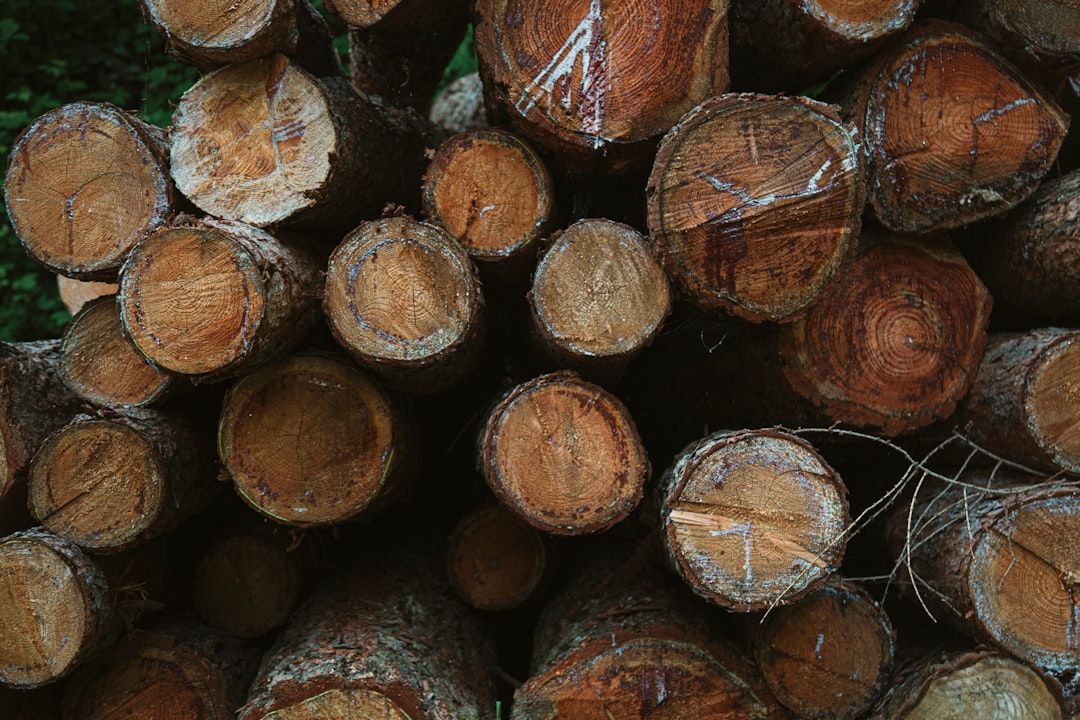
Start from monthly consumption. Say you measured one and a half tonnes a month. A sensible restaurant order covers a full month plus a buffer for a busy week, so you are looking at roughly two tonnes a shipment if you order monthly. Order that as clean full bags on a pallet, not loose sacks, so nothing gets crushed in transit and your storeroom stays countable.
Then think about freight. Small, frequent orders feel safe but they bleed money on shipping, because you pay to move a half empty container or an air freight bill on charcoal that should travel by sea. Larger, planned orders spread that freight across more kilograms, which is a real cut to your landed cost per kilo. The catch is storage. Charcoal keeps well if it stays dry and off a damp floor, but it takes room, and cash tied up in a season of bags is cash not doing anything. The right order size is the one that balances cheaper freight against space and cash, and only you know your storeroom.
If you are importing directly rather than buying from a local middleman, the container becomes the unit that matters, and the import process is worth understanding before you commit. Buying nearer the factory instead of through a chain of traders usually means a better price and, more importantly, a charcoal you can actually trace and hold to a spec, which is the whole argument in factory versus trading company.
One more thing on sizing. Build in your own kitchen's waste rate. If ten percent of every bag arrives as dust, your effective burn is higher than your measured burn, and you need to order accordingly. Fix the waste at the source with better grading and packing and you can order less, which is money saved twice.
Holding A Spec So Every Order Burns The Same
The worst thing that happens to a restaurant buyer is a charcoal that changes between orders. Last month it burned three hours, this month it dies in ninety minutes, and nobody warned the kitchen. Suddenly the cooks are fighting the fire and the numbers you built your ordering on are wrong.
This is a supply problem, and it is fixable, but only if the charcoal is made and checked to a written spec rather than scooped from whatever was in the yard. Piece size, moisture, fixed carbon, fines percentage: those get set once and checked every batch. On our side that is what quality control before shipping exists to catch, so the third container burns like the first. When you choose a supplier, ask what they measure and whether they will hold it in writing. A supplier who cannot answer is selling you a lottery ticket, not a consistent charcoal.
If you are a distributor or a private label brand putting your own name on the bag, this matters even more, because your customer blames you, not the factory, when a batch burns wrong. That is why serious brands lock the spec into the private label arrangement rather than trusting each shipment to luck.
Recap
Buy on burn rate, not on the sticker price. The number that decides your real cost is kilograms burned per hour of usable heat, and a cheap bag that dies fast is the expensive one. Measure your own grill for three nights so every quote can be judged against a real figure. Know that a small robata burns roughly two to four kilograms an hour and a big open grill five to ten, which puts most grill restaurants at one to three tonnes a month. When you buy charcoal for restaurants, weigh all four properties together: burn time, even piece size, low fines, and dry clean burning, because a weak one cancels a strong one. Match the grade to the station, run a slow clean charcoal where it shows and a cheaper lump where it just needs to be hot, and size your order from measured burn plus a buffer so freight stays cheap and cash stays free. Above all, hold the supplier to a written spec so every container burns the same.
If you want charcoal for restaurants sized, graded, and packed to a spec you can hold us to, start at /restaurant-charcoal and send us your monthly burn. We will work the numbers back to the right grade and order size from there.
Source it directly
Restaurant Grade Charcoal, factory direct.
In an open kitchen, charcoal is part of the dining room. It must burn clean, hold steady, and never impose on the food. This is the grade the world's grill counters run on.