How to Import Charcoal from Indonesia: A Practical Guide
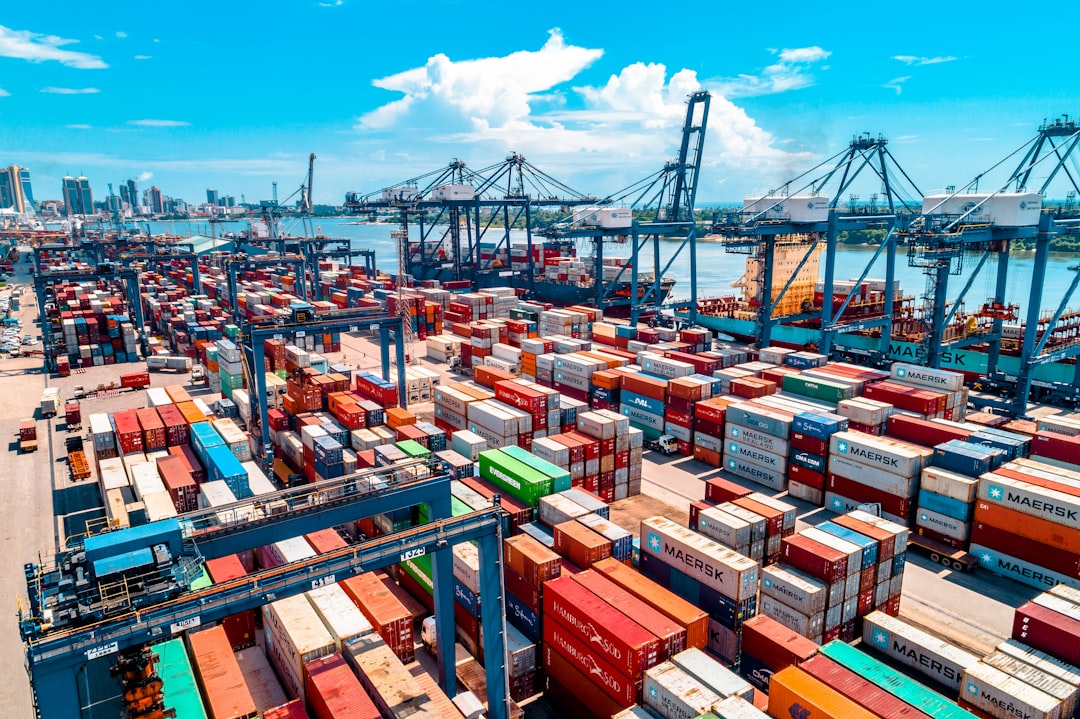
People find us for one reason. They want to import charcoal from Indonesia and they want a supplier who will still answer the phone after the deposit clears. We fire binchotan and hardwood charcoal in Indonesia and ship it worldwide, so this guide is written from the kiln side of the trade, not the brochure side. If you are an importer, a distributor, a restaurant group buying for your own kitchens, or a brand putting your label on the bag, this is the order of operations we wish every new buyer knew before they sent the first enquiry.
Charcoal is a simple product with a lot of ways to go wrong. The wood, the burn, the moisture, the packing, and the paperwork all sit between you and a container that clears customs clean. None of it is complicated once someone walks you through it. That is what the next 2,000 words do.
Start With The Grade, Not The Price
The first mistake new buyers make is asking for a price before they have named a product. Charcoal is not one thing. The word covers white charcoal, black lump charcoal, and briquettes, and each of those splits again by species, size, and intended use. A price with no grade attached is a number you cannot trust, because the seller is free to fill your order with whatever is cheapest that month.
So decide what you are actually buying.
Binchotan, or white charcoal, is the premium end. It is hardwood fired at very high temperature and then smothered, which leaves it dense, metallic when you tap two pieces together, and very long burning with almost no smoke. This is what grill restaurants want for yakitori and robata. If your customers are chefs, read our page on binchotan charcoal and the piece on why restaurants use binchotan for yakitori and robata so you can talk to them in their own language.
Black hardwood lump charcoal is the workhorse. It lights faster than binchotan, burns hot, and suits general grilling, barbecue, and shisha depending on the cut. Our hardwood charcoal and lump charcoal pages break down the sizes, and if you are weighing lump against pressed briquettes for your market, the hardwood charcoal vs briquettes article lays out the trade in plain terms.
Once you know your grade, everything downstream gets easier. You can write a real specification, you can ask two factories for the same thing and compare like with like, and you can catch a substitution before it becomes a container of the wrong product sitting at your port.
What The Numbers On A Spec Sheet Actually Mean
When you import charcoal from Indonesia, you will be handed a spec sheet with a handful of figures. Here is what they mean and which ones matter for your use.
Fixed carbon is the headline number. It is the share of the charcoal that is pure combustible carbon, and it drives heat and burn time. Good hardwood charcoal sits around 80 percent or higher. Premium binchotan runs higher still. A low fixed carbon number means the wood was not fully carbonised, and it will burn fast and cool.
Moisture is the number that costs you money quietly. Charcoal is sold by weight, and water is heavy. If moisture is high, you are paying charcoal price for water, and worse, damp charcoal is a mould and re-drying problem once it is sealed in a container for weeks at sea. We aim for moisture under 6 percent. Ask for the figure and ask how it is measured.
Ash content is what is left after the charcoal has fully burned. Low ash, in the range of 3 percent or below for good hardwood, means a cleaner burn and less residue in the grill. High ash smothers coals and annoys chefs.
Volatile matter ties back to how completely the charcoal was fired. High volatiles mean more smoke and spitting, which is exactly what a binchotan buyer is paying to avoid.
You do not need to memorise the chemistry. You need to know that these four figures exist, that a real factory will put them in writing, and that the values should match the grade you asked for. If a supplier cannot produce a spec sheet, that tells you something before you have spent a dollar. Our approach to holding these numbers steady across production runs is on the quality control page.
Sample Before You Commit
No serious buyer skips the sample. You order a small quantity, you burn it yourself, and you judge it against your own use, not against a photo.
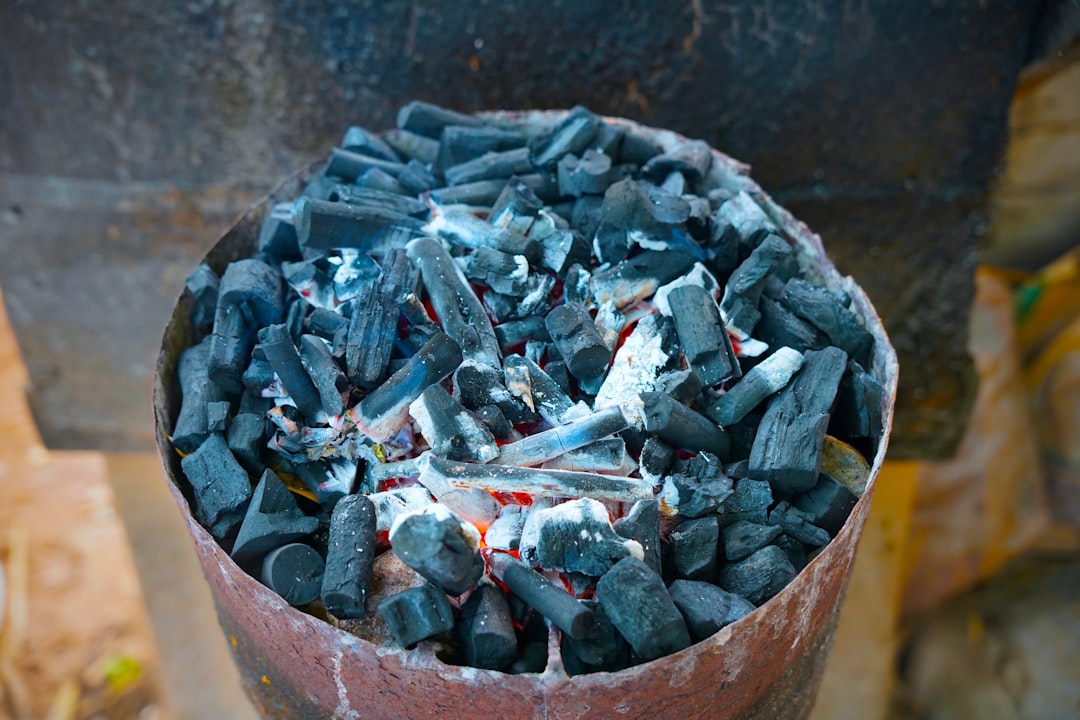
When you test a sample, do the boring things. Light it the way your customers will. Time the burn from first ash to dead. Weigh the ash left behind. Break a few pieces and look at the cross section, which should be clean and even, not full of uncharred wood in the middle. For binchotan, tap two pieces together and listen for that clear ring. Smell the smoke in the first minutes, because that is where cheap charcoal gives itself away.
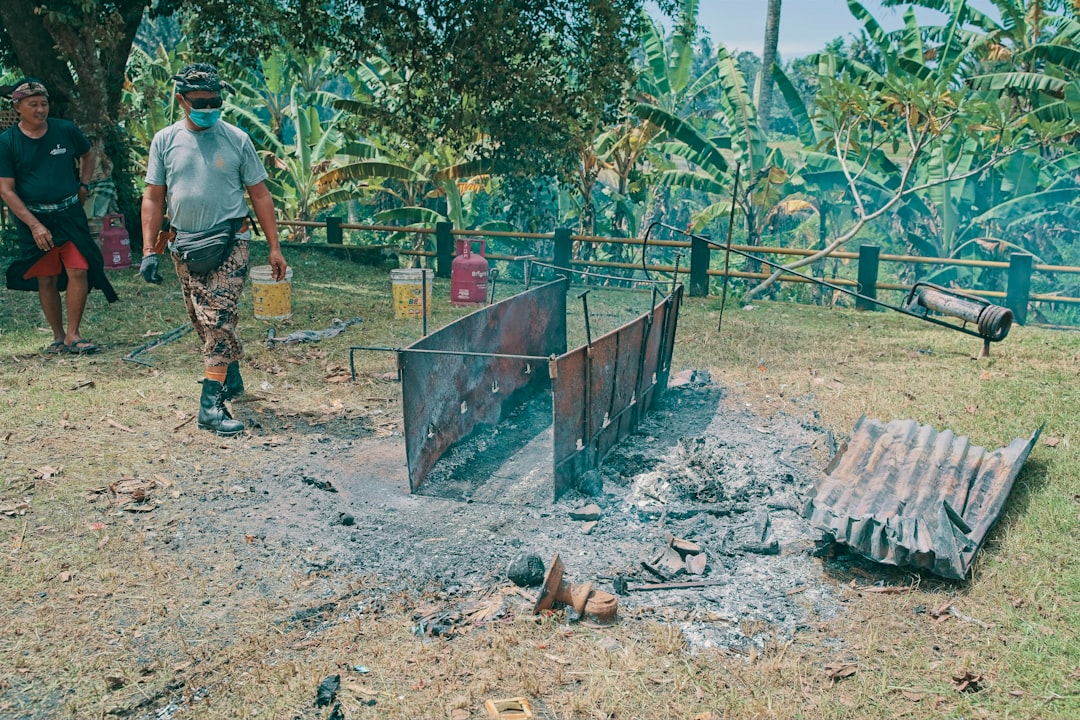
Keep a piece of the approved sample. This is the single most useful thing you can do to protect a repeat order. When your production shipment arrives, you compare it against the retained sample. If they do not match, you have physical evidence, not an argument. Any factory that stands behind its product will happily agree to this in advance, and our manufacturing process is built so that batch matches sample.
Do not let the sample stage drag on forever, but do not rush it either. A week of testing that saves you from a bad container is a week very well spent.
The Documents That Move The Container
This is the part that scares first-time buyers and it should not, because the list is short and the same every time. When you import charcoal from Indonesia, a normal shipment travels with these papers.

The commercial invoice and the packing list describe what is in the box and what you paid. They must agree with each other and with the bill of lading down to the piece count and weight.
The bill of lading is the shipping contract and the title document. Whoever holds the original controls the cargo, which is why it sits at the centre of most payment terms.
The certificate of origin proves the goods were made in Indonesia. Depending on your country, a Form D or a similar preferential certificate can lower or remove your import duty, so ask your customs broker whether your trade agreement applies before you ship, not after.
A fumigation certificate and sometimes a phytosanitary certificate cover the wood and packaging, which many countries require because charcoal is a plant product. Some destinations also ask for specific testing, and a few markets treat certain charcoals as restricted, so confirm your own import rules early.
The one document buyers forget is on their own side. Check whether your country needs an import licence or specific product registration for charcoal before the container is on the water. It is a cheap question to your broker and an expensive surprise if you skip it.
A factory that exports regularly, as we do from our factory, issues these documents in its sleep. If a supplier goes quiet when you ask which documents they provide, treat that as an answer.
Shipping Terms In Plain Language
Charcoal ships in containers, and how the cost and risk split between you and the factory comes down to a three letter Incoterm. You do not need all of them. You need three.
EXW, ex works, means the price covers the charcoal sitting at the factory gate and nothing else. You arrange and pay for everything from there. It looks cheap and it rarely is, unless you already run logistics in Indonesia.
FOB, free on board, means the factory delivers the goods loaded onto the ship at the Indonesian port and clears them for export. From the ship onward, the freight and risk are yours. This is the most common term for a reason. It gives you control of the ocean freight, where you often have better rates, while the factory handles the messy local export side. For most buyers, FOB is the sensible default.
CIF, cost insurance and freight, means the factory arranges the ocean freight and insurance to your destination port. It is simpler for you and costs a little more, and you have less control over the shipping line. It suits buyers who would rather pay for a hand-off than manage a forwarder.
Whatever term you choose, quote it with the port name attached. FOB Surabaya and FOB Jakarta are different numbers. Get the freight quoted early, because on a low value, heavy product like charcoal, the shipping can be a real share of the landed cost, and a price that ignored freight is not a real price.
Payment Terms That Protect Both Sides
Nobody in this trade should be asking you to wire the full amount up front to a supplier you have never met, and no factory should be asked to ship a full container to a stranger on trust. Good terms protect both sides, and the standard ones exist for exactly that reason.
The common structure for a new relationship is a deposit against the balance. You pay a portion, often around 30 percent, to start production, and you pay the rest against a copy of the bill of lading, before the originals are released. The factory is covered for its materials and labour, and you do not release the final money until the goods are provably on the ship.
For larger orders, a letter of credit through banks moves the risk into the banking system. It is more paperwork and more cost, and for a serious first container it can be worth it, because the bank only pays when the shipping documents match the agreed terms exactly.
Whatever you agree, put it in a simple contract with the grade, the spec figures, the quantity, the Incoterm and port, the payment split, and what happens if the shipment fails the spec. You are not writing this to sue anyone. You are writing it so both sides remember the same deal three months later.
Import Charcoal From Indonesia, Step By Step
Here is the whole thing in the order it actually happens, so you can see the road before you drive it.
First, pick your grade and write a one line specification: product, species if it matters, size, and target fixed carbon, moisture, and ash. Second, send that same specification to a small number of factories and compare the replies, watching who answers with real figures and who answers with adjectives. Third, order a paid sample and test it against your own use, then keep a retained piece. Fourth, agree the commercial terms in a short contract: quantity, Incoterm and port, price, payment split, and documents. Fifth, pay the deposit and let production run, and ask for photos of the packed goods before loading. Sixth, pay the balance against the bill of lading, receive the documents, and clear the container with your broker. Seventh, compare the arrived goods against your retained sample and log anything off so the next order starts better than this one.
That is the entire path to import charcoal from Indonesia. Seven steps, no mystery. The buyers who do all seven, in order, rarely have a bad container. The ones who skip the sample or the spec are the ones who write us angry emails about someone else's charcoal.
If you are building your own bagged brand on top of this, the process adds a layer for packaging and label approval, and we cover that on the private label charcoal and OEM charcoal pages, plus a walk through of how to start a private label charcoal brand for buyers doing it the first time.
Where The Wood Comes From, And Why You Should Ask
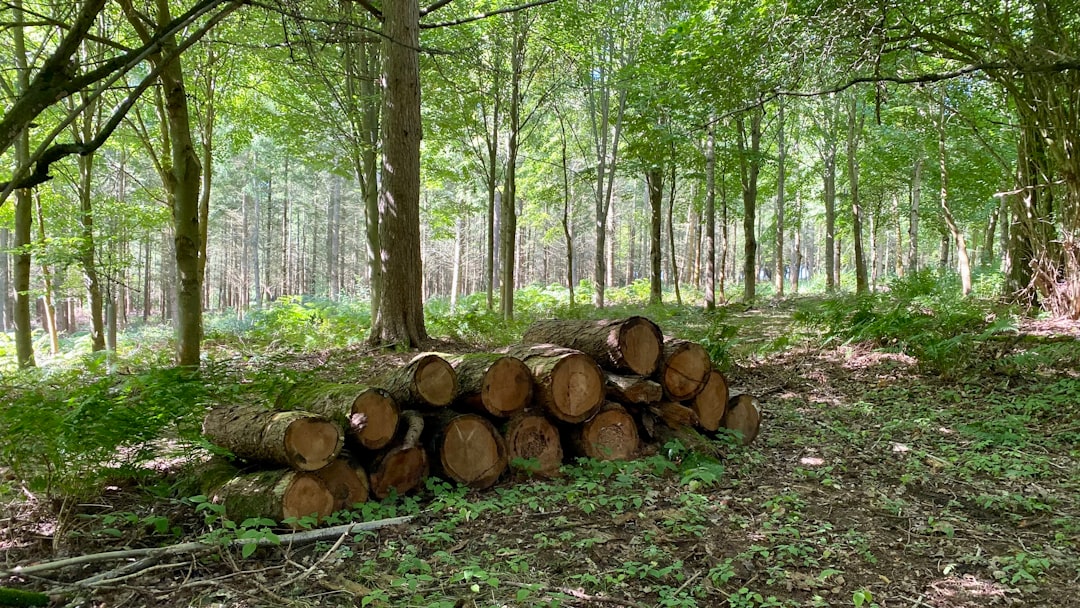
There is one question that separates a buyer who lasts from one who churns through suppliers: where does the wood come from. Charcoal made from land clearing or protected forest is a legal and reputational risk that can follow your brand home, and some markets will refuse it at the border. Charcoal made from managed, legal wood sources is a product you can sell with a straight face.
Ask your factory about the species and the source, and ask for the paperwork that backs the claim. This is not a soft question. It protects your right to import and your right to keep selling once your customers start asking the same thing. Our position on wood sourcing is on the sustainability page, and the how charcoal is made, forest to kiln article shows the chain from tree to bag.
A supplier who welcomes this question is telling you they expect to be around for the long run. That is the supplier you want.
Recap
Import in the right order and the trade is calm. Name your grade first, so price means something. Read the spec sheet and hold the supplier to the four numbers that matter: fixed carbon, moisture, ash, and volatiles. Order a sample, burn it yourself, and keep a piece. Line up the documents, choose a shipping term with the port attached, and agree payment terms that protect both sides. Ask where the wood comes from. Then compare what arrives against what you approved, and let each container teach the next one.
None of this needs an agent or a middleman. It needs a factory that answers straight and a buyer who does the seven steps. If that is the kind of supplier you are looking for, start on our export page and send us the one line specification from step one. We will reply with real figures, and we will send you a sample to burn.
Source it directly
Global Export, factory direct.
From our kilns to your port: we handle export end to end, factory direct, no trading company margins, no information lost between you and the people making your product.