Why Restaurants Use Binchotan for Yakitori and Robata
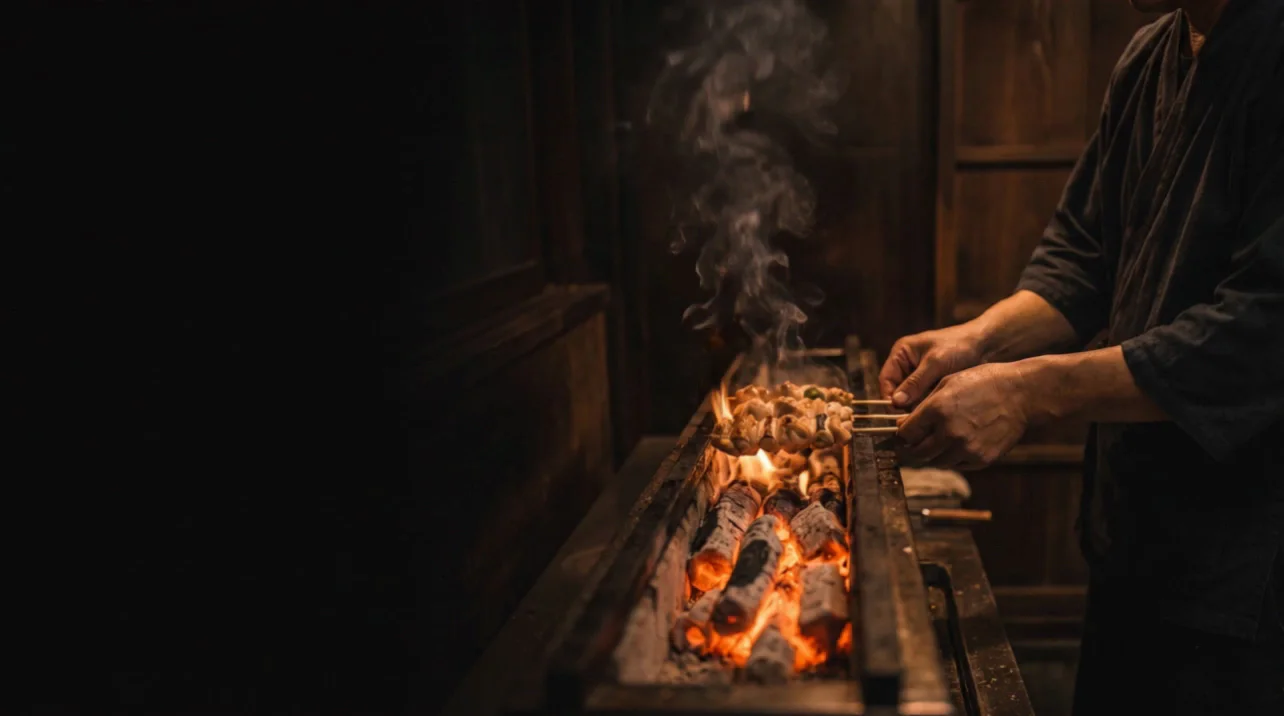
Walk into a yakitori counter in Tokyo, Singapore, or London and look at what sits under the skewers. In most serious rooms it is white charcoal, and the reason kitchens reach for binchotan for yakitori is not fashion. It is heat behaviour. This charcoal holds a steady radiant temperature for hours, throws very little smoke once it is lit, and does not spit sparks onto food that a chef has trimmed by hand. We fire kilns for a living, and this article explains what is actually happening inside that grey stick, why robata and yakitori cooks pay a premium for it, and what you should check before you place an order as an importer, distributor, or restaurant buyer.
We are a charcoal factory in Indonesia. We make binchotan and a range of hardwood charcoal for export, so the notes below come from the kiln side of the trade, not from a catalogue. Where a claim can be measured, we tell you how to measure it.
What binchotan actually is
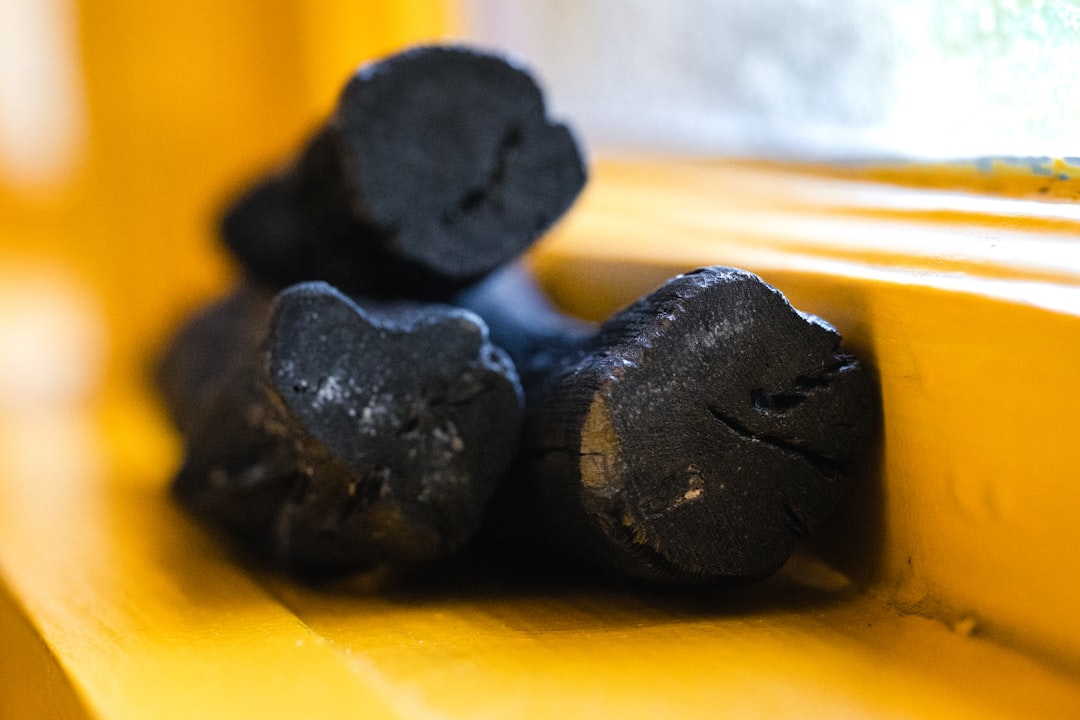
Binchotan is a white charcoal. The name comes from a Japanese production method, and today the word is used for hard, high-fired charcoal made by that method from dense hardwood. The wood is carbonised slowly, then near the end of the burn it is raked out of the kiln at very high heat and smothered in a damp mix of earth, sand, and ash. That final step is where the name white charcoal comes from, because the coating leaves a pale grey film on the surface. The rapid cool after a very hot finish is what gives the charcoal its glassy, almost metallic ring when two pieces are tapped together.
That ring matters. It tells you the piece is dense and fully carbonised through the core, not soft or hollow. A soft black charcoal will thud. A good piece of binchotan rings. If you want the longer version of how white and black charcoal differ, we wrote it up in white charcoal vs black charcoal, and there is a plainer primer at what is binchotan charcoal.
The practical result of the method is a fuel with very high fixed carbon, very low volatile content, and a hard structure that burns from the outside in. Low volatiles mean almost no flame and almost no smoke once the piece is fully caught. High fixed carbon and density mean a long, even burn. Those two facts are the whole story of why kitchens choose it.
Why binchotan for yakitori makes sense at the counter
Yakitori is cooked close to the coals, on short skewers, over a narrow trough grill called a konro. The food is small: chicken thigh, skin, liver, cartilage, spring onion. It cooks in a few minutes, and the cook is turning skewers constantly and reading the surface of each piece by eye. That working style makes specific demands on the fuel, and it is why binchotan for yakitori has become the default in rooms that care.
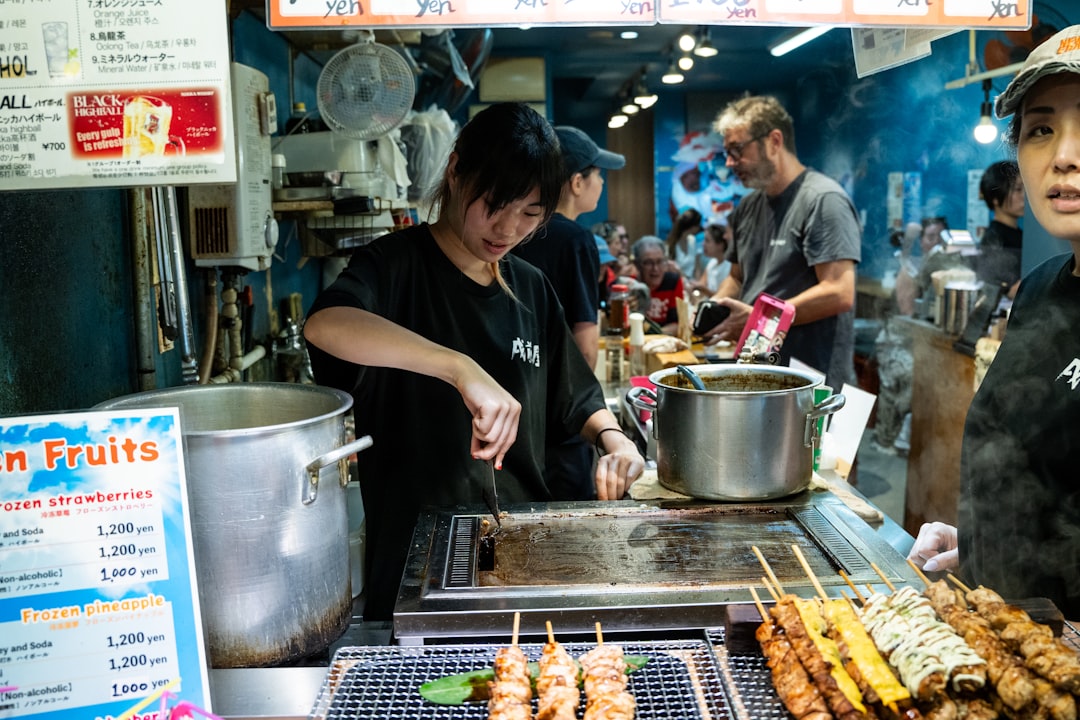
First, radiant heat. Binchotan cooks mostly by infrared radiation off the surface of the coal rather than by hot rising gas. That radiant heat sears the outside of the meat and renders skin crisp while the inside stays moist. Because the heat is radiant and steady, the cook can hold a skewer at a fixed distance and trust that the heat is not surging or fading between turns.
Second, no smoke and no flare. Chicken fat drips. Over a smoky black charcoal, that fat catches and sends up flame and soot that coats the food in acrid deposit. Over fully lit binchotan there is very little free flame to catch the fat, so the drips flash off cleanly. The food tastes of chicken and char, not of smoke and lighter residue. A yakitori cook is chasing a clean savoury finish, and the fuel has to stay out of the way.
Third, run time. A busy counter cannot stop to rebuild the fire every forty minutes. A bed of good binchotan holds usable heat for hours, and the cook adds pieces at the cool end of the konro and rakes them across as they catch. The bed is managed, not rebuilt. That is only possible because each piece burns long and predictably.
Fourth, control. Because binchotan burns from the outside in and does not throw sparks, a cook can bank pieces close together for a hot zone and spread them for a gentle zone on the same grill. Precise zoning on a small grill is hard with a fuel that spits or collapses. It is straightforward with dense white charcoal.
Why robata leans on the same fuel
Robata, or robatayaki, is hearth cooking. The grill is wider and often deeper than a yakitori konro, the cuts of food are more varied, and the cook works a range of heights and distances from the coals. Fish, whole vegetables, larger cuts, and shellfish all go over the same hearth at once. That variety needs a fuel with a wide, stable working window, and binchotan for yakitori and robata is really the same argument applied to a bigger fire.
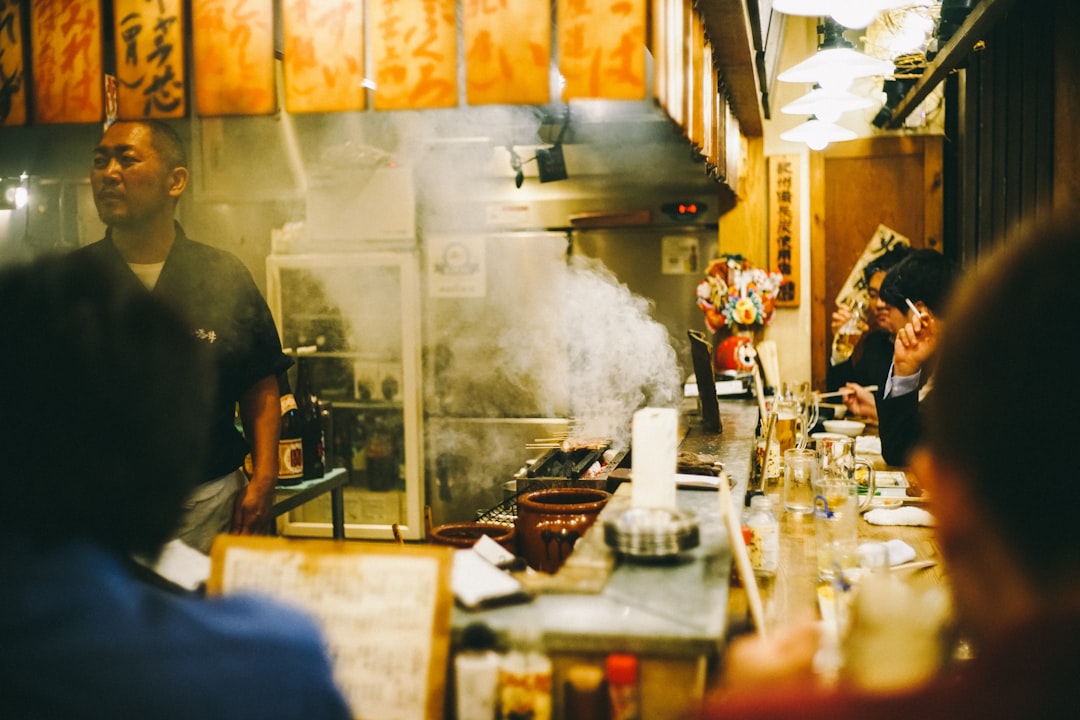
On a robata hearth the long burn matters even more, because service can run for hours and the cook needs the coal bed to stay in character the whole time. Robata also leans on the clean burn, because delicate fish and shellfish pick up off flavours from smoke and soot far more easily than a chunk of chicken thigh does. A steady, smokeless radiant bed lets the natural sweetness of the food come through with a light char on the outside. When importers ask us which grade suits a robata programme, we usually point them at longer, larger pieces that hold the back of a deep hearth without constant tending.
Reading the coal: what buyers should check
If you are sourcing binchotan for a restaurant group or reselling it, the label on the box tells you very little. The coal itself tells you almost everything. Here is what we check on our own floor and what you should ask any supplier to demonstrate.
Density and the ring test
Tap two pieces together. A dense, well fired piece rings with a clear, high, almost ceramic note. A dull thud means soft charcoal that will burn fast, throw more ash, and give an uneven heat. Density is the single best proxy for burn time and steadiness, and the ring test is free. We keep a reference batch on the bench so buyers can hear the difference in person.
Moisture
Charcoal takes on water from the air. High moisture makes lighting slow, causes popping as trapped steam escapes, and cuts the effective heat because energy goes into boiling off water before the coal gets hot. Good export binchotan should be dry and stay dry, which is a packaging question as much as a kiln question. Ask how the product is dried, sealed, and stored, and ask for a moisture figure. We cover the wider set of checks we run in quality control, and how the kiln stage sets these properties in manufacturing process.
Ash and fixed carbon
Low ash and high fixed carbon are what you are paying for. High fixed carbon is the fuel; ash is what is left when the fuel is spent. A high fixed carbon binchotan burns hotter for longer and leaves a small amount of pale, fine ash. If a sample leaves a large volume of dark, coarse ash, the carbonisation was incomplete or the wood was not suitable. Ask for a proximate analysis: fixed carbon, volatile matter, ash, and moisture. A serious supplier has these numbers.
Size and shape consistency
A yakitori cook wants pieces that sit flat and predictable in a narrow konro. A robata cook wants longer pieces for a deep hearth. Consistent sizing is not cosmetic. It changes how the coal beds pack, how evenly it radiates, and how much waste ends up as unusable fines at the bottom of the box. When you order, specify the length and diameter band you need and ask what percentage of the pack falls inside it.
Spark and smoke behaviour
Ask for a burn demonstration, or run one yourself with a sample. Once fully lit, the coal should sit quiet: a steady glow, almost no visible flame, no smoke to speak of, and no sparks jumping when you rake it. That quiet burn is the whole reason the fuel exists. If a sample smokes or spits after it is properly caught, it is not the grade you want near plated food.
Lighting and handling, because it trips people up
Binchotan is hard to light compared with soft lump or briquettes, and buyers new to it sometimes read that as a fault. It is the opposite. The same density that makes it hard to ignite is what makes it burn long and clean. The fix is method, not a different fuel. It needs a dedicated heat source to start, usually a charcoal chimney or a gas starter, and it needs a few minutes to catch fully before food goes over it. Rushing food onto half lit pieces is the most common mistake, and it produces exactly the smoke and off taste the fuel is supposed to avoid. We walk kitchens through the routine in how to light binchotan charcoal, and it is worth handing that to any new venue in a group.
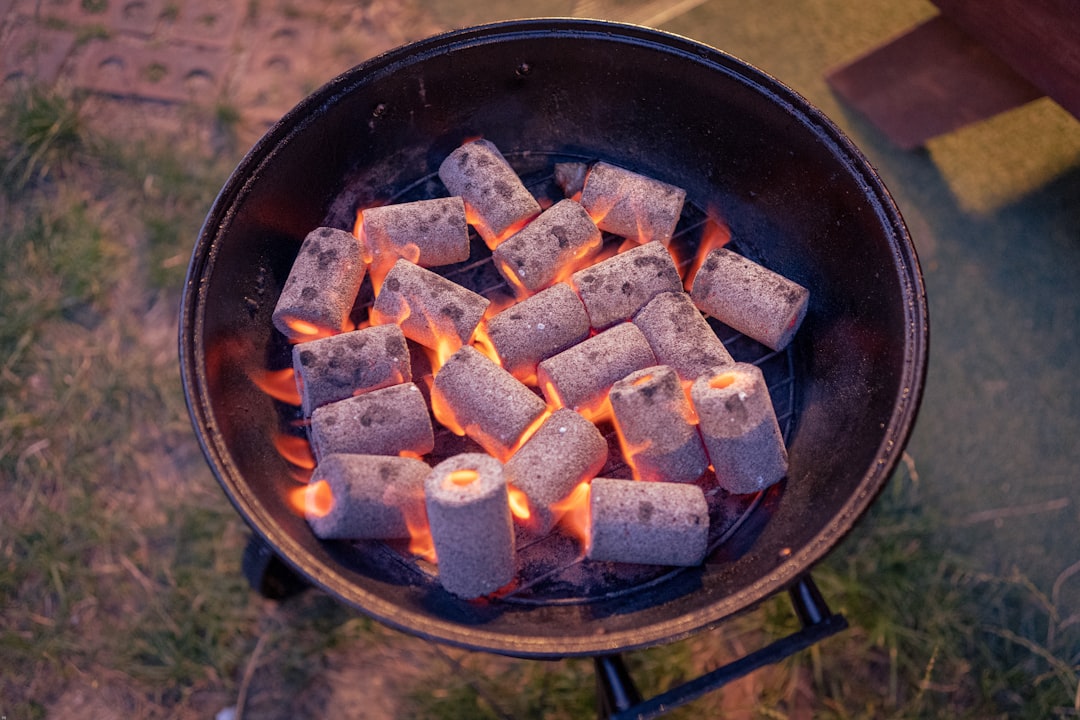
One more handling note for distributors. Binchotan is brittle in the way glass is brittle. It is hard but it will chip and snap if a pallet is dropped or boxes are thrown. Fines at the bottom of the box are lost revenue and an unhappy chef. Good packing, firm boxes, and careful freight handling protect the value of the product all the way to the counter.
Where this fits in a restaurant fuel programme
Very few kitchens run binchotan for everything, and they should not. It is the premium tool for cooking close to the coals where clean radiant heat and long steady burn earn their cost: yakitori, robata, some grill and teppan work, high end steak over coals. For long, slow, whole animal barbecue or high volume cooking where the smoke is part of the flavour, a good hardwood lump is often the smarter spend. We make both, and we would rather a buyer put the right fuel under the right dish than overpay to burn white charcoal under a brisket.
If you are building a mixed fuel line for a restaurant channel, it usually pays to pair a binchotan grade with a clean hardwood charcoal or lump charcoal option so venues can match fuel to method. The trade offs between lump and briquettes are laid out in hardwood charcoal vs briquettes if you want to brief your own sales team. For the venue side of the range and how we grade specifically for grill kitchens, the restaurant charcoal hub is the place to start, and it links through to the binchotan charcoal grades we hold for export.
Sourcing binchotan as a buyer, not a diner
A diner judges the food. A buyer has to judge consistency across months of shipments, because a restaurant group cannot have the fuel behave one way in March and another way in June. That is where the factory relationship matters more than any single sample.
Ask where the wood comes from and whether the supply is steady. Binchotan quality starts with dense hardwood, and a supplier who cannot guarantee the raw material cannot guarantee the coal. Ask how the kilns are run and whether the finishing heat and quench are controlled batch to batch, because that stage sets the density and the clean burn. Ask to see the same proximate analysis on more than one batch, so you know the numbers hold over time and are not a one off from a hand picked sample.
For private label and OEM buyers there is a further layer. If you are putting your own brand on the box, the consistency question becomes your reputation, not ours. We build programmes around that: fixed specifications, batch testing, and packing designed for your market. If that is your model, private label charcoal and OEM charcoal set out how we run it, and export covers documentation, freight, and the logistics side of moving charcoal across borders.
Recap
Kitchens choose binchotan because of how it burns, not because of its name. It gives steady radiant heat, almost no smoke or sparks once fully lit, and a long even run time, and those three things are exactly what yakitori and robata cooking need at the counter. When you buy it, judge the coal and not the label: ring test for density, check moisture and ash, ask for fixed carbon figures, and specify the size band your kitchens need. Treat it as the precision tool it is, pair it with a good hardwood lump for the jobs that call for smoke, and hold your supplier to consistency across shipments, not just a clean first sample.
If you are sourcing for restaurants, distribution, or a private label line, start at our restaurant charcoal hub and tell us the grades and volumes you need. We will send samples you can put a match to.
Source it directly
Restaurant Grade Charcoal, factory direct.
In an open kitchen, charcoal is part of the dining room. It must burn clean, hold steady, and never impose on the food. This is the grade the world's grill counters run on.