How to Light Binchotan Charcoal (Without Ruining It)
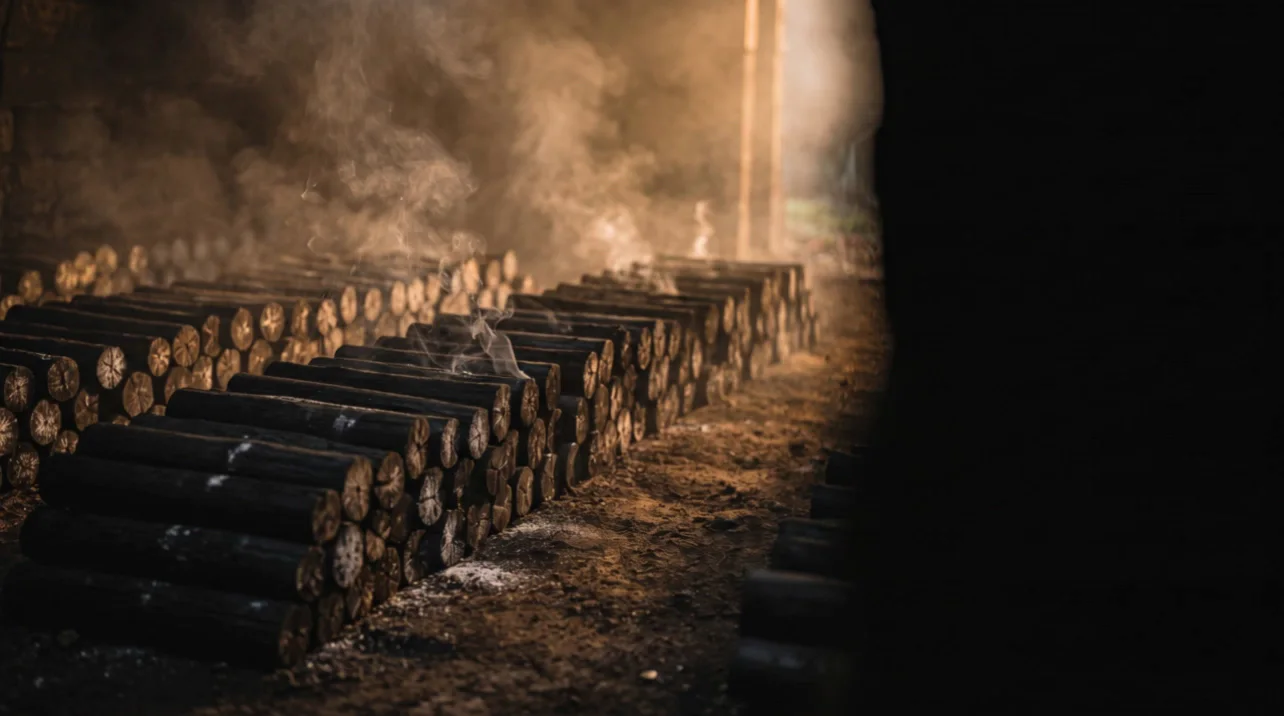
Most people who say Binchotan is "impossible to light" are trying to light it like briquettes. It isn't stubborn, it's dense, and dense charcoal needs a different method. Do it right and one load holds cooking heat for four to six hours. Do it wrong and you stand over a chimney for twenty minutes wondering what went wrong.
Here is how a factory that fires the kilns actually lights its own white charcoal.
Why Binchotan resists a match
White charcoal is carbonized far hotter than ordinary black charcoal, then smothered in ash to lock its structure. That is exactly why it burns so long and so cleanly, and exactly why a lighter flame bounces off it. There is very little volatile matter left to catch. You are not lighting wood gas; you are heating a near-pure carbon rod until it sustains its own combustion.
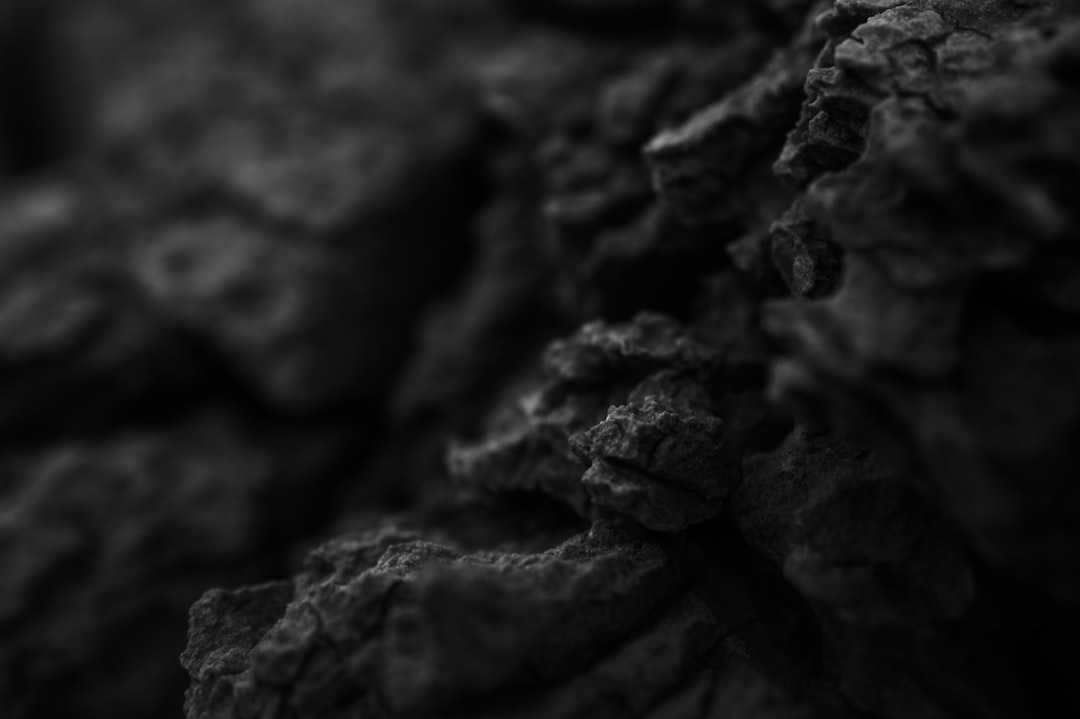
That means the whole game is getting enough sustained heat into the piece, not finding a bigger flame. If you understand that one idea, the rest is mechanics.
What you need
- A charcoal chimney starter, or a gas burner / stove-top grate
- Natural firelighters or a small bed of ordinary lump charcoal (no lighter fluid)
- Tongs and a heatproof surface
- Ten to fifteen unhurried minutes
Never use lighter fluid or instant-light products on Binchotan. The whole reason chefs pay for Binchotan charcoal is its clean, neutral heat. Petroleum fluid poisons that in one move.
Method 1: the chimney (most reliable)
- Fill a chimney starter with your Binchotan pieces, standing them upright so air can run between them.
- Under the chimney, light two or three natural firelighters, or a thin bed of fast-lighting lump charcoal.
- Leave it. The rising heat column does the work. After about ten to fifteen minutes the lower pieces will glow orange and start to grey over at the edges.
- Tip the lit pieces into your grill and arrange them. Pieces that are lit but not yet fully greyed will finish in the grill bed.
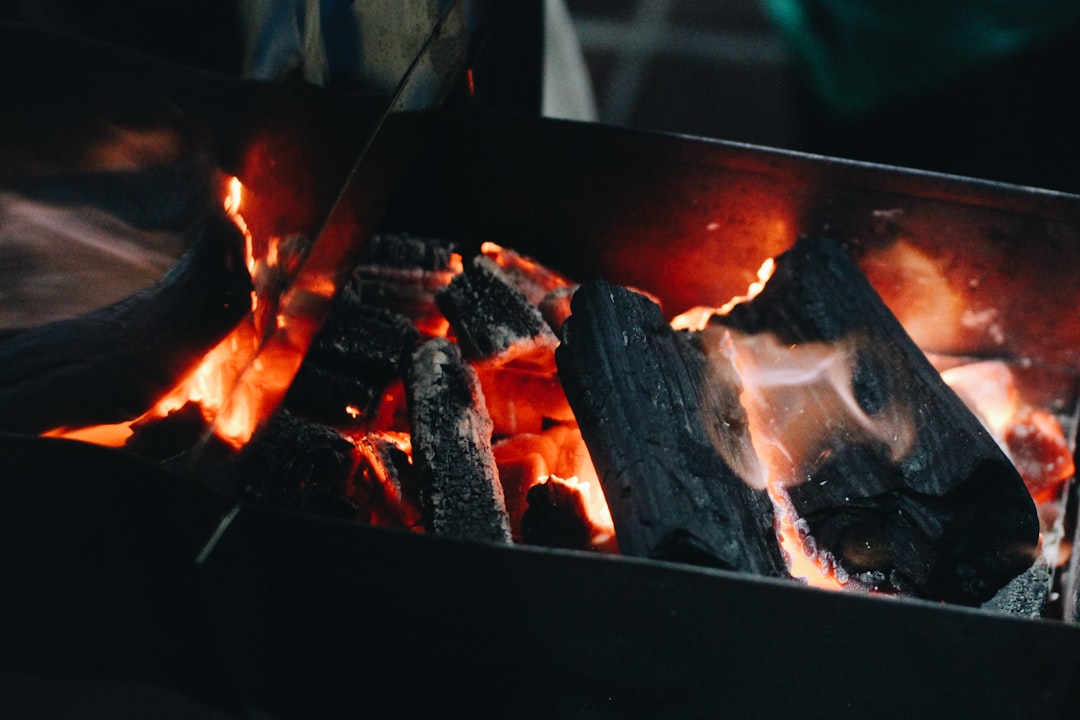
The chimney works because it forces a vertical draft straight through dense fuel, the sustained heat Binchotan needs, without you fanning anything.
Method 2: direct burner (fast, hands-on)
If you have a gas burner or a strong stove-top grate:
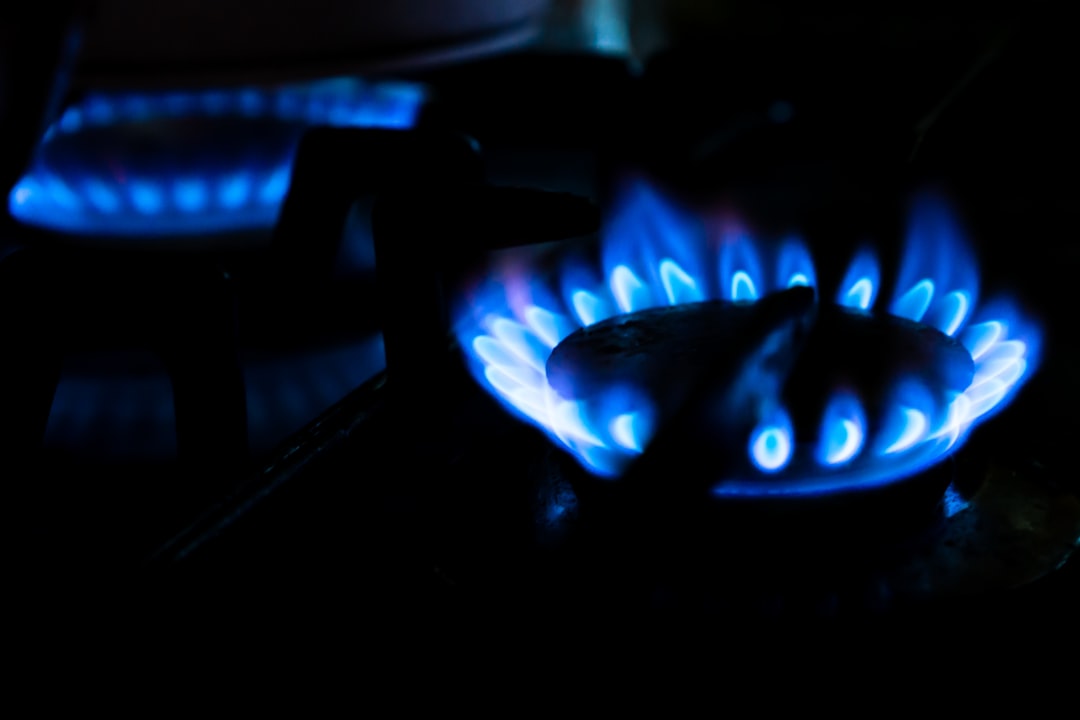
- Lay the pieces directly across the grate over a medium-high flame.
- Turn them every few minutes so every face takes heat evenly.
- After eight to twelve minutes you'll see orange creep along the piece and hear a faint tick as it takes. Move it to the grill.
This is how many yakitori counters bring pieces up to temperature quickly during service. It's the same logic professional kitchens rely on when they run restaurant grade charcoal through a long dinner shift.
Reading the charcoal
Binchotan tells you when it's ready. Watch for three signs:
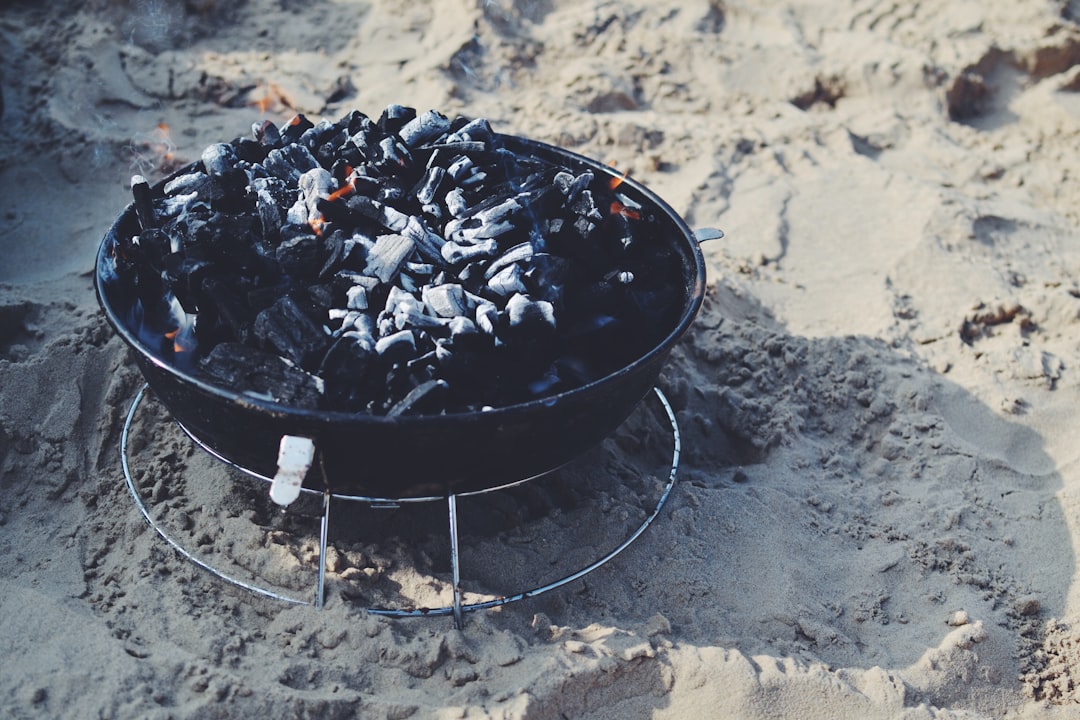
- Even orange glow running through the piece, not just a hot tip
- A dusting of grey ash starting to form on the surface
- No more visible smoke coming off it
Once a piece is fully lit it will hold heat for hours with almost no flame. If you added pieces that were only half-lit, arrange them touching the fully-lit ones; they'll catch from their neighbours.
Getting more life out of one load
Because true white charcoal burns so slowly, you can stretch a single lighting across a whole session, and even across two. When you're done cooking, smother the pieces in a sealed metal tin to cut off oxygen. They'll extinguish without burning away, and relight far faster next time because they're already partly carbonized on the surface. This reuse is a big part of why white charcoal is cheaper per cooking hour than it looks per kilo. It's the same density story behind every grade on our white charcoal page.
The short version
Binchotan isn't hard to light, it just refuses shortcuts. Give it sustained heat through a chimney or a burner, wait for the even orange glow and grey dusting, and skip the lighter fluid entirely. Then let its long, clean, radiant burn do what no briquette can. If you're sourcing white charcoal for a kitchen or a brand, start with the grades on our Binchotan charcoal page and talk to the factory directly.
Source it directly
Binchotan White Charcoal, factory direct.
Binchotan is the highest expression of the charcoal maker's craft: hardwood carbonized at extreme temperature, then smothered in ash to create a steel-hard, near-pure carbon fuel prized by the world's finest grill chefs.