How Long Does Charcoal Burn? Burn Times by Charcoal Type
Buyers ask us one question more than any other before they place an order: how long does charcoal burn? It sounds simple. It is not, because the honest answer changes with the wood, the density, the kiln, the piece size, and the way the fuel is used once it leaves our yard. We fire kilns for a living, so we can tell you what actually happens inside a burning coal rather than what a bag print promises. This article lays out real burn times by charcoal type, explains what drives them, and shows you how to read those numbers when you plan a purchase.
We will keep the numbers plain. A burn time is the window from the moment a coal reaches cooking heat to the moment it drops below useful heat. It is not the time to ash. A coal can glow faintly for another hour after it stops being able to sear a steak, and that tail is useless to a kitchen. When we quote burn times, we mean usable heat.
What Actually Controls Burn Time
Four things decide how long a coal holds heat. Understanding them matters more than memorising a table, because your own results will shift with your setup.
The first is wood density. Dense hardwood packs more carbon into the same volume. More carbon means more fuel to consume, so the coal burns longer and hotter. Light woods carbonise into light, brittle coal that lights fast and dies fast. This is the single biggest factor, and it is why species matters as much as anything printed on a bag.
The second is carbonisation quality. When we carbonise wood in the kiln, we drive off moisture and volatile compounds until what remains is close to pure carbon. A well made coal is quiet, rings when you tap two pieces together, and holds a steady burn. A coal that was rushed keeps volatiles inside, lights with more smoke and flame, and burns out faster because part of its mass was never proper fuel. Our own control on this is covered in our notes on quality control, and it is the difference between a coal that behaves and one that does not.
The third is piece size and airflow. A large, dense lump burns from the outside in. Smaller pieces and more air both speed combustion. Choke the air and the same coal will last far longer at lower heat. This is why the same charcoal can give you two very different burn times depending on the vents.
The fourth is moisture at the point of use. Charcoal is porous and will pull water back out of humid air or a damp store. A coal that has taken on moisture spends its first minutes boiling that water off instead of giving you heat. Storage is not a detail. It is part of the burn.
How Long Does Charcoal Burn by Type
Here is the part buyers come for. These are the ranges we see with properly carbonised, properly stored fuel, used for cooking rather than left to smoulder. Treat them as working figures, not guarantees, because your grill and your air control will move them.
Binchotan and White Charcoal
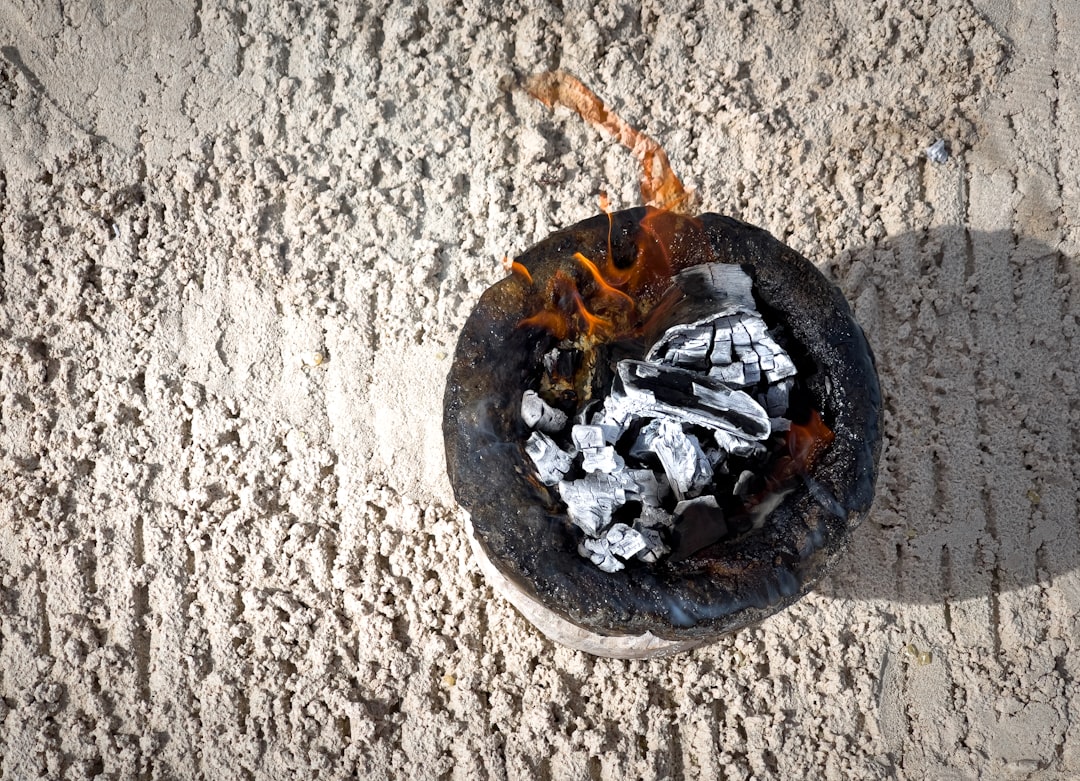
Binchotan, the Japanese style white charcoal, is the long burner. Made from dense hardwood and carbonised at very high temperature, a good binchotan coal gives three to five hours of usable, even heat, and heavy pieces in a well managed grill can push beyond that. It lights slowly, which frustrates first time users, but that slow start is the same property that gives the long, stable burn. It does not flare. It does not spike. It holds a clean, radiant heat that is close to steady for hours, which is exactly why yakitori and robata kitchens build their whole service around it.
White charcoal also relights. You can pull a coal, starve it of air, and bring it back for the next service. That changes the real cost per hour in a busy kitchen, because a single coal can serve more than one sitting. If binchotan is what you sell or cook on, our binchotan charcoal and white charcoal pages go deeper on grades and sizing, and our guide on how to light binchotan charcoal covers the slow start that trips people up.
Hardwood Lump Charcoal
Hardwood lump is the everyday workhorse for grills and most restaurant lines that are not built around binchotan. Burn time runs two to three hours of usable heat for a standard load, sometimes more when the pieces are large and dense and the grill is run low and slow. Lump lights faster than binchotan, reaches searing heat quickly, and gives a strong, honest hardwood heat.
The trade off against binchotan is the shape of the burn. Lump comes on hot, holds well through the main window, then fades over the last stretch rather than staying flat. For most cooking that is fine, because the hottest phase is when you sear and the fade is when you finish. Species drives the number here more than anything: our hardwood charcoal is carbonised from dense tropical species that hold heat well, and the differences are set out in what makes Indonesian hardwood charcoal different. If you are choosing lump for a grill programme, how to choose bbq charcoal for low and slow walks through the trade offs.
Briquettes
Briquettes are compressed from charcoal fines and a binder, pressed to a uniform shape. That uniformity is their selling point. A briquette burns one to two hours of usable heat, and because every piece is the same size, the burn is predictable across the load. They light steadily and hold a moderate, even temperature rather than the high radiant heat of binchotan or the strong searing heat of good lump.
The reason briquettes run shorter and cooler is the make up. A briquette is not pure carbon the way a well carbonised lump is. The binder and any filler do not carry the same fuel value, so pound for pound there is less heat to give. Where briquettes win is consistency and price, which is why they suit high volume, steady cooking rather than searing. We lay out the full comparison in hardwood charcoal vs briquettes.
Coconut Shell Charcoal
Coconut shell charcoal sits close to good hardwood lump on burn time, often two to three hours, sometimes longer because the shell is dense. It burns clean with little smoke and low ash, which is why it is common in shisha and in some grill settings. The burn is even and the low ash keeps a grill bed clean through a long service. Whether it fits your line depends on what you cook and how you present the fire.
Why Two Bags of the Same Type Burn Differently
This is where buyers get burned, and where a factory answer is worth more than a spec sheet. Two bags both labelled hardwood lump can give you a two hour burn and a forty minute burn. The label is the same. The coal is not.
The gap usually comes from three places. One is species mixing. A trader who buys from many small kilns ends up with a bag that is part dense hardwood and part light offcut. The dense pieces burn long, the light pieces burn out fast, and the average disappoints. Two is carbonisation. Undercooked coal keeps volatiles and burns short and smoky. Three is moisture from poor storage or a long, damp shipping route. All three are invisible in a photo and obvious on a grill.
This is the real reason we push buyers to understand who actually makes their charcoal. A factory controls the species going into the kiln, the carbonisation, and the drying before packing. A trading company buys finished sacks and hopes. The difference shows up as burn time consistency, load after load, which is the number a kitchen actually feels. We wrote about this directly in charcoal factory vs trading company, and our own carbonisation is described in how charcoal is made, forest to kiln.
How Long Does Charcoal Burn for Your Actual Order
The table numbers are a starting point. To turn them into something you can plan around, you have to account for how you use the fuel, because how long does charcoal burn on paper and how long it lasts in your kitchen are two different questions.
Start with your cooking style. A searing line that runs the grill wide open will get the short end of every range, because open air burns fuel fast. A low and slow smoke will get the long end and often more, because a choked fire sips its fuel. The same lump that gives two hours under full air can hold a low bed for well past three.
Then account for relighting. Binchotan and dense hardwood can be pulled, starved, and brought back. That stretches the effective hours per kilo well beyond a single burn, which matters when you cost fuel across a service rather than across one coal. Briquettes do not relight cleanly, so what you light is what you get.
Then account for volume and consistency. For a kitchen, the useful figure is not the best coal in the bag but the worst, because your slowest station is set by the fuel that dies first. This is why consistency beats a high headline number. A coal that reliably gives two and a half hours every time is easier to run a line on than one that swings between one hour and four. If you are sizing a standing order against covers and service length, charcoal for restaurants volume planning shows how we work the maths with restaurant buyers, and our restaurant charcoal page covers the grades built for service.
For distributors and private label brands, burn time is also a claim you will print on a bag, so it has to hold across every container you sell. That is a supply question as much as a product one. It depends on a factory holding species and carbonisation steady across production, which is what makes a printed burn time safe to stand behind. If you are building a brand on these numbers, how to start a private label charcoal brand and our private label charcoal and OEM charcoal pages cover how we lock specification per order.
Getting the Burn Time You Paid For
You can lose an hour of burn to bad handling after the coal leaves us, so the last mile is on the user too.
Keep it dry. Store charcoal sealed and off a damp floor. A porous coal reabsorbs moisture, and that water costs you heat and lights harder. This is also why export packaging matters: a bag that keeps moisture out across weeks at sea protects the burn time you specified. We built our charcoal packaging for export around exactly that.
Light it fully before you cook. A coal that is only half lit gives you half its heat and a short, uneven burn. Wait for the full ash grey face on lump and briquettes, and for binchotan, give it the slow, complete light it needs. Rushing the light is the most common reason a good coal seems to burn short.
Control your air. Vents are your burn time dial. Open for heat and speed, closed for length and economy. Learning your own grill's vents is worth more than chasing a higher number on a bag, because the same fuel will serve you very differently depending on how you feed it air.
Recap
How long does charcoal burn comes down to type and handling. Binchotan and white charcoal give the longest usable heat at three to five hours or more, dense hardwood lump gives two to three, coconut shell sits near lump, and briquettes give one to two at a steadier, cooler temperature. Wood density and clean carbonisation set the ceiling, and piece size, airflow, and moisture decide where you land inside the range. Two bags of the same label can burn very differently, which is why who makes your charcoal, and how consistently, matters as much as the type you choose. For a kitchen or a brand, the number to plan around is the reliable one, not the best coal in the bag.
If you are choosing a fuel for a grill programme or a product line, start with our bbq charcoal hub, where the types above are laid out side by side with the grades, sizes, and burn characteristics we supply for export.
Source it directly
BBQ Charcoal, factory direct.
Serious BBQ needs charcoal that holds temperature through a long cook without flooding the food in smoke. Our hardwood BBQ charcoal is built exactly for that.