Binchotan Grill Setup: Heat, Airflow, and Timing
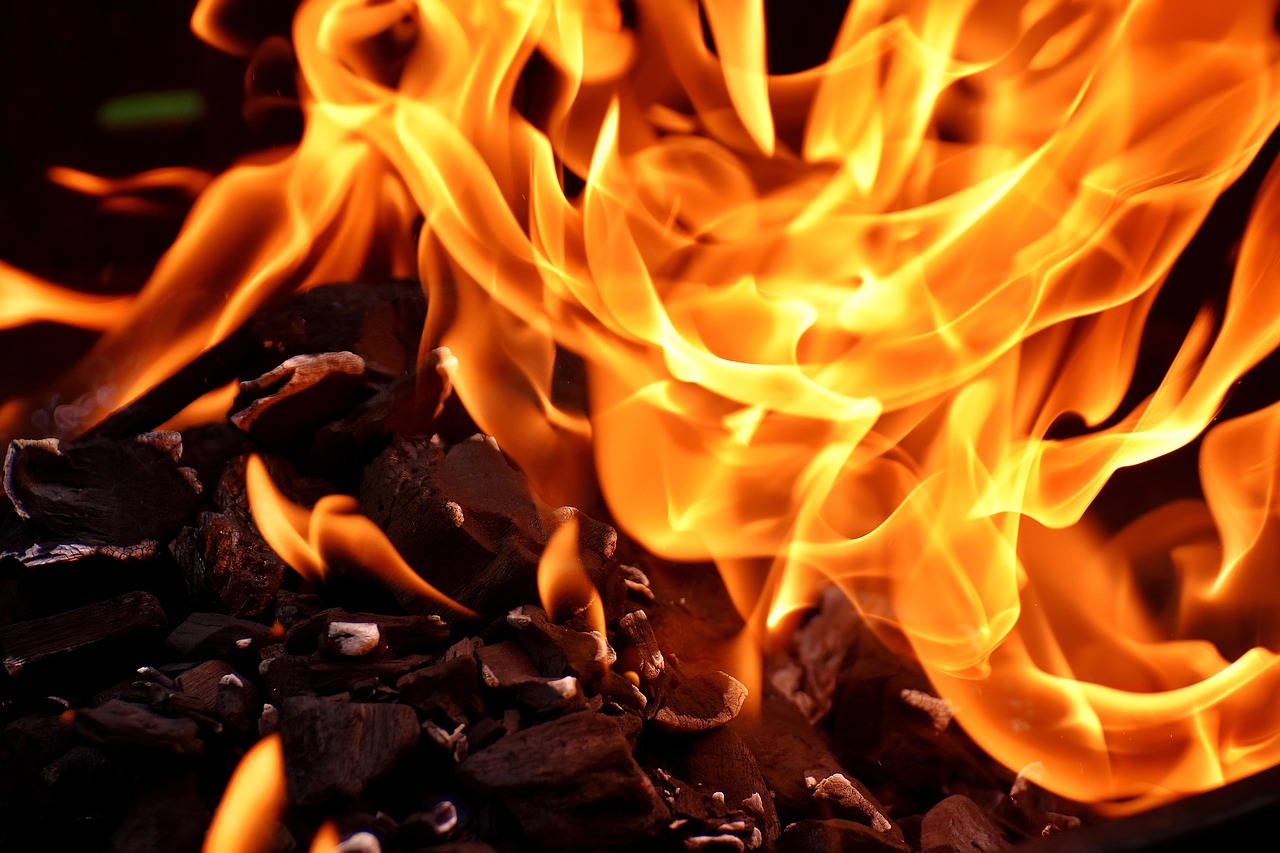
A binchotan grill lives or dies on three things: heat, airflow, and timing. Get those right and the charcoal does the work for you, holding a steady bed of radiant heat for hours with almost no smoke and no flare. Get them wrong and you fight the fire all service, burning through product and turning out inconsistent plates. We run kilns for a living, and we see the same setup mistakes come back to us as complaints about the charcoal. Most of the time the charcoal is fine. The setup is not. This guide walks through how binchotan actually behaves in a grill, and how to build a fire that behaves with it.
Before we get into method, one point about the material itself. Binchotan is white charcoal, carbonised hard and finished at very high temperature. It is dense, it rings like ceramic when you tap two pieces together, and it holds far more stored energy per piece than ordinary black lump. That density is the reason it burns long and even. It is also the reason it is slow and stubborn to light. If you treat binchotan like briquettes or soft lump, you will lose patience at the lighting stage and blame the charcoal. Understanding the material is the first half of running it well. The second half is the setup, which is what we cover here.
What Makes Binchotan Different To Burn
Density is the headline, but there are a few properties that matter at the grill.
First, low moisture. Good binchotan leaves the kiln with very little water left in the structure. Water is the enemy of a clean burn: it steams off before the charcoal can reach temperature, it drops the heat of the bed, and it is a common cause of popping and spitting. When we talk about consistent charcoal, moisture control is a large part of what we mean. We cover why in more detail in our note on charcoal moisture content and burn quality, because it is the single factor buyers underestimate most.
Second, low ash and low smoke. Because binchotan is carbonised so thoroughly, there is very little left in the piece except carbon. It does not throw the volume of ash that briquettes do, and it produces almost no smoke once it is fully lit. That is why yakitori and robata kitchens use it: the food sits directly over the coals and picks up clean radiant heat, not soot. If you want the background on that, our piece on why restaurants use binchotan for yakitori and robata goes into the kitchen side.
Third, radiant heat rather than flame. A binchotan bed does its cooking through infrared radiation off the surface of the coals, not through licking flame. This changes how you set up the grill. You are building a flat, even bed of glowing charcoal at a controlled height below the food, not a pile with hot and cold spots. Everything that follows is in service of that flat, even bed.
Heat: Building The Bed
Heat starts with quantity. The most common underfire we see is simply not enough charcoal in the grill. Binchotan gives you a long, low, steady output per piece, but it is not a high-flame fuel. If you want a hot surface across the whole grill, you need the whole grill floor covered, not a thin scatter of pieces. Plan for a full single layer at minimum, and a double layer where you want your hottest zone.
Lighting binchotan is where most people give up too early. It does not catch from a match or from lighter fluid, and you should never use fluid on it in any case because the residue taints food and the point of this charcoal is a clean burn. The reliable method is to light the pieces on a separate heat source first, get them fully ashed over, then transfer them into the grill. A charcoal chimney over a gas burner, a portable gas ring, or a dedicated lighting stove all work. The rule is simple: do not move binchotan into the grill until each piece shows grey ash across most of its surface and glows orange when you fan it. We wrote a full walkthrough on how to light binchotan charcoal because rushing this stage is the number one reason a fire never comes good.
Give it time. From cold, a proper binchotan light takes twenty to forty minutes depending on piece size and your heat source. That is not a fault. That is the density working. If you try to grill before the pieces are lit through to the core, the surface will look ready but the heat will fade the moment you put food on, because you are cooking off the thin outer shell of heat and the core has not caught. Light early, light fully, and you buy yourself hours of stable output on the other side.
Once the bed is lit and transferred, arrange it. Push the fully lit pieces into an even layer. Keep a hotter zone at one end with pieces stacked closer or doubled, and a cooler zone at the other with the pieces spread thinner. This gives you a heat gradient across the grill so you can move food to manage doneness instead of pulling everything off the fire at once. A single flat bed with one temperature is harder to cook on than a bed with a deliberate gradient.
Airflow: The Control You Actually Use
Once the charcoal is lit, you barely add fuel during a run. What you adjust constantly is air. Airflow is the throttle on a binchotan grill, and learning to read it is what separates a controlled cook from a fight.
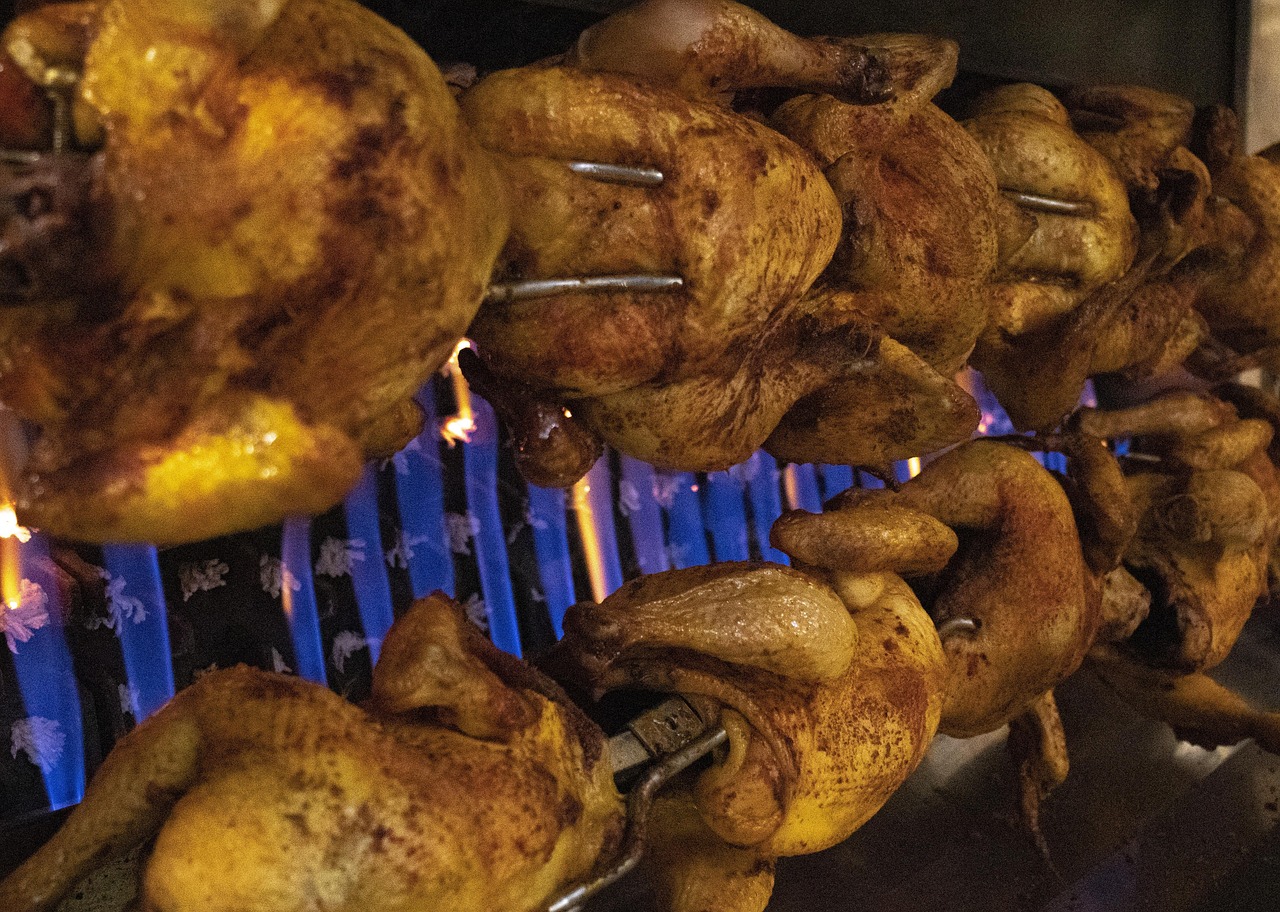
Charcoal burns hotter with more oxygen and cooler with less. On a traditional konro or a grill with an adjustable base vent, you control the heat of the whole bed by opening or closing that vent. Open it and the bed brightens and climbs in temperature. Close it down and the bed dims and holds cooler. Small movements matter. You are not throwing the vent wide open and slamming it shut, you are nudging it a quarter at a time and giving the bed a minute to respond.
A hand fan or a small blower does the same thing locally. Fanning a section of the bed pulls air through it and lifts that zone hot for searing, without heating the whole grill. This is how robata cooks push a burst of heat under one skewer while the rest of the bed stays moderate. Keep a fan within reach. It is a more precise tool than moving charcoal around mid service.
Airflow also controls ash. As binchotan burns it forms a thin ash coat that insulates the surface and drops the radiant heat reaching the food. A light fan clears that ash and exposes the glowing carbon underneath, which is why a tired looking bed often comes straight back to life with thirty seconds of air. Before you assume the fire is dying and add fresh charcoal, fan it and look again. Nine times out of ten the heat is still there under the ash.
One warning on airflow: grease. Fat dripping onto an over aerated bed is how you get flare. Binchotan barely flames on its own, but a hard blast of air onto a fat drip can catch. Keep the airflow measured, keep the bed at a sensible height below the food, and manage drips rather than chasing them with more air.
Timing: Working With A Long, Slow Fuel
Timing on a binchotan grill runs on a different clock to a quick briquette cook. Two timelines matter: the light, and the service.
The light we have covered. Budget it honestly into your prep. If service starts at six, your charcoal needs to be lighting by five at the latest, and earlier if you are running a large grill. Nobody lights binchotan fast, and the kitchens that run it well simply build the wait into the routine. A grill that is lit calmly ahead of time is a grill that behaves all night.
The service timeline is where binchotan pays you back. Because each piece holds so much energy, a properly built bed will hold usable heat for a long stretch with no intervention beyond airflow. Depending on piece size and how hard you run it, you get several hours out of a bed before you need to add fuel. The exact number depends on the grade and the size of the charcoal, and we lay out the variables in our guide to how long charcoal burns. For planning a service, the point is that binchotan rewards a slow, steady rhythm over constant reloading.
When you do reload, do it right. Never drop cold, unlit binchotan straight onto a working bed and expect it to catch quickly. It will sit there dark, steal heat from the pieces around it, and drag the whole bed down while it slowly comes up. Instead, keep a second batch lighting on your side stove so you always have fully lit pieces ready to feed in. Add them to the back of the bed, let them settle, then rotate them forward as the front pieces burn down. A binchotan grill run well is a conveyor: lit pieces coming in the back, spent ash coming out the front, and a steady working zone in the middle that never sees a cold spot.
Piece size ties all of this together. Larger pieces light slower but burn longer and hold a steadier core, which suits a long dinner service. Smaller pieces and offcuts light faster and burn hotter for a shorter window, which suits a fast lunch or a small grill. Neither is better. They are tools for different jobs, and a kitchen that buys with that in mind wastes far less charcoal. If you are buying for volume, our note on charcoal for restaurants and volume planning covers how to size an order against the way you actually cook.
Binchotan Grill, Step by Step
Here is the whole setup in the order we would run it.
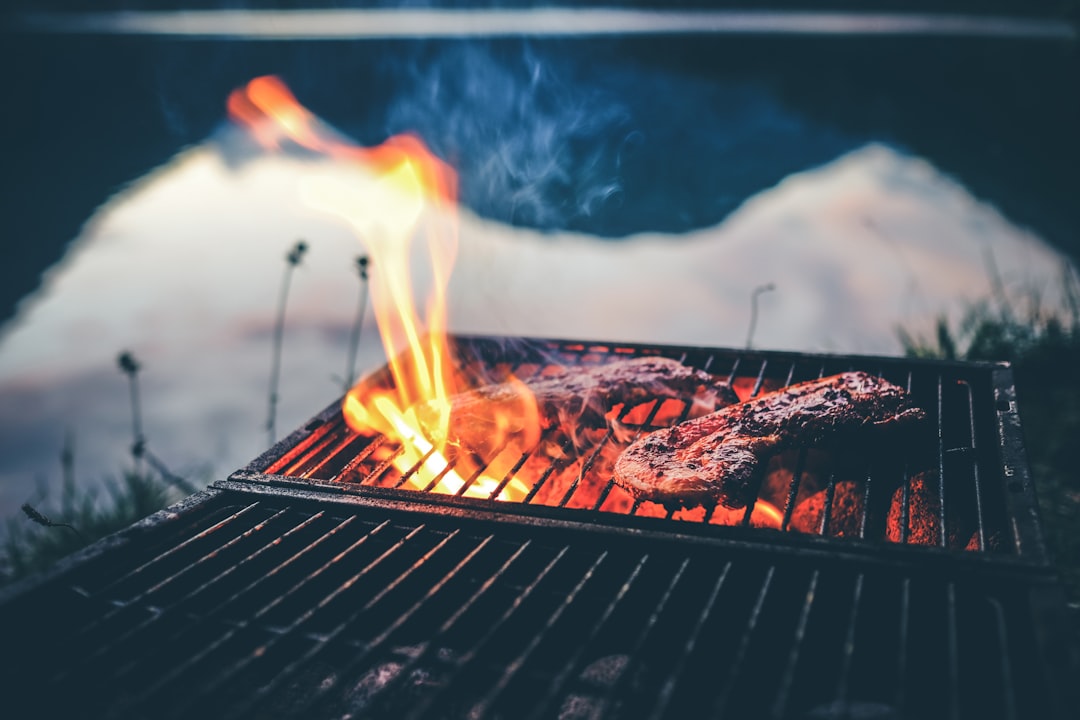
First, prep the light. Set your charcoal on a separate heat source, a chimney or gas ring, and leave it long enough to ash over fully. Do not touch the grill yet.
Second, build the bed. Once the pieces glow through and show grey ash, transfer them into the grill and arrange a flat single layer, doubled at one end for a hot zone and thinned at the other for a cooler zone.
Third, set the air. Open the base vent to bring the whole bed up, then settle it to a steady working temperature. Keep a hand fan for local heat and for clearing ash.
Fourth, cook to the gradient. Sear over the hot zone, hold and finish over the cooler zone, and move food across the bed rather than opening and closing the fire.
Fifth, feed the conveyor. Keep a second batch lighting on the side, add lit pieces to the back, rotate forward, and clear ash from the front. A binchotan grill managed this way holds a stable working zone from the first plate to the last.
That is the entire method. There is nothing exotic in it. The skill is patience at the light and restraint at the vent, and the charcoal does the rest.
When The Problem Is The Charcoal
We started by saying most grill problems are setup, not product. That is true, but not always. Charcoal that will not hold heat, spits and pops constantly, or throws heavy smoke after it should be clean is charcoal that carries too much moisture or was carbonised poorly. That is a supply problem, and no amount of good setup fixes it. It comes down to how the charcoal was made and how it was checked before it shipped. If you want to see what separates consistent binchotan from the rest, our overview of what binchotan charcoal is explains the grades, and the binchotan charcoal hub lays out what we produce and how we control it batch to batch. A grill that behaves is half technique and half a charcoal that was right when it left the kiln.
Recap
A binchotan grill runs on heat, airflow, and timing, in that order. Build enough heat by lighting fully on a separate source and laying a flat bed with a deliberate hot and cool gradient. Control that heat with airflow, using the base vent for the whole bed and a hand fan for local searing and for clearing ash. Work with the timing by lighting early, running a steady service, and feeding lit pieces from a side batch so the bed never goes cold. Do those three things and binchotan gives you hours of clean, even radiant heat with almost no smoke.
If you are buying binchotan for a kitchen or for resale and want charcoal that is dry, dense, and consistent from batch to batch, start at our binchotan charcoal page and talk to us about grade and piece size for the way you cook.
Source it directly
Binchotan White Charcoal, factory direct.
Binchotan is the highest expression of the charcoal maker's craft: hardwood carbonized at extreme temperature, then smothered in ash to create a steel-hard, near-pure carbon fuel prized by the world's finest grill chefs.