What Is Binchotan Charcoal? A Factory Guide
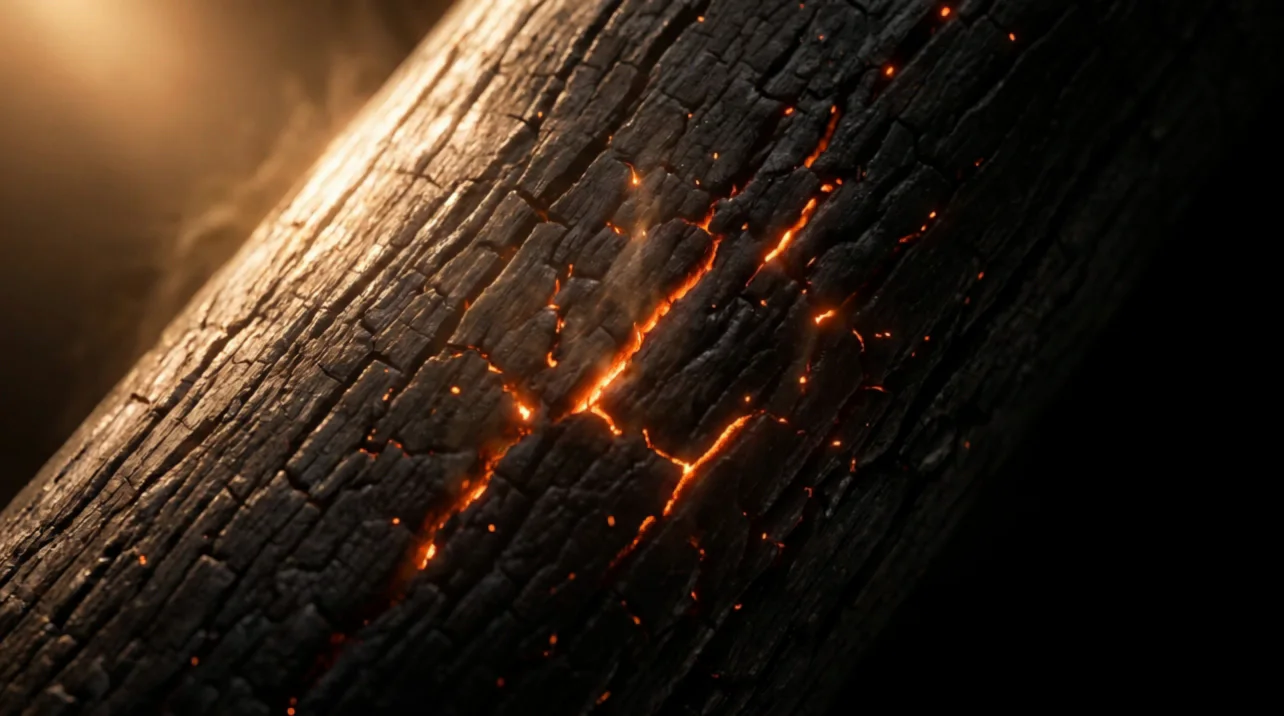
Ask a yakitori chef in Tokyo what separates a good skewer from a great one, and sooner or later the answer comes back to the fire. Not the marinade, not the knife work, the fire. And the fire they mean is almost always Binchotan: white charcoal so dense it rings like metal when two pieces are struck together.
Binchotan is the most misunderstood product we make. Buyers ask for it by name without knowing what it is, and importers resell "binchotan" that never saw the temperatures real white charcoal demands. So here is the honest version, from the people who stack the kilns.
White charcoal is not a color, it is a process
Binchotan takes its name from the pale ash that dusts each piece after production, but the color is a side effect, not the point. What matters is what happens inside the kiln.
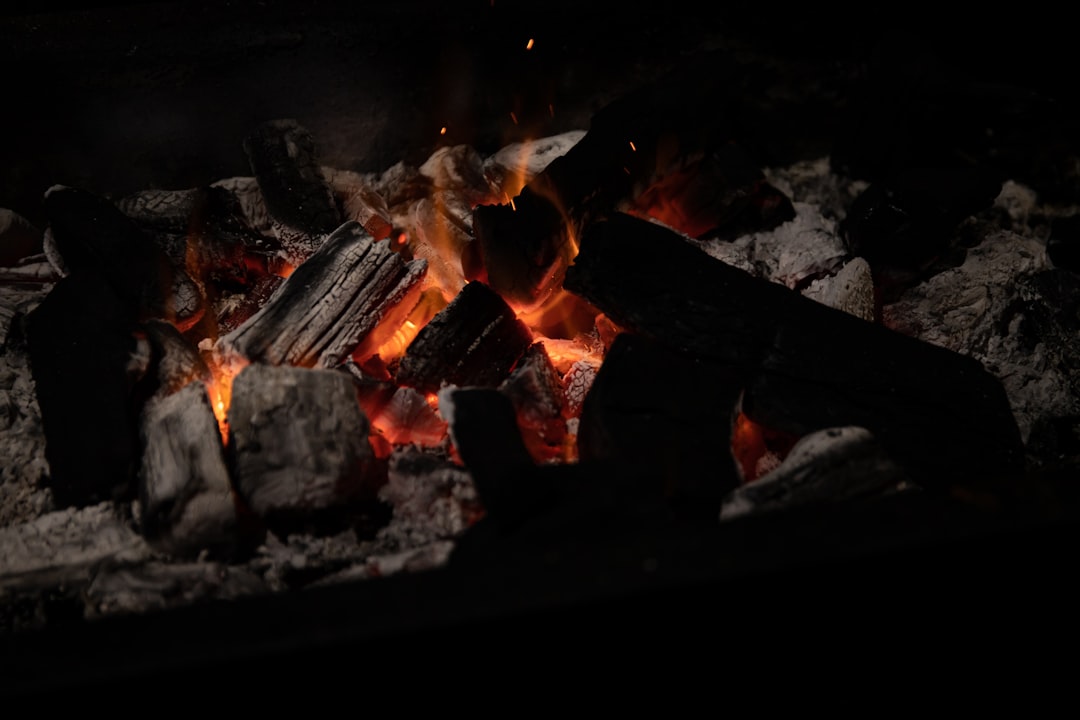
Ordinary black charcoal is carbonized at relatively low temperatures and pulled while it is still soft enough to light with a match. White charcoal is pushed far hotter, past 1000°C in the final stage, then raked out and smothered under a blend of ash, sand, and earth. That violent finish is what hardens the carbon structure into something closer to a mineral than to wood.
The result behaves nothing like the briquettes most people picture:
- It is steel-hard and rings when struck.
- It burns with infrared-dominant radiant heat, searing surfaces while keeping the inside tender.
- It produces almost no smoke and no flame once lit.
- A single load can hold cooking temperature for hours.
If you want the full technical breakdown of grades and specifications, our Binchotan charcoal page carries the export detail. This piece is about the why.
How we actually make it
There is no shortcut to white charcoal, and anyone who tells you otherwise is selling black charcoal with a better label.
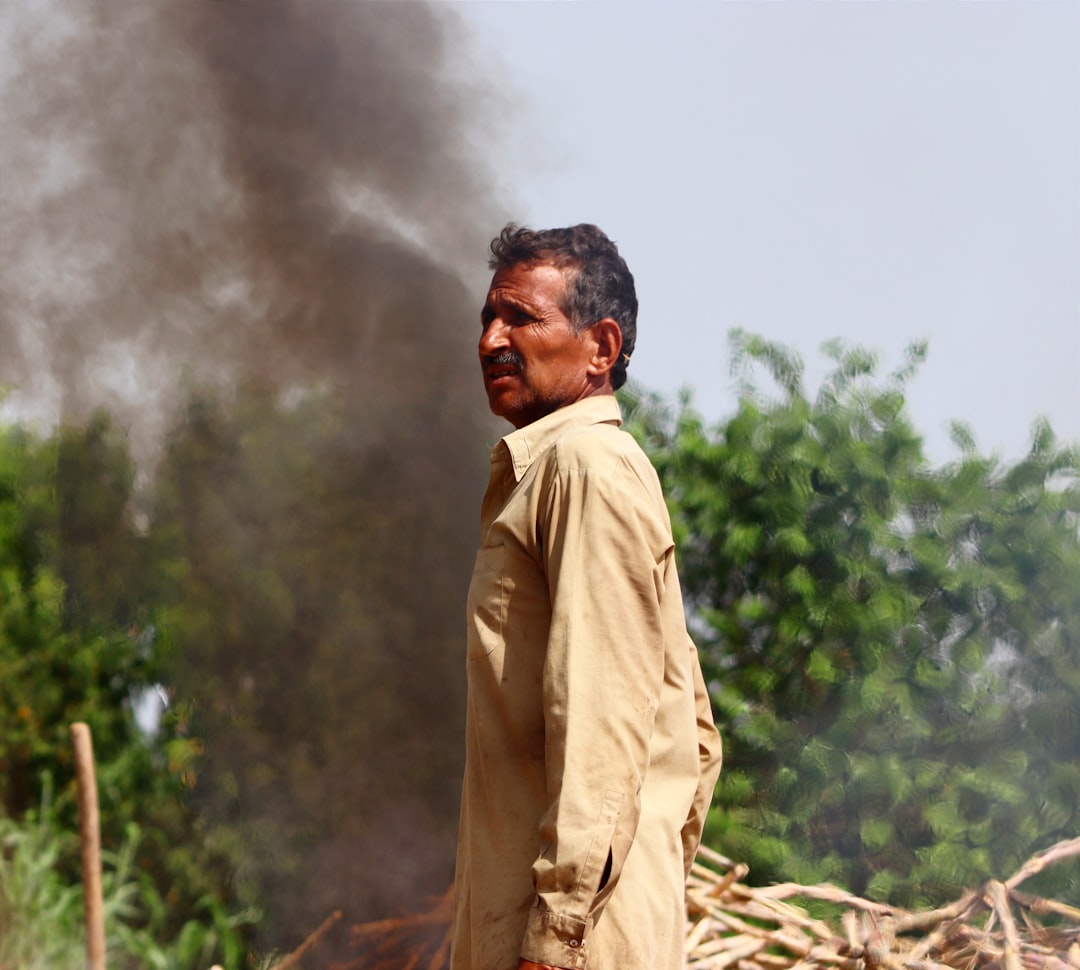
Selection
It starts in the forest. Only dense, mature hardwood carbonizes into true Binchotan, softer wood collapses at white-charcoal temperatures. We select log by log, because density is destiny: denser wood means higher fixed carbon, a longer burn, and less ash at the end.
Carbonization
Logs are hand-stacked inside traditional kilns and carbonized over days on a slow, deliberate temperature curve. The kiln master reads the smoke, hour by hour, white to yellow to blue, to judge exactly where the burn is. No gauge replaces that eye. It is the single skill our customers are really paying for.
The white-charcoal finish
At the end, the kiln is opened and the temperature driven up in a controlled burst. The glowing charcoal is raked out and immediately buried under ash and earth. This is done entirely by feel, and it is where most imitations fail, either the burst never reaches temperature, or the smothering is rushed. Done right, it leaves the signature white-dusted ends and the density that defines the grade. You can read more about that split in our note on white charcoal.
Why chefs pay for it
Restaurants do not buy Binchotan because it is expensive. They buy it because of what it does to food, and because of what it does not do to the room.
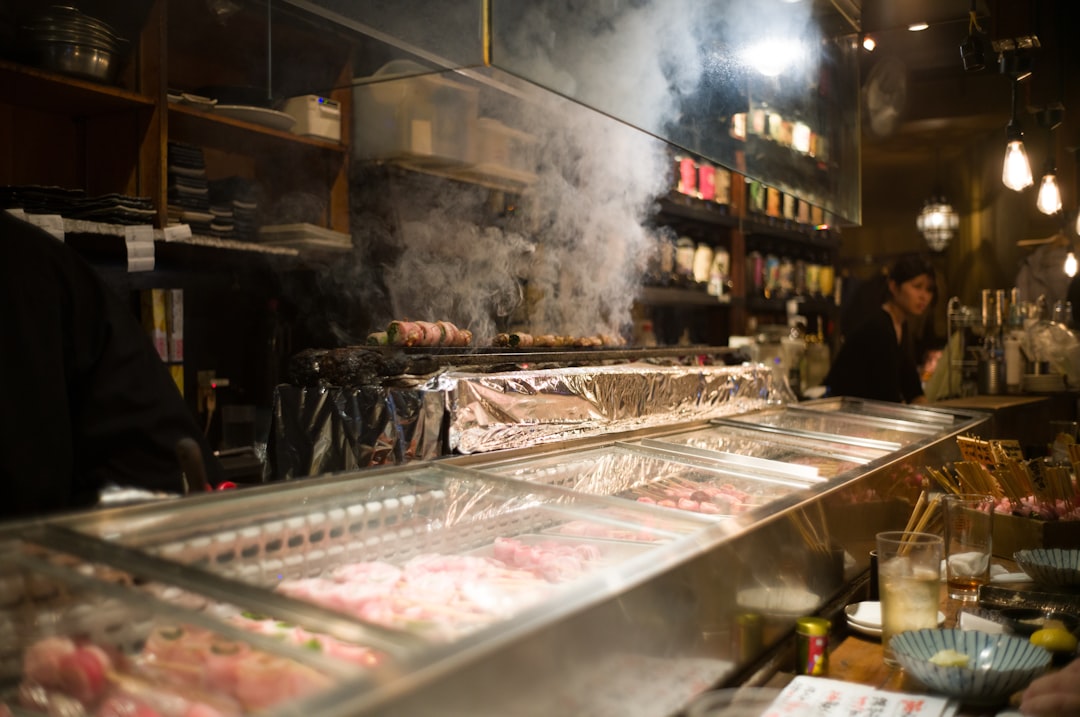
Radiant infrared heat cooks from the surface inward, giving that lacquered char without drying the interior. Because there is no smoke and no flame, the ingredient tastes like itself rather than like a campfire, exactly what a $200 tasting menu is protecting. And in an open kitchen, near-smokeless fuel is not a luxury, it is a ventilation requirement.
Once a serious grill counter standardizes on quality white charcoal, it almost never goes back. The consistency is the whole point.
That reliability is why we keep committed production allocations for restaurant grade charcoal buyers, so supply holds through peak season instead of vanishing when they need it most.
How to buy Binchotan without getting burned
A few questions separate real white charcoal from relabeled black charcoal:
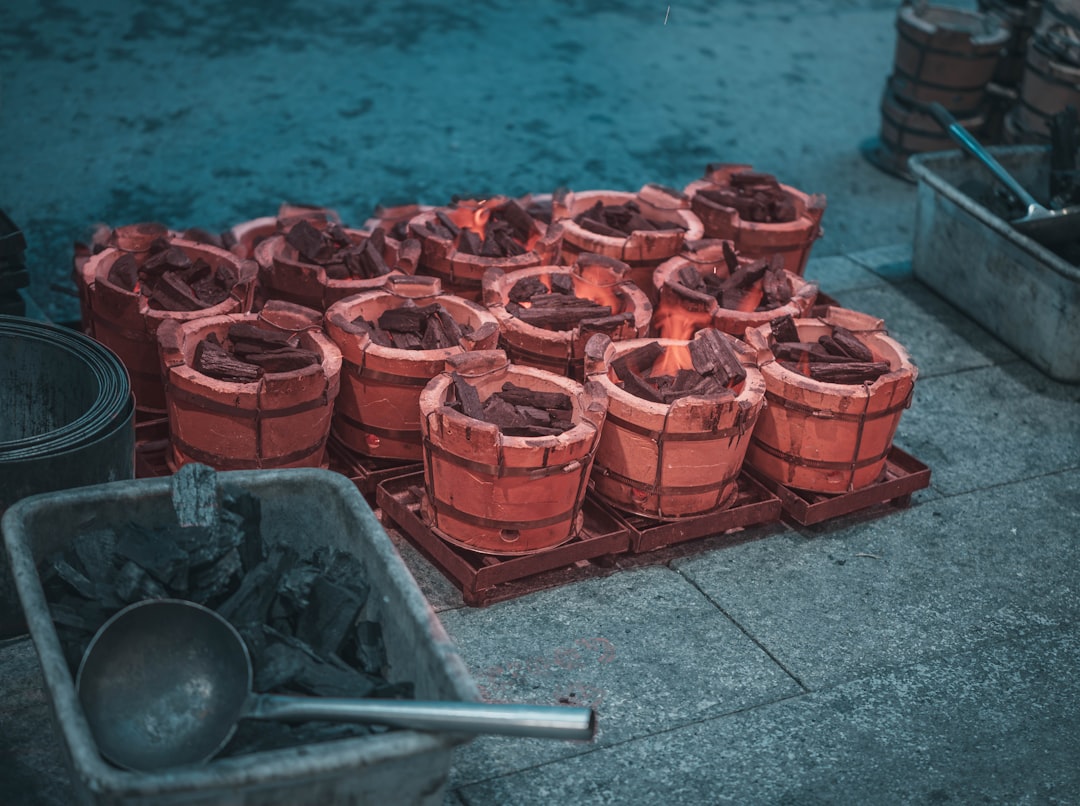
- Does it ring? Genuine Binchotan is hard and metallic when struck. A dull thud means it never reached white-charcoal temperature.
- What is the fixed carbon? Ask for the number, with documentation. High fixed carbon is what delivers the long, clean burn.
- How is it graded? Real suppliers sort by diameter, length, and hardness for yakitori, robata, and premium BBQ, because those uses need different pieces.
- Who made it? A trading company forwards a spec sheet it cannot verify. A factory can tell you which kiln, which week, and let you visit.
That last point is the one we care about most. We are a manufacturer, not a trading company, and every shipment ships with its own moisture, fixed carbon, and ash documentation.
The short version
Binchotan is hardwood taken past the point where ordinary charcoal stops, then locked into shape by ash and earth. It is harder to make, harder to light, and worth it, because once lit it burns longer, cleaner, and steadier than anything else on the grill.
If you are sourcing white charcoal for a restaurant group, a distributor line, or a private-label brand, start with the grade detail on our Binchotan charcoal page, then talk to the factory directly.
Source it directly
Binchotan White Charcoal, factory direct.
Binchotan is the highest expression of the charcoal maker's craft: hardwood carbonized at extreme temperature, then smothered in ash to create a steel-hard, near-pure carbon fuel prized by the world's finest grill chefs.