Japanese Charcoal: Types, Grades, and Uses
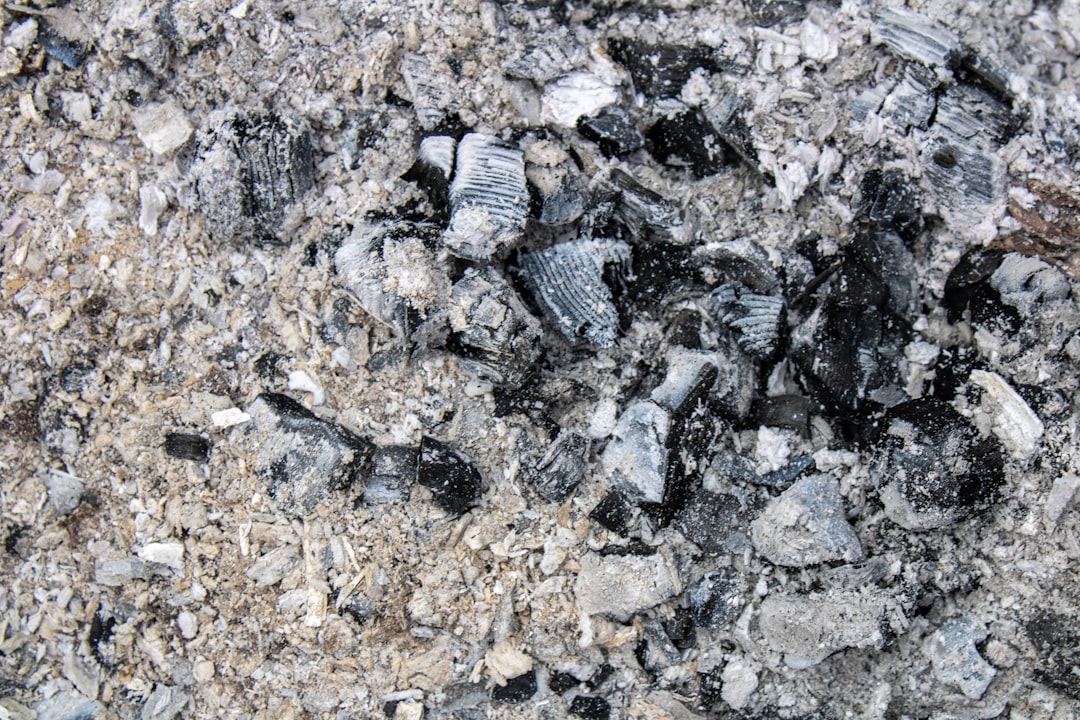
Most buyers who ask us about japanese charcoal are really asking about one thing: will it burn clean, hot, and long enough for what they sell. That is the right question. The name covers a wide range of product, from hard white charcoal used in yakitori bars to softer black charcoal used for everyday grilling. If you order the wrong grade for your market, you pay too much or you get complaints. This guide explains the types, the grades, and the uses in plain terms, the way we would explain them to you standing next to a kiln.
We are a charcoal factory in Indonesia. We fire kilns, sort by hand, and load containers for export. So this is written from the production side, not from a catalogue. Where the tradition comes from Japan, we will say so. Where the product you actually buy is made elsewhere to the same method, we will say that too, because it matters to your cost and your paperwork.
What People Mean By Japanese Charcoal
The term points to a method and a result more than a single country of origin. Traditional Japanese charcoal is made by carbonising hardwood slowly in a kiln, then, for the white grades, raking it out red hot and smothering it in a mix of earth, ash, and sand. That smothering step is what gives white charcoal its pale, ashy coating and its dense, ringing surface. The black grades skip that step and are cooled inside a sealed kiln instead.
So when someone says japanese charcoal, they usually mean one of two families. The first is white charcoal, the hard, high-fired product that a yakitori or robata cook wants. The second is black charcoal, softer and easier to light, used more broadly. Both are made from hardwood. The difference is in the firing temperature and the cooling method, and you can hear it: good white charcoal makes a clear metallic sound when two pieces are tapped together.
The most famous name in this category is binchotan. Binchotan is a white charcoal, and true Japanese binchotan is made from ubame oak in the Kishu region. It is excellent and it is expensive. Most of the world cannot buy it in volume, so the market runs on binchotan-style white charcoal made from other dense hardwoods, in Indonesia and elsewhere, to the same standard of hardness and burn. We cover that product in detail on our binchotan charcoal hub, and it is what most restaurant buyers actually put on their grills.
The Grades You Will Meet
Grades matter because they decide price and fit. A grade is not a marketing word here. It describes size, density, and how the piece will behave over a service.

White charcoal, the binchotan family, is the top of the range for cooking. It is fired hot, close to a thousand degrees Celsius, which drives off nearly everything except carbon. The result is a piece that is heavy for its size, hard enough to scratch soft metal, and slow to burn. It lights slowly, which frustrates first-time users, then holds a steady heat for hours with very little smoke and almost no flame. That steadiness is why serious grill cooks pay for it. You can read how it is lit correctly in our guide on how to light binchotan charcoal, because getting that step wrong is the most common reason a buyer thinks a good batch is bad.
Black charcoal sits below white in price and above lump in consistency. It is fired at a lower temperature, so it stays a little softer and lights faster. It gives good heat and a cleaner burn than most commodity charcoal, and it suits kitchens that turn over coals quickly. If your customers want something closer to the Japanese method but faster to get going, black charcoal is the honest middle option. We compare the two directly in white charcoal versus black charcoal.
Then there is hardwood lump charcoal, which is not Japanese in tradition but is often sold alongside these grades because buyers shop for all of them together. Lump is irregular, lights fast, burns hot, and does not last as long as white charcoal. It is the workhorse for general grilling and barbecue. If that is your market, our hardwood charcoal and lump charcoal pages describe what we make and how we size it.
How These Charcoals Burn
Burn behaviour is the whole point, so it deserves its own section. Three things decide it: density, moisture, and size.
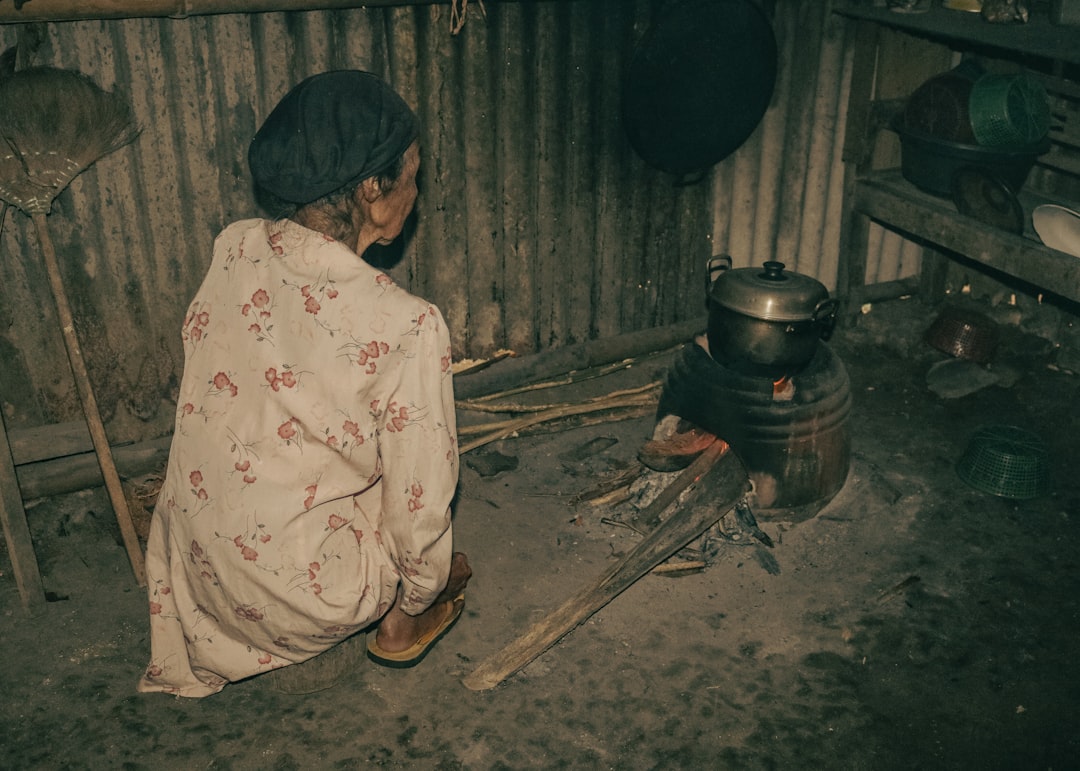
Density comes from the firing. A denser piece has more fixed carbon per gram, so it releases heat over a longer time. White charcoal is the densest cooking grade we ship, which is why a yakitori cook can run a long dinner service on a single loading. Black charcoal is less dense, so it burns hotter at first and fades sooner. Neither is better in the abstract. They are matched to different jobs.
Moisture is the quiet killer of burn quality. Charcoal is porous and it pulls water from humid air. Wet charcoal spits, smokes, and wastes its first minutes boiling off water instead of cooking. Good charcoal leaves our factory dry and stays dry only if it is packed and stored properly. We hold our export moisture low and check it before loading, and we explain why the number matters in charcoal moisture content and burn quality. When you receive a shipment, this is one of the first things worth checking.
Size decides packing density in the firebox and how evenly the heat sits. Uniform pieces light and burn together. A box full of mixed sizes gives you hot spots and cold spots, and a cook has to fight it. This is why we sort by hand and grade by length and diameter, and why a serious japanese charcoal order should always specify size, not just weight. If you are planning volume for a group of restaurants, our note on charcoal for restaurants and volume planning shows how to translate covers per night into kilograms per month.
The Main Uses, By Buyer
Different buyers need different things from the same shelf of product. Here is how the grades map to real use.
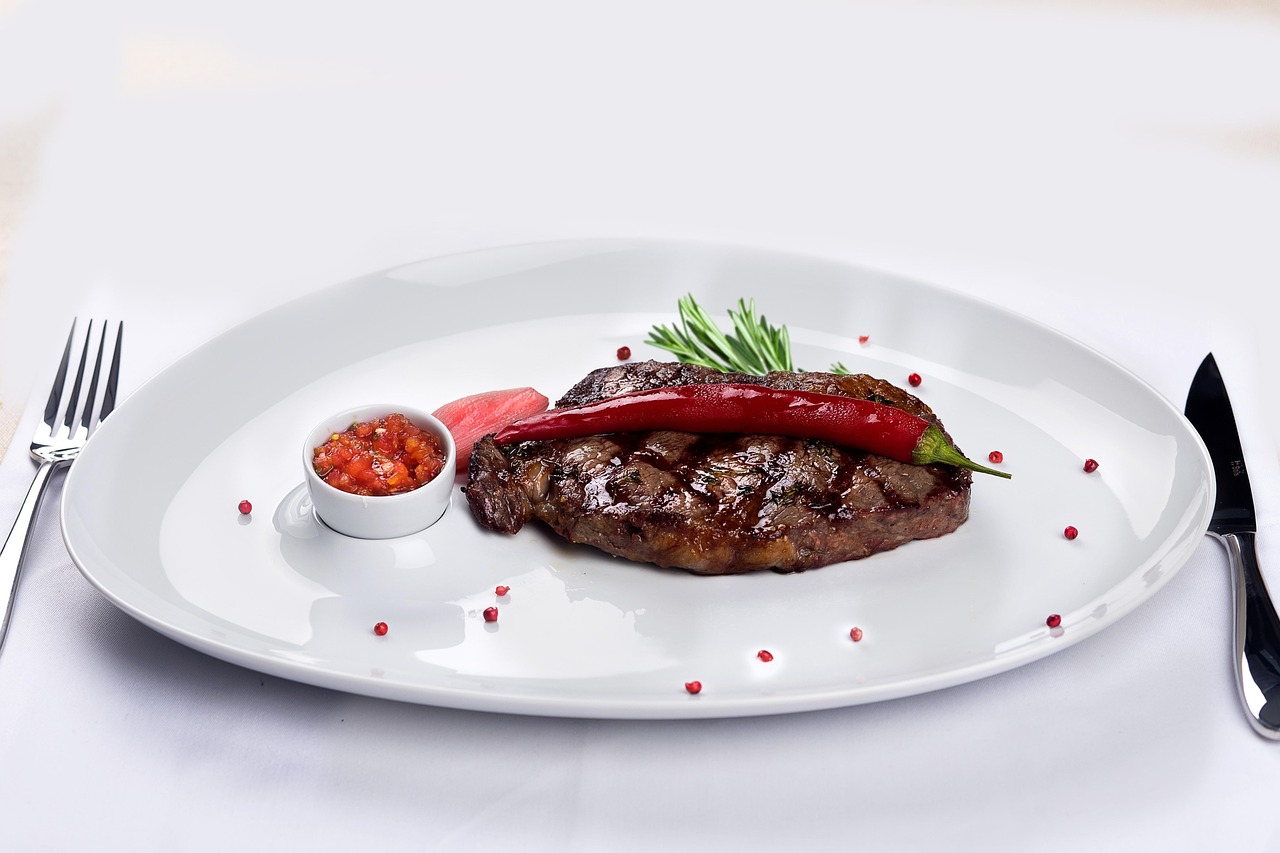
Restaurant grills and yakitori bars want white charcoal. The long, even, smokeless heat is exactly what an open grill in front of guests needs. There is no flare-up to char the food unevenly and no smoke to fill a small room. This is the classic use for the binchotan family, and it is the one people picture when they hear the words. Our restaurant charcoal page covers the grades and sizes that hold up to a full service.
General barbecue and outdoor grilling can go either way. A buyer serving the backyard market often does better with hardwood lump or a good black charcoal: it lights fast, gets hot, and does not cost as much as white. White charcoal is wasted on a short cook, because most of its value is in the hours it can hold. If your line is barbecue, see BBQ charcoal and our guide on how to choose BBQ charcoal for low and slow.
Private-label and retail brands need consistency above everything, because their name is on the box. A retail buyer cannot afford a good batch followed by a poor one. That is where our sorting and quality control earn their keep, and where a factory relationship beats buying spot lots from a trader. If you are building a brand, our private label charcoal and OEM charcoal pages explain how we produce to a fixed specification run after run.
There are non-cooking uses too, though they are a smaller part of what we ship. White charcoal is used to filter water and to absorb odours, because its porous structure and near-pure carbon hold impurities well. Those buyers care about the same density and purity that a grill cook cares about, just for a different reason.
Why Origin And Method Both Matter
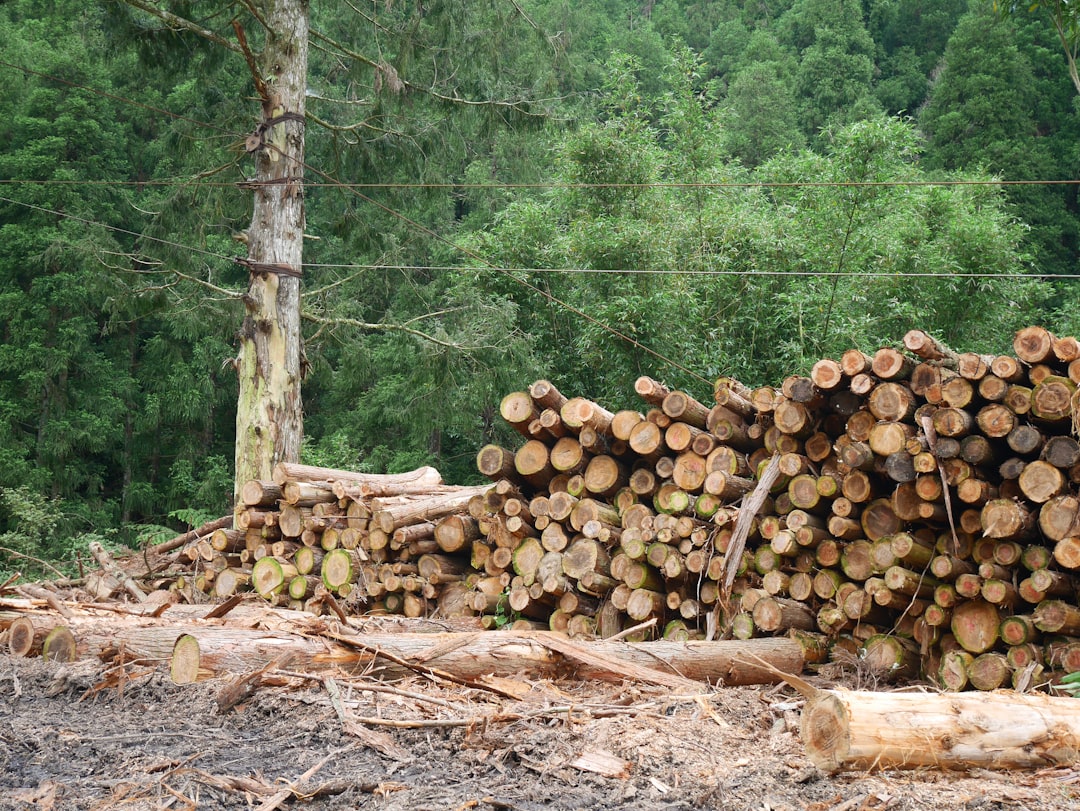
Here is the part traders often blur. The word japanese charcoal carries two claims at once: a place and a method. True Kishu binchotan is both, made in Japan from ubame oak, and it is priced accordingly. Most of the volume moving through the world is the method without that specific origin: binchotan-style white charcoal made from dense tropical hardwoods to the same firing standard.
That is not a lesser product by default. Indonesian hardwood is dense and burns long, and fired correctly it gives white charcoal that performs at the grill the way buyers expect. What matters is that you know which you are buying and that your label says so honestly. Calling non-Japanese product Japanese binchotan on a retail box is a problem waiting to happen. Describing it accurately as binchotan-style white charcoal is clean and still sells well. We walk through what makes our raw material perform in what makes Indonesian hardwood charcoal different.
Origin also affects your import paperwork, your duties, and your sustainability claims. Charcoal has to be sourced responsibly, and a serious buyer asks where the wood came from. We work from managed hardwood sources and can document it, which we cover under sustainability. If a supplier cannot tell you the species and the source, that is a signal, not a detail.
Buying From A Factory, Step By Step
Ordering japanese charcoal well comes down to a few decisions made in the right order.
First, pick the grade by use, not by name. Decide whether your market needs the long steady burn of white charcoal, the faster heat of black charcoal, or the low cost and quick light of lump. Do not pay white charcoal prices for a job that lump does better.
Second, specify size. Give a length and diameter range, or agree on our standard grades. This single step removes most of the complaints that come from uneven heat.
Third, agree on moisture and on how it will be checked. Ask what the moisture number is at loading and how the product is packed to hold it across a sea voyage. Our approach to packing for the container is set out in charcoal packaging for export.
Fourth, ask about quality control before shipping. You want to know that pieces are sorted, that fines and broken bits are screened out, and that someone checked the batch before it went into the box. We describe our process in charcoal quality control before shipping.
Fifth, know who you are buying from. A factory controls the kiln, the sorting, and the consistency. A trading company buys from whoever is cheapest that week, which is why the same order can vary. We lay out the difference plainly in charcoal factory versus trading company, and you can see how we handle export orders on our export and factory pages.
What To Check When It Arrives
When the container lands, a few quick checks tell you whether the batch is right. Tap two pieces of white charcoal together and listen for a clear ring; a dull thud means it was under-fired or has taken on damp. Look at the sizing and see whether it matches what you ordered. Break a piece and check that the inside is fully carbonised, black through, not brown in the core. Light a small amount and watch for excess smoke or spitting, which points to moisture. None of this takes long, and it protects you before the product reaches your customer. If you want the full picture of how the material goes from tree to finished coal, our how charcoal is made from forest to kiln walks through every stage.
Recap
Japanese charcoal is a method and a result, not a single item. White charcoal, the binchotan family, gives long, steady, smokeless heat and suits restaurant grills and yakitori. Black charcoal lights faster and fits kitchens that turn coals over quickly. Hardwood lump is the fast, hot, lower-cost option for general barbecue. Grade decides price and fit, so choose by use, then specify size, moisture, and quality control before you buy. Watch the origin claim and label it honestly, whether the product is true Kishu binchotan or binchotan-style white charcoal fired from Indonesian hardwood.
If you are deciding which grade to order or want to match a specification to your market, start with our binchotan charcoal hub and talk to us about a sample before you commit to a container.
Source it directly
Binchotan White Charcoal, factory direct.
Binchotan is the highest expression of the charcoal maker's craft: hardwood carbonized at extreme temperature, then smothered in ash to create a steel-hard, near-pure carbon fuel prized by the world's finest grill chefs.