Charcoal Moisture Content: Why It Decides Burn Quality

Every complaint about charcoal that lights slow, smokes too much, or burns out early usually traces back to one number, and that number is charcoal moisture content. It is the percentage of water still held inside the charcoal when it leaves the kiln and lands in your warehouse. Buyers look at size, colour, and price first, which is fair, but the water inside the piece is what decides whether the product performs the way the sample did. We fire kilns for a living, so this article is written from the floor, not from a brochure. We want you to know what the number means, how we hit it, and what happens to your order when it drifts.
Water and carbon do not get along in a firebox. Charcoal is mostly fixed carbon, and its job is to release heat when it meets air. Any water trapped in the piece has to be boiled off before the carbon can reach working temperature. That boiling steals energy from your fire. It is heat you paid for, spent on drying the fuel instead of cooking your food or heating your forge. So the water percentage is not a small detail on a spec sheet. It is the difference between charcoal that works and charcoal that fights you.
What Charcoal Moisture Content Means For Your Order
When we quote a moisture figure, we mean the mass of water divided by the total mass of the piece, written as a percentage. If a kilo of charcoal holds 80 grams of water, that is 8 percent. Good hardwood lump charcoal and binchotan sit low. We ship most grades between 4 and 8 percent. Briquettes and cheaper lump can run higher because of how they are made and stored. The lower the number, the more of what you bought is actual fuel.
Here is the part that costs buyers money and nobody explains at the quote stage. You pay by weight, and water has weight. Buy a tonne at 15 percent moisture and you have bought 150 kilos of water at charcoal prices, plus the fuel cost of hauling that water across an ocean. The same tonne at 6 percent carries 60 kilos of water. That is a 90 kilo swing on a single tonne, before the charcoal has even been lit. Multiply that across a full container and the difference is real cargo, real freight, and real margin.
Charcoal moisture content also decides how the product behaves the moment your customer uses it. Dry charcoal takes a flame and holds it. Wet charcoal hisses, throws steam, and asks for more time and more effort before it settles into a clean burn. A restaurant on a Friday night does not have time to coax a stubborn grill. A distributor does not want a shelf of bags that customers blame for a bad barbecue. The number on our test sheet is the number your end user feels, even though they will never read it.
How Water Gets Into Charcoal In The First Place
Fresh wood is heavy with water. Depending on the species and how long it has been cut, raw hardwood can hold 30 to 50 percent moisture. The first job of carbonisation is to drive that water out and rearrange what is left into carbon. Inside the kiln we raise the temperature in stages. Early on, the wood is just drying. Steam pours off. Only after the free water is gone does the wood begin to break down into charcoal proper.
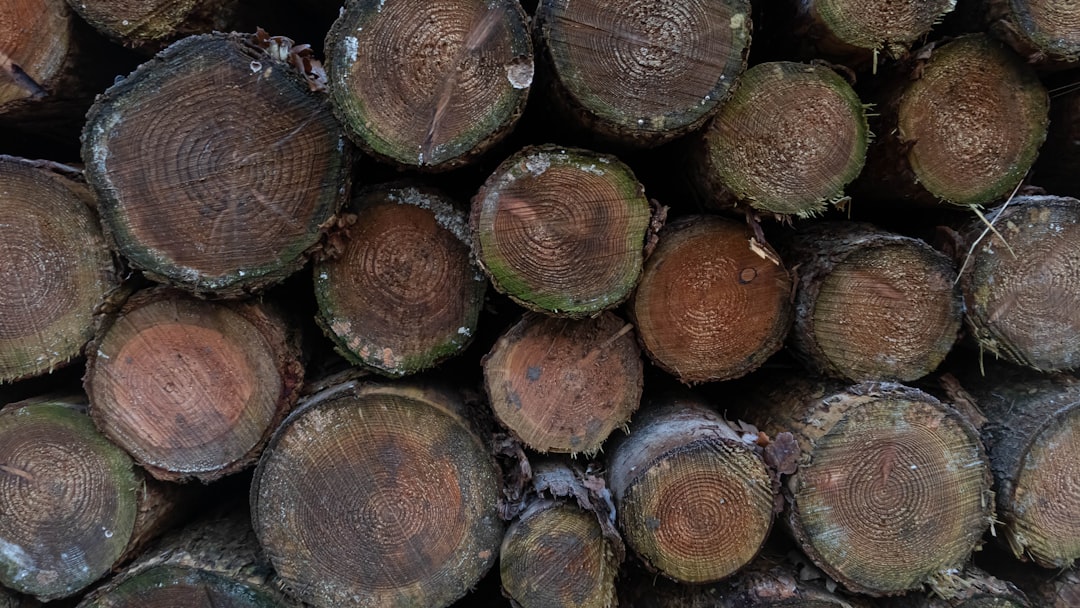
When the burn is done, the charcoal that comes out is dry and hot. If we did nothing else, the number would be low and stay low. But charcoal does not stay dry on its own. It is porous by nature, full of tiny channels that once carried sap. Those pores make it light easily, and they also make it thirsty. Charcoal pulls water straight out of humid air. In a tropical climate like ours, a piece left open in the wrong shed will gain moisture week over week without ever touching rain.
So the water in your charcoal comes from two places. Some is left over if the burn was rushed and the core never fully carbonised. The rest is picked up afterward, during cooling, storage, and transport. A factory that only watches the kiln and ignores the warehouse will still ship wet charcoal. Controlling the number is a whole-process job, and we treat it that way across our full manufacturing process, from the moment logs arrive to the moment the container doors close.
How We Measure It On The Floor
The honest way to measure moisture is by loss on drying. We take a sample from the batch, weigh it, then dry it in an oven at a controlled temperature until the weight stops falling. The weight lost is the water. Divide that by the starting weight and you have the percentage. It is simple, it is repeatable, and it does not lie. We keep a log for each batch so the number follows the product.

Sampling matters as much as the test. A kiln does not carbonise perfectly evenly. Pieces near the wall behave differently from pieces in the core. If we only ever tested the driest looking lump, our sheet would read beautifully and your container would still arrive damp. So we pull samples from different parts of the batch and different depths, break larger pieces open, and check the inside. A piece can feel bone dry on the surface and still hold water in the middle. The surface tells you about storage. The core tells you about the burn.
We also use quick handheld meters on the floor for a fast read between oven tests. They are useful for catching a problem early, but they are a guide, not the final word. The oven test is the one we trust and the one we record. Anyone can wave a meter at a bag and call it dry. The number that goes on your paperwork is the number the oven gave us. That discipline is a core part of our quality control, and it is why our sample and our shipment tend to match.
What High Moisture Actually Does To A Burn
Take two pieces of the same charcoal, one at 6 percent and one at 14 percent, and light them side by side. The dry piece catches, greys over, and settles into steady heat. The wet piece steams first. You will see a faint haze come off it, and you may hear it. That is water leaving. Until it is gone, the surface cannot reach the temperature it needs to sustain combustion, so the fire is slow to establish and slower to reach cooking heat.
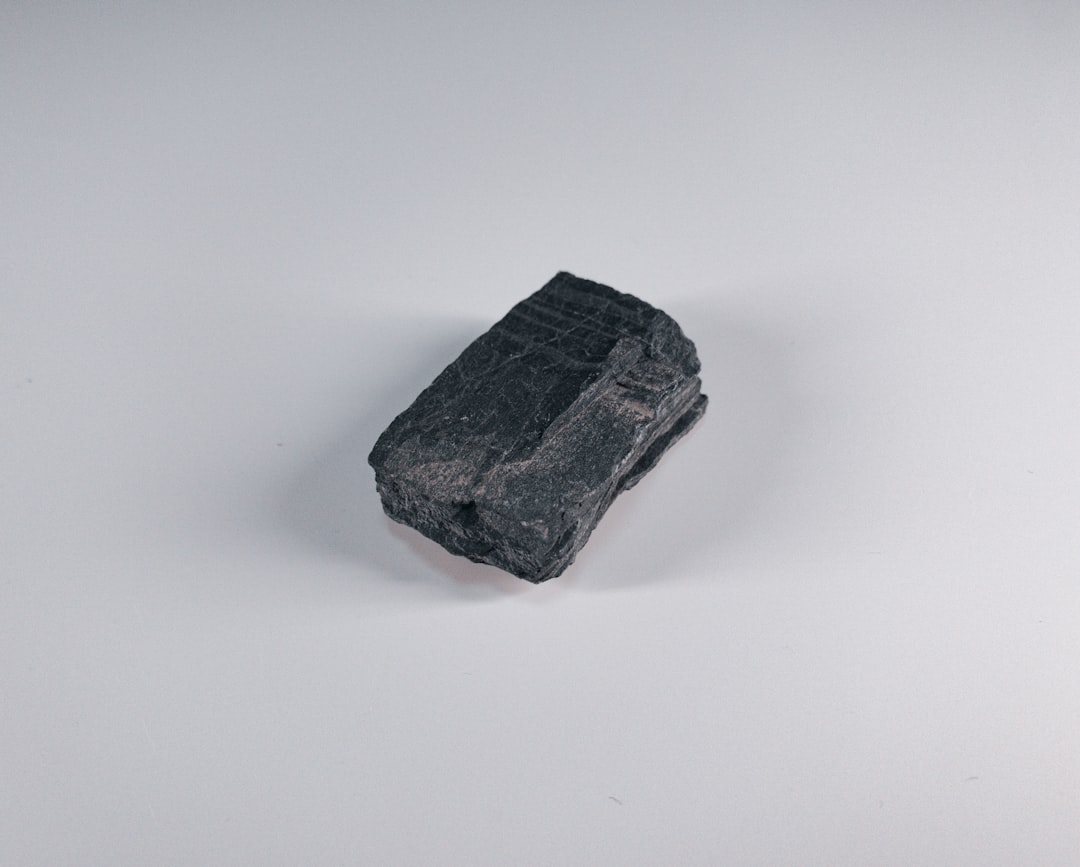
Once the wet piece finally lights, it still runs behind. Some of its energy went into boiling off the water instead of into the food. So it gives less usable heat per kilo and often burns out sooner, because part of what should have been fuel was spent drying itself. For a griller judging their charcoal by how long a load lasts, high moisture reads as poor value even when the carbon itself is good. If you want the mechanics of burn time in more detail, we lay it out in our guide on how long charcoal burns.
There is a smoke cost too. Steam and the compounds it carries off a damp piece mean more visible smoke and a less clean flavour in the early minutes. For a yakitori or robata counter cooking directly over the coals, that is not acceptable. It is one of the reasons serious grill houses reach for binchotan, which is fired hard and kept dry so it burns close to smokeless. We explain that choice in our piece on why restaurants use binchotan for yakitori and robata.
Why Binchotan And Hardwood Behave Differently
Not all charcoal targets the same number, because not all charcoal is made the same way. Binchotan, the white charcoal we produce, is carbonised at very high temperatures and finished in a way that leaves it dense, hard, and low in moisture. That density is why it burns long, steady, and clean. It also holds its low moisture well if it is stored right, because the structure is tight and less eager to drink from the air than softer charcoal. You can read what sets it apart in our explainer on what binchotan charcoal is.
Standard hardwood lump is more open and lights faster, which is exactly what many barbecue buyers want. That same openness makes it quicker to pick up moisture, so storage discipline matters more with lump than with binchotan. Neither is better in the abstract. They are built for different jobs. What they share is that both perform to spec only when the water is kept in check. A great binchotan stored badly becomes a mediocre one. The material sets the ceiling, but moisture decides whether you reach it.
Keeping The Number Low After The Kiln
Getting charcoal dry is half the work. Keeping it dry through storage, packing, and a sea voyage is the other half, and it is where a lot of exporters quietly lose control. Once charcoal cools, it sits in our warehouse, and our warehouse sits in a humid country. We store finished product off the ground, under cover, away from open doors and damp walls. Charcoal that touches a concrete floor will wick water up from it. Small habits like these hold the number where the kiln left it.
Packing is the last line of defence. Charcoal that leaves us dry can still arrive damp if it is bagged in something that breathes moisture or sealed while it is still warm enough to sweat. Warm charcoal in a sealed bag creates condensation inside the pack, and that water has nowhere to go. So we let product cool fully, then pack in materials chosen to keep humidity out during transit. A shipping container crossing the tropics goes through heat and cooling cycles that pull moisture out of the air, and packing is what stands between that air and your charcoal. We cover this in depth in our guide to charcoal packaging for export.
None of this shows up in a photo of the product. Two pallets can look identical and behave nothing alike because one was cooled, packed, and stored with discipline and the other was rushed onto a truck. When you are choosing a supplier, this is one of the real differences between a factory that owns its process and a trader that buys from whoever is cheapest that week. We spell out that distinction in our comparison of a charcoal factory versus a trading company.
What To Ask For As A Buyer
You do not have to take a moisture claim on faith. Ask for the figure in writing, tied to the batch you are buying, and ask how it was measured. A supplier who tests by oven and keeps a log will answer without hesitation. Ask what range they hold and what they do if a batch comes in high. The answer tells you whether moisture is something they manage or something they hope for.
If you are importing at volume, request a moisture check on arrival and compare it to the figure on the paperwork. A small drift is normal, since charcoal lives and breathes with the air around it. A large gap means the product was either under fired or badly stored, and it is worth a conversation before you reorder. For private label and OEM buyers putting their own name on the bag, this matters even more, because the moisture number becomes your reputation once the bag leaves your hands. We build that control into every OEM run, which you can read about in how OEM charcoal manufacturing works.
The right target depends on your use. A restaurant buying binchotan for direct grilling wants it as low as the grade allows. A barbecue brand selling easy lighting lump has a little more room but still wants it dry enough to light clean and burn honest. Tell your supplier how the charcoal will be used and let the number be part of the conversation, not an afterthought discovered on arrival.
Recap
Charcoal moisture content is the water held inside the piece, written as a percentage, and it decides how your charcoal lights, how long it burns, how clean it runs, and how much of your paid weight is fuel rather than water. It comes partly from the burn and partly from storage and transport after the kiln, so controlling it takes a whole process, not just a hot fire. We measure it by oven loss on drying, sample across the batch, and protect the number through cooling, storage, and export packing. As a buyer, ask for the figure in writing, ask how it was measured, and check it on arrival.
If you want to see exactly how we hold moisture low from log to loaded container, walk through our full manufacturing process. It is where the number is won.
Source it directly
The Manufacturing Process, factory direct.
Our process is centuries old and deliberately slow. Each stage exists because removing it would show up in the burn.