What Are Charcoal Briquettes Made Of?
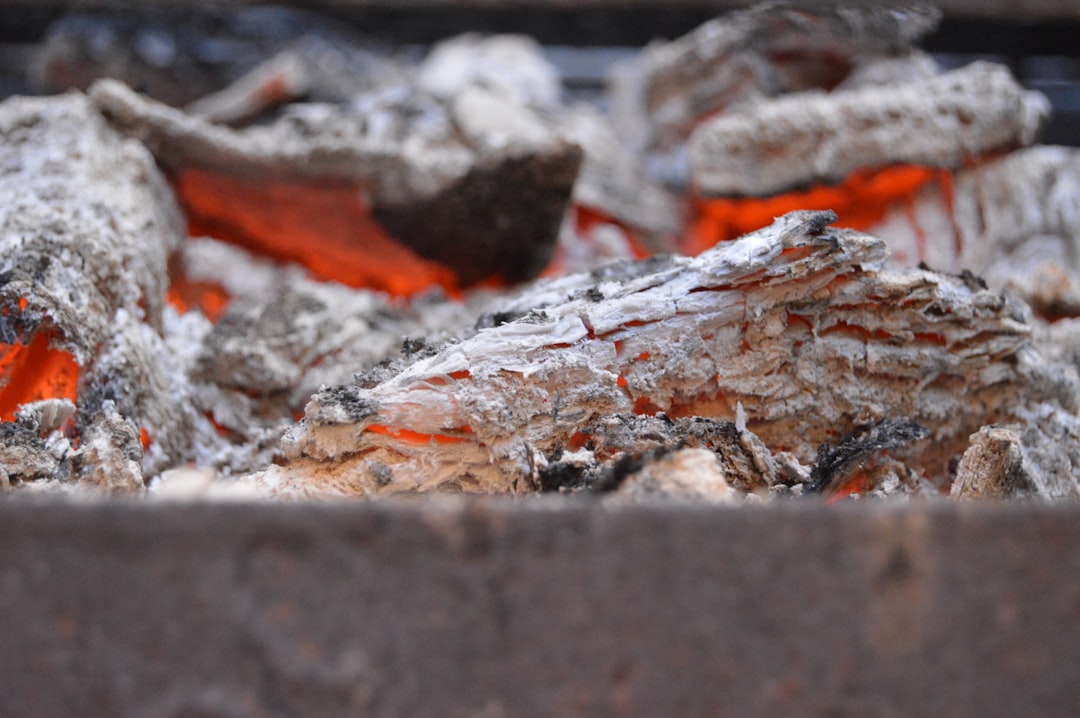
People ask us this at the gate almost every week. A buyer picks up a bag, turns it over, and wants to know what is actually pressed inside. It is a fair question, and the honest answer is that charcoal briquettes are not one thing. They are a recipe. Wood char is the base, but around that base sits a short list of binders, fillers, and additives that decide how the finished piece lights, how long it holds heat, and how much ash it leaves behind. We fire kilns and press briquettes for export, so this is a description of what goes into the machine, not a sales pitch.
Below we walk through each component, why it is there, and what happens to your cook when a factory changes the ratio. If you buy charcoal to resell or to run a kitchen, the ratio is your business, because it is the difference between a product that performs and a product that gets returned.
Charred Wood Is the Base, and It Matters Which Wood
The largest part of any briquette by weight is char. This is wood that has been heated in a low-oxygen kiln until the water, sap, and volatile gases are driven off and what remains is mostly carbon. That is the same process behind lump charcoal, which we sell as whole irregular pieces. The difference is that lump goes to the buyer as it comes out of the kiln, while briquette char gets crushed to a fine, even grind first.
Not all char is equal. Some factories buy sawdust and offcuts from furniture mills and char that. Others char coconut shell, which is dense and burns hot and clean, and is the base for most of the premium briquettes used in shisha and yakitori. We work with Indonesian hardwood and with coconut shell depending on the order, and the two behave differently in the press and on the grill. Hardwood char gives a familiar smoky character and a long ember. Coconut shell char runs hotter, holds together tighter, and produces very little ash, which is why restaurants pay more for it.
The quality of the raw char sets a ceiling on the finished briquette. If the wood was charred badly, too fast, or at the wrong temperature, it will carry moisture and unburned tar that no binder can fix. That is why we treat the manufacturing process as the real product and the pressing as the last step, not the first.
What Charcoal Briquettes Are Made Of, Ingredient by Ingredient
Here is the part most buyers actually want, laid out plainly. A standard briquette is char plus a small number of supporting ingredients. What charcoal briquettes are made of comes down to five categories, and a good factory can tell you the percentage of each in any bag it ships.
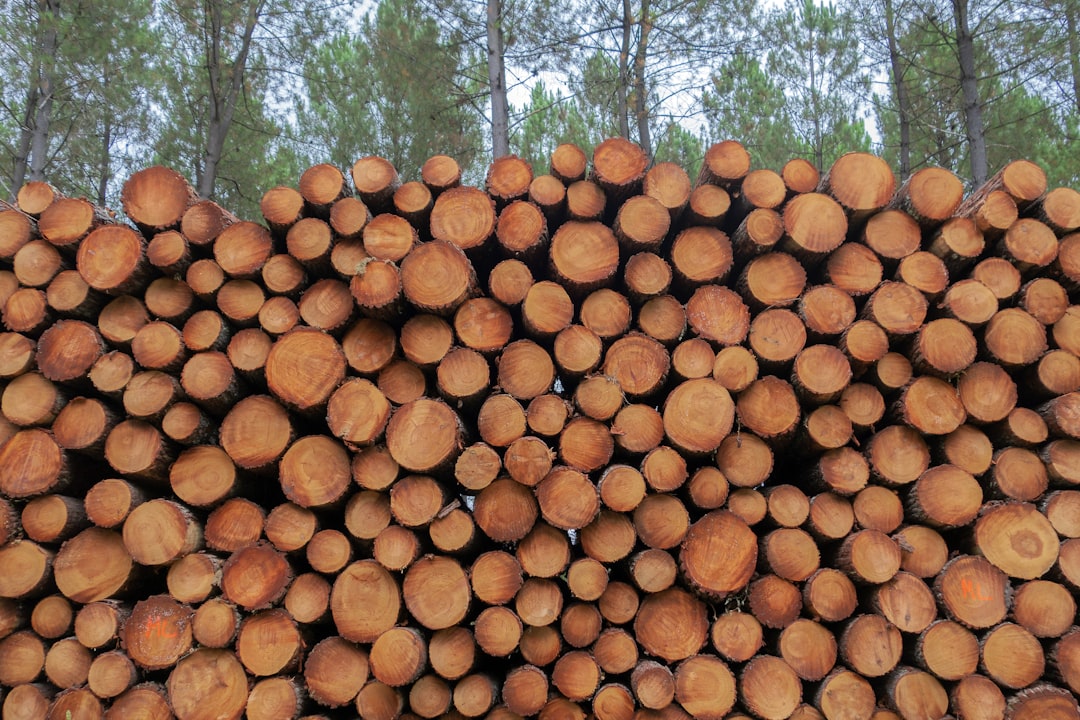
Char, the fuel. This is sixty to ninety percent of the mass depending on the grade. Higher char content means a hotter, longer, cleaner burn. Lower char content means the other ingredients are doing the heavy lifting, usually to cut cost.
Binder, the glue. Ground char is a powder. On its own it will not hold a shape, so a binder holds the pressed brick together until and during the burn. The most common binder is starch, usually from cassava, corn, or another cheap crop. Starch is food-grade, burns off cleanly, and adds almost no ash or smell. Cheaper factories sometimes reach for other glues that smoke or stink, and you can tell the difference the moment the coals catch.
Filler and ash agents. Some briquettes carry mineral fillers such as limestone or clay. A little limestone helps the coals turn white and signals to a backyard cook that they are ready. Too much filler is just dead weight that will not burn, and it shows up as a heavy pile of ash at the end of the cook. This is the single most abused ingredient in cheap product.
Accelerant, in some grades. Instant-light briquettes are soaked in a petroleum solvent so they catch from a match. That solvent is what many people smell and taste in supermarket charcoal. We do not make instant-light for buyers who care about food flavor, and most serious restaurant charcoal buyers refuse it outright.
Water, during production only. The mix is pressed wet and then dried. Water is not a finished ingredient, but the drying step decides the final moisture content, and moisture is what separates a briquette that lights in ten minutes from one that fights you for thirty.
Why the Binder Choice Decides So Much
It is easy to dismiss the binder as a minor part because it is only a few percent of the mass. That would be a mistake. The binder decides whether a briquette survives shipping without crumbling into dust, whether it holds its shape as it burns instead of collapsing into a heap, and whether it adds off-flavors to the food.
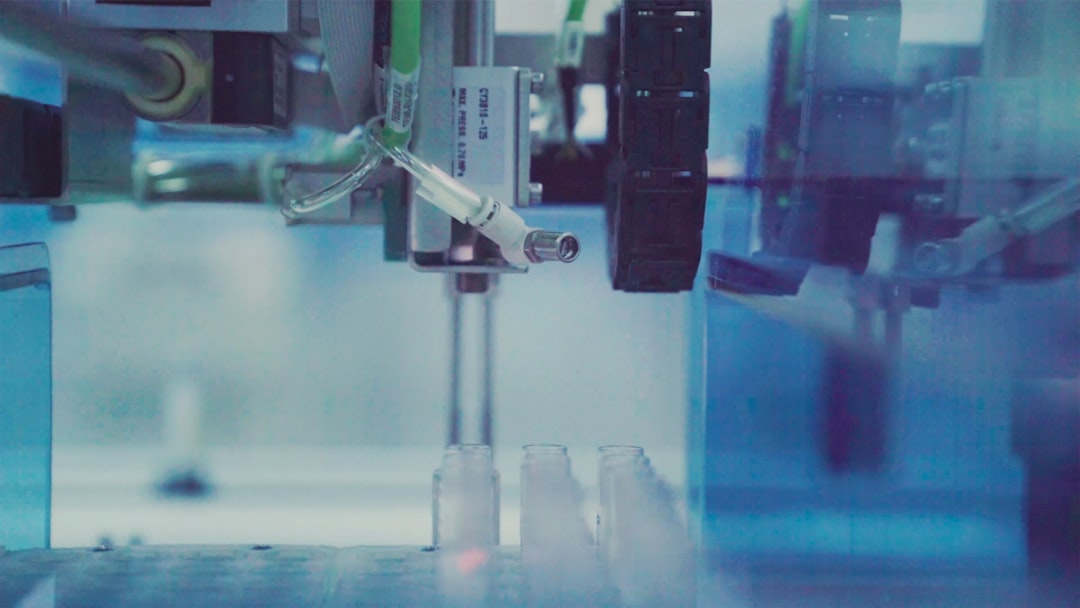
Starch is the clean choice. When we use cassava starch, it gels during pressing, dries hard, and then burns off in the first minutes on the grill, leaving the char to do the work. It contributes almost nothing to taste. That is exactly what you want in a binder, because the whole point is to hold the shape and then get out of the way.
The problem binders are the industrial ones. Some low-cost operations use tar, pitch, or leftover glue from other processes because it is cheaper than food-grade starch. These smoke heavily on ignition, and that smoke lands on the food. If you have ever cooked over a briquette that made your chicken taste like a chemical, that was the binder, not the char. When you evaluate a supplier, ask what the binder is by name. A factory that will not answer is telling you something.
The pressing pressure works together with the binder. High pressure and the right starch ratio give a dense brick that resists moisture and travels well. This matters a great deal for export, where product can sit in a hot container for weeks. We cover the packaging side in our guide on charcoal packaging for export, because the best briquette in the world still fails if it arrives as a bag of crumbs.
Moisture Content, the Hidden Ingredient
Moisture is not listed on any spec sheet as an ingredient, yet it controls the burn as much as anything on the list. A briquette that is not dried properly carries water in its core. That water has to boil off before the coal can reach cooking temperature, which is why damp product lights slowly, throws steam and smoke, and never gets as hot as it should.

We target a low, consistent moisture level and hold every batch until it hits that number. If you want to understand exactly why this matters, we wrote a full piece on charcoal moisture content and burn quality. The short version is this: two briquettes with the identical char and binder will perform completely differently if one is dry and one is not. Buyers who only check char content and ignore moisture get burned, sometimes literally, when a dry-looking bag turns out to hold water.
Moisture also decides shelf life. A well-dried briquette stored in sealed packaging stays stable for a long time. A poorly dried one can grow mold in the bag and turn to mush in a humid warehouse. For an importer moving container loads, that is not a small problem. It is a returned shipment.
Briquettes Versus Lump, Since Buyers Always Ask
Once someone understands what goes into a briquette, the next question is usually whether they should be buying briquettes or lump at all. The two are different products for different jobs, and neither is simply better.
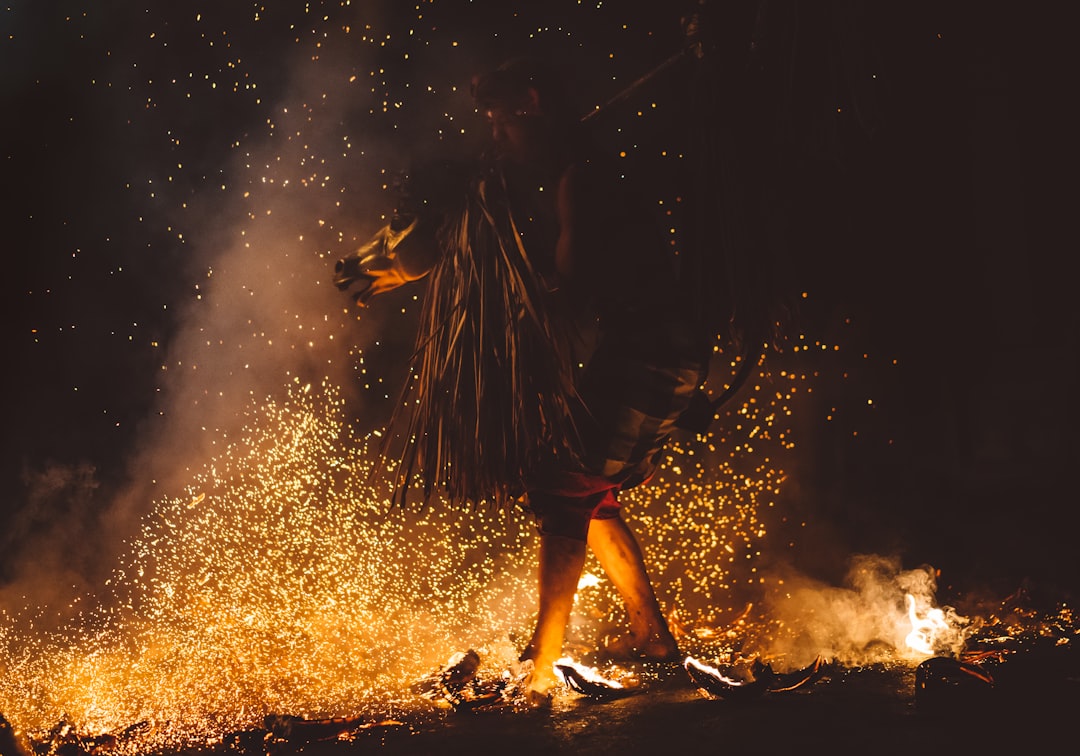
Lump charcoal is whole charred wood, nothing added. It lights faster, burns hotter, and responds quickly when you open the vents, which is why chefs and hard-sear cooks favor it. It also burns less evenly and less predictably, because every piece is a different size and density. Briquettes trade some of that peak heat for uniformity. Because each one is the same shape, weight, and density, they burn at a steady, predictable rate, which is exactly what you want for long, low cooks and for a kitchen that needs the same result every service.
We go deep on this in hardwood charcoal versus briquettes, and if lump is where you are leaning, the lump charcoal buyers guide walks through grades and sizing. The point for this article is that the ingredient list is the reason for the behavior. Briquettes are engineered to be uniform. Lump is nature, uncut. What you are really choosing between is consistency and raw intensity.
What Cheap Briquettes Hide
Now that the honest ingredient list is on the table, it is easier to see how a bad product is built. Cutting corners in briquettes almost always means the same three moves.
First, they cut the char and raise the filler. More limestone or clay, less actual fuel. The bag feels heavy and looks fine, but half of it will not burn. You find out at the end of the cook when the ash pile is enormous and the heat gave out early.
Second, they use a cheap binder that smokes. This saves a little money per ton and costs the end user their food flavor. It is invisible in the bag and obvious on the grill.
Third, they skip proper drying. Drying takes time and energy, so a rushed factory ships product wet, sells you water by weight, and lets the buyer deal with the slow light and the mold. This is the corner we see cut most often on low-price export orders.
None of these are detectable by looking at a photo or reading a one-line spec. They are caught by testing the product and by knowing the factory. That is the entire reason we push buyers toward quality control before shipping rather than trusting a sample that may not match the container.
Matching the Blend to Your Market
There is no single correct recipe, because the right blend depends on who is going to burn it. A factory that only sells one formula is either lucky in its customers or ignoring half of them.
Backyard grilling markets tolerate a fast, easy light and reward briquettes that turn white quickly, so a touch of ash agent earns its place. Restaurant and yakitori markets want maximum char, minimal ash, no additives, and a long steady burn, which points toward high-grade hardwood or coconut shell with a clean starch binder and nothing else. Shisha and specialty markets have their own tight requirements around odor and burn time.
This is why we treat every order as its own spec rather than pulling from one bin. If you are building a brand, our private label charcoal and OEM charcoal programs let you set the char source, the binder, the size, and the moisture target to fit your shelf and your customers. What charcoal briquettes are made of should be a decision you get to make, not one made for you by whatever was cheapest that month. A serious charcoal factory will sit down and tune the blend with you.
Recap
Charcoal briquettes are made of charred wood as the base, a binder to hold the shape, sometimes a mineral filler or ash agent, occasionally an accelerant in instant-light grades, and a controlled moisture level set during drying. The char decides the heat and the burn time. The binder decides whether the piece holds together and whether it taints the food. The filler is where cheap product hides dead weight, and the drying step is the hidden ingredient that separates a fast, hot light from a slow, smoky one. Briquettes exist to give a uniform, predictable burn, which is the trade they make against the raw heat of lump.
If you are deciding between the uniform burn of briquettes and the raw intensity of whole charred wood, start with our hub on lump charcoal and compare the two against what your market actually cooks. We are happy to blend either to your spec.
Source it directly
Natural Lump Charcoal, factory direct.
Nothing added, nothing pressed, nothing hidden: lump charcoal is simply hardwood transformed by fire. Its quality depends entirely on the wood and the kiln, which is why ours starts in the forest.