Lump Charcoal Buying Guide: How to Judge a Bag
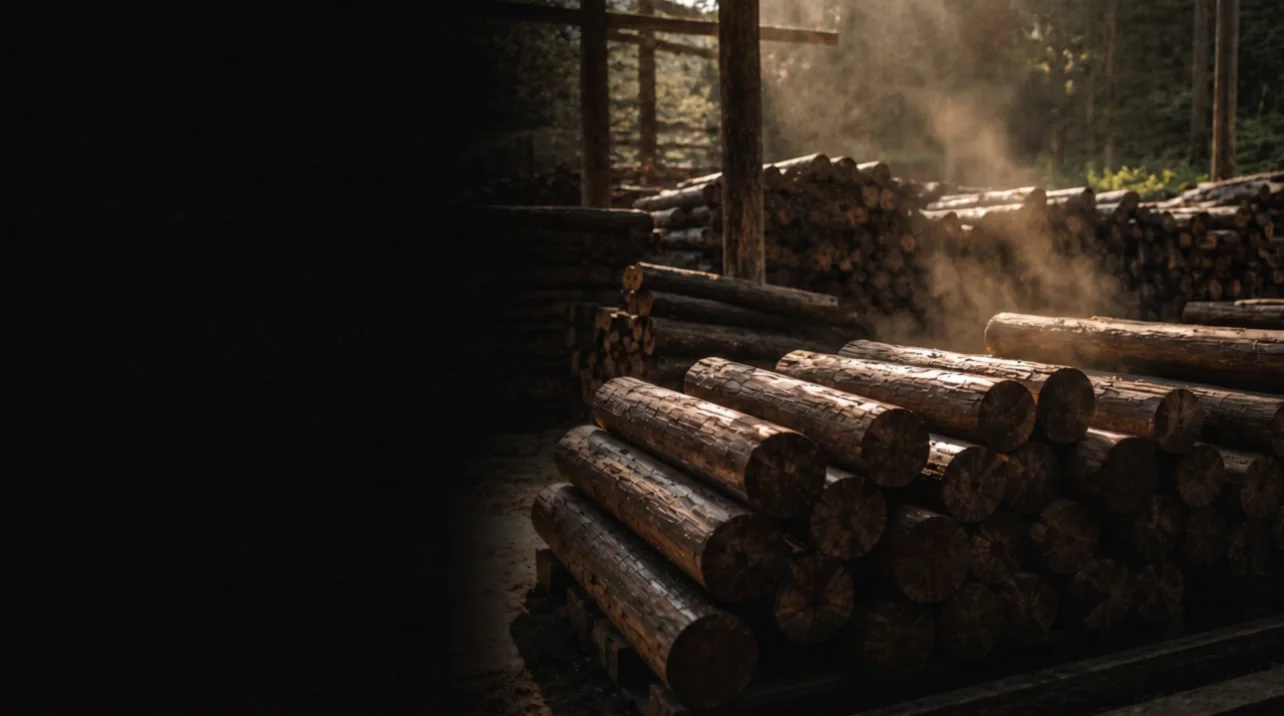
Most buyers judge lump charcoal by the photo on the bag. That is the wrong place to look. A bag can be styled for a catalogue and still hold soft, damp, dusty charcoal that fails on the grill. This lump charcoal buying guide is written from the kiln side of the trade, by people who load the wood, watch the burn, and sort the output by hand. It tells you what actually separates a good bag from a bad one, and how to check it before you sign for a container. If you buy for a distributor, a restaurant group, or a private label brand, the difference between two suppliers is rarely the price on the quote. It is what happens when the customer lights the bag.
We sell binchotan and hardwood lump to buyers in dozens of countries, so we see the same mistakes repeated across markets. Buyers pay for weight and receive water. They pay for large lump and receive a bag half full of fines. They approve a sample that was hand picked and never see that grade again. None of this is exotic. It comes down to a handful of physical checks anyone can run on a single bag, and a few questions that separate a real factory from a trader reselling whatever was cheap that month.
What lump charcoal actually is
Lump charcoal is wood that has been carbonised in a kiln until the moisture and volatile compounds are driven off, leaving mostly fixed carbon. It is not compressed. It is not bound with starch or glued into shapes the way briquettes are. Each piece keeps the grain and form of the branch or log it came from. That is the whole point of lump: it lights faster, burns hotter, and leaves less ash than a briquette, because there are no fillers riding along in the bag. If you want the longer comparison, we cover it in detail in our note on hardwood charcoal versus briquettes, but the short version is that lump is closer to raw carbonised wood and behaves like it.
Because lump is not manufactured to a uniform block, quality swings hard with the wood species, the kiln, and the operator. Two bags labelled the same can perform nothing alike. A briquette line can hide a mediocre feedstock behind binders and a press. Lump cannot hide anything. Whatever went into the kiln is what you pour onto the grate. That honesty is why serious buyers prefer it, and also why a lump charcoal buying guide has to start with the raw material rather than the packaging.
Start with the wood, not the bag
The single biggest driver of quality is the species and density of the wood before it ever reaches the kiln. Dense tropical hardwoods carbonise into hard, heavy lump that burns long and hot. Soft, fast grown wood carbonises into light, brittle lump that flares up and dies quickly. When we talk about what makes Indonesian hardwood charcoal different, most of it comes down to species like halaban, which is naturally dense and low in sap, and to a growing supply that we can trace.
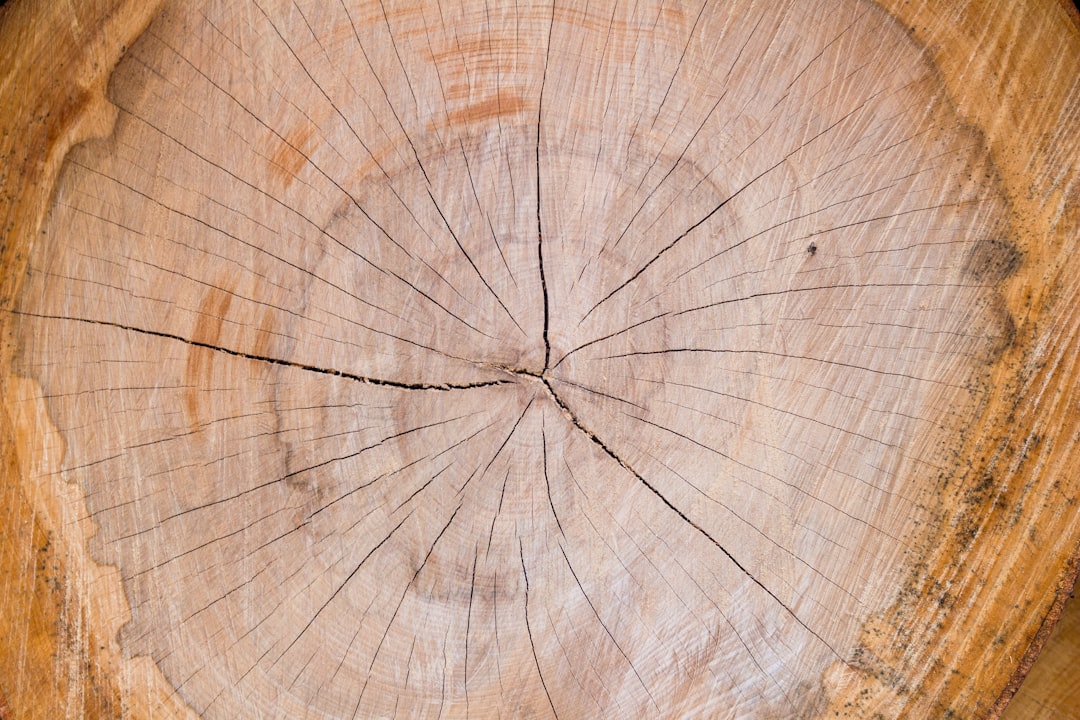
So the first question for any supplier is simple: what wood is this, and where does it come from. A factory that carbonises its own material can name the species without hesitating. A trader will often give you a vague answer, or a species name that changes between shipments. Ask, and listen to how specific the answer is. If a supplier cannot tell you the wood, they cannot promise you consistency, because they are buying carbonised output on the open market and reselling it. That is fine for a one off spot purchase. It is a problem if you are building a brand around the bag.
Wood also tells you about smell and food safety. Charcoal made from clean, single species hardwood with no bark, roots, or scrap timber burns clean and neutral. Charcoal made from mixed waste wood, pallets, or offcuts can carry paint, nails, glue, and an off smell that lands in the food. For anyone selling into the restaurant charcoal market, that neutral burn is not a luxury. A chef will reject a product that puts a chemical note on the plate, and they will not tell you why. They will just stop ordering.
The physical checks you can run on one bag
You do not need a laboratory to grade a sample. You need your hands, your eyes, your ears, and a cheap kitchen scale. Here is what we tell buyers to do the moment a sample arrives.
Size and the fines problem
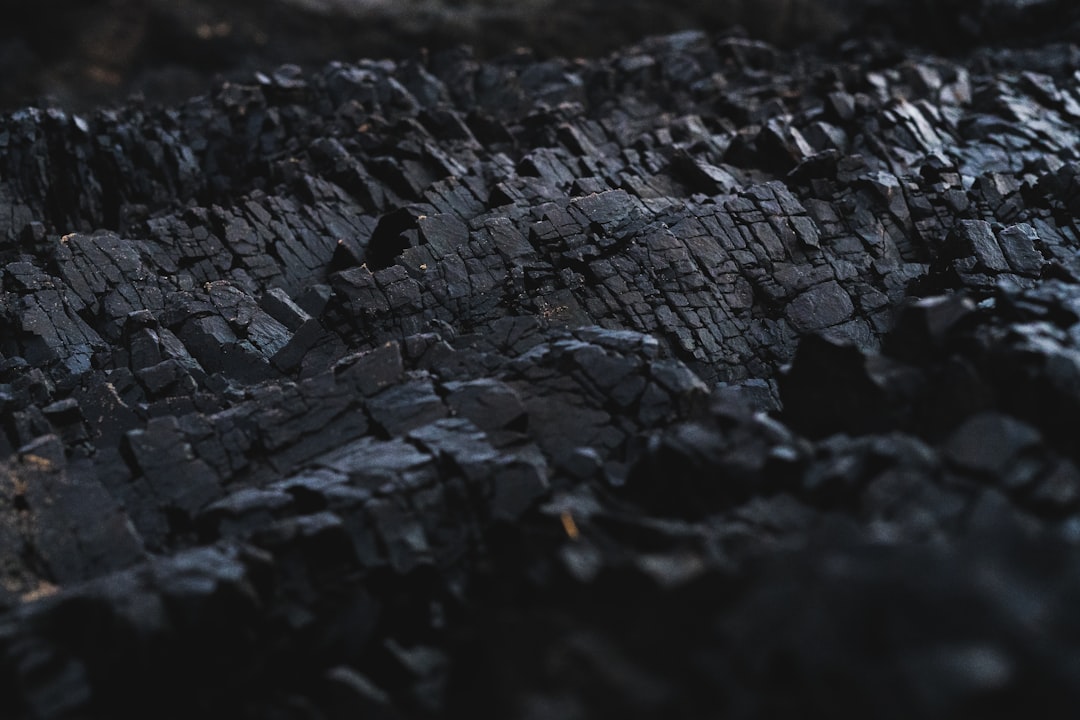
Open the bag and lay the pieces out. Good lump for grilling sits in a usable size range, roughly a fist down to a large egg, with a majority of pieces you would actually place on a grate. Now look at the bottom of the bag. Every bag of lump carries some fines, the small crumbs and dust that break off in transit. That is normal. What you are judging is how much. If a quarter of the bag is dust and thumbnail sized shards, you are paying charcoal prices for material that falls through the grate and lights unevenly. Fines are where dishonest suppliers hide weight. Dust is cheap to produce and heavy in the bag.
A little dust is physics. A lot of dust is either a weak, brittle wood or rough handling and long transport with no care taken. Either way it is your problem once it lands, so measure it on the sample.
Density and the weight in your hand
Pick up a single large piece. It should feel heavy for its size, dense, almost like a piece of light stone. Knock two pieces together. Good hardwood lump rings with a clear, almost metallic clink. Soft or under carbonised lump gives a dull, muffled thud. This is the fastest field test there is, and it takes two seconds. The ring tells you the piece is hard and fully carbonised through the middle. The thud tells you it is soft, or still holds raw wood at the core, which means it will smoke and burn short.
Weigh a known volume if you want a number. Fill the same container from two samples and compare the weight. Denser charcoal packs more fixed carbon into the same space, which is what the customer is really buying: burn time and heat.
Moisture
Charcoal is porous and it drinks water from the air, and sometimes from a kiln that was rushed or a warehouse that was damp. Moisture is dead weight you pay for and it wrecks the burn. Wet charcoal is hard to light, it hisses and steams, and it throws more smoke. Good lump feels dry, even a little warm and dry to the touch, and it lights without complaint. If a sample feels cool and heavy and takes forever to catch, suspect water. Reputable factories dry to a controlled moisture level and can quote you the figure. This is the kind of thing a real quality control process measures on every batch rather than eyeballs once.
Ash
Light the sample and burn it down. When it is spent, look at what is left. Clean hardwood lump leaves a small amount of pale, light ash. A large pile of ash, especially heavy or coloured ash, means the wood was full of minerals, or it was cut with bark and scrap, or the charcoal was made from the wrong material entirely. Ash is the residue of everything that was not carbon. Less ash means more of the bag was doing the work.
Smell and the burn itself
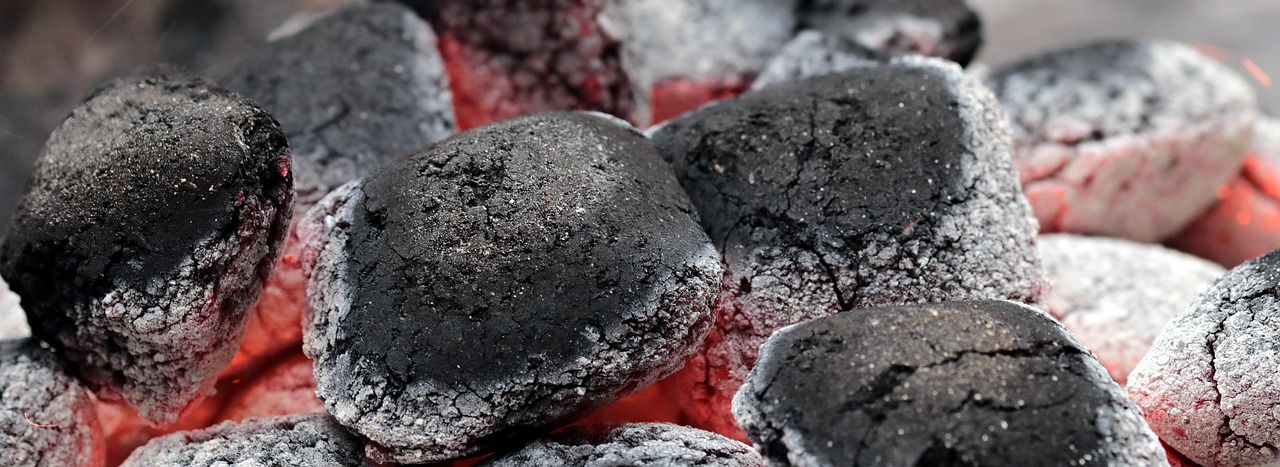
Finally, use your nose. Raw, unlit good charcoal smells faintly of clean wood smoke and nothing else. If it smells of chemicals, solvent, or anything sharp, do not put it near food. Then light it and watch. Good lump catches within a reasonable time, settles into a steady bed of glowing coals, holds heat, and does not throw sparks like a firework. Excessive sparking and popping usually means trapped moisture or resinous wood. A long, steady, low flame is what you want, and it is exactly what matters for the buyers reading our guide on choosing charcoal for low and slow cooking.
Binchotan is a different animal
If your sample is white charcoal, the rules shift. Binchotan, or white charcoal, is carbonised at very high temperature and then smothered in a mix of ash and earth, which gives it a hard, pale, almost ceramic surface. It is denser and harder than black lump, it rings like porcelain when you tap two pieces, and it burns for hours with almost no smoke and very little flame. You do not judge it by the same size and flare tests as black lump. You judge it by hardness, by the clean metallic ring, by the long low burn, and by how little ash it leaves.
Binchotan sits at the top of the market and it is priced there, so the checks matter even more. We go deeper into it in what is binchotan charcoal and in the practical note on how to light binchotan, and the difference in grade between the two colours is laid out in white charcoal versus black charcoal. For a buyer, the important thing is to know which product you are actually judging before you start, because holding binchotan to black lump standards, or the reverse, leads you to the wrong conclusion about a perfectly good bag.
The questions that separate a factory from a trader
Physical tests grade the sample in front of you. They do not tell you whether the next hundred containers will match it. For that you have to read the supplier, and this part of the lump charcoal buying guide matters more than the bag itself, because consistency is what keeps your customers.

Ask who carbonises the charcoal. A real factory will talk about its kilns, its process, and its sorting line without dancing around the question. If you want to see how a genuine operation describes itself, our manufacturing process page walks through carbonisation, drying, and grading, and our factory page shows the actual site. A trader cannot show you a kiln because they do not have one.
Ask how they grade and sort. Consistent sizing does not happen by accident. It comes from screening and hand sorting. Ask what happens to the fines and the off spec pieces, because a supplier who has a plan for them is a supplier who is keeping them out of your bag.
Ask about moisture and ash specifications, in numbers. Serious suppliers hold target ranges and test against them. If a supplier has never heard of a fixed carbon percentage or an ash figure, they are not controlling their output, they are selling whatever the kiln gave them that week.
Ask how they handle the container. Charcoal that is packed damp, or that sits in a hot metal box for weeks with no thought, arrives as dust and moisture. How a factory bags, seals, and loads tells you whether the good sample will survive the journey.
Finally, ask what they can do with the bag itself. If you are building a retail brand, you will want your own printing, your own sizing, and your own grade locked in. That is the world of OEM charcoal and private label charcoal, and a factory set up for it will talk fluently about minimums, artwork, and consistency across runs. A trader will not, because they do not control the source.
Order a real sample, then order a small trial
The last rule is the one buyers skip most, and it costs them the most. The sample a supplier sends you is their best work, hand picked. It is not proof of what a full container holds. So treat the first sample as a pass or fail on the product itself, and then buy a small trial order before you commit to volume. Grade the trial the same way you graded the sample: size, density, fines, moisture, ash, smell, burn. If the trial matches the sample, you have found a supplier who can repeat their quality. If it does not, you just learned that lesson cheaply, on one pallet instead of a full container.
Good buyers keep records. Weigh the fines, note the ash, time the burn, and write it down for each supplier and each shipment. Over a few orders you build a real picture of who is consistent and who is not, and that record is worth more than any quote. If you care about where the wood comes from and whether it can keep coming, our note on sustainability explains why a traceable, replanted supply is what keeps a bag consistent year after year, and our export page covers how we ship and document orders across borders.
The lump charcoal buying guide, in short
Judge lump charcoal by the wood, not the bag. Get the species and the source from the supplier, and be suspicious if they cannot name it. Run the hand checks on the sample: usable size with few fines, heavy dense pieces that ring when you knock them, dry to the touch, clean neutral smell, a steady hot burn, and little pale ash at the end. Match the product type to the test, because binchotan and black lump are graded differently. Read the supplier as hard as you read the sample, and favour a factory that controls its kilns, its sorting, and its moisture over a trader who resells. Then prove it with a small trial order before you scale, and keep records so you know who repeats. That is the whole lump charcoal buying guide in one paragraph, and it will save you far more than any discount on a quote.
When you are ready to compare grades and specifications for a real order, start at our lump charcoal hub, and bring the checklist above to the first sample you open.
Source it directly
Natural Lump Charcoal, factory direct.
Nothing added, nothing pressed, nothing hidden: lump charcoal is simply hardwood transformed by fire. Its quality depends entirely on the wood and the kiln, which is why ours starts in the forest.