Wood Charcoal: How It Burns and Why It Matters
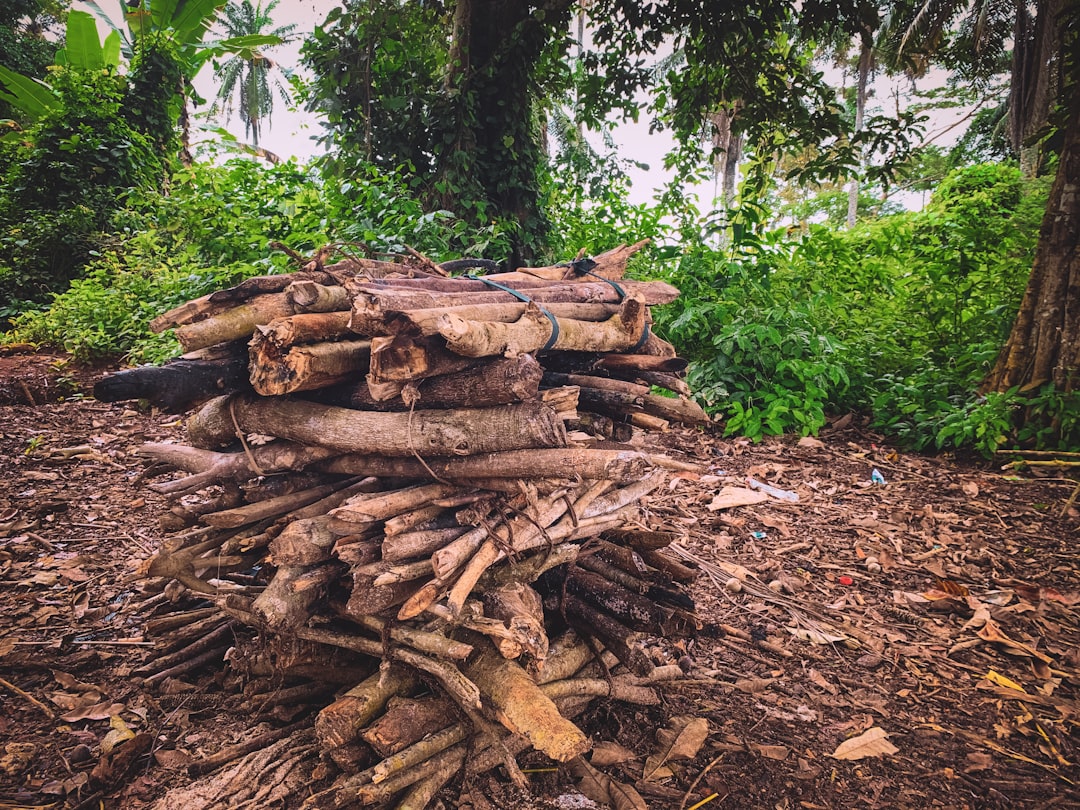
Wood charcoal is what is left after you drive almost everything out of a piece of hardwood except the carbon. We do that in a kiln, with heat and very little air, over days. When it is done right, you hold a piece that weighs a fraction of the log it came from, rings when you tap it, and carries a heat that a raw log will never give you. This article is about how wood charcoal burns, what makes one batch burn better than another, and why any of that should matter to you when you place an order. I fire kilns for a living, so I will keep it to what I see on the floor.
Most buyers judge charcoal by looking at it. Size, colour, how clean the bag is. Those things matter, but they are the last chapter of a longer story. The burn is decided in the forest and in the kiln, long before the charcoal reaches your grill or your importer's warehouse. If you understand the burn, you can read a sample in your hand and know what you are buying, instead of trusting a photo and a price.
What Wood Charcoal Actually Is
Start with the wood. A living tree is roughly half water by weight, and the dry part is mostly cellulose, hemicellulose, and lignin, plus a small amount of minerals that end up as ash. Burn that wood in open air and it flares, smokes, and turns to a little grey ash in an hour. All the energy leaves fast and dirty. Charcoal making is a way to slow that down and store the energy in a stable form.
Inside the kiln we raise the temperature while starving the wood of oxygen. The water leaves first. Then the volatile compounds, the tars and gases that make smoke and flame, cook off and vent out. What stays behind is a rigid carbon skeleton that keeps the shape of the original grain. That skeleton is the fuel. It is close to pure carbon, low in moisture, and low in the volatile matter that causes smoke. That is why good wood charcoal lights without much fuss and burns with a steady glow instead of a jumping flame.
The wood you start with decides a lot. We work mainly with dense tropical hardwoods, the kind that grow slowly and pack a lot of mass into a small piece. Dense wood gives dense charcoal, and dense charcoal holds more energy per piece and burns longer. Soft, fast-grown wood gives light, crumbly charcoal that lights quickly but is spent before you are done cooking. Neither is wrong, but they are for different jobs, and you should know which one is in the bag.
How Wood Charcoal Burns, Step by Step
When you light a piece of wood charcoal, three things happen, and they happen in order.
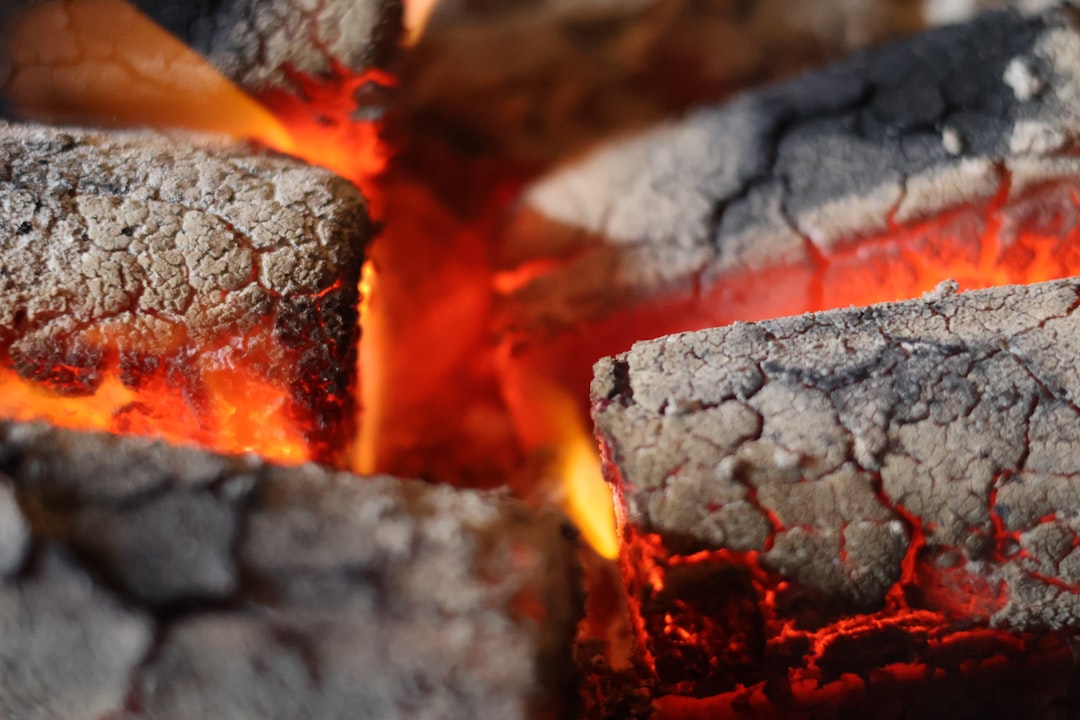
First, the surface has to reach ignition temperature. Charcoal does not catch as easily as paper or kindling because the easy-to-burn volatiles are already gone. You need a sustained heat source, a chimney starter, an electric coil, or a torch, to push the surface hot enough. This is the moment buyers complain about most, and it is usually a sign of good charcoal, not bad. Low volatile matter means less to catch fire quickly, but it also means far less smoke once it is going.
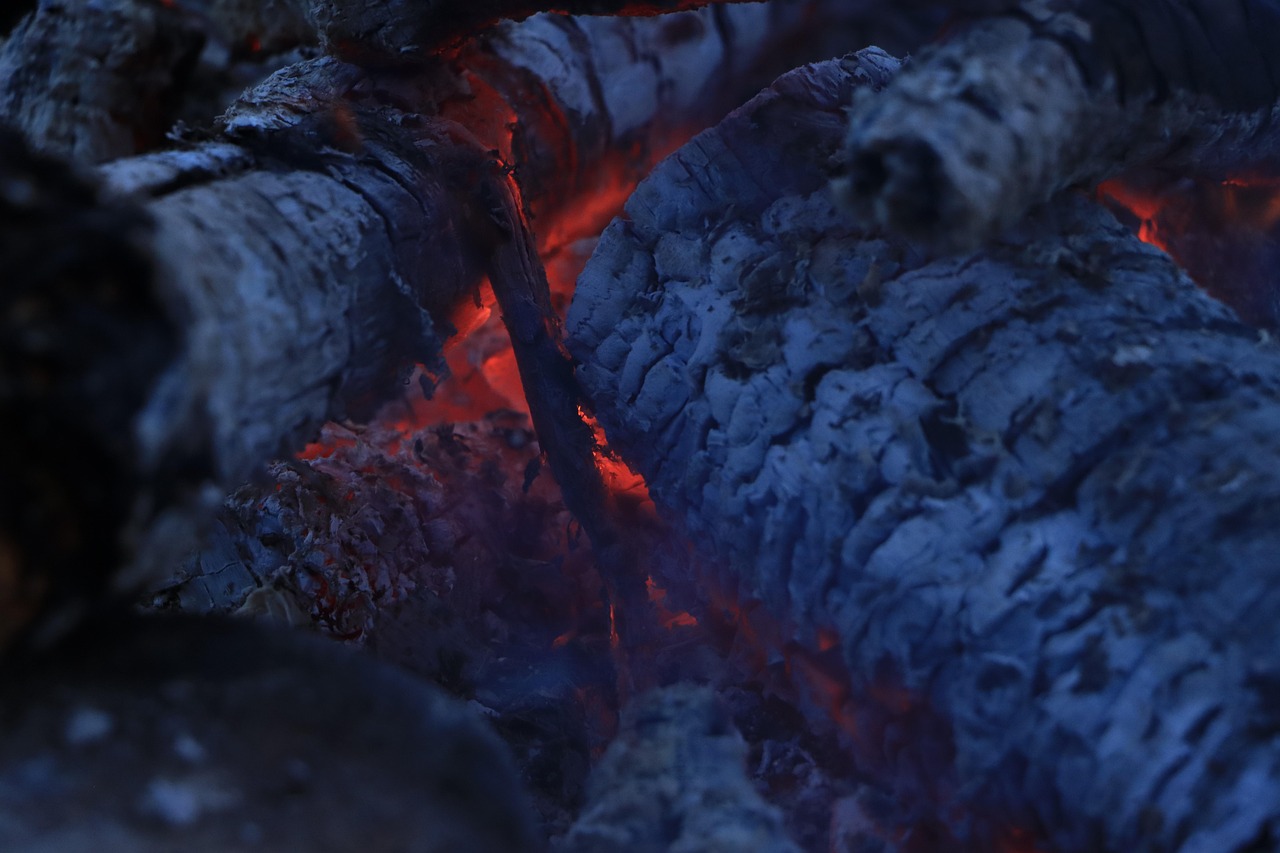
Second, the burn moves from the outside in. Oxygen reaches the glowing surface and reacts with the carbon there, releasing heat and turning the carbon to gas. The piece burns like an ember, glowing, not flaming, because there is little volatile fuel left to feed a flame. The heat you feel is radiant heat coming off that glowing carbon. A dense piece has a smaller surface for its mass, so it releases that heat slowly and steadily. A light, porous piece has more surface exposed and burns faster and hotter for a shorter time.
Third, the piece works down to ash. The mineral content that could not burn is left as a fine grey powder. Good hardwood charcoal leaves very little ash, which is one of the clearest signs of quality. High ash smothers the fire, needs cleaning out mid-cook, and usually points to wood that was harvested with too much bark, dirt, or soft growth. When a restaurant tells me their grill chokes halfway through service, ash is often the reason.
That is the whole cycle. Light, glow, ash. What separates a premium product from a cheap one is how long and how evenly the glow lasts, and how little ash is left at the end.
What Changes the Burn
Two pieces of wood charcoal can look almost the same and burn completely differently. Here is what actually moves the needle.
Moisture
Charcoal is porous, and it pulls water back out of the air after it leaves the kiln. Even properly carbonised charcoal will pick up moisture in a humid warehouse or a leaking container. Wet charcoal is hard to light, spits, steams, and gives less heat because energy goes into boiling off the water before the carbon can burn. This is the single most common problem I see in charcoal that was made well but stored or shipped badly. We hold our moisture low at packing and seal the bags, but the buyer's storage matters just as much. If you want to go deeper on the numbers, we wrote a full piece on charcoal moisture content and burn quality that is worth your time before your next order.
Density and species
This comes back to the wood. Dense hardwood gives charcoal that is heavy for its size, and that weight is stored heat. When you lift a sack of real hardwood charcoal it should feel heavier than you expect. If it feels light and airy, the wood was soft or the carbonisation was pushed too fast and too hot, which burns away some of the carbon itself. The species also affects how the charcoal holds together. Good dense charcoal survives shipping without turning half the bag into dust. If you want the full picture of why the raw material decides the result, our hardwood charcoal hub lays out what we make and which wood goes into each grade.
Piece size and packing
Size controls airflow, and airflow controls the burn. Big pieces packed tight burn slow and long, which is what you want for a long roast or a full night of service. Small pieces and a loose bed burn hot and fast, which suits searing. Neither is better in the abstract, it depends on the cook. This is why a serious buyer specifies a size grade instead of just ordering charcoal. A grill house running yakitori wants small, uniform pieces. A smokehouse wants big lumps. If you buy the wrong size, you will blame the charcoal for a problem that is really a spec problem.
How it was carbonised
The kiln itself leaves a fingerprint. Rush the burn and you get charcoal with volatiles still trapped inside, which smokes and smells when it should not. Under-cook it and the centre of a piece is still brown wood, so it flames and burns unevenly. Push it too hard and you lose yield and end up with brittle, dusty charcoal. There is a window, and hitting that window consistently across every batch is the actual craft. It is also the reason buying from a factory rather than a trading company changes what you get, because the factory controls the kiln and the trader only controls the invoice.
Why the Burn Matters for Your Order
If you are buying charcoal to resell, to supply restaurants, or to put your own label on, the burn is not a technical detail. It is the product. Here is how it shows up in your business.
For a restaurant buyer, burn time is labour and consistency. Charcoal that lights slow, burns uneven, and dies early forces your kitchen to babysit the fire and reload during service. That is wasted cost and inconsistent food. Charcoal with a long, even glow lets a cook set the fire and trust it. That reliability is why many grill houses pay more for a known hardwood grade instead of buying whatever is cheapest that week. We cover this in detail in our guide to charcoal for restaurants and volume planning, because the burn rate is also how you forecast how much to buy.
For a distributor, the burn is what protects your reputation. Your customers do not see the kiln or the forest. They see whether the last bag lit easily and lasted. Consistent burn across containers, month after month, is what keeps them ordering. One bad batch that smokes or turns to dust teaches them to shop around. This is why we test and grade before shipping, and why we would rather turn down an order than send charcoal we are not sure of.
For a private-label brand, the burn is your brand promise. When you put your name on a bag, the customer credits you for a good fire and blames you for a bad one. You need a supplier who can hold the burn steady so your product feels the same every time. That consistency is the whole point of building a label rather than reselling a commodity, and it is worth reading how to start a private-label charcoal brand before you commit to a supplier.
The point across all three is the same. The burn is measurable, it is repeatable when the maker controls the process, and it is the thing your own customers actually experience. Price gets you in the door. Burn keeps the account.
Grades and What They Are For
Not all wood charcoal is meant to do the same job, and matching the grade to the use is most of getting a good result. Lump hardwood charcoal is broken pieces of carbonised wood, irregular in shape, and it is the honest, all-round choice for grilling and smoking. It lights faster than the very dense grades and gives good heat with real hardwood character.
Then there is binchotan, or white charcoal, which sits at the top end. It is carbonised at very high temperature and then packed with earth and ash, which is where the white surface comes from. It is dense to the point of ringing like metal, burns for hours with a low, steady, almost smokeless heat, and is the standard for yakitori and robata grilling. It costs more because the process is slower and the yield is lower, and it is worth it for the cooks who need that long, clean burn. If your customers are high-end grill restaurants, binchotan charcoal is likely the grade they are asking for even if they do not know the name.
Between those, there are size grades within hardwood lump, packing options for export, and moisture targets we hold for different climates. A good supplier talks to you about the job first and the grade second. If someone only quotes you a price per tonne without asking what you are burning it for, they are selling a commodity, not solving your problem.
Recap
Wood charcoal is hardwood cooked down to its carbon skeleton in a low-oxygen kiln, and that skeleton is your fuel. It burns in three stages: it takes real heat to light because the smoky volatiles are already gone, it glows from the outside in as oxygen meets carbon, and it finishes as a small amount of ash. The burn is shaped by moisture, wood density and species, piece size, and how carefully the kiln was run. For restaurants, distributors, and private-label brands, that burn is not a detail, it is the product your own customers judge you on. And the right grade, from lump hardwood to binchotan, depends on the job, not the lowest price.
If you are deciding what to order, start with the burn you need and work back to the grade. Our hardwood charcoal page is the place to see what we make, which wood goes into it, and how to match a grade to your cook.
Source it directly
Indonesian Hardwood Charcoal, factory direct.
Dense hardwood charcoal carbonized in traditional kilns from carefully selected Indonesian hardwood. Built for long, clean, stable burns, trusted by importers, distributors, and restaurants worldwide.