Lump Charcoal Grill Setup: Airflow and Heat Control

A lump charcoal grill is a simple machine. Fuel, air, and a steel box that lets you control how the two meet. Most of the complaints we hear from buyers who are new to our charcoal are not really about the charcoal at all. They are about airflow. Someone chokes the vents, buries the coals, and then blames the lump when the fire limps along or flares out of control. We make charcoal for a living, and we also burn a lot of it to check our own work, so this guide is written from the kiln side of the trade. If you understand how air moves through the fuel bed, a lump charcoal grill becomes predictable, and predictable is what you sell.
This matters whether you are grilling a few steaks at home or sizing a season of restaurant volume. The physics is the same at both ends. Get the airflow right and good lump charcoal rewards you with high heat, a long working window, and very little ash. Get it wrong and even the best fuel will disappoint. So before we talk about the product, we will talk about the setup, because the setup is where most of the heat is won or lost.
Why Lump Behaves Differently From Briquettes
Lump charcoal is wood that has been carbonised and nothing else. No binders, no fillers, no accelerant. Each piece keeps the grain and density of the tree it came from, which is why a bag holds a mix of sizes and shapes. That variety is a feature once you know how to use it, and a nuisance if you expect every piece to behave identically.
Because there are no binders, lump lights faster and burns hotter than compressed briquettes. It also breathes better. Air passes through a loose pile of irregular lumps far more freely than through a tight stack of uniform pillows. That open structure is the whole reason people reach for lump when they want searing heat. It is also why vent control matters more, not less. The fuel responds quickly to air, so your adjustments show up in minutes rather than slowly over an hour.
Density is the other half of the story. Dense hardwood lump, the kind we cut from species like halaban and other tropical hardwoods, carries more carbon per piece, so it holds heat longer and leaves a smaller ash footprint. If you want the detail on how density and species feed into grading, we lay it out in our notes on hardwood lump charcoal grades. For this guide, the point is practical: dense lump gives you a longer, steadier fire, which makes airflow easier to manage because you are not constantly feeding the bed.
Airflow Is The Only Throttle You Have
A charcoal fire needs oxygen to burn. Cut the oxygen and the fire cools. Open the path and it heats. That is the entire control system, and almost every grill, cheap or expensive, works the same way. Air enters low through a bottom vent, passes up through the fuel bed where combustion happens, and leaves through a top vent carrying heat and smoke with it. The two vents are not redundant. The bottom vent feeds the fire. The top vent pulls the air through.
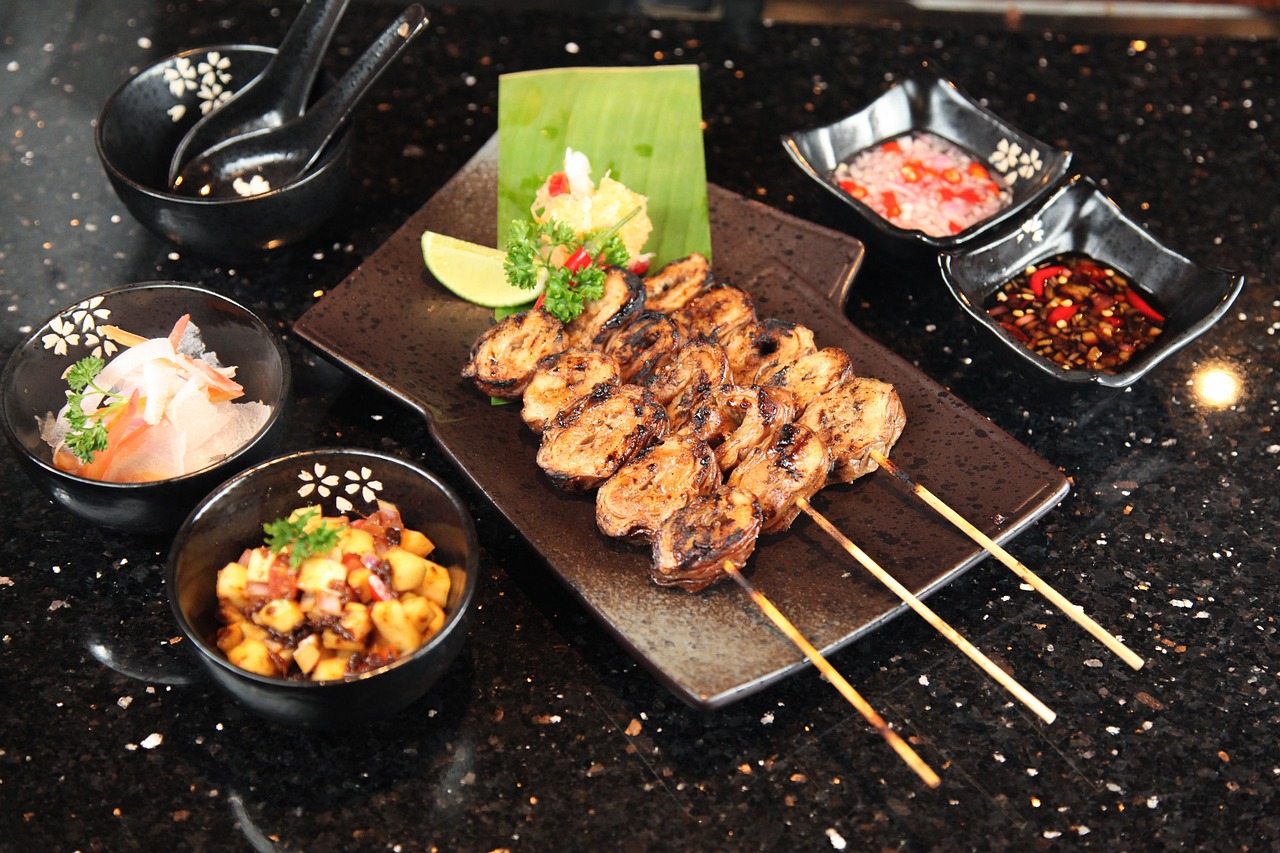
Think of it as a chimney lying inside your grill. The bottom intake decides how much air can get in. The top exhaust decides how hard that air is pulled across the coals. When both are open, the draught is strong and the fire runs hot. When you close the bottom intake, you starve the fire and the temperature falls. When you close the top too far, smoke stalls, the fire smoulders, and you can taste the result on the food.
The common mistake is to control temperature from the top. Do not. Leave the top vent mostly open and manage heat with the bottom intake. The top vent is there to keep air moving and smoke clearing. If you choke it down, you trap stale smoke around the food and you can even snuff a healthy fire. Set the exhaust open, then dial the intake to the heat you want. On most kettles and kamados, a bottom vent cracked a finger-width holds a steady roasting temperature, and wide open gives you searing heat. Your grill will have its own numbers. Find them once and write them down.
Lump Charcoal Grill, Step by Step
Here is the sequence we use when we fire a lump charcoal grill to check a batch. It is the same sequence we recommend to buyers who ask us why their results drift from cook to cook.
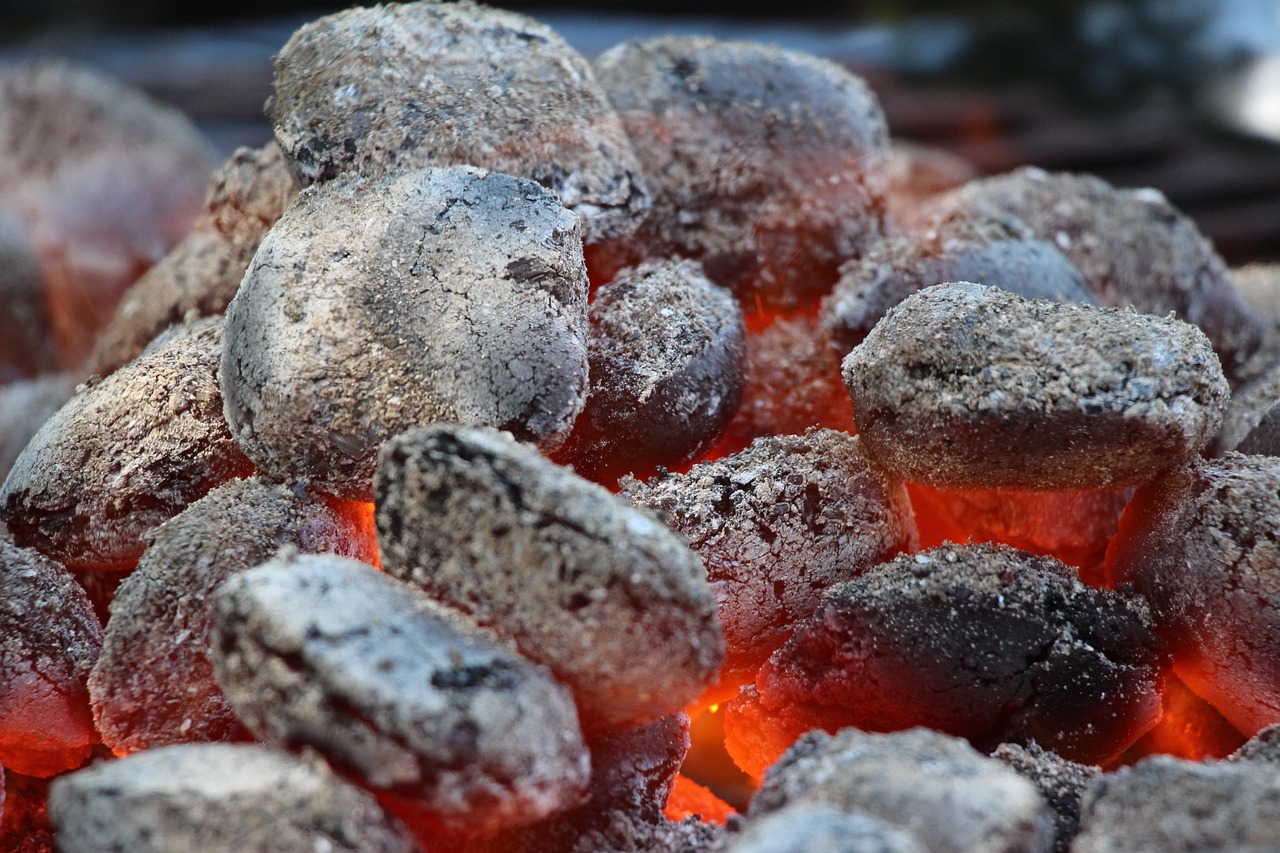
Start dry and start clean. Empty old ash from the base before you light anything. Ash is the silent killer of airflow. A bed of last week's ash sits over the bottom vent and blocks the very air the fire needs. A clean base is the first requirement for a steady fire, and it costs you thirty seconds.
Light with a chimney starter, not with fluid. Fill the chimney with lump, put a sheet of paper or a natural firelighter underneath, and let the draught do the work. In ten to fifteen minutes the top coals will show grey edges and the lower ones will glow. Lighting lump cleanly is worth getting right, and we walk through it in detail in how to light lump charcoal. A chimney gives you an even start with no chemical taste, which is the whole point of buying natural fuel.
Build the bed for the cook you want, not a flat layer every time. For searing, pour the lit coals into a tight pile so the fuel is deep and the fire is concentrated. Depth holds heat. For roasting or longer cooks, bank the coals to one side and leave the other side empty. That gives you a hot zone and a cool zone on the same grate, so you can sear over the fire and finish off to the side without a second grill.
Mind the piece sizes as you load. Put the larger, denser lumps at the base where they will carry the long burn, and keep a handful of smaller pieces to drop in when you need a quick lift in heat. This is where lump's size mix earns its keep. Briquette users never get this lever.
Set your vents before you add food, then leave them alone. Open the top, set the bottom to the target, and give the grill ten minutes to settle. A settled fire is stable. A fire you keep poking is not. Resist the urge to open the lid every two minutes, because every time you lift it you dump the heat you just built and feed a rush of air that spikes the temperature. Lid down, vents set, hands off.
Reading The Fire Instead Of Guessing
A lump charcoal grill tells you what it is doing if you watch it. Thin blue smoke or no visible smoke means clean combustion, and that is what you want over food. Thick white or grey smoke means the fire is struggling for air or the fuel is damp. If you see that, open the vents and give it a few minutes before you blame the charcoal.
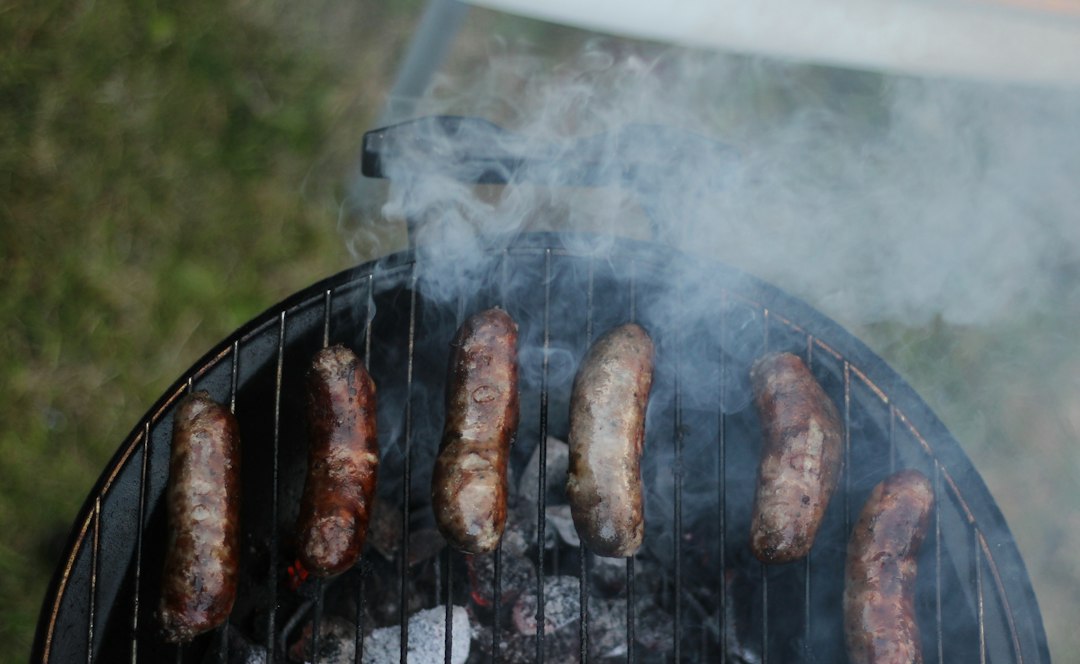
Flame tells you about air, not quality. A brief flare when you add fresh lump is normal, because the volatile edges catch and burn off. Persistent licking flames usually mean too much air or fat dripping onto an over-open bed. Steady, even glow with heat shimmer above the grate is the working state you are aiming for.
Colour of the coals is your temperature gauge once you learn it. Bright orange and near white at the core is searing heat. Deep red is a moderate, roasting fire. Dull red with grey ash creeping over the surface means the fire is fading and it is time to add fuel or accept that the cook is winding down. None of this needs a thermometer, though a lid thermometer helps you repeat a result you liked.
Moisture, Ash, And The Things That Wreck A Fire
Two problems account for most of the fires that will not behave, and both start before the grill is even lit.
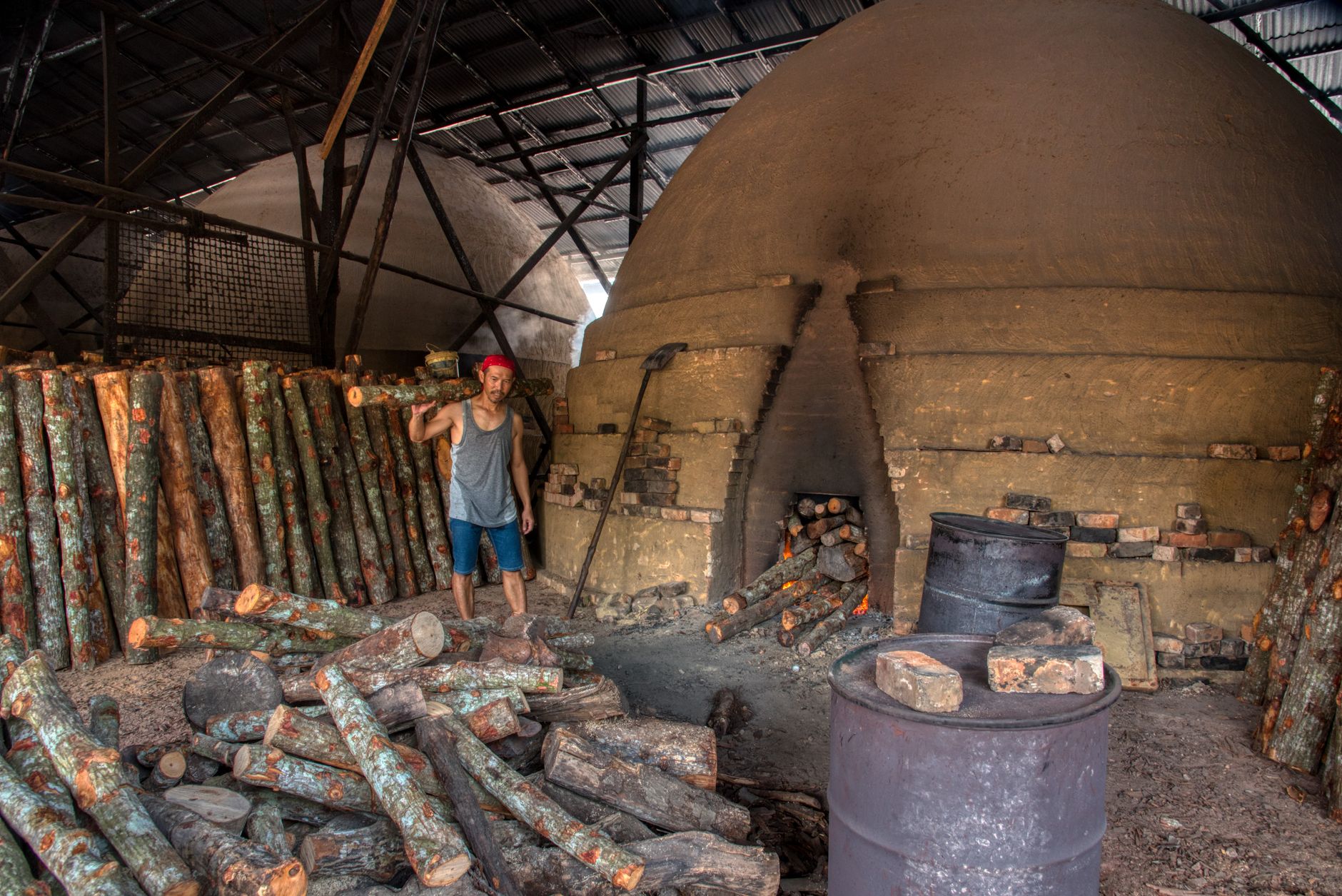
The first is moisture. Charcoal is porous and it will pull water out of humid air if it is stored badly. Damp lump is hard to light, it runs cool, and it throws that heavy grey smoke we mentioned. This is not a fault in the fuel so much as a fault in storage, and it is why we are strict about drying and packing at the factory. We explain the link between water content and burn behaviour in charcoal moisture content and burn quality. Keep your bags sealed and off a damp floor and the problem mostly disappears.
The second is ash management. As lump burns it leaves ash, and ash blocks airflow from below. Good hardwood lump produces far less ash than briquettes, which is one of its real advantages, but even a little will settle over the bottom vent on a long cook. If your fire fades late in a session and the coals still look substantial, shake or rake the grate to drop the ash clear of the intake. The fire often jumps straight back to life once air can reach the coals again.
Wind is the third, and it is a setup problem rather than a fuel one. On an open patio, wind drives air through the bottom vent whether you want it or not, so a fire that was steady indoors can run away outside. Turn the intake away from the prevailing wind, or shield it, and you take back control.
What This Means When You Buy In Volume
Everything above scales. A restaurant that burns lump across a full service, or a distributor stocking it for a grilling season, is managing the same airflow and the same ash behaviour, just across more fires and more hours. That is why consistency in the fuel matters so much at volume. If every bag lights the same, holds heat the same, and leaves the same low ash, your line cooks stop fighting the grill and start trusting it. If the bags vary, every station becomes a guessing game.
Consistency is a manufacturing question, not a luck question. It comes from controlled carbonisation, honest drying, and grading that keeps piece size and density within a predictable range. That is the work we do before a single bag ships, and it is the reason we talk about airflow and setup at all: good fuel only pays off on a grill that is set up to let it breathe. If you want to see how we hold that line batch to batch, our overview of the full range sits on the BBQ charcoal hub, which is the right starting point for buyers comparing grades and formats.
For private-label and restaurant buyers, the setup knowledge is also a sales tool. Your customers will light your product on their own grills, and their results depend on their vents as much as your fuel. The brands that explain airflow to their buyers get fewer complaints and more repeat orders, because the fuel gets a fair test. A short lighting and vent guide printed on the bag, or linked from it, pays for itself.
A Quick Word On Matching Fuel To The Cook
Not every job wants the same lump. High, fast searing wants a deep bed of dense hardwood. Long, low cooks want fuel that holds a steady moderate burn without constant tending. And some buyers want the near smokeless, very long burn of white charcoal for refined grilling, which is a different product with a different setup entirely. If your customers cook across that whole range, it is worth stocking more than one grade and teaching the difference, rather than expecting one bag to do everything. A well set up lump charcoal grill handles most of it, but the fuel still has to suit the cook.
Recap
A lump charcoal grill is governed by airflow, and airflow is something you control, not something that happens to you. Start with a clean base so air can reach the coals. Light with a chimney for an even, clean start. Build the bed deep for searing or banked for a hot and cool zone. Leave the top vent open and manage heat with the bottom intake. Keep the lid down once the fire is set, read the smoke and the colour rather than guessing, and rake ash clear of the intake on long cooks. Store the fuel dry so it lights and burns the way it should. Do all of that and good lump gives you high, clean, repeatable heat with very little ash.
If you are sourcing charcoal to stock, sell, or put your own label on, start at our BBQ charcoal hub to compare grades, formats, and the consistency behind them, and talk to us about the volumes you need.
Source it directly
BBQ Charcoal, factory direct.
Serious BBQ needs charcoal that holds temperature through a long cook without flooding the food in smoke. Our hardwood BBQ charcoal is built exactly for that.