Hardwood Lump Charcoal Grades Explained
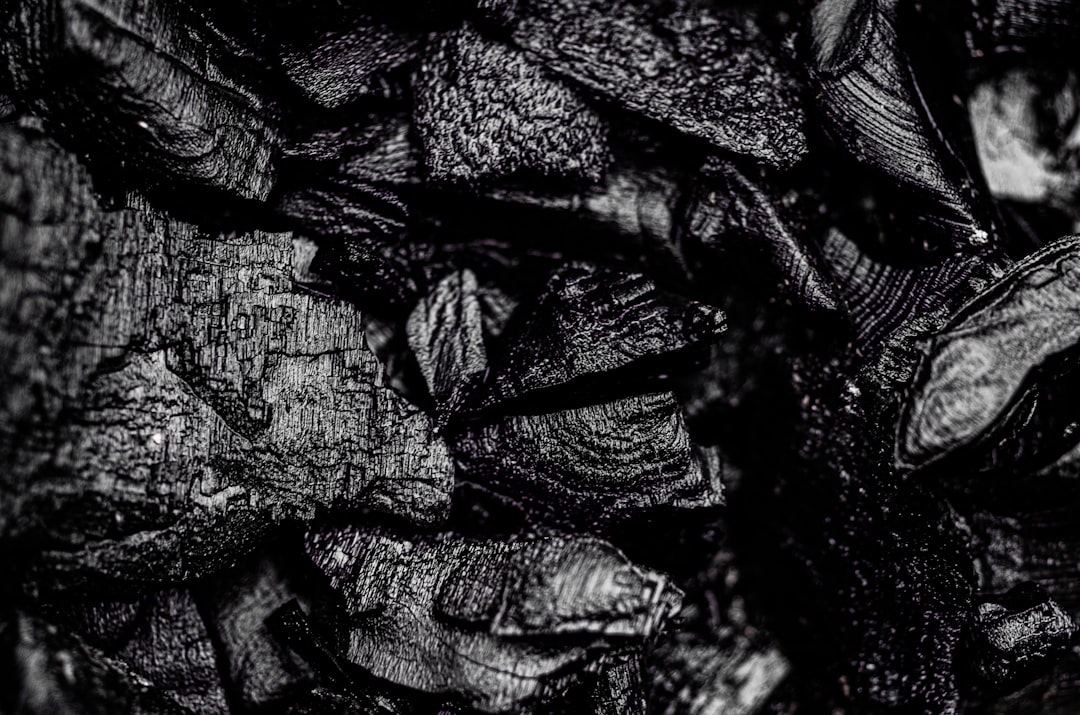
Every sack of hardwood lump charcoal that leaves our factory is graded before it is bagged. Grading is not marketing language. It is the sorting work that decides which pieces go into a restaurant order, which go into a retail bag, and which get held back. A buyer who understands how we grade can order the right product the first time and stop guessing why one shipment burns hot and clean while another spits and fades. This guide walks through the grades the way we see them on the floor: by size, by density, by ash content, and by moisture, and by what each of those means once the charcoal reaches the grill.
Most confusion about grades comes from language, not from the charcoal itself. One supplier calls a product premium, another calls the same thing restaurant grade, a third calls it extra large. None of those words are standardised across the industry. What matters is the physical fact behind the label: how big the pieces are, how dense the wood was, how much ash is left after a burn, and how much water the charcoal is carrying. When you know those four things, you can compare any two offers honestly, even when the marketing words disagree.
What A Grade Actually Measures
A grade is a promise about consistency. When we tell a buyer they are getting a specific grade, we are saying the pieces in that sack will fall inside a known size band, sit above a known density, and stay under a known ash and moisture limit. The grade is not one number. It is a small cluster of properties that we hold together on purpose.
We grade against four properties because those are the four that change how the charcoal performs and how it survives the trip to your country. Size decides how the fuel behaves in a grill and how much dust is created in transit. Density decides how long a piece burns and how much heat it holds. Ash decides how clean the fire stays and how often a chef has to clear the grate. Moisture decides how much of the weight you paid for is actually water, and how the charcoal lights.
None of these four exist alone. A large piece cut from soft, low density wood will burn fast and leave a lot of ash, so its size does not save it. A small dense offcut can outperform a big airy chunk. This is why a single word like large tells you almost nothing on its own. The grade only means something when all four properties are read together.
How We Grade Hardwood Lump Charcoal On The Factory Floor
The first sort is by eye and by screen. After the kiln, the charcoal comes out as a mix of sizes, from full branch sections down to fines and dust. We run it over sizing screens with different aperture openings. The large pieces stay on top of the wide screen. The mid pieces fall to the next level. The small pieces and dust drop through to the bottom. This mechanical step gives us the size grades before any human judgement is applied.

The second sort is by hand, and this is where grading hardwood lump charcoal stops being automatic. Workers pull out pieces that are underburned, meaning the core is still woody rather than fully carbonised. They pull out pieces that are overburned and crumbly. They pull out any stone, uncarbonised bark, or foreign matter that the screens missed. A piece can be the right size and still fail, so size sorting and quality sorting are two separate passes, not one.
The third step is testing, not sorting. We take samples from a batch and check moisture with a meter, and we do burn checks to read ash behaviour and burn time. If a batch is carrying too much moisture, it goes back to dry rather than into a bag. This is the part buyers never see, but it is the part that decides whether the grade on the label is honest. Our full approach to this is covered in our notes on quality control and in the way we run the wider manufacturing process.
Reading Size And Piece Structure
Size is the grade property buyers notice first, because it is visible the moment a bag is opened. We usually work in three broad size bands, and most buyers settle on one of them.
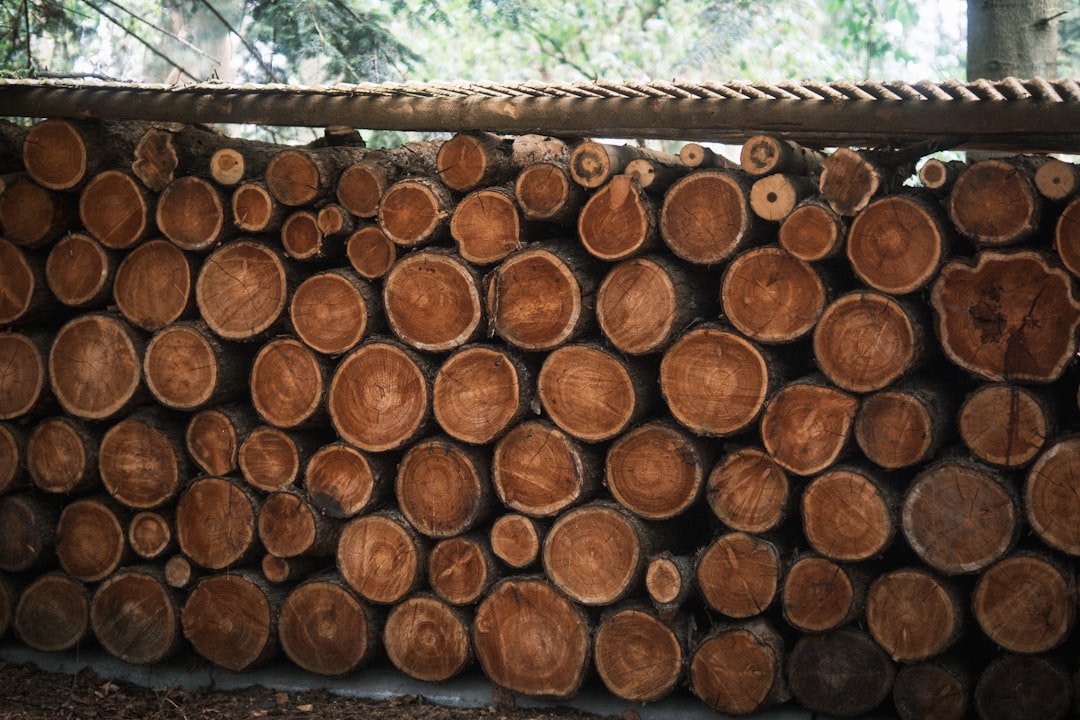
Large grade is built from big, solid pieces. It is what most restaurant buyers ask for, because large pieces mean fewer gaps in the firebox, a longer burn between reloads, and less dust. Large grade also survives shipping better, since there is more mass per piece and less surface to crumble. The trade off is that very large pieces take a little longer to reach cooking temperature, which matters for a fast service line but not for slow cooking.
Medium grade is the everyday workhorse. The pieces light faster, spread heat evenly across a standard grate, and pack well into retail bags. Most private label retail products sit in the medium band, because a home user wants a grill ready in fifteen to twenty minutes, not a piece that burns for six hours.
Small grade and fines are not waste. Small pieces light quickly and are useful for short, hot cooks and for filling gaps around larger pieces. Fines and dust go into briquette production or other uses rather than into a lump bag. A grade is partly defined by what we keep out of it, and keeping fines out of a large grade bag is a big part of why that grade costs more.
Piece structure sits alongside size. Two bags can hold pieces of the same length, but one can be full of solid, ringing chunks while the other is full of hollow, flaky shells. We grade for solid structure because hollow pieces break down in transit and turn into dust before the buyer ever lights them. If you want to understand size selection in more depth, our lump charcoal buyers guide walks through it from the buyer side.
Density And Why It Decides Burn Time
Density is the quiet property that separates a good grade from an ordinary one. It comes from the wood, not from the kiln. Dense tropical hardwoods carbonise into dense charcoal, and dense charcoal holds more carbon per piece. More carbon per piece means a longer burn and a steadier, hotter fire.
You can feel density in your hand. A dense piece feels heavy for its size and gives a clean, almost metallic ring when two pieces are tapped together. A low density piece feels light, sounds dull, and often shows a loose, open grain. On the factory floor, an experienced grader reads density by weight and sound before any instrument is involved.
Density is why the species of wood matters so much. This is the main reason Indonesian hardwood behaves differently from many cheaper alternatives, and we go into that difference in what makes Indonesian hardwood charcoal different. For a buyer, the practical point is simple: a dense hardwood lump charcoal will burn longer than a lighter one of the same size, so density, not just size, is what you are really paying for when you buy a premium grade.
Burn time is the number restaurant buyers care about most, because it drives labour. Every reload is a pause in service and a task for a cook. A grade with high density means fewer reloads across a shift. If you plan purchasing by volume, our note on charcoal for restaurants volume planning shows how burn time turns into monthly tonnage.
Ash, Moisture, And The Numbers That Travel Badly
Ash is what is left after the fuel is spent. Low ash is a mark of clean, well carbonised hardwood. High ash means either a lower quality wood, incomplete carbonisation, or contamination with soil and bark. A chef feels ash directly, because a high ash charcoal clogs the grate, chokes airflow, and forces the cook to clear ash mid service. We grade for low ash because it keeps the fire breathing and keeps the plate clean.

Moisture is the number that quietly costs buyers money. Charcoal will absorb water from humid air, and a poorly stored or poorly dried product can carry a heavy share of its weight as water. That water does two things you do not want. It means you paid charcoal prices for water weight, and it makes the charcoal hard to light and slow to reach temperature, because the first job of the fire is to boil off that moisture. We hold moisture under a firm limit before bagging, and we seal the packaging to keep it there. The relationship between moisture and how the fuel actually burns is covered in charcoal moisture content and burn quality.
These numbers travel badly, which is the real risk for an importer. A batch can leave the kiln dry and clean, then pick up moisture in a badly packed container crossing the equator, and arrive as a lower grade than it left. This is why grading does not end at the factory. It has to be protected through packing and shipping, which we treat as part of the grade, not as a separate problem. Our approach to that is set out in charcoal packaging for export.
Grades By Buyer: Restaurant, Distributor, Private Label
Different buyers need different grades, and the smartest orders start from the buyer type rather than from a word on a spec sheet.
A restaurant buyer usually wants large grade, high density, low ash. The priorities are long burn time, steady high heat, and a clean grate through a full service. Price per bag matters less than performance per shift, because a cheap charcoal that needs constant reloading and clearing costs more in labour than it saves in purchase price. Yakitori, robata, and grill houses live and die on this grade, and it is close to the reasoning many kitchens use when they choose restaurant charcoal.
A distributor wants consistency above everything. A distributor is reselling to many small buyers and cannot afford a shipment where one pallet burns well and the next is full of dust. For distributors we hold tight to the grade band across a whole container, because their reputation depends on every bag matching the last. Consistency is a grading discipline, not luck.
A private label brand wants a grade that matches the promise on its own bag. If the brand is selling a premium retail product, the grade has to look premium the moment the customer opens it, with solid, uniform pieces and very little dust. If the brand is selling a value line, a medium grade at a controlled cost fits better. We build the grade to the brand position, which is the core of how private label charcoal and OEM charcoal work with us.
Binchotan sits apart from all of this. It is white charcoal, made from specific woods by a different process, and it is graded on its own scale rather than on the hardwood lump bands above. If a buyer is weighing lump against binchotan, that is a different decision and we keep the two grading systems separate.
Grading Is Only Real If It Survives The Container
A grade written on a spec sheet is a claim. A grade that arrives intact at your port is a fact. The gap between the two is packing, sealing, and handling. We hold moisture down with sealed bags, we protect large grade from crushing by controlling how bags are stacked, and we keep fines out of lump bags so they do not shake loose into dust during weeks at sea.
This is where the difference between a factory and a trading company shows up most clearly. A factory controls the grade from wood selection through kiln, sorting, testing, and packing, so the grade you agree on is the grade we can defend. The background to that is worth reading in charcoal factory vs trading company, and the full picture of how we ship graded product is on our export page. The whole point of grading is that it should still be true when your first customer opens the first bag.
Recap
Grades are a promise about consistency, built from four physical properties: size, density, ash, and moisture. Size decides handling, dust, and reload frequency. Density decides burn time and heat, and it comes from the wood, which is why species matters. Ash decides how clean and open the fire stays through a service. Moisture decides how much of your paid weight is water and how easily the charcoal lights. Marketing words like premium or extra large mean nothing until you tie them back to those four facts. Match the grade to your buyer type, restaurant, distributor, or private label, and protect the grade through packing so it survives the container.
If you want to match a specific grade to your order, start at our hub for hardwood charcoal and tell us the buyer, the volume, and the destination, and we will grade to it.
Source it directly
Indonesian Hardwood Charcoal, factory direct.
Dense hardwood charcoal carbonized in traditional kilns from carefully selected Indonesian hardwood. Built for long, clean, stable burns, trusted by importers, distributors, and restaurants worldwide.