Sustainable Charcoal: Responsible Sourcing
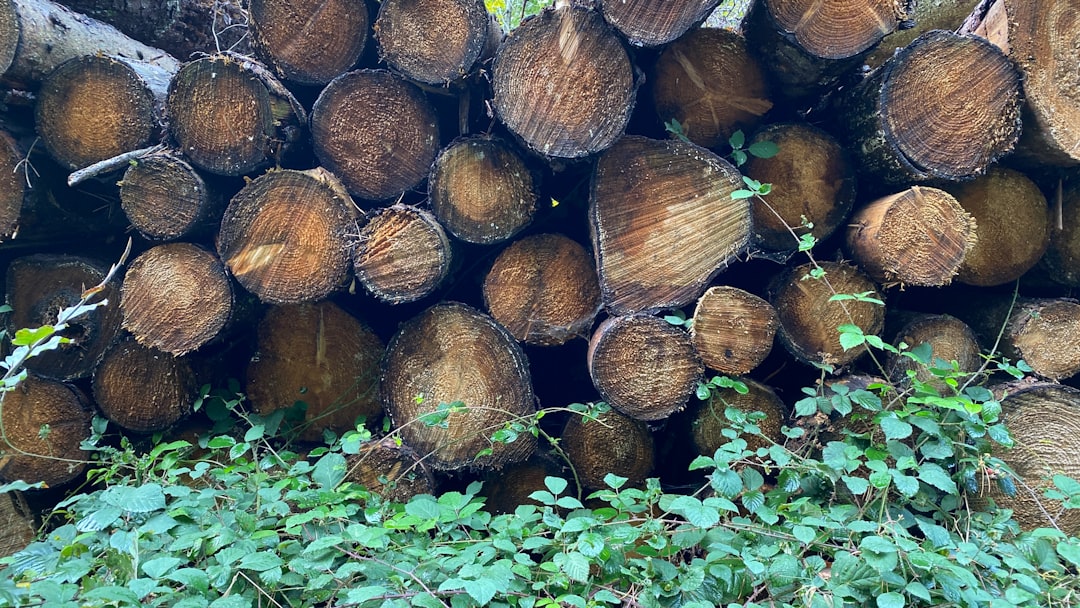
Ask most suppliers what sustainable charcoal means and you get a logo, a certificate scan, and a paragraph about caring for the planet. Ask us and we will walk you to the log yard. Sustainable charcoal is not a claim you print on a bag. It is a set of decisions you make every week about which wood you buy, who you buy it from, how you burn it, and what you do with the parts that do not sell. We run a charcoal factory in Indonesia. We fire kilns, we grade product, and we load containers for buyers who ask hard questions. This article is how we think about responsible sourcing, written for people who have to defend a purchase to their own customers.
We are going to be plain about it. Some of what the market calls green is marketing. Some of it is real and costs money. If you are an importer, a distributor, a restaurant group, or a private-label brand, you need to tell those two apart before you sign anything. So we will show you where the wood comes from, what a responsible kiln run looks like, and which questions separate a factory that means it from a trading company that resells whatever arrives.
What Sustainable Charcoal Means For Your Order
Start with the wood, because everything else is downstream of it. Charcoal is carbonised wood. The environmental story of any bag is really the story of the tree it came from and how that tree was replaced. Sustainable charcoal, in practical terms, means three things that you can actually verify: the wood is legal, the wood is renewable, and the wood is traceable. Legal means it was cut under Indonesian forestry rules with the right permits, not stripped from a protected forest by someone with a chainsaw and no paperwork. Renewable means the species regrows or the plantation replants, so next year's supply does not come from this year's deforestation. Traceable means we can tell you the district the wood came from and the type of operation that supplied it.
Most of our hardwood charcoal comes from species that are farmed or coppiced rather than taken from primary forest. A lot of it starts as a by-product. When plantations prune, thin, or clear old rows, they generate wood that would otherwise be burned in the open or left to rot. We buy that wood. The same is true of offcuts from sawmills and furniture workshops. Turning that material into clean cooking fuel is a better outcome than an open burn, both for the air and for the value of the tree. This is the unglamorous core of responsible sourcing: much of it is about using wood that already exists in the supply chain instead of cutting new trees to feed a kiln.
Binchotan is a special case and we treat it as one. Traditional white charcoal is prized because of the dense hardwood it is made from, and dense hardwood grows slowly. That means the sourcing discipline has to be tighter, not looser. We are careful about the species and the age of the wood that goes into a binchotan run, because if you burn through slow-growing hardwood faster than it regrows, you do not have a sustainable product, you have a countdown. If you want the detail on how that grade is made and why the wood matters so much, our page on binchotan charcoal covers it, and the broader picture of our sourcing sits on the sustainability hub.
Sourcing Starts Before The Kiln
The single biggest lever we have is who we buy raw wood from. A charcoal factory can run a clean, efficient kiln and still be part of a bad supply chain if the logs arriving at the gate were cut illegally. So the first control is the supplier list itself. We work with a known set of wood suppliers rather than buying spot loads from whoever shows up cheapest. We know their operations. We have seen where the wood comes from. When a new supplier wants to sell to us, they have to show the same things we would ask any partner to show: what they cut, where, and under what permit.

This is slower and it is more expensive than buying blind. A trading company that never touches production can always undercut a factory that vets its wood, because vetting costs time and turns away cheap loads with no story behind them. That price gap is one of the clearest signals in this business. If a quote looks too good, ask what corner was cut, and very often the answer is the sourcing. We wrote about this difference in more depth in our piece on charcoal factory versus trading company, because it matters more to your risk than most buyers realise.
The second control is species selection. Different woods carbonise differently and burn differently, and part of responsible sourcing is matching the species to the product instead of forcing one wood to do every job. Fast-growing farmed hardwoods are well suited to everyday grilling charcoal. Dense slow-growing species are reserved for the premium grades where their properties actually earn the slower regrowth. Choosing the right wood for the right grade means we are not wasting a slow tree on a job a fast tree could do. You can see how that maps onto our range on the hardwood charcoal page.
Inside The Kiln: Efficiency Is Sustainability
Here is a point the marketing rarely makes: how you burn the wood is an environmental decision as large as where you got it. Carbonisation is the process of heating wood with very little oxygen so it turns to charcoal instead of ash. Do it badly and you waste wood, you produce more smoke, and you get a weak, crumbly product that the buyer will reject. Do it well and you get more usable charcoal per log, cleaner emissions, and a denser product that ships better. Efficiency and sustainability are the same thing here, seen from two angles.
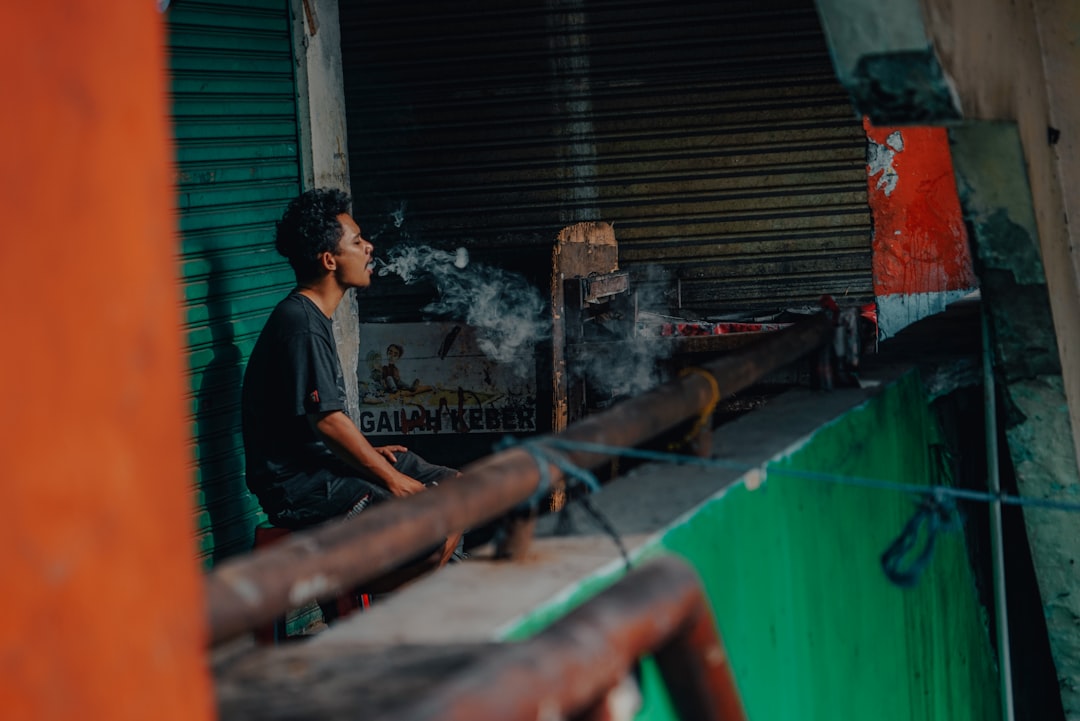
Our kiln practice is built around getting the most finished charcoal out of every batch of wood. That means controlling the burn rather than letting a pile smoulder in the open. Open earth-mound burning, which is still common in parts of the world, is wasteful and dirty. It converts a low share of the wood into charcoal and releases the rest as smoke. A controlled kiln recovers far more of the wood as product and burns cleaner while doing it. When we talk about efficient carbonisation, we are talking about wasting less of the tree, which is the most concrete form of sustainability a charcoal factory can practise. The full walk-through of how we do this is on our manufacturing process page, and if you want the story from standing tree to finished lump, our article on how charcoal is made from forest to kiln follows the whole path.
There is a waste-stream side to this too. Carbonisation produces fines, dust, and broken pieces that will never pass as premium lump. A wasteful operation throws these away. We do not. Fines and small pieces get pressed into briquettes or sold into applications where a uniform small format is actually preferred. Very little of what enters the kiln leaves as garbage. That is not only good economics, it is the difference between using a tree fully and using half of it. Responsible sourcing does not end at the log yard, it runs all the way through to what you do with the offcuts.
Traceability Is The Part Buyers Actually Need
You cannot sell sustainable charcoal to a serious buyer on trust alone. They need something they can hand to their own auditors, their own customers, and in many markets their own customs authorities. That something is traceability and documentation. When we ship, we can tell you the type of wood, the grade, the moisture and ash characteristics from our own testing, and the general sourcing region. For export we handle the phytosanitary and legality paperwork that lets the product clear customs cleanly on the other side.
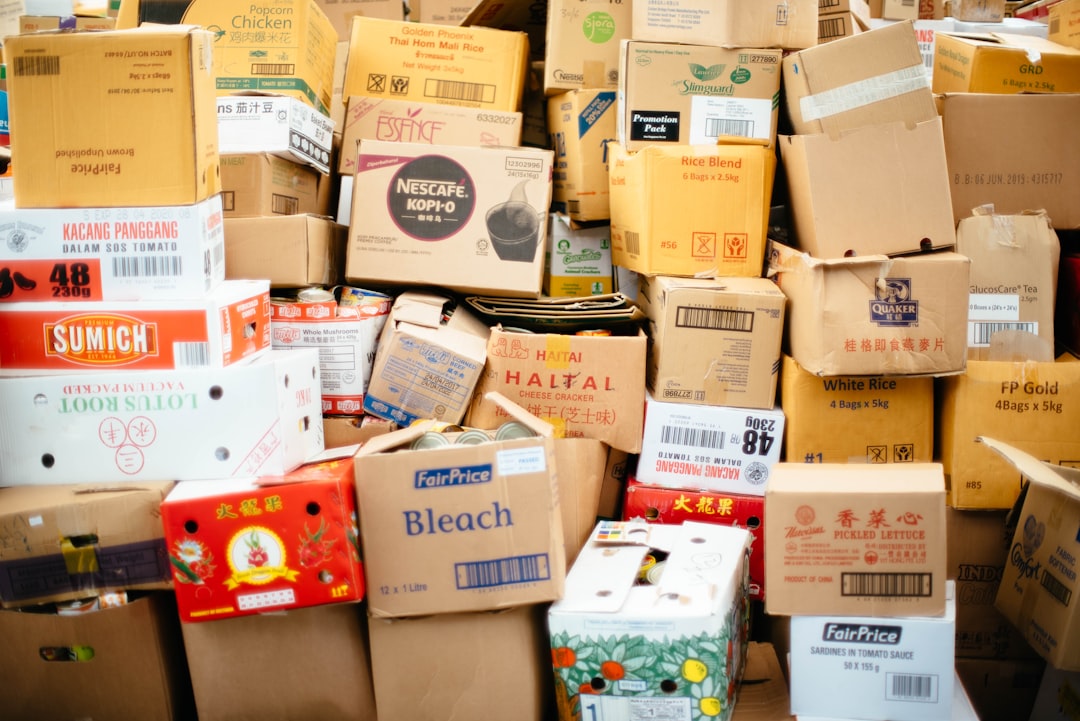
This matters because sustainability claims that cannot be checked are worth nothing, and worse, they are a liability. If you put a green claim on your packaging and cannot back it, you are one complaint away from a problem. So we would rather give you fewer claims that are true than more claims that are decoration. The export page lays out how we handle documentation for overseas shipments, and buyers who are new to bringing charcoal in from Indonesia will find the practical steps in our guide on how to import charcoal from Indonesia.
Traceability also protects the good actors in the supply chain. When a factory can show where its wood comes from, it competes on real terms with operations that cannot. The more buyers insist on traceable sourcing, the harder it becomes for illegal wood to find a market. In that sense every buyer who asks for documentation is doing a small part of the enforcement work that keeps forests standing. That is not a slogan, it is how demand shapes supply.
Quality And Sustainability Pull In The Same Direction
It surprises some buyers that our quality controls and our sourcing values reinforce each other. A well-sourced, well-carbonised charcoal is denser, drier, and cleaner burning than a rushed one. It has lower ash, it lights predictably, and it holds heat longer. Those are exactly the properties a restaurant or a retail buyer is paying for. So when we tighten sourcing and tighten the kiln, the product gets better and the environmental footprint gets smaller at the same time. There is no trade-off to manage here, the incentives point the same way.
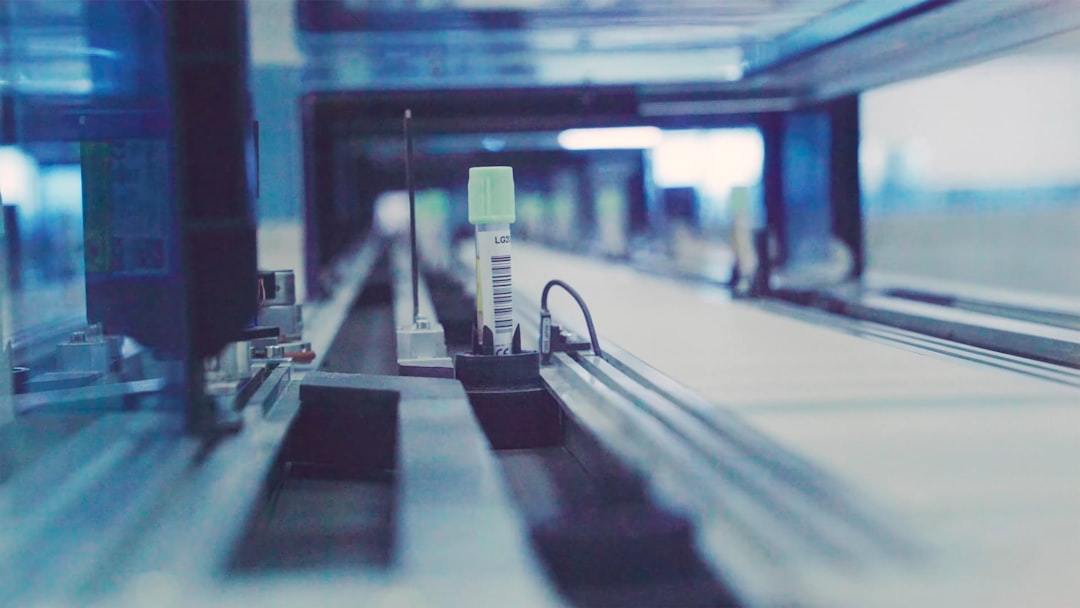
We test and grade before anything is packed. Moisture out of range, ash too high, pieces too broken: these get pulled or downgraded rather than shipped as premium. That discipline is what lets us stand behind a claim about a grade. Our approach to checking product before it leaves the floor is described on the quality control page and in our article on charcoal quality control before shipping. The reason this belongs in a piece about sustainability is simple: a product that gets rejected on arrival is the least sustainable outcome of all. It means a tree was cut, a kiln was fired, a container crossed an ocean, and none of it produced usable fuel. Getting the quality right the first time is itself a form of not wasting the resource.
What To Ask A Supplier Before You Commit
If you take one practical thing from this article, make it a short list of questions to put to any charcoal supplier who uses the word sustainable. First, where does your wood come from, by species and region, and can you show it. Second, is the wood farmed, a by-product, or cut from natural forest, and what replaces it. Third, do you carbonise in controlled kilns or open burns. Fourth, what happens to your fines and offcuts. Fifth, what documentation travels with the shipment. A supplier who means it will answer all five without flinching. A supplier who is reselling whatever arrived at the port will get vague around question one and stay vague.
Notice that none of these questions are about certificates. Certificates have their place, but a certificate is only as good as the sourcing behind it, and plenty of certified-looking paperwork sits on top of supply chains nobody has actually walked. We would rather you judge us on answers you can verify than on a logo. That is also why we are candid that responsible sourcing costs more. A little more per kilo buys you legality, traceability, and a product that will not embarrass you in front of your own customers. If a quote does not include those things, you are not buying cheaper charcoal, you are buying someone else's risk.
The Recap
Sustainable charcoal is a chain of concrete decisions, not a label. It starts with wood that is legal, renewable, and traceable, most of it farmed or recovered as a by-product rather than cut from natural forest. It runs through controlled, efficient kilns that recover more of every log and burn cleaner than open mounds. It uses the whole tree, turning fines and offcuts into briquettes instead of waste. And it ends with documentation a serious buyer can actually hand to an auditor. Quality and sustainability are not in tension in this business, they pull the same way, because a well-sourced, well-fired charcoal is both the greener product and the better one. The five questions above will tell you quickly whether a supplier is doing this work or just describing it.
If you want to see how we put these principles into practice across our sourcing, kilns, and export documentation, start on our sustainability hub, and bring your hardest questions when you do.
Source it directly
Sustainability, factory direct.
Our craft depends on forests that outlive us. Sustainability isn't marketing here, it's the supply chain surviving to the next generation of kiln masters.