Why Charcoal Burns Hotter Than Wood
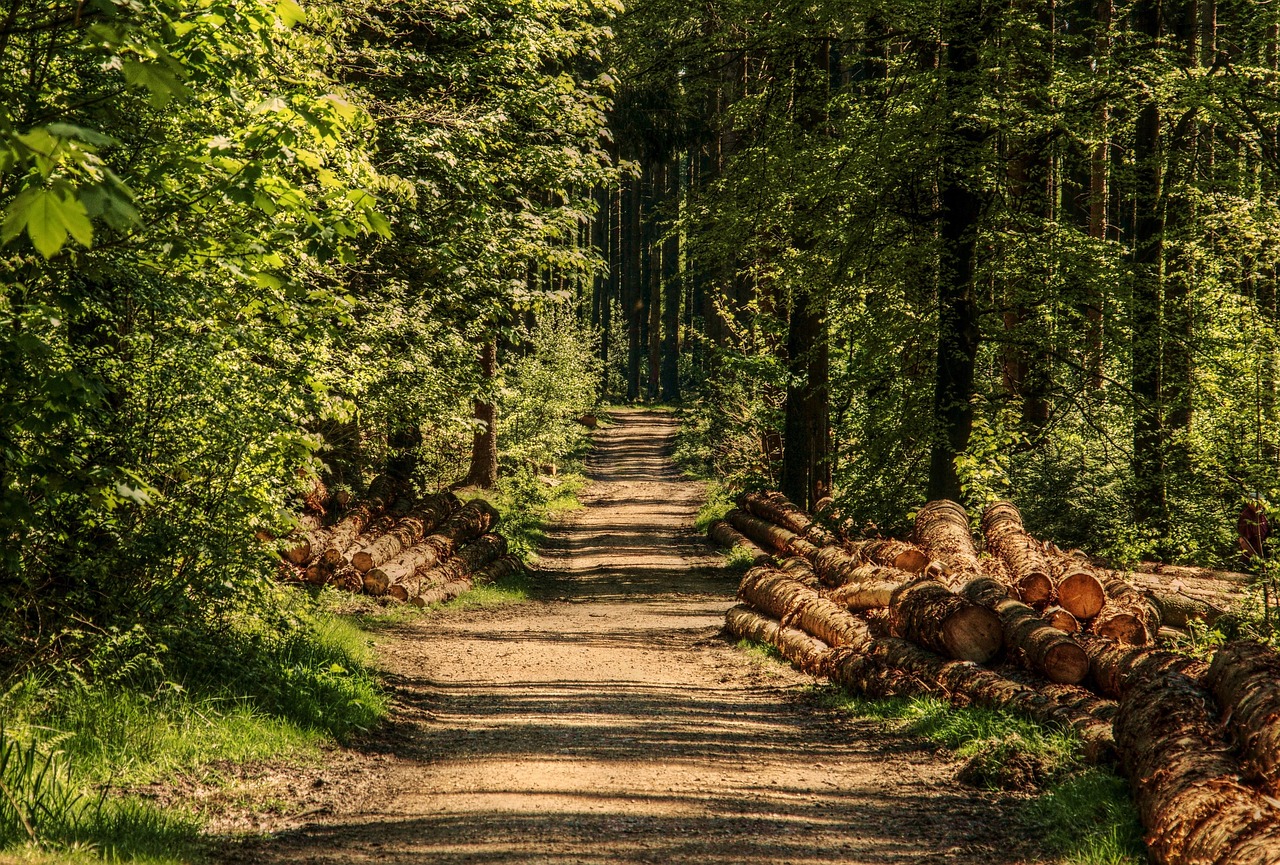
Ask anyone who has stood in front of a kiln and they will tell you the same thing: charcoal burns hotter than wood, and it is not a small difference. Put a handful of dry oak splits in a grate next to a handful of good hardwood lump and the lump will reach a working temperature the wood cannot hold. We make charcoal for a living, so we see this every day on the factory floor and in the feedback from the buyers who fire our product in restaurants, backyards, and production kitchens around the world. This article explains why that gap exists, what is actually happening inside the material, and what it means when you place an order.
We are a charcoal factory in Indonesia. We fire hardwood in brick and earthen kilns, grade it, and ship it to importers and distributors. The questions we hear most often are about heat: how hot, how long, how steady. The short answer is chemistry. The longer answer is worth your time if you buy charcoal in volume, because understanding the heat tells you which product to order and how to brief your own customers.
What Is Actually Inside a Piece of Wood
Start with the raw material, because everything follows from it. A fresh log is not a solid block of fuel. By weight it is a mix of three things that matter here: water, volatile compounds, and fixed carbon. The exact split depends on the species and how long the wood has been seasoned, but the pattern holds across every hardwood we cut.
Water comes first. Green wood can be close to half water by weight. Even wood that has been air dried for a year still holds moisture in the cell walls, often fifteen to twenty per cent. Every gram of that water has to be driven off before the wood can burn properly, and driving off water costs energy. The fire you lit has to spend heat boiling moisture into steam instead of warming your grate. That is energy taken straight out of your cook.
Volatile compounds come next. These are the resins, oils, and partly broken down cellulose and lignin that gas off as the wood heats. They are what make wood flame. When you see a log throw tall yellow flames and a plume of smoke, you are watching volatiles burn in the air above the wood. They release heat, but they release it fast and high, in the flame rather than in the bed, and a lot of that heat goes up and away rather than into your food.
Fixed carbon is what is left when the water is gone and the volatiles have burned off. This is the part that glows. It burns as a solid, close to the surface it sits on, with little flame and little smoke. Fixed carbon is where the steady, usable, radiant heat lives.
So a piece of wood is a fuel wrapped in two layers of ballast. Before it can give you its best heat it has to dry itself out and burn off its gases, and it does both while you wait.
Charcoal Burns Hotter Than Wood Because We Do the Hard Part First
Here is the heart of it. Making charcoal means taking wood and doing the drying and the gassing off for you, under controlled conditions, before the product ever reaches your grate. That is what a kiln does. We load the wood, raise the temperature, and hold it while the water escapes and the volatiles cook out. The process is called carbonisation, or pyrolysis, and you can read how we run it on our manufacturing process page.
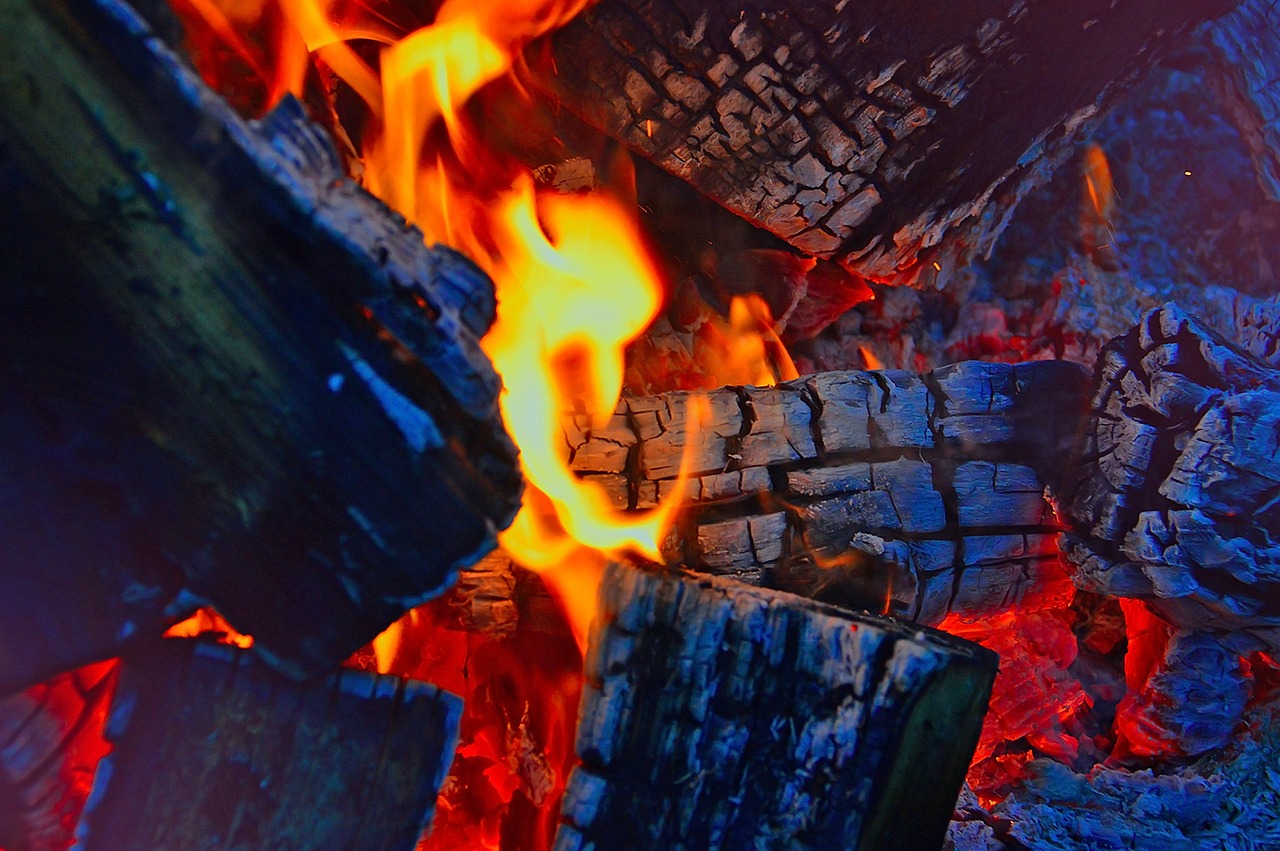
What comes out the other side is mostly fixed carbon. A good hardwood charcoal can be seventy five to eighty five per cent fixed carbon, sometimes higher for premium grades. The water is gone. The volatiles are largely gone. What remains is the part of the wood that glows hot and steady, concentrated into a light, black, porous solid.
That concentration is the whole story. When you light charcoal you are not spending energy to boil off water, because there is almost none left. You are not losing heat up the chimney as flaring gas, because the volatiles already left in the kiln. Nearly all the energy in the material goes into the glow. That is why charcoal burns hotter than wood: not because carbon is magic, but because we removed everything that was getting in the way of the heat.
Think of it as the difference between heating a wet towel and heating a dry one. Same cloth, very different result, because one of them is carrying water it has to lose first. We ship you the dry towel.
There is a second reason the heat runs higher, and it is physical rather than chemical. Charcoal is porous. Carbonisation leaves the material riddled with tiny channels where the gases escaped. That structure lets air move through the burning bed, and combustion needs oxygen. More air to the carbon means a faster, hotter reaction. A dense, wet log chokes its own fire. A light, porous coal feeds it.
How Much Hotter, in Plain Numbers
Buyers want figures, so here is a fair way to think about them. A wood fire in open air settles into a working range that is useful for cooking but hard to push high without constant tending. Charcoal, with good airflow, reaches a glowing bed temperature well above that, and more to the point it holds there. Premium Japanese style white charcoal, binchotan, runs hotter and longer still because it is carbonised at very high temperature and is extremely dense. We cover that product in detail on our binchotan charcoal page.

The number that matters for your kitchen is not the single peak reading. It is the temperature at the cooking surface, held steady, for the length of a service or a cook. Wood gives you a spiky line: hot when the volatiles flare, cooler as they fade, hot again when you add a log. Charcoal gives you a flat line. For a chef searing steak after steak, or a yakitori counter working over a long narrow grill, the flat line is worth more than any peak. It is why so many restaurants moved off wood and onto charcoal in the first place.
Energy density tells the same story from another angle. Because the ballast is gone, a kilogram of charcoal carries more usable heat to your grate than a kilogram of wood, even though the wood held more total energy before it was dried and cooked. You are buying the refined fraction, not the raw log. For a buyer costing out fuel per cover or per cook, that refinement is the point.
Moisture Is the Hidden Variable
If charcoal burns hotter than wood because the water is gone, then any water that creeps back in works against you. This is where quality and handling matter, and where cheap charcoal disappoints.

Charcoal is porous, which is good for airflow but means it will pull moisture out of humid air if it is stored badly or packed damp. A coal that has taken on water behaves a little more like the wood it came from: it is slower to light, it spits and steams, and it does not reach the temperature the buyer expected. The problem is almost always moisture, not the carbon. We go deeper into this on our note about charcoal moisture content and burn quality, because it is the single thing that most often separates a good shipment from a complaint.
This is why we test moisture before anything leaves the factory and why we care about packaging. Low moisture at the kiln means nothing if the product sits in a wet container for six weeks at sea. Our quality control process checks moisture, fixed carbon, ash, and sizing on every grade, so the heat you tested in a sample is the heat you get in the full order.
What This Means When You Choose a Product
Not all charcoal gives the same heat, and the differences are deliberate. Knowing why charcoal burns hotter than wood helps you pick the grade that fits the job.

Hardwood lump is charcoal in its most direct form: carbonised pieces of hardwood, graded by size, nothing added. It lights relatively fast, burns hot, and carries the clean character of the wood it came from. For most grilling and for buyers who want a natural product with no binders, lump is the starting point. Our hardwood charcoal range is built around this, and it is the hub to explore if you are deciding what to stock.
Briquettes are a different tool. They are made by binding charcoal fines into a uniform shape, which trades some peak heat for a longer, steadier, more predictable burn. A briquette will not flash as hot as premium lump, but it holds a moderate temperature for a long time and every piece is identical, which matters for consistency across a large operation. If you are weighing the two, our comparison of hardwood charcoal versus briquettes lays out the trade honestly.
Binchotan, the white charcoal mentioned above, sits at the top for heat and longevity. It is dense, it is slow to light, and once lit it gives a long, intense, low smoke burn that chefs build whole grills around. It costs more because it takes more wood and more kiln time to make. For a restaurant buyer serving over an open grill, the cost often pays for itself in burn time and consistency.
The point is that the heat is a dial, not a fixed value. Carbonisation gives you the hot, clean burn in the first place. The grade and the format let you tune how that heat is delivered: fast and fierce, or long and even.
Why Buyers Still Ask About Burning Wood Instead
We get the question often enough to answer it here: if charcoal is better, why does anyone cook over wood at all? The honest answer is flavour and theatre. Burning wood throws aromatic smoke from those same volatiles we cook out of charcoal, and for certain foods that smoke is the point. Some pitmasters want the volatiles precisely because they flavour the meat.
But for most commercial cooking, the volatiles are a liability, not an asset. They make heavy smoke, they flare unpredictably, and they coat the food and the kitchen in soot. That is why many operations run a hybrid: a steady charcoal bed for heat with a few wood chunks added for aroma. You get the flat temperature line from the coal and a measured dose of smoke from the wood. We walk through that approach in our piece on charcoal versus wood for cooking. The heat comes from the charcoal; the wood is seasoning.
What It Means for Your Order and Your Customers
If you import or distribute charcoal, the heat story is also a sales story, and it pays to get it right when you brief your own buyers.
First, it tells you what to promise. Charcoal burns hotter than wood and holds that heat steadier, which is exactly what a restaurant or a serious home cook is paying for. You are not selling black lumps; you are selling a predictable, concentrated, controllable heat. Describe it that way.
Second, it tells you what to protect. Because the heat depends on low moisture and good carbon content, the value lives in the quality of the carbonisation and the integrity of the packaging. A cheap coal with high ash and trapped moisture undercuts every claim you make about heat. This is where buying from a factory rather than a trader matters, because the factory controls the kiln, the grading, and the packing. We explain that difference on our export page.
Third, it tells you how to spec. If your customers run long services, steer them toward denser grades and binchotan for burn time. If they want fast, hot, natural grilling, hardwood lump is the answer. Match the grade to the heat profile the end user needs, and the reorders follow.
Recap
Charcoal burns hotter than wood for reasons you can see in the material itself. Wood carries water and volatile gases that must be boiled off and burned away before the real heat arrives, and much of that heat is lost to steam and flame along the way. Carbonisation does that work in the kiln instead of on your grate, leaving a light, porous solid that is mostly fixed carbon. With the ballast gone and air moving freely through the pores, nearly all the energy goes into a hot, steady, low smoke glow. Keep the moisture out, pick the grade that matches the job, and that heat is yours to use.
If you are deciding what to stock or how to brief your buyers, start with our hardwood charcoal range and talk to us about the grade that fits the heat your customers need.
Source it directly
Indonesian Hardwood Charcoal, factory direct.
Dense hardwood charcoal carbonized in traditional kilns from carefully selected Indonesian hardwood. Built for long, clean, stable burns, trusted by importers, distributors, and restaurants worldwide.