Charcoal vs Wood for Cooking: Heat, Smoke, Control
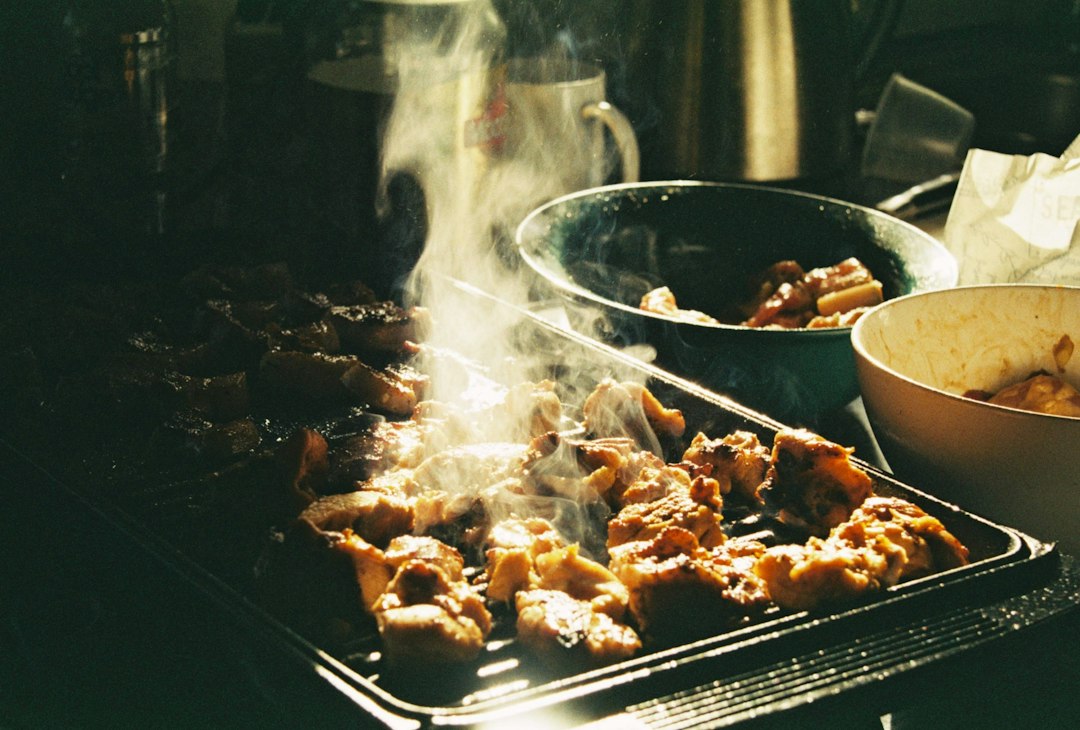
Most buyers who ask us about fuel are really asking one question: should they cook over charcoal or over raw wood? The charcoal vs wood decision sounds like a matter of taste, and part of it is, but most of it is physics and logistics. We make charcoal for a living. We cut hardwood, we load kilns, we watch what happens to that wood over days of controlled heat, and we ship the result to grills and restaurants around the world. So when we talk about charcoal vs wood we are not comparing two flavours of marketing. We are comparing two states of the same material, one of them raw and one of them already partly burned under our control, and explaining what that difference does on a live fire.
This article walks through the three things that actually matter at the grill: heat, smoke, and control. If you buy fuel to resell, to supply kitchens, or to put your own label on, these are the terms your customers will judge you by, even when they use looser words like "it burns nice" or "too much ash."
What Charcoal Vs Wood Really Means
Start with what charcoal is. Charcoal is wood that has been heated with very little oxygen until the water and most of the volatile compounds have been driven off. What remains is mostly carbon. We do that work in the kiln so the grill does not have to. That single sentence explains most of the charcoal vs wood difference you will ever see in practice.
Raw wood still holds water, often fifteen to twenty percent of its weight even when it is called seasoned, and it still holds resins, oils, and sap. When you put raw wood on a fire, the first thing the fire does is boil that water off and burn away those volatiles. That stage produces a lot of smoke, a lot of flame, and a temperature that climbs and falls as the wood works through its layers. Only later, once the wood has effectively made its own charcoal on the grate, do you get a steady bed of embers.
Charcoal skips that stage. The water and volatiles are already gone. So when charcoal catches, it goes more or less straight to the ember phase that raw wood only reaches at the end. You can read more about what happens inside the kiln in our page on the manufacturing process, but the short version is this: we spend days turning wood into charcoal so your fire does not spend an hour doing it badly.
That is the heart of charcoal vs wood. One fuel arrives finished. The other finishes itself on your grate, on its own schedule, with all the smoke and swings that come with it.
Heat: How Each One Delivers Energy
Heat is the first thing a cook notices and the first thing a buyer should understand.
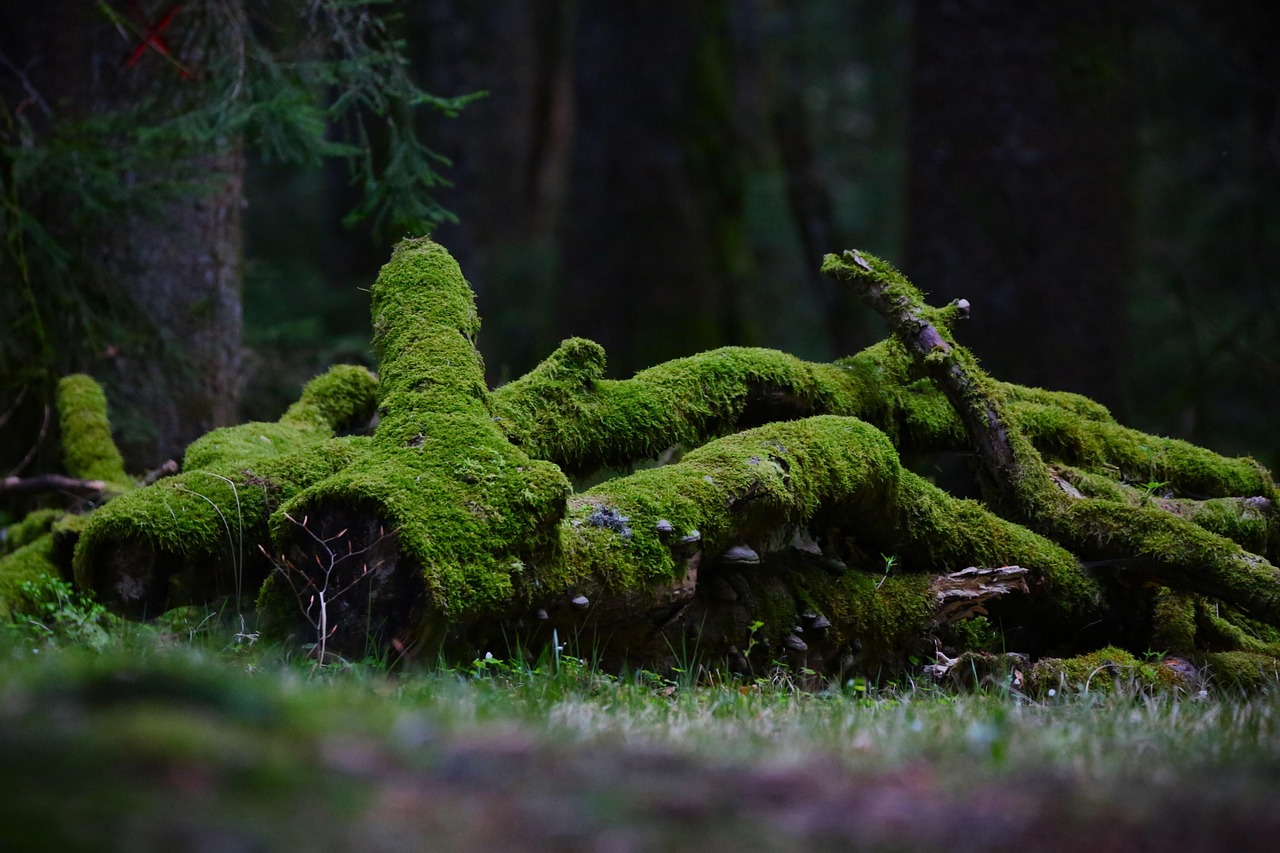
Good hardwood charcoal burns hot and steady. Because the volatiles are gone, the fuel is not wasting energy boiling water or flaring off gas. It releases heat as the carbon oxidises, and a dense piece releases that heat over a long, even window. This is why serious grill cooks reach for charcoal when they want a surface temperature they can hold. A bed of lump charcoal can sit at searing heat for a long stretch and then settle into a lower, usable range as it burns down, which is exactly the curve a kitchen wants across a service.
Raw wood delivers heat differently. It spikes. When the volatiles ignite you get tall flame and fast, fierce heat, then the output drops as the piece chars through, then it climbs again if you add a fresh log. The result is a fire that moves. Skilled live-fire cooks build their whole method around managing that movement, feeding logs on a rhythm and moving food across hot and cool zones. It works beautifully in the right hands. It is harder to standardise, and standardising is what most of our buyers need.
Density matters here too, and it is where the source of the charcoal shows. Dense tropical hardwoods, the kind we use, carbonise into a heavy, hard charcoal that carries a lot of energy per piece and burns down slowly. Lighter woods make a lighter charcoal that lights faster but fades faster. If you want the full picture on how burn time tracks with density and grade, our write up on how long charcoal burns goes through it. For the charcoal vs wood comparison, the takeaway is simple: charcoal gives you a flatter, longer heat curve, and raw wood gives you a taller, shorter, more hands on one.
Smoke: The Flavour You Pay For
Smoke is where raw wood has a real and honest advantage, and we will not pretend otherwise.

Those volatiles that charcoal has already lost are, to a large degree, flavour. When raw wood burns, it releases aromatic compounds that settle on food and give you the smoke character people associate with barbecue and with wood fired cooking. If a dish is meant to taste of oak, of fruitwood, of a specific smoke, raw wood or wood chunks are the direct route to it. This is not a flaw in charcoal. It is a consequence of the choice charcoal makes, which is to trade away raw smoke for clean, controllable heat.
Clean charcoal, especially good hardwood charcoal and binchotan, burns with very little smoke once it is lit. That is a feature, not a shortfall. A yakitori counter or a robata grill wants the food to taste of the food and of the fire, not of billowing smoke from damp fuel. Our binchotan charcoal is prized precisely because it burns almost smokeless and lets delicate ingredients speak. Many chefs who want a touch of smoke on top of clean heat run a hybrid: a charcoal bed for the heat, with a few wood chunks added for aroma. We cover that approach in can you use wood in a charcoal grill, and it is the honest answer to a lot of the charcoal vs wood debate. You do not always have to choose. You can build the base from the fuel that controls well and add the other for character.
One more point on smoke, because it decides a lot of returning orders: bad smoke comes from bad fuel, not just from raw wood. Charcoal that is underbaked, or that has picked up moisture in transit, will smoke, spit, and smell sour. That is a quality failure, not a property of charcoal. Moisture is the usual culprit, and it is why we test it; the detail is in charcoal moisture content and burn quality. When someone complains that their charcoal "smokes like wet wood," the problem is almost always that it was, in effect, wet.
Control: What Happens Across A Long Service
Control is the quality that separates a fuel that performs in a test from a fuel that performs on a busy night, and it is where charcoal earns its place in most commercial kitchens.
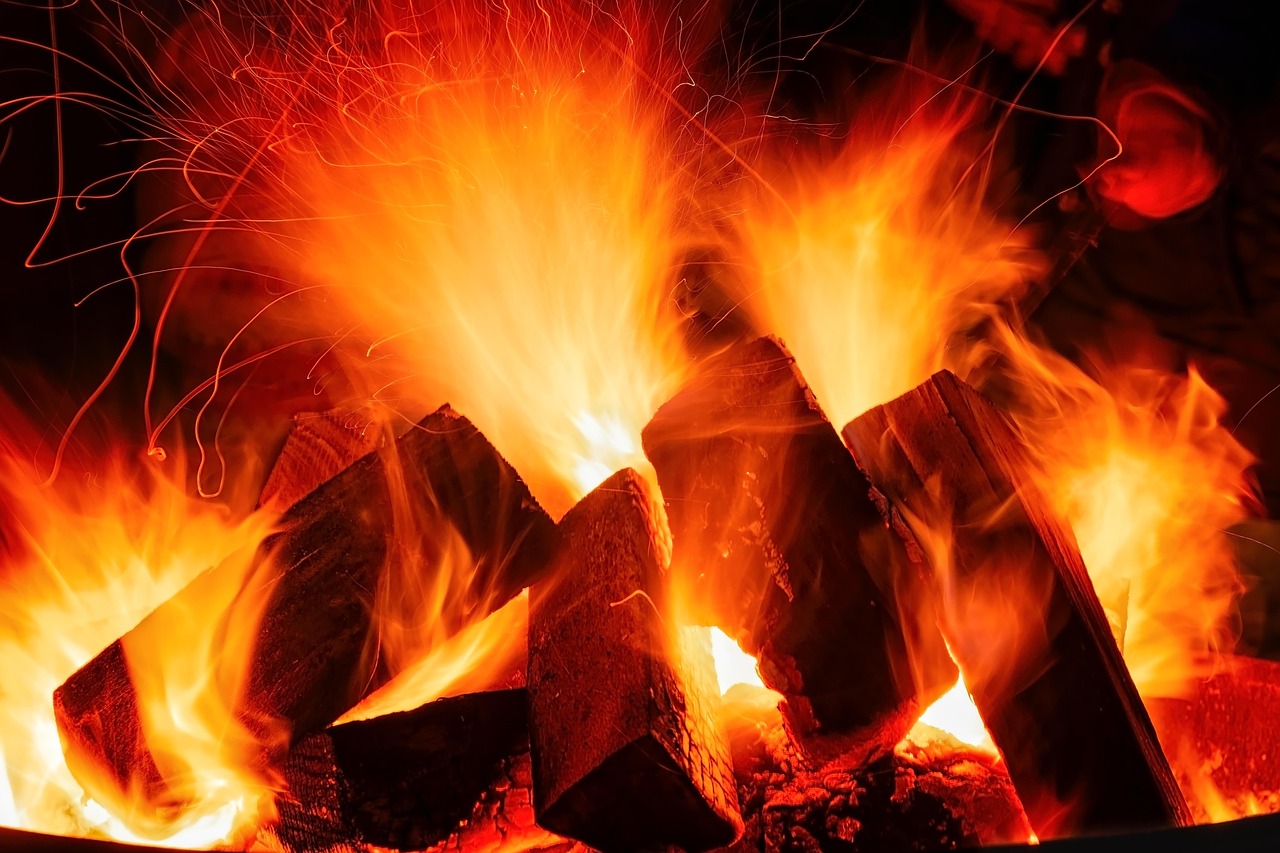
Charcoal is predictable. You know roughly how long a given quantity will hold temperature, how much ash it will leave, and how it will respond when you open or close the airflow. Because the fuel is already carbon, adjusting the air adjusts the heat quickly and cleanly. You can bank it, you can spread it, you can hold a low and slow temperature for hours or drive it up for a sear. A kitchen can train a line cook to run a charcoal grill the same way every shift. That repeatability is worth more to a restaurant than almost any single flavour note.
Raw wood asks more of the cook. The fire needs feeding, the smoke needs reading, and the temperature needs constant attention because the fuel keeps changing state as it burns. A master of live fire turns that demand into something extraordinary. A tired cook at the end of a double shift turns it into inconsistency. For a buyer supplying many sites with varying staff skill, that variability is a real cost.
Ash tells the same story. Clean hardwood charcoal leaves a small amount of fine ash, so the grill stays usable longer between cleanouts. Raw wood and low grade charcoal leave more. Over a week of service that is labour, downtime, and wear. When a restaurant buyer tells us they switched to our fuel and "stopped fighting the grill," ash and control are usually what they mean. If you supply kitchens, our guidance on restaurant charcoal goes into the volume and consistency side of this in more depth.
Charcoal Vs Wood, Weighed For A Business
Everything above is about the fire. Now weigh it as a product, because that is the decision our buyers actually make.
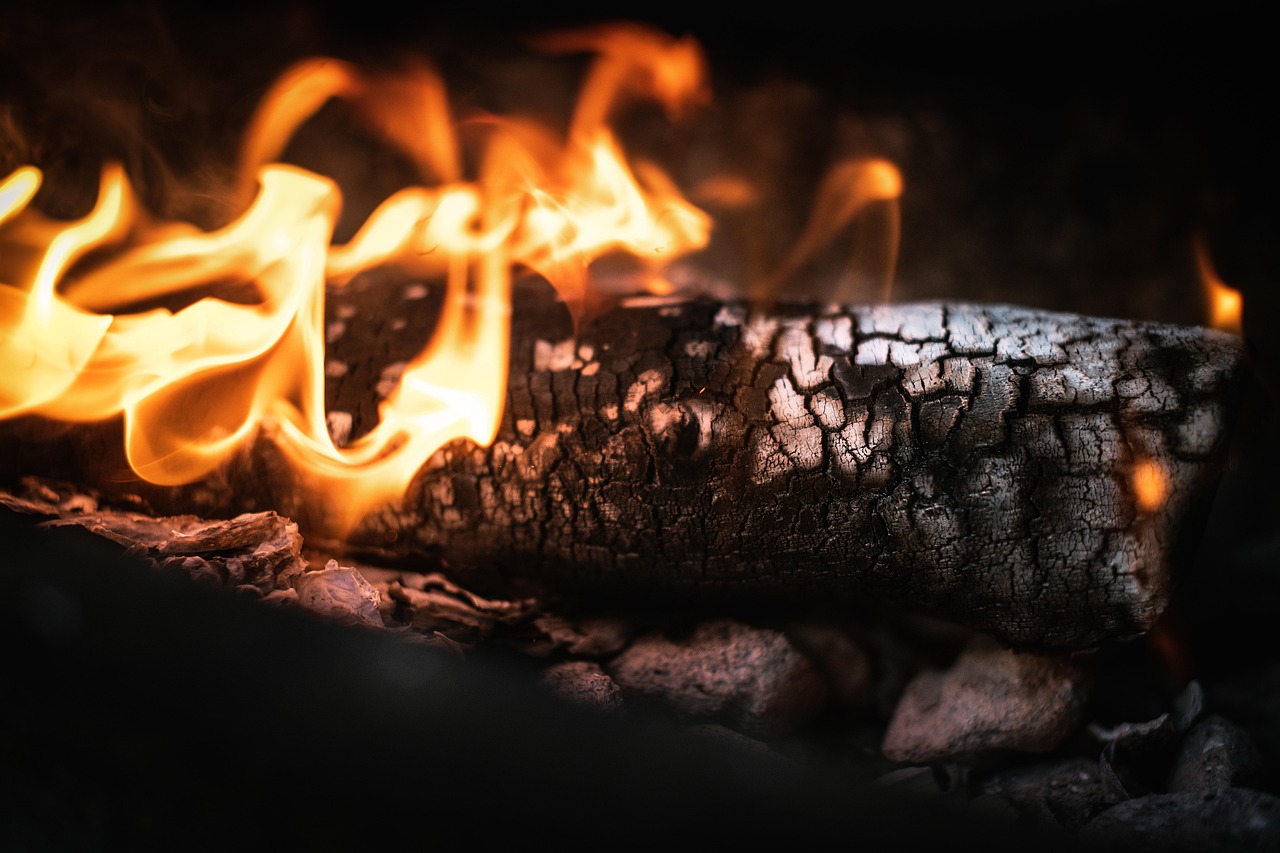
Raw wood is cheap at source and heavy to move. You are shipping water and volatiles that will never reach the plate as heat, which means you pay freight on weight that burns off as smoke. It stores poorly, it keeps absorbing humidity, and its performance drifts with its moisture. For a distributor, raw cooking wood is a low value, high volume, fussy line.
Charcoal is the opposite. We have already removed the water and the volatiles, so a kilogram of charcoal is almost all usable fuel. It is lighter for the energy it carries, it stores well when it is properly dried and packed, and it holds its performance across months and across an ocean. That is why charcoal, not firewood, is the global traded cooking fuel. The economics of the charcoal vs wood question point one way for anyone moving fuel across borders. If import logistics are new to you, how to import charcoal from Indonesia lays out the practical side.
There is also the matter of what your customer is asking for. A specialist wood fired pizzeria or a traditional asado cook wants wood and will accept its demands as part of the craft. The much larger market, grills and smokers and yakitori counters and home buyers who want reliable heat, wants charcoal. If you are building a line to sell, you are almost always building it on charcoal, and the choice then moves from charcoal vs wood to which charcoal: lump, binchotan, or briquette, and which grade.
Where each one wins
Raw wood wins when smoke flavour is the whole point, when a skilled cook is managing the fire, and when the fuel is sourced locally so freight does not punish its weight. Think wood fired ovens, traditional open fire cooking, and smoke forward barbecue where the pitmaster is present and attentive.
Charcoal wins when you need steady, controllable heat, low smoke, clean burning, long storage, and shippable value density. That covers the overwhelming majority of commercial and export use, from searing steak to running a yakitori grill all evening. For the clean, aroma free end of that range, see white charcoal; for the everyday grilling end, see BBQ charcoal.
And as noted, the two are not enemies. The most common professional setup we hear about is a charcoal base for heat and control with a handful of wood chunks for aroma. That gets you the dependable fire of charcoal and a measured dose of the smoke that only raw wood gives.
How We Make The Charcoal Side Of This Equation Reliable
If charcoal only wins when it is good, then the quality of the charcoal is the whole argument. A poorly made charcoal that smokes, sparks, and dies early hands every one of its advantages back to raw wood. This is why how the charcoal is made matters as much as the choice to use charcoal at all.
We select dense hardwood, carbonise it slowly so the core is fully converted rather than left with raw wood inside, dry it down to a stable moisture level, and test batches before they are packed. That process is what turns the theoretical charcoal vs wood advantage into something a buyer can actually sell: fuel that lights predictably, burns hot and long, smokes very little, and leaves little ash. You can see how we hold that line in quality control, and how we keep the supply responsible at source in sustainability.
For buyers who want to put their own name on this, the same consistency is what makes a private label work. A brand is only as good as the worst bag a customer opens, so we build for the worst bag, not the best one. If that is your route, private label charcoal explains how we handle it.
Recap
The charcoal vs wood question is really about what stage of burning you want to buy. Raw wood arrives full of water and volatiles and finishes itself on your grate, giving tall swinging heat, strong smoke, and a fire that demands a skilled hand. Charcoal arrives finished, because we did that stage in the kiln, giving flatter and longer heat, very little smoke, clean control across a long service, and far better value density for shipping and storage. Wood wins for smoke forward cooking with an attentive cook and local supply. Charcoal wins for steady, controllable, shippable heat, which is most commercial and export use, and the two combine well when you want a charcoal base with a touch of wood aroma. Above all, charcoal only delivers its advantages if it is made properly, fully carbonised, dried, and tested.
If you are deciding what to stock, sell, or brand, start with the fuel that most of your customers actually want to buy, and build from there. See our hardwood charcoal range for the grades, sizes, and specifications, and tell us how you plan to use it so we can point you to the right one.
Source it directly
Indonesian Hardwood Charcoal, factory direct.
Dense hardwood charcoal carbonized in traditional kilns from carefully selected Indonesian hardwood. Built for long, clean, stable burns, trusted by importers, distributors, and restaurants worldwide.