Yakitori Charcoal: What Chefs Actually Order
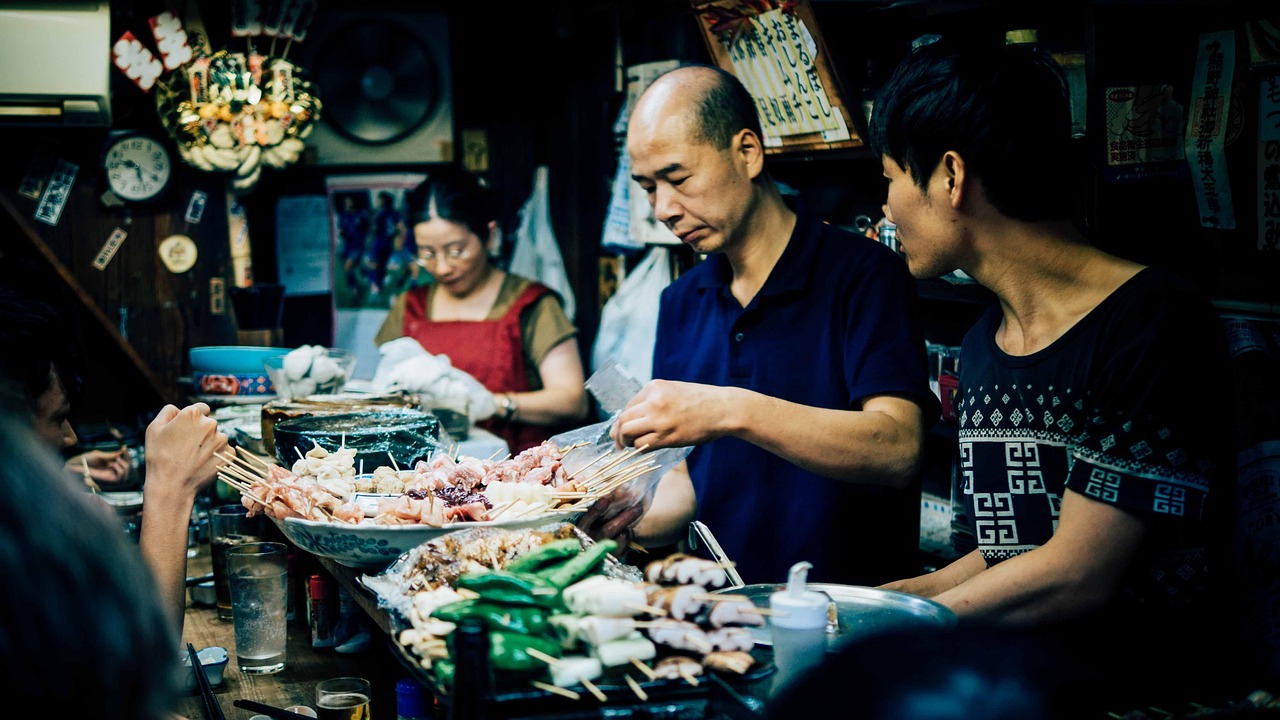
Walk into any serious yakitori counter and the fire is doing most of the work. The chef controls heat, smoke, and timing, but the thing under the skewers decides what is even possible. That thing is yakitori charcoal, and most buyers get their first order wrong because they treat it as a single product. It is not. What a chef in Tokyo orders and what a new grill house in London orders can be two very different grades at two very different prices, and the gap between them shows up in burn time, flare, and the taste of the food. We run kilns. This is what we see leave the factory, what buyers ask for, and what they should ask for.
The short version is this: chefs order a charcoal that lights to a steady radiant heat, holds that heat for the length of a service without constant topping up, throws almost no flame, and does not spit or smoke once it is settled. A few named grades do that reliably. Everything else is a compromise you make on purpose, usually to hit a price. Once you understand why those grades behave the way they do, you can order with confidence and stop paying for marketing words on a bag.
What Yakitori Charcoal Means For Your Order
Yakitori charcoal is not a legal grade or a certified category. It is a use case. It means charcoal fit to cook small skewered items fast, close to the coals, over a long continuous service. When a buyer writes "yakitori charcoal" on a purchase order without more detail, a factory has to guess what they actually want, and that guessing is where bad shipments come from.
So the first job is to turn the phrase into a spec. Two families of product get sold into this use. The first is binchotan, the Japanese style white charcoal, dense and hard, burning long and clean with very little smoke. The second is hardwood lump, usually a good mangrove or hardwood species, cheaper, easier to light, and perfectly workable for a busy kitchen that cannot afford binchotan for every grill. Both get called yakitori charcoal by someone. They cook differently, they cost differently, and they are lit differently. Deciding which family you are buying, before you talk price, saves everyone a wasted sample round.
If you are sourcing for a group of restaurants and want the full picture across both families, start on our restaurant charcoal page. It lays out the grades we ship to kitchens and the volumes they move in, which is the context most of the rest of this article assumes.
What Chefs Actually Order
Ask ten chefs and you get two answers, split by budget and by what they are cooking.
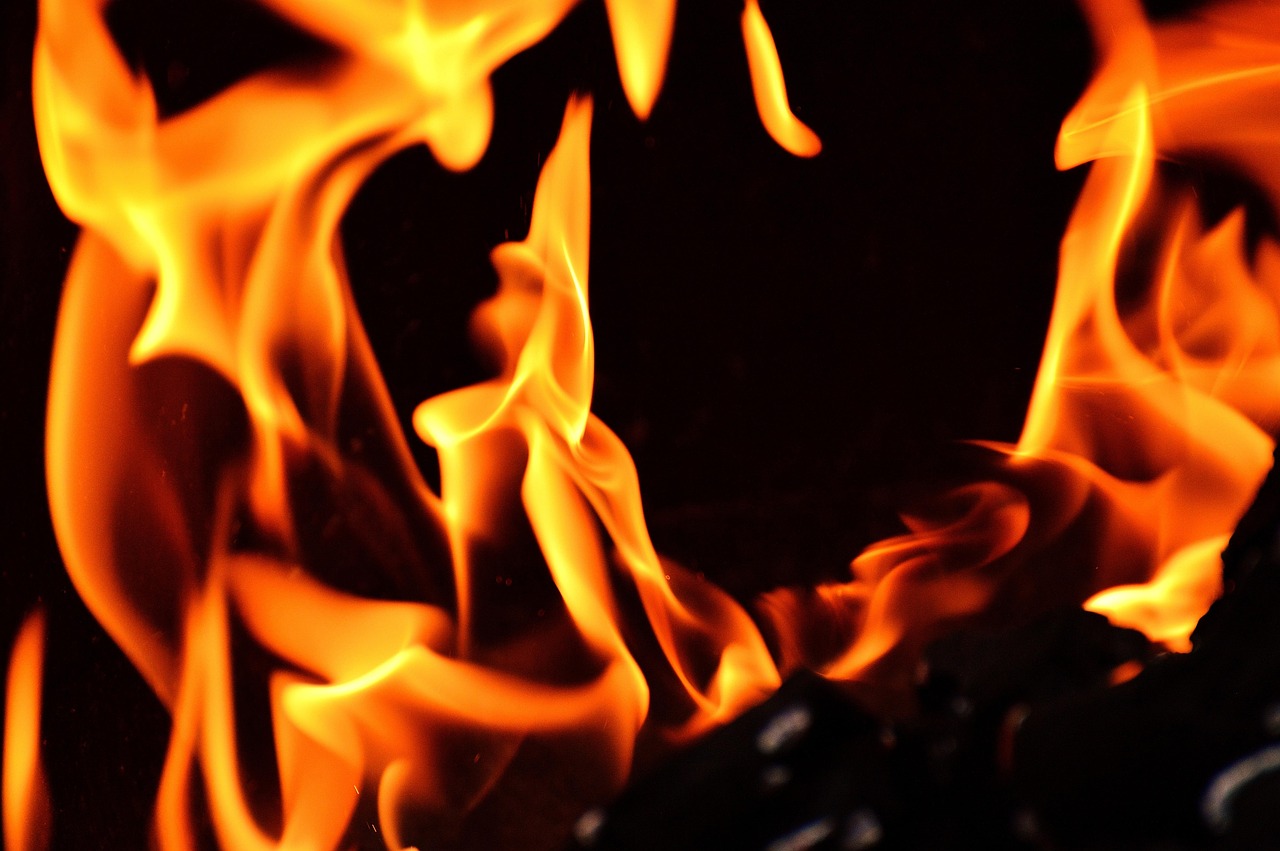
The high end orders binchotan, or something close to it. Binchotan is wood that has been carbonised slowly and then raised to a very high temperature, then smothered in a mix of ash, earth, and sand that gives it the pale coating and the name white charcoal. The result is a bar of almost pure carbon, dense enough to clink like metal when two pieces knock together. It lights slowly, which frustrates first time users, but once lit it puts out a long, even, infrared heat with next to no flame and almost no smoke. For a chef cooking chicken skin, liver, and quail eggs inches above the coals, that clean radiant heat is the whole point. The food browns and crisps without picking up an acrid smoke taste, and the fire does not flare when fat drips.
We cover what defines true binchotan, and where imitations fall short, on our binchotan charcoal page. The important thing for a buyer is that real binchotan is expensive, slow to make, and limited in supply, so most kitchens do not run it on every grill.
The working middle orders hardwood lump. This is carbonised hardwood sold in natural pieces rather than briquettes. A good hardwood lump lights in a chimney in fifteen to twenty minutes, burns hot, and gives a clean enough fire for most grilled menus. It will not last as long per piece as binchotan and it is a little livelier, meaning it can flare if fat pools, but a competent cook manages that. For a yakitori house running high volume at a mid price point, or a restaurant grilling a broad menu rather than delicate skewers only, hardwood lump is the honest choice. See our hardwood charcoal range for the species and grades we carbonise.
Many kitchens buy both. They run binchotan on the finishing grill where the premium skewers go, and hardwood lump on the back grills for volume. That split is common enough that we quote it as a standard pairing. If you want the reasoning behind why restaurants reach for binchotan specifically on the yakitori and robata stations, we wrote it up in why restaurants use binchotan for yakitori and robata.
How It Burns, and Why That Decides the Menu
The behaviour that matters on a grill comes down to density and carbon purity. Dense, high carbon charcoal holds more energy per piece and releases it slowly as radiant heat. That is binchotan. It means long burn time, steady temperature, and a fire the chef barely has to feed during a rush. The trade is that it is hard to light and hard to extinguish, and a piece that goes out part way through is a nuisance to relight.
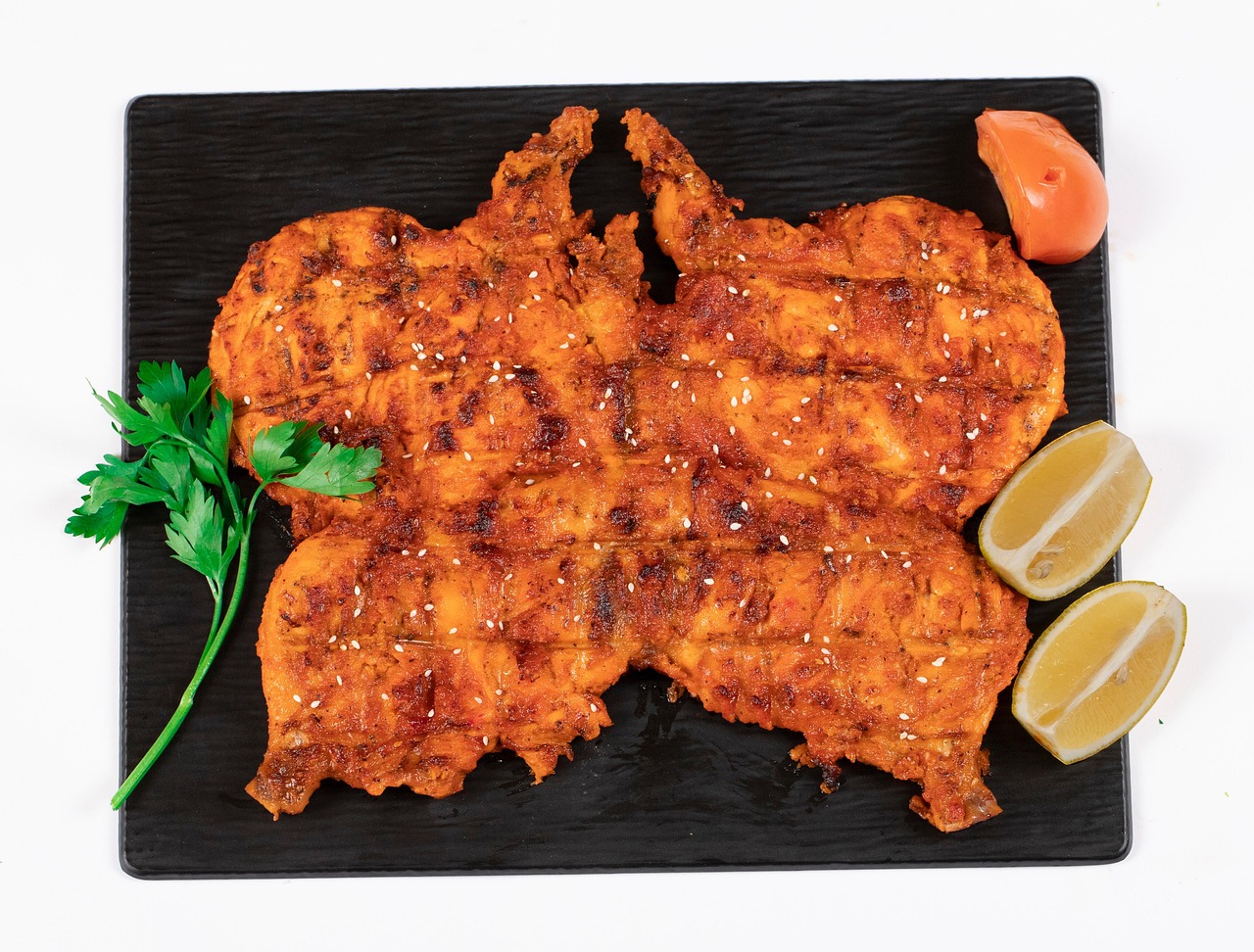
Lighter hardwood lump holds less energy per piece and gives it up faster. That is why it lights quickly and why it needs topping up more often. It is more forgiving to the cook who is still learning fire, because it responds faster when you move it or add to it. The cost is shorter runs between refuels and a slightly less stable temperature.
Smoke is the other axis. Yakitori is cooked so close to the coals that any smoke the fuel produces goes straight into the food. Well made charcoal of either family is nearly smokeless once the volatile compounds have burned off during lighting. Poorly carbonised charcoal, or charcoal that was not taken to a high enough temperature, keeps releasing smoke as it burns and taints delicate items. This is a manufacturing problem, not a grade problem. A cheap hardwood lump made properly can be cleaner than an expensive looking product made in a rushed kiln. How a kiln is run matters as much as the species, which is why we are careful about our own manufacturing process.
Flare is the last one. Flame happens when fat hits fuel that still has volatile gas to burn, or when a draft fans it. Binchotan barely flares because it has almost no volatiles left and burns as glowing carbon rather than flame. Hardwood lump flares more, and the cook manages it by controlling fat and airflow. If your menu is fatty skewers cooked low over the coals, that difference pushes you toward binchotan on that station.
Moisture, Dust, and the Things That Ruin a Service
The failures buyers actually complain about are rarely about the grade. They are about moisture, breakage, and dust, and they come from how the charcoal was dried, graded, and packed, not from the species on the label.
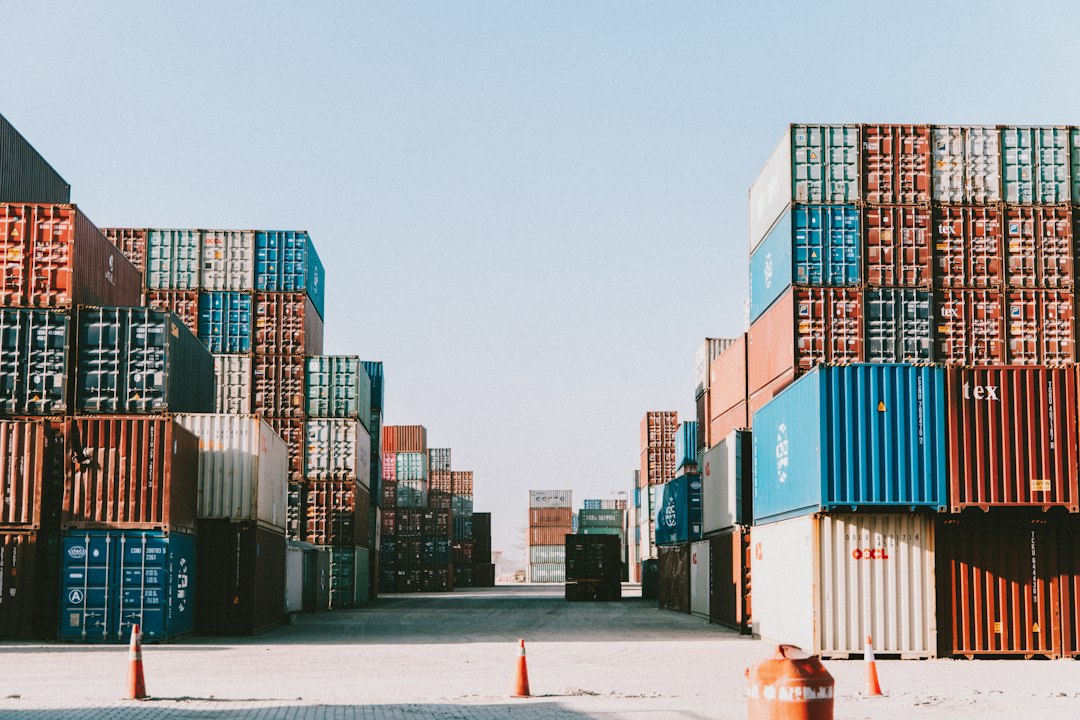
Moisture is the big one. Charcoal is porous and will pull water out of humid air, and a sea container crossing the tropics is humid. Charcoal that arrives damp is hard to light, spits as the trapped water flashes to steam, and burns cooler and shorter because energy goes into boiling off the water instead of into the food. A good factory dries charcoal down to a low, stable moisture content before packing and uses packaging that keeps it there. We go into the numbers and why they matter in charcoal moisture content and burn quality. When you evaluate a sample, a damp batch can look identical to a dry one until you light it, so moisture belongs on the spec sheet and in the acceptance test, not left to chance.
Dust and breakage come from handling. Charcoal is brittle. Every time it is tipped, dropped, or shaken in transit, some of it turns to fines. Fines are not useless, but they are not what a yakitori cook wants, because they fall through the grate, choke airflow, and burn out fast. A shipment that is thirty percent dust by the time it reaches the kitchen is a shipment the chef paid full price for and can only half use. Good grading screens the fines out before packing, and good packing stops new fines forming in transit. This is ordinary quality control, and it is the single biggest source of disputes we see between buyers and suppliers who skip it.
The fix on the buyer side is simple. Specify maximum moisture, maximum fines, and a minimum piece size, and inspect against those numbers on arrival. A supplier who stands behind the product will agree to those limits in writing. One who will not is telling you something.
Sizing: Why Length and Diameter Matter
Yakitori grills, the narrow konro boxes, are built around a specific fuel shape. The box is long and slim so skewers lie across it, and the charcoal needs to pack into that channel and sit at a consistent height so the heat under every skewer is even. That makes piece size a real spec, not a detail.
Binchotan is usually sold cut to length and sorted by diameter precisely for this reason. A chef ordering for a konro wants pieces that bed down flat and reach close to the grate without a tall stack. Too short and the heat is too far from the food. Too tall and the skewers scorch. Diameter affects how long a piece lasts and how much radiant surface it presents. This is why binchotan is graded and priced by size, and why a cheap unsorted mix of offcuts is not the same product even if the carbon is identical. If you are buying for konro service specifically, our note on yakitori grill and konro charcoal covers the sizes that fit.
Hardwood lump is less rigid about this because the pieces are natural shapes, but it still has a usable range and a useless range. A grade that is mostly large awkward lumps needs breaking before it fits a small grill, and one that is mostly small pieces burns out fast. A buyer should ask for the size distribution, not just the species, and should get a sample that reflects the actual production run rather than a hand picked handful.
Buying It: Sample, Spec, Container
Ordering yakitori charcoal well is a process, and skipping steps is where money gets lost.
Start with a sample, but treat the sample as the start of a conversation, not the deal. A sample tells you how a grade lights, burns, smokes, and tastes. It does not tell you whether the factory can ship that same quality by the container, consistently, month after month. Those are different questions. Plenty of suppliers can produce a perfect kilo and cannot hold the line across twenty tonnes.
Turn the sample into a written spec. Name the family and grade, the moisture ceiling, the maximum fines percentage, the piece size range, and the packaging. Agree how it will be checked on arrival and what happens if it misses. This is ordinary trade practice and a real factory will not flinch at it. If you are new to importing from this region, the practical steps are laid out in how to import charcoal from Indonesia, from documents to inspection.
Then think about volume and cadence before you think about the lowest unit price. A restaurant that burns through charcoal every service needs reliable resupply more than it needs the cheapest bag, because a gap in supply means a cold grill and a closed station. Plan the volume against your real burn rate and your storage, and build in margin for the weeks you are busy. Buying slightly more often from a supplier who never misses beats buying cheap from one who sometimes does.
Last, decide whether you want a plain product or your own brand on the box. Many of the kitchens and distributors we supply want their own label, their own bag size, and their own grade names. That is normal, and it changes how you order rather than what you order. The charcoal is the same charcoal. If private label is on your mind, the hub at restaurant charcoal links through to how we handle branded and bulk programmes.
Common Mistakes Buyers Make
A few errors repeat often enough to call out plainly.
Paying for the name without the spec. Binchotan is a real and worthwhile product, but the word on a bag guarantees nothing. Ask how it was made, to what temperature, and get the numbers for moisture and fines. A premium name over a rushed kiln is just an expensive disappointment.
Running one grade for everything. The split between a premium finishing fuel and a working volume fuel exists for a reason. Trying to run binchotan everywhere burns cash, and trying to run cheap lump on delicate skewers tastes of it. Match the fuel to the station.
Ignoring the fire the cooks are used to. A grade that behaves well in one kitchen can frustrate a team trained on a different fire. Lighting time, flare, and refuel frequency are part of the product. Let the cooks who will use it try it before you commit the container.
Judging a sample and never checking the shipment. The sample is a promise. The acceptance test on arrival is how you hold the supplier to it. Skip that and you are trusting luck.
Recap
Yakitori charcoal is a use case, not a single product. Decide first whether you are buying binchotan, the dense, slow, clean white charcoal chefs reach for on the premium station, or a good hardwood lump that lights faster and carries the volume stations at a lower price. Most serious kitchens run both. Judge any grade by how it burns, lights, smokes, and flares, and remember that moisture, dust, and piece size ruin more services than the species ever does. Put real numbers on a spec sheet, check them on arrival, and order against your true burn rate rather than the lowest headline price.
If you are putting together an order for one kitchen or a whole group, start at our restaurant charcoal hub. It connects the grades in this article to the volumes, packaging, and branding options we ship, so you can turn "yakitori charcoal" from a phrase on a purchase order into a spec your cooks will thank you for.
Source it directly
Restaurant Grade Charcoal, factory direct.
In an open kitchen, charcoal is part of the dining room. It must burn clean, hold steady, and never impose on the food. This is the grade the world's grill counters run on.