Yakitori Grill Setup: Konro, Charcoal, and Layout
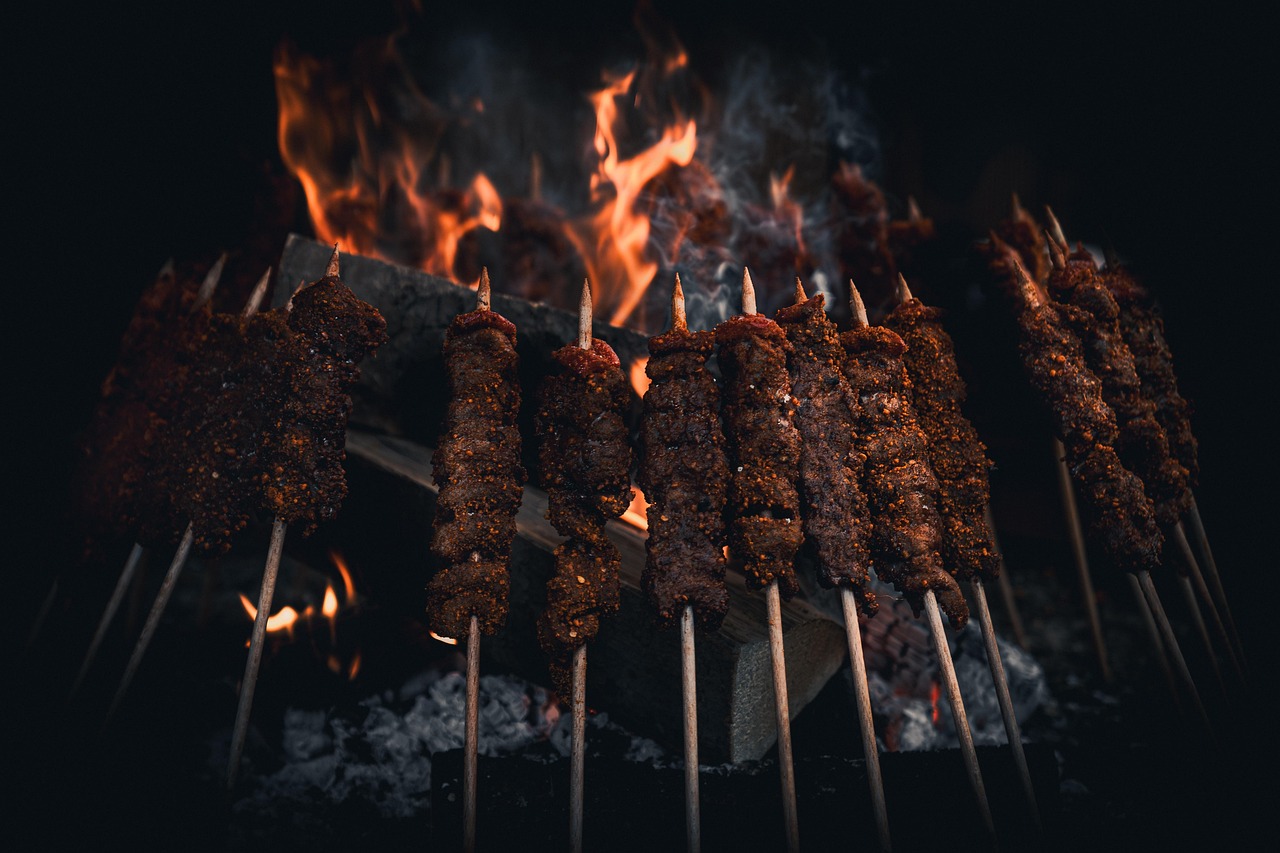
A yakitori grill is a narrow, rectangular box that holds a bed of charcoal and a bridge of skewers above it. It looks simple, and in the right hands it is. But the gap between a yakitori grill that runs clean through a full dinner service and one that fades, smokes, and frustrates the cook comes down to three things: the box you choose, the charcoal you burn, and the way you lay the whole station out. We fire kilns for a living and ship charcoal to grill houses across dozens of countries, so most of what follows is what our restaurant buyers learn in their first six months and wish they had known on day one.
This article is written for people who buy, not just people who cook. If you are an importer, a distributor, a restaurant group, or a brand putting your own label on charcoal, you need to understand the equipment your customers use so you can match the fuel to it. Get the pairing right and the charcoal sells itself. Get it wrong and you spend the next year handling complaints that are really equipment problems dressed up as fuel problems.
What a Konro Is and Why It Matters
The konro is the grill body. Traditional konro are made from diatomaceous earth, a soft, light mineral that is cut or moulded into a block and then hollowed out. That material is the whole point. Diatomaceous earth is a natural insulator. It holds heat inside the firebox and keeps the outer walls cool enough to sit on a wooden counter without scorching it. A steel box radiates heat in every direction and wastes most of your fuel heating the room. A diatomaceous konro drives the heat up, through the charcoal bed, into the food.
Konro come in two broad families. Cut konro are carved from a single block of mineral and tend to be denser and more durable. Moulded konro are pressed from the same material in a form and cost less, but they chip and crack sooner under daily commercial use. For a home cook the difference barely matters. For a restaurant running the grill eight hours a day, six days a week, it is the difference between replacing the box once every few years and replacing it every few months.
Size is the next decision. Konro are sold by their internal length, and length decides how many skewers you can run at once. A short konro around 30 centimetres suits a small bar or a tasting counter. A long konro at 60 centimetres or more is built for volume, letting a single cook work ten or more skewers in a row. Depth matters too. A deeper firebox holds more charcoal, which means a longer burn before you refuel and more thermal mass to ride through a rush. If your customers are high volume yakitori houses, steer them toward the longer, deeper boxes and toward charcoal that can fill them without choking the airflow.
The Charcoal That Makes a Yakitori Grill Work
Here is the part most buyers underestimate. A yakitori grill is a charcoal instrument first and a piece of hardware second. The konro only directs and insulates the heat. The charcoal is what actually produces it, and the wrong charcoal will defeat even the best box.
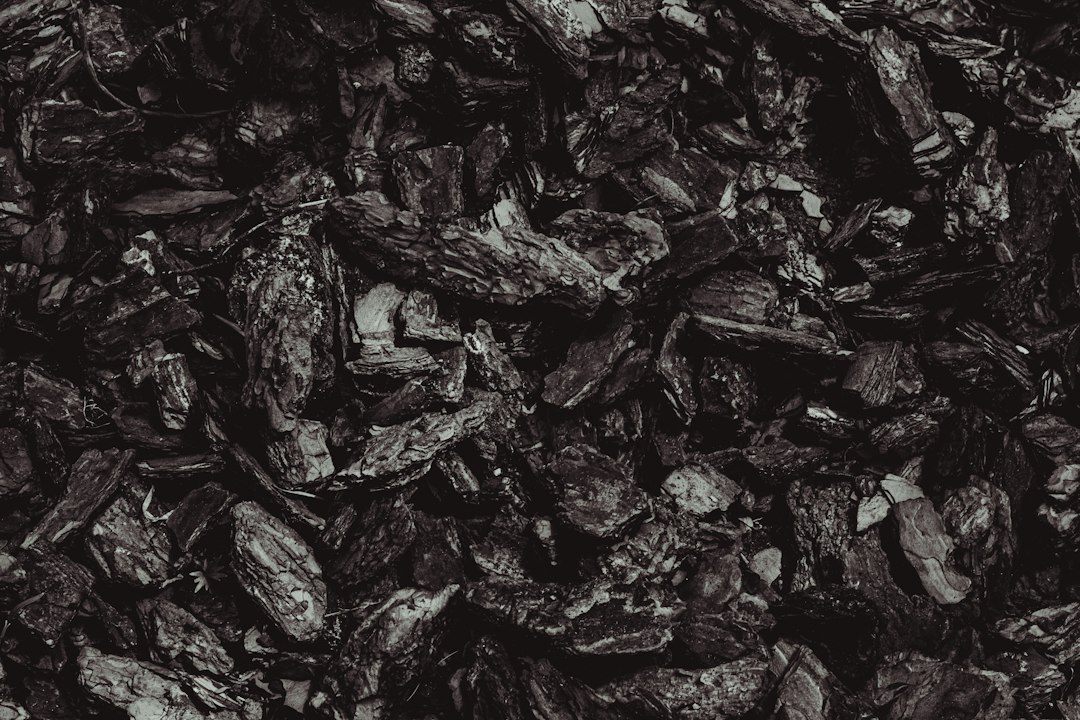
The traditional and still the best fuel for this job is binchotan, the Japanese white charcoal. Binchotan is made by carbonising dense hardwood at very high temperature and then quenching it, which leaves an almost pure carbon that is extraordinarily hard. You can tap two pieces together and they ring like metal. That density is why it works on a yakitori grill. It lights slowly, which frustrates beginners, but once lit it burns at a steady, intense radiant heat for hours with very little smoke and almost no flame. Low smoke and low flame are exactly what you want when you are cooking small pieces of chicken close to the coals. Flame chars the outside before the inside cooks. Smoke taints the clean flavour that yakitori is built around. We cover the reasons restaurants keep coming back to this fuel in more depth in our piece on why restaurants use binchotan for yakitori and robata, and the broader case for binchotan charcoal is worth reading before you commit to a grade.
Not every operation can run pure binchotan, and not every dish needs it. Binchotan commands a premium, it takes skill to light, and a busy kitchen with high turnover may want a faster, more forgiving fuel for part of the service. This is where a good hardwood lump charcoal earns its place. Dense hardwood lump lights faster, costs less, and still delivers strong radiant heat, though it burns through quicker and throws a little more flame. Many kitchens run a blend: a base of binchotan for stability and longevity, topped up with hardwood lump charcoal when they need to bring the bed back up fast during a rush. Understanding how each fuel behaves lets you sell the right mix rather than pushing one product at every customer.
Whatever the grade, three charcoal properties decide how the yakitori grill performs. The first is density. Denser charcoal holds more energy per piece and burns longer, so the cook refuels less often and the bed stays stable. The second is moisture content. Charcoal that has picked up moisture in transit or storage spits, smokes, and struggles to hold temperature, and it is one of the most common hidden causes of a grill that will not behave. We go deep on this in our note on how moisture content affects burn quality, and it is the first thing to check when a customer complains. The third is sizing. The pieces have to fit the firebox and sit together without collapsing into a dense mat that strangles the airflow. A narrow konro needs smaller, uniform pieces. A deep box can take larger lumps.
Lighting and Managing the Fire
Binchotan will not light with a match and a prayer, and trying to force it with lighter fluid ruins both the charcoal and the food. The standard method is a separate lighting stove, a small chimney or a gas burner that gets the charcoal to a full glow before it goes anywhere near the konro. The cook lights a batch off to the side, and when each piece is glowing orange through, it is transferred into the grill with tongs. We walk through the full routine in our guide to lighting binchotan charcoal, and it is worth putting a copy in the hands of any customer new to this fuel, because almost every first week complaint traces back to lighting technique rather than the charcoal itself.
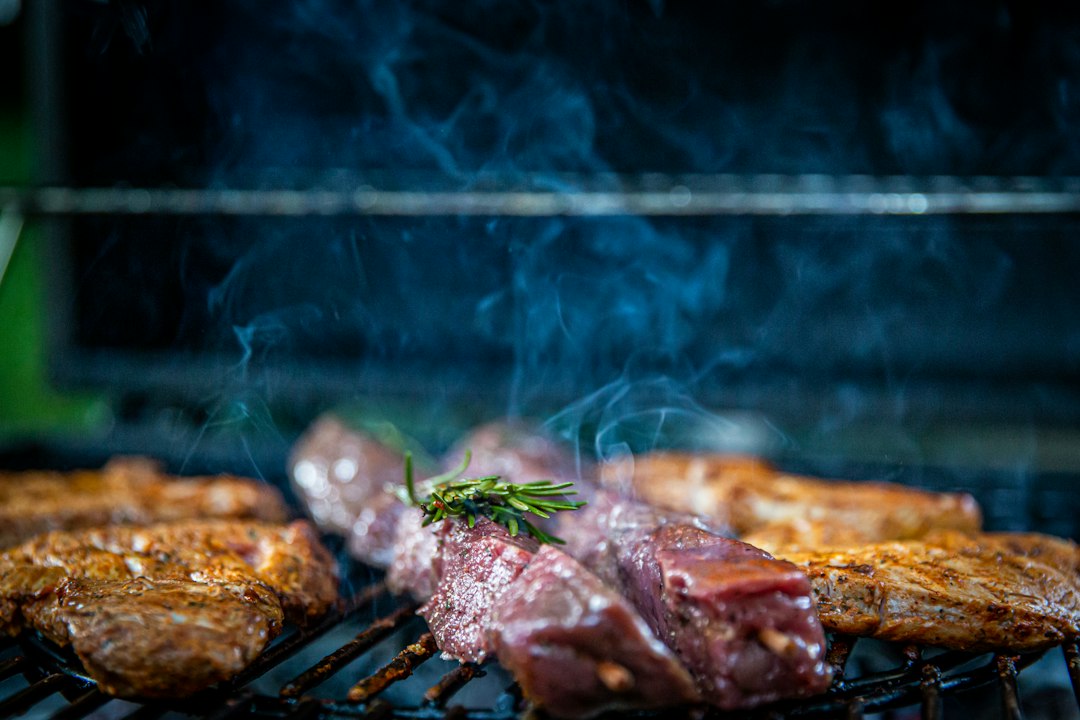
Once the bed is established, managing it is about zones. A good cook does not spread the charcoal evenly. They build a hotter zone at one end, a moderate zone in the middle, and a cooler holding zone at the other end, then move skewers across those zones as the food demands. Thighs and skin want the hot end to render fat and crisp. Delicate items and finished skewers held for plating sit at the cool end. The konro's shape makes this easy because the box is long and narrow. The charcoal gives you the control, but only if there is enough of it and the pieces are sized to let the cook push coals from one zone to another with tongs.
Refuelling is a rhythm, not an emergency. The cook keeps a fresh batch glowing in the lighting stove and feeds the bed before it drops, not after. A grill that is allowed to fall cold and then reloaded with fresh coals never fully recovers during a rush. This is why burn time per piece matters so much to a commercial buyer, and why the density of the charcoal you supply directly shapes how smoothly your customer's kitchen runs.
Laying Out the Station
The grill is the centre of the station, but the station is more than the grill. A working yakitori line has a defined order to it, and the layout decides whether the cook takes two steps or ten to make a single skewer.

Put the lighting stove within arm's reach of the grill but not so close that its heat bleeds into the work zone. The cook needs to reach fresh coals without turning their back on the food. Keep a charcoal store nearby, dry and off the floor, because damp charcoal is a service killer and floor level is where moisture collects. Skewer prep sits on one side, usually the side matching the cook's dominant hand, with raw product in a chilled well and prepped skewers ready to go. Sauce, salt, and the tare pot sit on the opposite side or just behind, within a quarter turn.
Ventilation is not optional. Even clean binchotan produces some heat and carbon monoxide, and a busy grill running for hours needs an extraction hood rated for solid fuel directly above it. This is a point worth raising with any buyer fitting out a new site, because a grill that cannot be ventilated legally is a grill that cannot open. The hood also pulls stray smoke away from the dining room, which protects the clean flavour profile the whole method is built to deliver.
Finally, think about the counter height and the distance from the charcoal bed to the grill surface. Most konro are designed so the skewers sit a fixed distance above the coals, and that distance is calibrated for the radiant heat of good charcoal. Raise it and the food cooks slowly and dries out. Lower it and you char. If you supply the charcoal, you are supplying one half of a system that was designed around a specific kind of fuel, and that is a strong argument for consistency in what you ship.
Volume, Consistency, and Ordering
For a restaurant, the hardest part of running a yakitori grill is not the cooking. It is making sure the charcoal is the same every single week. A kitchen builds its timing, its zones, and its muscle memory around a particular fuel. Change the density, the sizing, or the moisture from one delivery to the next and the cook has to relearn the fire, usually in the middle of a Friday service. This is the single biggest reason restaurants move away from trading companies and toward buying direct from a factory: consistency. We explain the difference in our comparison of a charcoal factory versus a trading company, and it is the conversation that matters most to a serious restaurant account.
Volume planning is the other half. A high volume yakitori house can burn through a surprising quantity of charcoal in a week, and running out mid service is not recoverable. We put together a full breakdown of how to estimate restaurant charcoal needs in our guide to restaurant charcoal volume planning, which helps buyers forecast properly and hold the right buffer stock without tying up cash in a warehouse full of charcoal they will not burn for months.
Consistency starts upstream, at the kiln and the sorting line, long before the charcoal reaches a port. Our own quality control process exists precisely because a yakitori grill exposes any variation in the fuel immediately. A briquette BBQ can hide a lot of inconsistency under a slather of sauce and a thick cut of meat. A chicken skewer over bare coals hides nothing. That is why restaurant grade charcoal is held to a tighter standard than general barbecue stock, and why the buyers who serve grill houses tend to be the most demanding we work with.
Matching Fuel to Customer
If you are selling into this market, treat the grill as your sizing guide. Short konro and small bars want smaller, uniform binchotan pieces and will value a premium grade. Long, deep konro in high volume houses want a reliable supply of larger pieces, often blended with hardwood lump to manage cost and refuel speed. Brands building a product line around the yakitori and robata trend should think about grade, packaging, and labelling together, which is where our restaurant charcoal range and our private label programme come in. The restaurant hub is the right starting point for any buyer scoping a grill house account, because it lays out the grades, the formats, and the export terms in one place.
The through line is that a yakitori grill is a precision tool, and the charcoal is the precision part. The konro insulates and directs heat that the charcoal creates. Pick the fuel to suit the box and the service, keep it dry, keep it consistent, and the rest of the setup falls into place around it.
Recap
A yakitori grill is three decisions working together. The konro, ideally cut diatomaceous earth sized to your volume, insulates and directs the heat. The charcoal, binchotan for stability and clean burn, blended with hardwood lump where speed and cost demand it, actually produces that heat and must be dense, dry, and correctly sized. The layout, with a lighting stove in reach, dry charcoal storage, proper extraction, and a logical prep flow, lets the cook run zones and refuel on rhythm rather than in panic. For buyers, the job is to match the fuel to the box and then deliver it the same way every week, because a grill house notices every variation the moment a skewer hits the coals.
If you are scoping a yakitori or robata account and want to see the grades, formats, and export terms in one place, start at our restaurant charcoal hub.
Source it directly
Restaurant Grade Charcoal, factory direct.
In an open kitchen, charcoal is part of the dining room. It must burn clean, hold steady, and never impose on the food. This is the grade the world's grill counters run on.