Best Lump Charcoal for Smoking: What to Look For
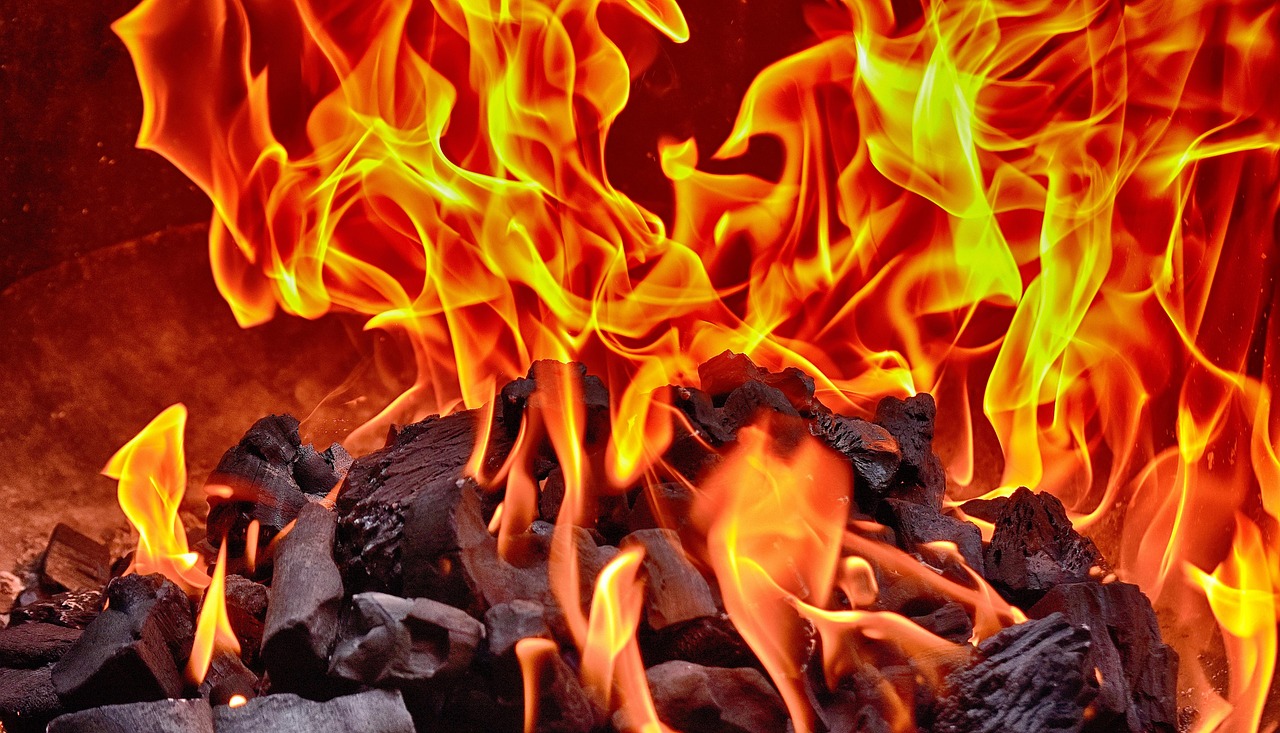
We fire kilns for a living. Most weeks a buyer sends us a message that reads the same way: they have been let down by charcoal that sparked, smoked sour, or burned out halfway through a brisket. They want to know how to spot the best lump charcoal for smoking before a container leaves the port, not after it lands in their warehouse. This article is the answer we give them, written the way we would explain it standing next to a cooling kiln. No sales pitch. Just the things that actually decide whether a bag of charcoal works over a long, slow cook.
Lump charcoal is not complicated once you understand what it is. It is wood that has been heated in a low oxygen kiln until everything that is not carbon has been driven off. Water leaves first. Then the volatile compounds, the sap and the resins and the light gases, cook out. What remains is close to pure carbon that lights, holds a steady bed of heat, and returns to the fire almost all of the energy the wood held. If you want the plain version of that story, we wrote it up in our guide on what is lump charcoal. Here we are going one level deeper, into what separates charcoal that smokes well from charcoal that only looks the part.
What Best Lump Charcoal For Smoking Actually Means
Buyers use the word "best" loosely, so let us pin it down. For smoking, which means long cooks at low temperature, "best" comes down to four measurable traits. The charcoal has to light without a fight. It has to hold a stable temperature for hours without you nursing it. It has to burn clean, so the smoke is thin and blue instead of thick and grey. And it has to leave little ash, because ash smothers a fire and chokes the airflow a smoker depends on.
Notice what is not on that list. Size of the bag is not there. Brand name is not there. Fancy wood species with a nice story attached is not there. The best lump charcoal for smoking is defined by how it behaves in the firebox, and every trait we care about traces back to two things: the wood it was made from, and how carefully it was carbonised. Get those two right and the rest follows. Get them wrong and no amount of marketing fixes it.
This matters because a smoker is a demanding customer. A hot, fast grill forgives a lot. You dump charcoal in, it flares, you sear a steak, and you are done in ten minutes. A long cook is the opposite. You might run a firebox for eight, ten, twelve hours at a low, steady temperature. Every weakness in the charcoal has time to show itself. Charcoal that sparks will spit embers for hours. Charcoal that was not carbonised fully will give off harsh smoke that taints the meat. Charcoal that is soft and light will burn out and force you to refuel in the dark. Smoking is the hardest test a lump can face, which is exactly why it is the right test to judge quality by.
Density Is The First Thing To Check
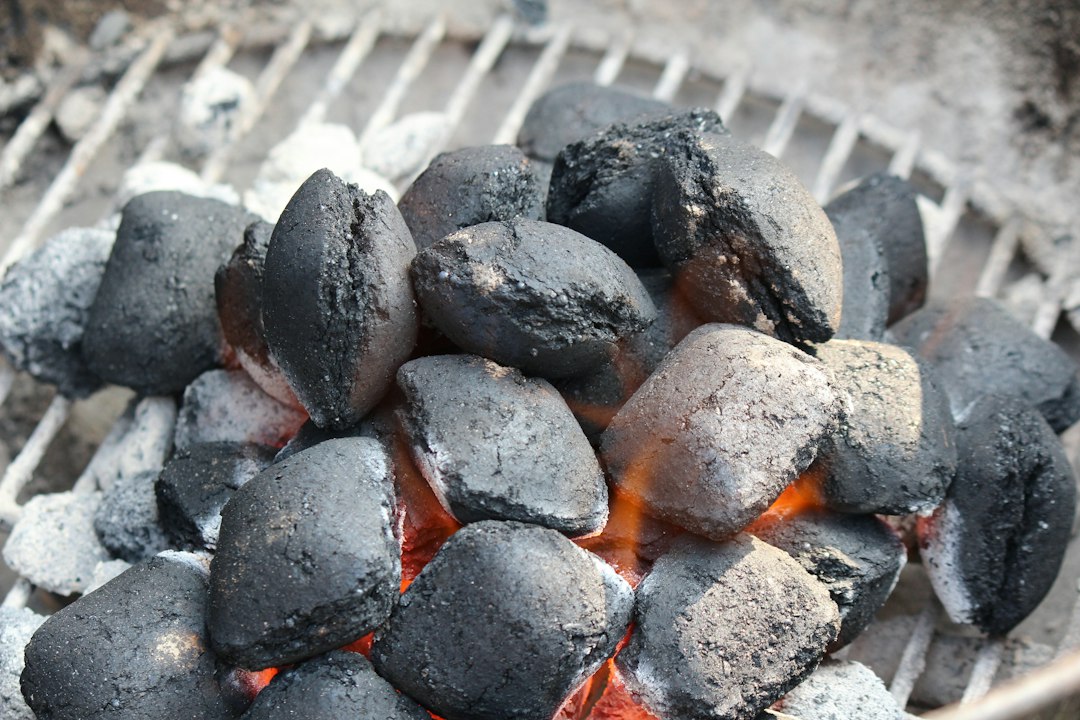
Pick up a piece and feel its weight. Dense charcoal made from hardwood feels heavy for its size and rings with a slightly metallic clink when two pieces knock together. Light charcoal made from soft, fast grown wood feels like it might float away and sounds dull. That difference is the single strongest predictor of burn time.
Dense charcoal has more carbon packed into the same volume, so it holds more energy and releases it slowly. This is the whole reason our factory works with tropical hardwoods. Species like halaban and tropical fruitwoods grow slowly and lay down tight, heavy fibre. When we carbonise them the resulting lump stays dense and structured, and that structure is what gives a smoker its long, even burn. We go deeper into how the wood type shapes the burn in our note on what makes Indonesian hardwood charcoal different, but the short version is this: heavy in the hand almost always means heavy in the firebox.
There is a simple test any buyer can run on a sample before committing to a large order. Weigh a set volume of charcoal, say a full standard box, and compare it against a competitor's box of the same size. The heavier box, assuming both are properly dry, holds more fuel and will run longer. It is not a perfect measure on its own, but it is a fast one, and it catches the worst product before it reaches your customers.
Moisture Is The Hidden Fault
Here is the fault that ruins more smokes than any other, and it is invisible until the fire is lit. Charcoal absorbs moisture from the air. If it was rushed out of the kiln, or bagged before it cooled, or stored somewhere humid, it carries water it should not. That water has to boil off before the charcoal will hold a smoking temperature, and while it boils off the fire runs cold, hisses, and produces steam that mixes into the smoke.
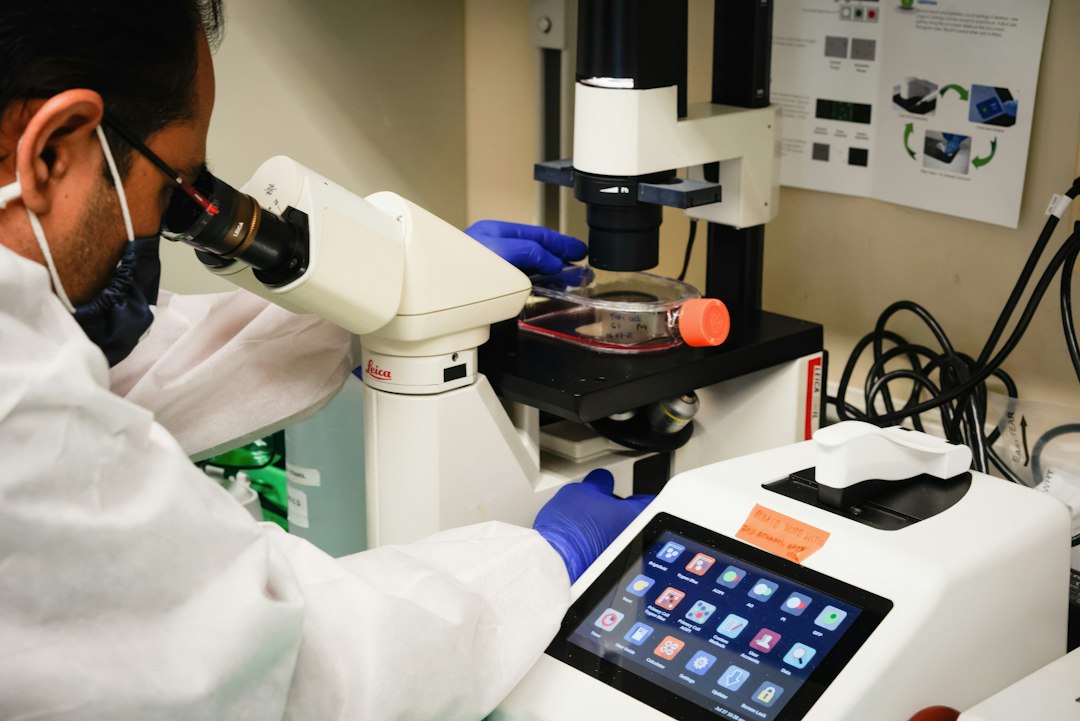
You cannot always see moisture, but you can hear it. Damp charcoal pops and hisses when it catches. Dry charcoal lights quietly and settles into a steady glow. For a long cook, dryness is not a nicety, it is the difference between a firebox you set and forget and one that fights you all afternoon. We control this at the factory by cooling and conditioning every batch before it is packed, and we check moisture content on samples the way a baker checks an oven. The full reasoning behind that is in our piece on charcoal moisture content and burn quality, and if you are sourcing at volume it is worth reading before you sign anything.
For a buyer, the practical step is to ask the supplier for the moisture figure and to see whether they can even tell you. A factory that measures moisture will give you a number without hesitation. A trader who buys from whoever is cheapest that month usually cannot, because they do not control the kilns and do not test the product. That single question separates a lot of serious suppliers from the rest.
Clean Carbonisation And Why It Decides The Flavour
Smoking is about flavour, and flavour is where poorly made charcoal does its quiet damage. When wood is carbonised fully, the volatile compounds are driven out in the kiln, so what reaches your meat is clean heat and thin smoke. When wood is carbonised badly, in a rushed burn or a cold kiln, some of those volatiles stay trapped inside the lump. They come out later, in your firebox, as acrid smoke that settles on the food and leaves a sharp, sooty edge.
You can spot the difference. Break a piece open. Good charcoal is black all the way through, with a clean fracture and often a faint shine. Under-carbonised charcoal shows brown, woody cores where the heat never finished the job. Those brown cores are raw wood in disguise, and they are what produce the harsh smoke that makes people think charcoal ruins the taste of meat. It does not. Bad charcoal does.
This is the part of the trade you cannot see from a photograph or a spec sheet, and it is the reason we say the best lump charcoal for smoking is made, not bought. A factory that runs its own kilns controls the burn time and the temperature, so it can carbonise fully and consistently, batch after batch. Consistency is the thing a serious buyer is really paying for. One good bag proves nothing. A thousand bags that all behave the same way is a supply chain you can build a brand on. We treat that as a discipline, and we describe how we hold the line in our overview of quality control before shipping.
Ash, Sparks, And The Small Things That Add Up
Two more traits matter for smoking, and both are easy to overlook until they cost you a cook.
Ash is the first. As charcoal burns it leaves mineral residue, and the more residue it leaves the faster it smothers itself. On a short grill this barely registers. On a twelve hour smoke it is decisive. Charcoal that produces a lot of ash will choke its own airflow long before the fuel is spent, dropping your temperature and forcing you to clean out the firebox mid cook. Dense hardwood charcoal, carbonised well, produces far less ash and keeps the air moving through the bed for hours. Low ash is not a luxury for a smoker. It is a requirement.
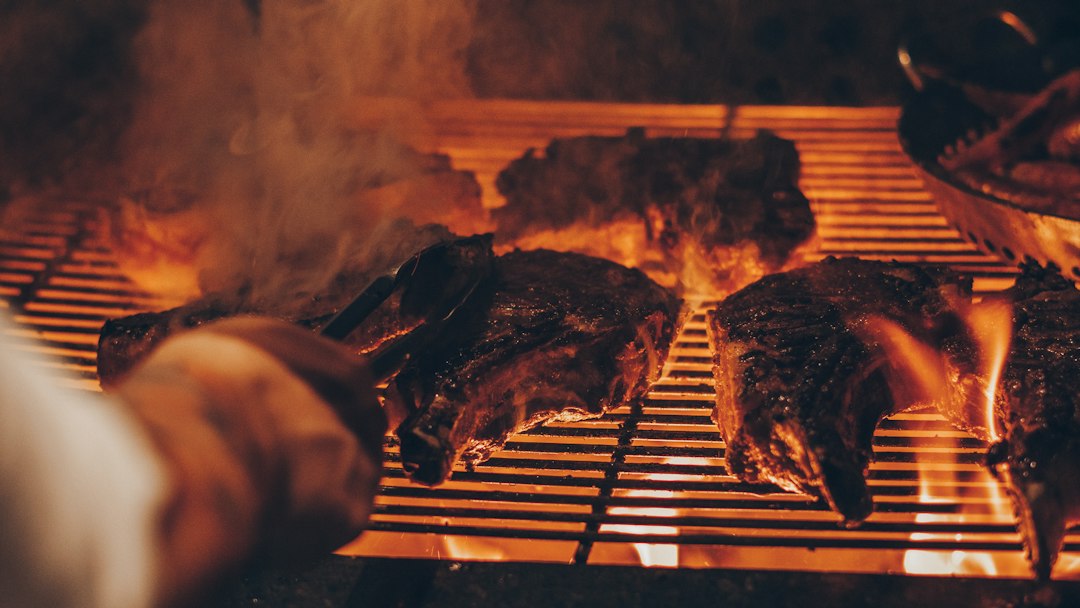
Sparks are the second. Some charcoal spits embers when it catches, throwing small burning fragments out of the firebox. This usually points to trapped moisture or included bark and debris. The best lump charcoal for smoking is clean charcoal, sorted so that bark, dust, and undersized fragments are removed before packing. A tidy bag of well sorted lumps lights calmly and burns without theatre. A bag full of dust and splinters sparks, burns unevenly, and wastes a good share of its weight as fines you cannot use.
Grading ties these traits together. When charcoal is sorted into consistent sizes, it burns predictably, because pieces of similar size catch and spend their heat at similar rates. Mixed sizes burn unevenly, with small pieces racing ahead and large ones lagging behind, which makes a stable smoking temperature hard to hold. We explain how the industry sorts product in our guide to hardwood lump charcoal grades, and for anyone buying to resell, matching the grade to the customer is half the job.
Matching The Charcoal To The Cook
Not every lump is meant for every fire, and a good supplier will tell you so rather than sell you one product for all uses. For low and slow smoking you want dense, large, well carbonised pieces that hold heat over long stretches. For high heat searing you can use a broader mix. For restaurant service, where a kitchen relights all day, consistency and low ash matter more than anything, because a chef cannot stop to babysit a firebox during a dinner rush.
If your customers are pitmasters chasing long cooks, the whole of this article is your checklist. If you want it framed around technique rather than sourcing, our write up on how to choose BBQ charcoal for low and slow covers the same ground from the cook's side of the fire. The two views agree, because good charcoal and good technique are solving the same problem from opposite ends.
For buyers moving containers rather than bags, one more point deserves saying plainly. The traits that make charcoal good for smoking, density, dryness, clean carbonisation, low ash, are exactly the traits that survive a long sea journey and a spell in a warehouse. Charcoal made well does not degrade the way rushed product does. It ships better, stores better, and reaches your customer in the condition it left our floor. If export logistics are your concern, our export page lays out how we pack and ship to protect that quality in transit.
How To Buy Without Getting Burned
Bring this together into a short buying routine and it becomes simple. Ask for a sample before any large order. Weigh it and feel it: heavy and hard is what you want. Light it and listen: quiet means dry, hissing means wet. Break a piece open: black all the way through means it was carbonised properly, brown cores mean it was not. Burn it long, not short, because smoking is the honest test. Watch the ash and watch for sparks.
Then ask the supplier the questions a factory can answer and a trader usually cannot. What wood is this made from. What is the moisture content. How is it graded. How consistent is it batch to batch. The answers, and the confidence behind them, tell you whether you are talking to the people who fired the kilns or the people who bought the pallet. It is a difference worth caring about, and we cover why it matters in our comparison of a charcoal factory versus a trading company.
The Short Version
The best lump charcoal for smoking is dense, dry, and fully carbonised. Density gives you long, steady burn time. Dryness lets it hold a smoking temperature without hissing and stalling. Full carbonisation gives you clean, thin smoke instead of an acrid edge on the meat. Low ash keeps the firebox breathing through a long cook, and clean, well graded lumps light calmly without sparks. Every one of these traces back to the wood and the kiln, which is why charcoal is best judged by how it is made, not by the words on the bag.
If you are sourcing for a brand, a distributor, or a kitchen, start with a sample, run it through the checks above, and buy from people who can tell you exactly what they sold you. To see the grades we produce and to request a sample for your own smoke test, visit our lump charcoal page and tell us what you cook. We will point you to the grade that fits.
Source it directly
Natural Lump Charcoal, factory direct.
Nothing added, nothing pressed, nothing hidden: lump charcoal is simply hardwood transformed by fire. Its quality depends entirely on the wood and the kiln, which is why ours starts in the forest.