What Is Lump Charcoal? A Producer's Answer
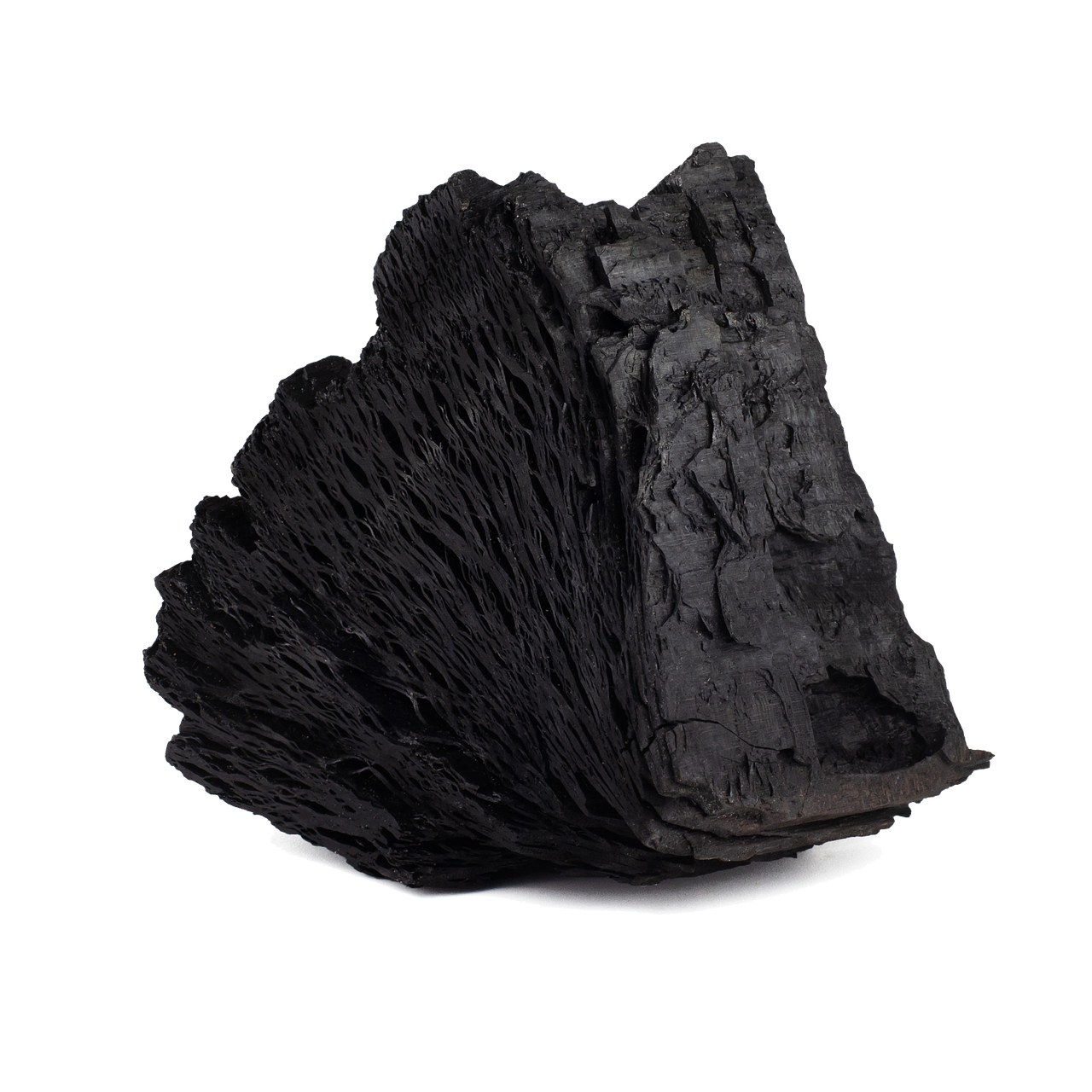
Lump charcoal is what you get when you take solid hardwood and cook off almost everything in it except the carbon. No binders, no fillers, no starch, no press. You put wood in a kiln, you starve it of oxygen, you hold the heat, and weeks later you pull out black pieces that keep the shape and grain of the log they came from. That is the whole idea. When a buyer asks us what lump charcoal is, we do not start with marketing words. We start with the kiln, because the kiln is where the answer lives.
We run a factory in Indonesia. We fire hardwood and we fire binchotan, and we ship both to importers, distributors, restaurant groups, and brands who put their own label on the bag. This article is the answer we would give you if you stood on our floor and asked the question directly. It is long because the honest answer is not one line, and because the difference between a good bag and a bad bag is decided in steps most buyers never see.
What Lump Charcoal Actually Is
Charcoal is carbon left behind after wood is heated without enough air to let it burn. The heat drives off water first, then the volatile compounds: sap, resins, gases, the parts of the wood that make raw timber smoke and spit. What stays is a light, brittle, mostly carbon structure that holds the cell walls of the original tree. That structure is why a piece of lump charcoal can weigh so little yet burn so hot. The carbon is dense in energy even when the piece feels almost weightless in your hand.
The word "lump" matters. It tells you the charcoal is in natural pieces, not ground up and reformed. A briquette is charcoal dust, and sometimes coal dust and other fillers, pressed with a binder into a uniform pillow shape. Lump charcoal skips all of that. Each piece is a chunk of carbonised wood, so the sizes vary, the shapes vary, and you can often still read the species in the grain. If you want the full comparison, we lay it out in our guide on hardwood charcoal versus briquettes, but the short version is this: lump is closer to the tree, briquettes are closer to a manufactured fuel.
Because there is nothing added, lump charcoal lights faster, burns hotter, and leaves less ash than briquettes. It also behaves less predictably, and that is the honest trade. A briquette is engineered to be the same every time. A lump piece is a piece of wood that went through fire, so it carries the character of that wood. Good production narrows the variation. It never removes it completely, and any producer who tells you their lump is perfectly uniform is selling you a briquette in a lump costume.
How We Make It, Kiln by Kiln
The process starts in the forest, not the kiln. The species and the density of the wood set the ceiling on quality before we light anything. We cover the full path in how charcoal is made from forest to kiln, but here is what happens on our side.
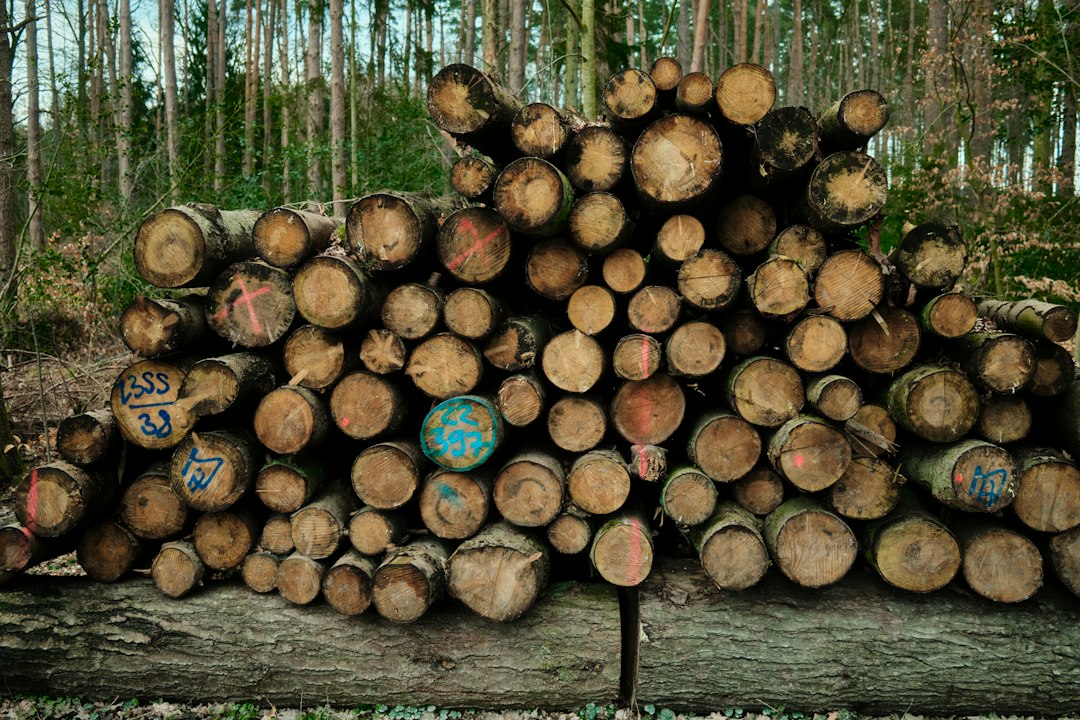
We select dense tropical hardwood. Density is the first lever. A denser log carries more carbon per piece, so it burns longer and holds heat better once it becomes charcoal. Soft, fast-grown wood makes light, fragile charcoal that burns out quickly and crumbles in the bag. This is why country of origin and species tell you more than a brand name does.
The wood is cut and loaded into the kiln. Then we heat it slowly and control the air. This is carbonisation, and it is the part that separates a real producer from a trader who buys whatever comes out of a village pit. Go too fast or too hot and you burn the wood to ash and lose yield. Go too cool or stop too early and you leave volatiles trapped inside. Charcoal with trapped volatiles smokes, smells, and pops when it hits a grill. That is the smell of an unfinished burn, and no packaging fixes it.
Carbonisation for dense hardwood is measured in days, not hours. We hold the kiln, we watch the smoke change colour as the water and then the volatiles leave, and we do not open until the burn is complete. Then comes cooling. You cannot pull hot charcoal into open air, because it will catch and turn to ash. So the kiln is sealed and cooled down before anything comes out.
The last step before grading is drying and stabilising the moisture. Charcoal is porous, and porous carbon pulls water out of the air. If it comes out of the kiln and sits in a humid warehouse, it drinks moisture back in, and wet charcoal is a problem you pay for twice: once in weight you did not want, and again in a fire that hisses instead of catching. We treat moisture as a control point, not an afterthought, and we explain why in charcoal moisture content and burn quality.
What Lump Charcoal Means For Your Order
This is the section most buyers actually need, so we will be plain. When you place an order for lump charcoal, five things decide whether the container that arrives is worth what you paid.
The first is species and density. Ask what wood it is. A producer who knows their supply can tell you. A trader often cannot, because they blend whatever is cheap that month, and a blend of soft and dense wood burns unevenly in the same bag.
The second is moisture content. Charcoal should be dry. Reputable producers keep moisture low and can state a figure. Wet charcoal is heavier, so if you buy by weight, you are paying charcoal price for water, and then that water fights your fire.
The third is piece size and consistency. Lump comes in grades. Large pieces suit long, steady cooks and are what restaurants running yakitori and robata setups usually want. Smaller and mixed pieces have their place too, and they often cost less. What you do not want is a bag sold as one grade that is really a bag of fines and dust with a few large pieces on top. We sort by grade on purpose, and the grades and their uses are set out in hardwood lump charcoal grades.
The fourth is fines and breakage. Every bag of lump has some small pieces. Handling and shipping break some carbon, that is physics. But a bag that is a third dust when it lands means the charcoal was fragile, or it was handled roughly, or it was old stock. Dense hardwood, carbonised properly, survives the journey better.
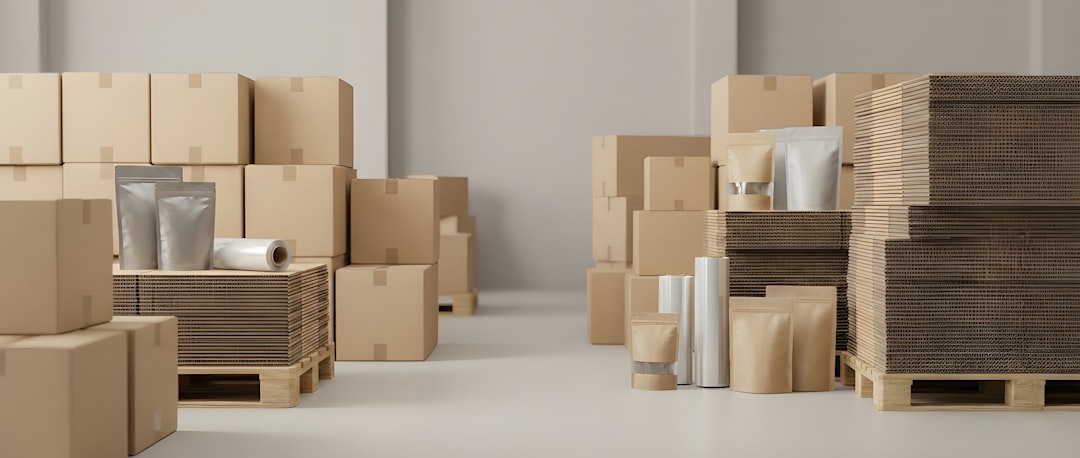
The fifth is packaging built for export. Charcoal that travels by sea for weeks needs packaging that keeps moisture out and holds the pieces without crushing them. We treat this as part of the product, not an add-on, and we go into detail in charcoal packaging for export. A beautiful grade of lump charcoal packed badly arrives as a bag of dust.
If you are working through these points for the first time, our full lump charcoal buyers guide walks a new importer through them in order, with the questions to ask a supplier before you commit to a container.
How Lump Charcoal Burns
Lump charcoal lights faster than briquettes because there is no binder to burn off first and the porous carbon takes flame quickly. Once it is going, it runs hotter. A bed of good hardwood lump will reach searing temperatures that many briquettes cannot match, which is exactly why serious grill cooks and restaurants reach for it.
The heat curve is different too. Lump comes up fast, peaks hot, and then tapers. Briquettes hold a flatter, longer middle because they are engineered to. This is why the right choice depends on the cook. For a hard sear on steaks, for a hot grill running service all night, lump is the tool. For a very long, low, unattended cook, some cooks still prefer the steadier plateau of a briquette, or they manage lump carefully with airflow. We break the technique down in how to choose bbq charcoal for low and slow.
Lump also produces less ash. Because there are no mineral fillers, most of the piece is carbon that turns to heat, and what is left at the end is a small amount of fine ash. Less ash means better airflow through the fire for longer and less cleanup, which matters a great deal to a restaurant clearing grills between services.
The one thing to know is that lump can spark and pop a little when it first catches, especially larger pieces with pockets. This is normal and short. What is not normal is heavy smoke, a chemical smell, or continuous spitting. Those point to trapped volatiles or moisture, which point back to production. A properly finished, properly dried piece of lump charcoal lights clean, settles into a grey ashed-over glow, and gives you heat with very little smoke.
Lump, Hardwood, and Binchotan
These words get mixed up, so here is how they sit together. Lump charcoal is a category defined by form: natural pieces, nothing pressed. Most quality lump is hardwood lump, meaning it is made from dense hardwood rather than soft or fast-grown timber. You can read more about the material itself on our hardwood charcoal page.
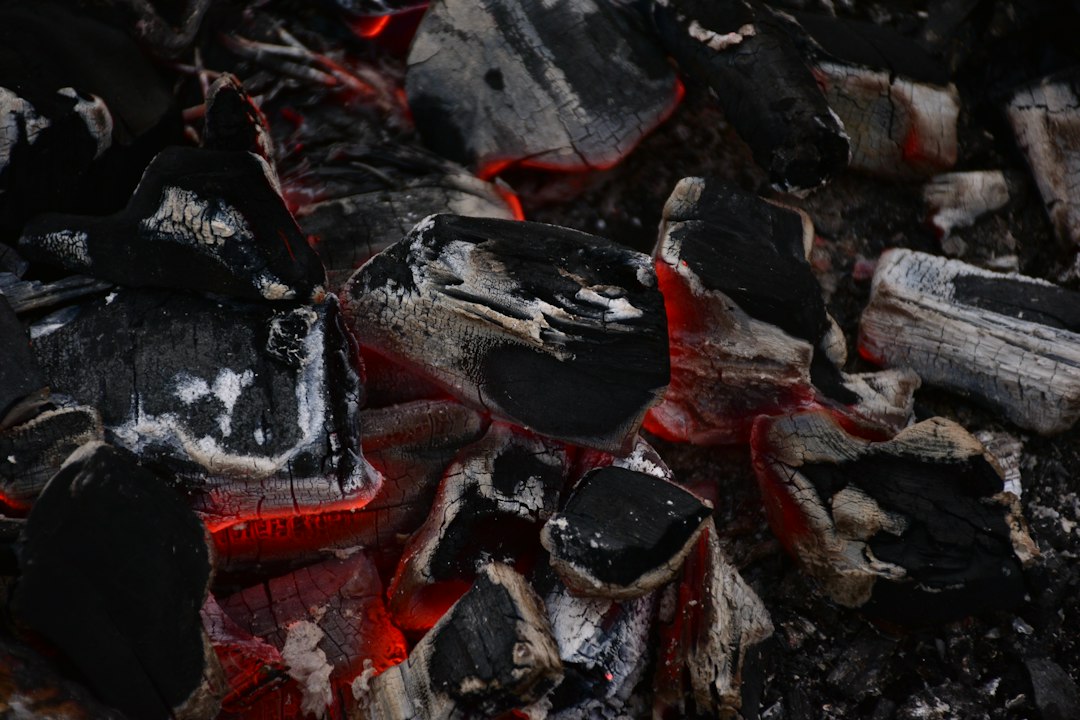
Binchotan is a specific type of charcoal, traditionally Japanese white charcoal, made from very hard wood and carbonised at very high temperature, then finished in a way that gives it a hard, almost metallic surface. It is technically lump, since it comes in natural pieces, but it is a specialised, premium product with its own burn behaviour: extremely long, extremely steady, very little smoke or smell. It is what many top yakitori and robata kitchens insist on. It is not the same as everyday hardwood lump, and it costs more for good reason.
So when a buyer says they want lump charcoal, we ask what they are cooking and who they are selling to. A backyard grill brand and a fine-dining robata counter both want lump, but they do not want the same lump. Getting that match right is most of our job.
Why It Comes Down to the Producer
Everything above lands on one point. Lump charcoal is a simple product with no ingredients to hide behind, and that simplicity is exactly why the producer matters so much. There is no recipe to adjust after the fact. There is only wood, heat, air, time, and drying. If any of those is wrong, the charcoal is wrong, and no label or bag fixes it.
A trading company buys finished charcoal and resells it, often without knowing the species, the kiln, or the moisture. A factory controls the wood coming in and the charcoal going out. That difference shows up in your fire. We explain what to look for in a supplier in charcoal factory versus trading company, and it is worth reading before you sign anything, because the same bag can pass through several hands and each hand adds cost without adding quality.
This is also why we are comfortable answering the plain question with a plain answer. We are not describing charcoal we bought. We are describing charcoal we made, from wood we chose, in kilns we run.
The Short Version
Lump charcoal is carbonised hardwood in natural pieces, with nothing added. It is made by heating dense wood in a kiln without enough air to burn it, holding that heat for days, cooling it sealed, and drying it before it ships. It lights fast, burns hot, and leaves little ash, and it varies more than briquettes because it is closer to the tree.
When you buy it, check five things: species and density, moisture, piece size and grade, fines and breakage, and export packaging. Match the grade to the cook, whether that is a hot restaurant grill, a backyard sear, or a premium binchotan counter. And know who made it, because with a product this simple, the producer is the quality.
If you are ready to talk grades, volumes, or private label, or you just want to see what a real producer's lump looks like, start on our lump charcoal page and send us the details of what you cook. We will tell you straight which grade fits.
Source it directly
Natural Lump Charcoal, factory direct.
Nothing added, nothing pressed, nothing hidden: lump charcoal is simply hardwood transformed by fire. Its quality depends entirely on the wood and the kiln, which is why ours starts in the forest.