Charcoal Grilling Tips From a Charcoal Producer
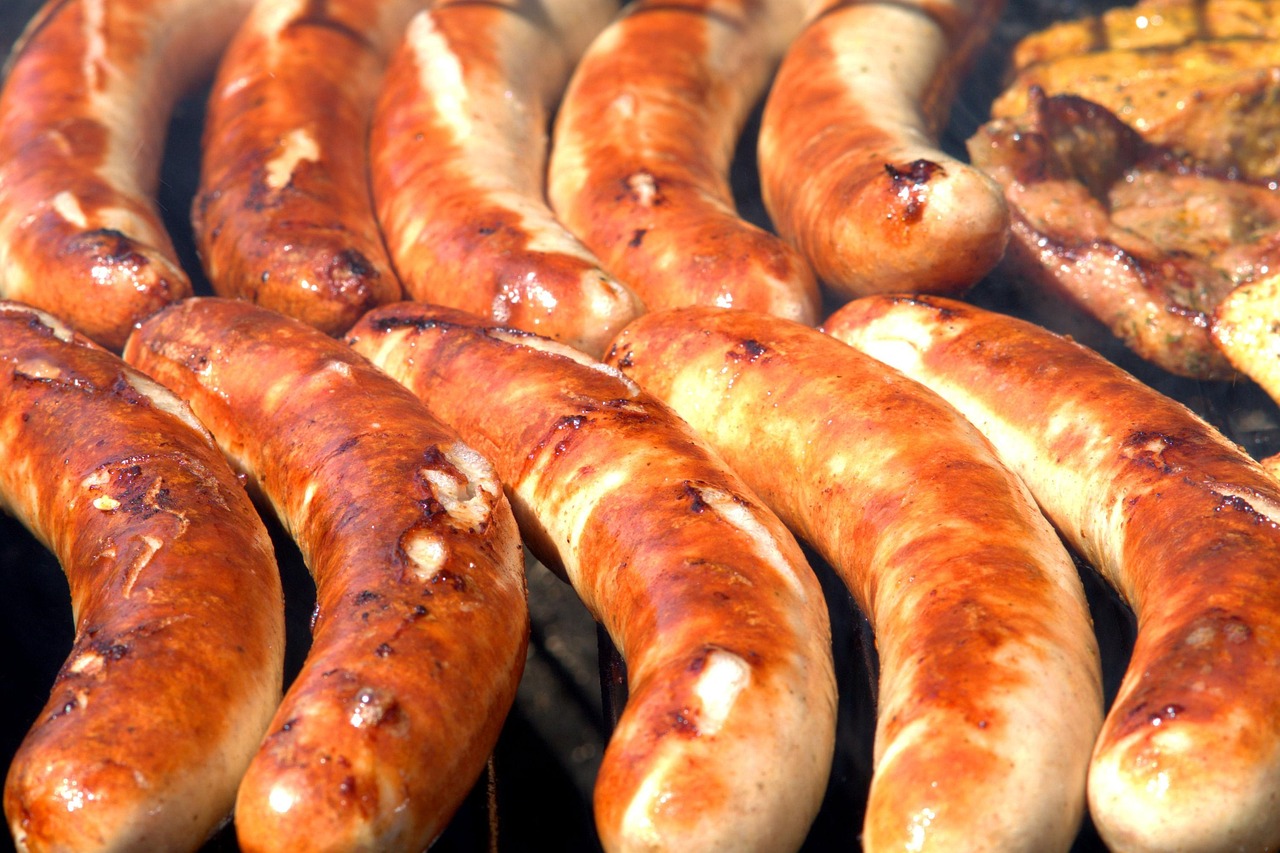
We make charcoal for a living. We fell hardwood, pack kilns, watch the burn for days, and carbonise wood until it holds the heat our buyers need. That work has taught us things about grilling that you cannot learn from the cooking side alone, and most of the best charcoal grilling tips come from understanding what the fuel is doing before the food ever touches the grate. This article is written for people who move charcoal in volume, importers, distributors, restaurant buyers, and private-label brands, but every point in it applies whether you are firing one grill or supplying a hundred restaurants. We will keep it plain. No tricks, no gadgets you do not need. Just what the fuel wants from you.
Grilling goes wrong far more often because of the charcoal than because of the cook. Wet product, the wrong grade, too little fuel, poor airflow, these are fuel problems, and they show up as weak heat, heavy smoke, and food that cooks unevenly. When you understand the charcoal, the grill becomes predictable. That is the whole point of the trade we are in: a predictable fire.
Start With The Charcoal, Not The Grill
Most grilling advice starts at the grill. We start one step back, with the lump or briquette in your hand, because the fuel decides almost everything that happens next.
Charcoal is wood with the water and volatile compounds cooked out of it. What remains is mostly carbon, and carbon burns hot, clean, and steady when it is dry and dense. The density comes from the wood species and from how long we hold the burn in the kiln. A dense hardwood lump will out-last and out-perform a light, fast-burning piece every time, and this is why species and grade matter more than any accessory you can buy.
If you are sourcing charcoal to resell or to cook with at volume, learn to read the product. Pick up a piece. A good hardwood lump feels heavy for its size, rings slightly when two pieces are tapped together, and leaves little dust on your hand. A poor piece feels light, crumbles at the edges, and comes packed with fines and powder at the bottom of the bag. Those fines are not charcoal you can grill with. They are waste you paid freight on.
Moisture is the other half of the story. Charcoal is porous and will pull water out of humid air if it is stored or shipped badly. Damp charcoal is the single most common reason a grill will not come up to heat. It lights slowly, throws grey smoke, and never settles into a clean bed of embers. We go into the detail of this in our note on charcoal moisture content and burn quality, and it is worth reading if you buy in bulk, because moisture is where margin quietly disappears.
So the first of our charcoal grilling tips is the least glamorous: buy dry, dense charcoal from a maker who controls the burn, and store it off the ground in a dry place. Everything after this is easier when the fuel is right.
Choosing The Right Charcoal For The Job
Not all charcoal is meant for the same cook, and matching the grade to the task is where buyers either save money or waste it.
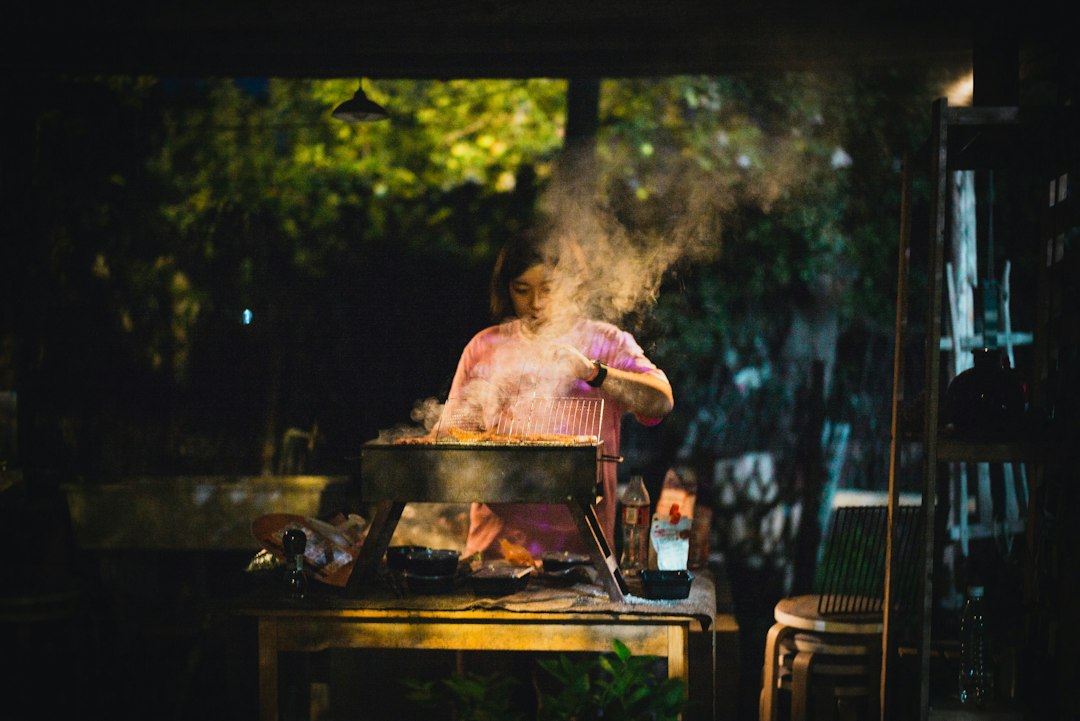
Lump charcoal is irregular carbonised hardwood. It lights fast, burns hot, and responds quickly when you open the vents, which makes it the natural choice for searing and for cooks where you want control over the heat from minute to minute. If your customers grill steaks, vegetables, and anything direct and fast, lump is usually what they want. Our lump charcoal pages walk through the grades we produce and who buys them.
Binchotan and white charcoal sit at the other end. These are extremely dense, carbonised at very high temperature, and they burn long, steady, and almost without smoke or flame. They are slower to light and they cost more, and that is the deal: you trade convenience for a clean, radiant heat that holds for hours. Yakitori counters, robata grills, and restaurants that cook in front of guests want this product precisely because it does not flare, does not smoke, and does not need babysitting.
Briquettes are a different animal again. Uniform in size, consistent in burn time, and easy to stack, they suit buyers who want predictability above peak heat. For long, steady cooks where even temperature matters more than fierce searing heat, a good briquette earns its place.
The point for a buyer is this: there is no single best charcoal, only the right charcoal for the cook your customer is doing. If you are not sure which grade fits your market, our guide on charcoal for grilling and which type to choose lays out the trade-offs without the marketing gloss. Get the grade right and most grilling problems disappear before they start.
Charcoal Grilling Tips, Step by Step
Here is how we would run a charcoal grill, start to finish, if you handed us the fuel and the food. These are the charcoal grilling tips we would give a new buyer who wanted to understand what their product can do.
Light enough charcoal. This is the mistake we see most. People light a thin scatter of lump and wonder why the grill will not sear. Heat comes from mass. A proper bed of glowing charcoal, deep enough to hold its temperature, is what gives you searing power and a long working window. Light too little and you are fighting the fire the whole cook.
Use a chimney starter, not lighter fluid. A chimney lights charcoal evenly with nothing but a sheet of paper and a few minutes. It costs little, it tastes of nothing, and it brings the whole load to temperature at the same rate. Lighter fluid lights unevenly and can leave a chemical note on the food. For lump specifically, we cover the method in how to light lump charcoal, and the same principle holds for almost every grade.
Wait for the charcoal to be ready. Freshly lit charcoal with black patches and visible flame is not ready to cook on. You want the bed to settle into an even grey ash coat with a steady orange glow underneath, and no raw flame. That is when the heat is clean and the smoke has burned off. Rushing this step is why food picks up harsh, sooty flavours. We wrote a full piece on how long to let charcoal burn before cooking for the people who ask us exactly how long to wait, because the honest answer is it depends on the grade and the quantity.
Build two zones. Bank most of the charcoal to one side and leave the other side with little or none. Now you have a hot zone for searing and a cool zone for gentle cooking or for moving food that is browning too fast. This one habit gives you more control than any vent adjustment, and it means a flare-up is never a disaster. You just move the food.
Manage the heat with airflow, not by adding fuel. Charcoal burns on oxygen. Open the vents and it burns hotter; close them down and it cools and slows. Learn to run the grill with the vents and you can hold a temperature for hours off a single load. Airflow is the throttle, and most people never touch it. For lump in particular, where the irregular pieces leave gaps that change how air moves through the bed, our note on lump charcoal grill airflow is worth the read.
Keep the lid in play. The lid is not just a cover. With the lid down and the vents set, the grill becomes an oven, circulating heat around the food and cooking it from all sides. Lid up is for direct searing and watching; lid down is for everything that needs to cook through. Knowing when to use each is half the skill of grilling.
Those are the core charcoal grilling tips, and none of them cost money. They cost attention. The fuel does the work; your job is to give it enough mass, enough air, and enough time.
Common Mistakes We Watch Buyers Make
We talk to a lot of buyers, and the same few problems come up again and again. They are worth naming because they are all avoidable.

Buying on price alone. Cheap charcoal is often cheap because it is light, damp, or full of fines, and it costs more in the end because your customers burn through it faster and complain about the heat. Price per bag is the wrong measure. Price per usable kilogram of dense, dry carbon is the right one.
Ignoring the fines. Every bag has some dust and small pieces. A good maker keeps that fraction low through careful grading and handling. If a shipment arrives half powder, you are paying ocean freight to import waste, and your customers are throwing away fuel they cannot grill with. This is a quality-control question, and it is why we screen and grade before packing. Our approach is set out in quality control, and it is the kind of thing a serious buyer should ask any supplier to document.
Storing it badly. Charcoal that sits on a damp warehouse floor or in a humid container will reabsorb moisture, and then even good product grills poorly. Keep it dry, keep it off the floor, and keep the bags sealed until use. Packaging matters here too, which is why export-grade moisture barriers are not an upsell, they are protection for the product you paid for. We cover this in charcoal packaging for export.
Using the wrong grade for the customer. A yakitori restaurant handed fast-burning lump will be frustrated, and a backyard griller handed expensive binchotan will not understand why it will not light quickly. Match the grade to the cook and the customer is happy. Mismatch it and the product gets blamed for doing exactly what it was made to do.
Underestimating consistency. A buyer can forgive charcoal that is not the hottest on the market, but they cannot build a business on charcoal that behaves differently from one shipment to the next. Consistency comes from controlling the wood supply and the burn, and it is the single thing that keeps restaurants loyal to a supplier. If a kitchen can set its grill the same way every service and get the same result, you have earned a repeat order.
What This Means For Your Order
If you are buying charcoal to sell or to supply kitchens, the grilling side and the sourcing side are the same conversation. The charcoal grilling tips above are really a specification in disguise, because they tell you what good fuel has to do.
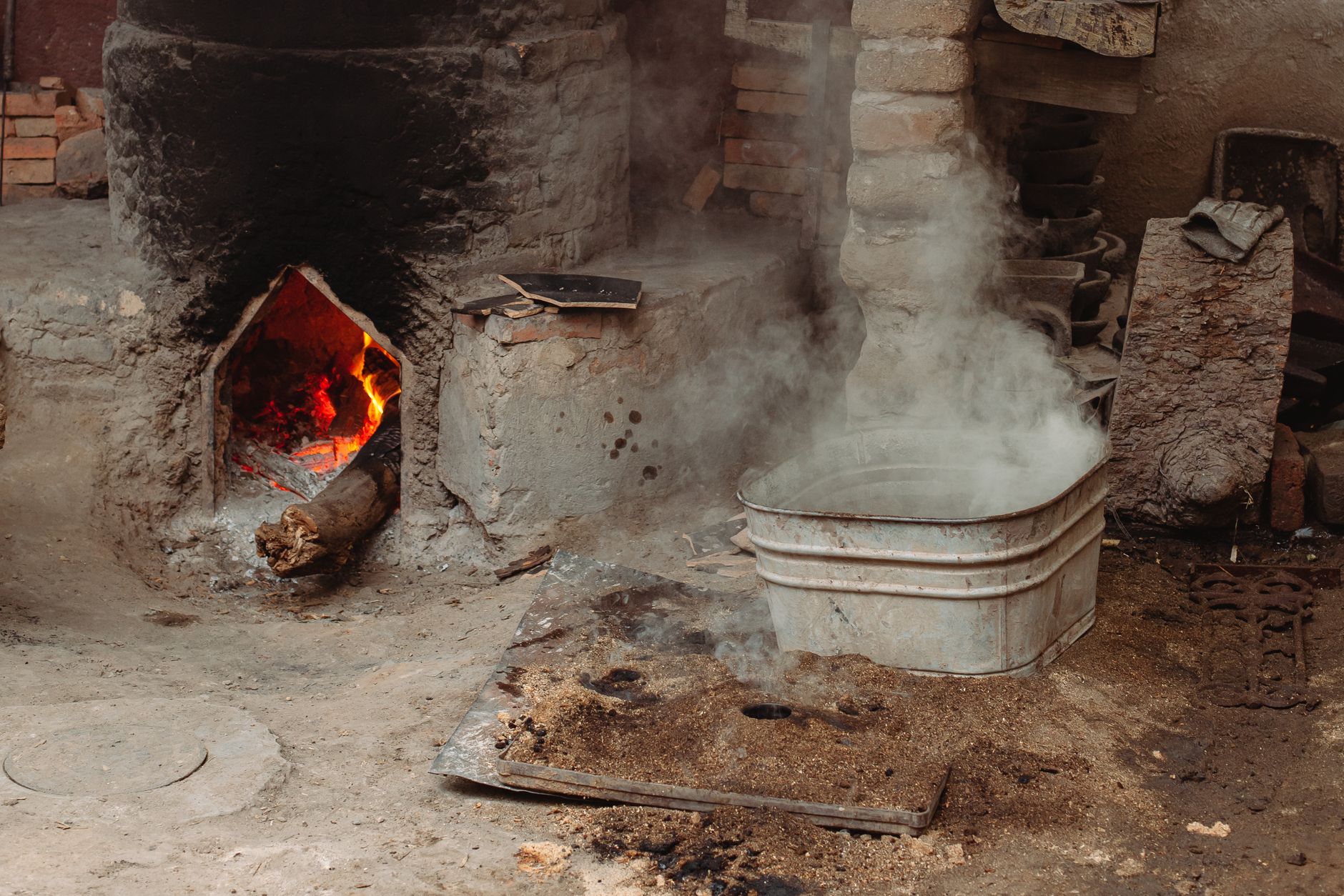
Your customers need charcoal that lights predictably, comes up to a clean searing heat, holds that heat long enough to finish the cook, and does it the same way every time. That specification points straight back to the factory floor: dry product, dense hardwood, controlled carbonisation, careful grading, and packaging that protects the burn quality all the way to the customer. A trader buying on the open market cannot promise that consistency because they do not control the burn. A maker can. The difference between those two sources is laid out plainly in our piece on the charcoal factory versus trading company question, and it is the first thing we would want a new buyer to understand.
This is also where private-label and OEM buyers should pay attention. If you are putting your own brand on charcoal, the grilling experience in your customer's garden or restaurant is your reputation, not ours. Getting the grade, the moisture, and the consistency right is what makes a brand people buy twice. We work with brands on exactly this through our private-label charcoal programme, matching the product to the market the brand is selling into.
For restaurant supply, the stakes are higher still, because a kitchen grilling through service cannot stop to troubleshoot a bad bag. They need fuel that behaves. Volume planning, grade selection, and reliable delivery all feed into whether a restaurant stays with you, and we deal with those buyers directly through our restaurant charcoal work.
Whatever you are buying for, the grilling and the sourcing meet at the hub of our charcoal range. If you want to see the grades, the burn characteristics, and which product fits which cook in one place, start at our BBQ charcoal page and work from there. That is where the choosing really begins, and where most of the questions in this article get answered against real product.
A Few Words On Smoke And Flavour
One last thing, because buyers ask about it often. Good charcoal should not taste of much. Clean carbonised hardwood burns to a clean heat, and the flavour on the food comes mostly from the food itself, from the fat rendering onto the embers, and from the sear. If charcoal is giving food a harsh, acrid taste, the usual causes are the same ones we have already covered: the charcoal was lit too recently and still had volatiles burning off, the product was damp, or it was a low grade full of bark and resin that never fully carbonised.
This is why we do not chase novelty flavours in the fuel. The cleanest grilling charcoal is the one that gets out of the way and lets the heat do the work. If a customer wants smoke, that comes from wood chunks added deliberately, not from charcoal that was poorly made. A well-fired lump or a dense binchotan should burn almost silent and almost scentless, and that cleanliness is a mark of quality, not a lack of character.
Recap
The short version of everything above: the fire is only as good as the fuel, so start with dry, dense, well-graded charcoal from a maker who controls the burn. Match the grade to the cook, lump for fast and hot, binchotan or white charcoal for long and clean, briquettes for steady and uniform. Light enough fuel with a chimney, wait for the bed to settle into even grey embers, build two heat zones, and run the grill with airflow and the lid rather than by piling on more charcoal. Avoid the common traps: buying on price alone, ignoring the fines, storing it damp, and mismatching the grade to the customer. Do these things and grilling stops being guesswork and becomes repeatable, which is exactly what a buyer needs it to be.
If you take one idea from this, take this: the best charcoal grilling tips are really sourcing decisions made early, and they show up every single time your customer lights a grill.
When you are ready to match the grade to your market, start at our BBQ charcoal hub and talk to us about what your buyers cook. That is where we can help most.
Source it directly
BBQ Charcoal, factory direct.
Serious BBQ needs charcoal that holds temperature through a long cook without flooding the food in smoke. Our hardwood BBQ charcoal is built exactly for that.