Best Charcoal for Grilling: How to Choose
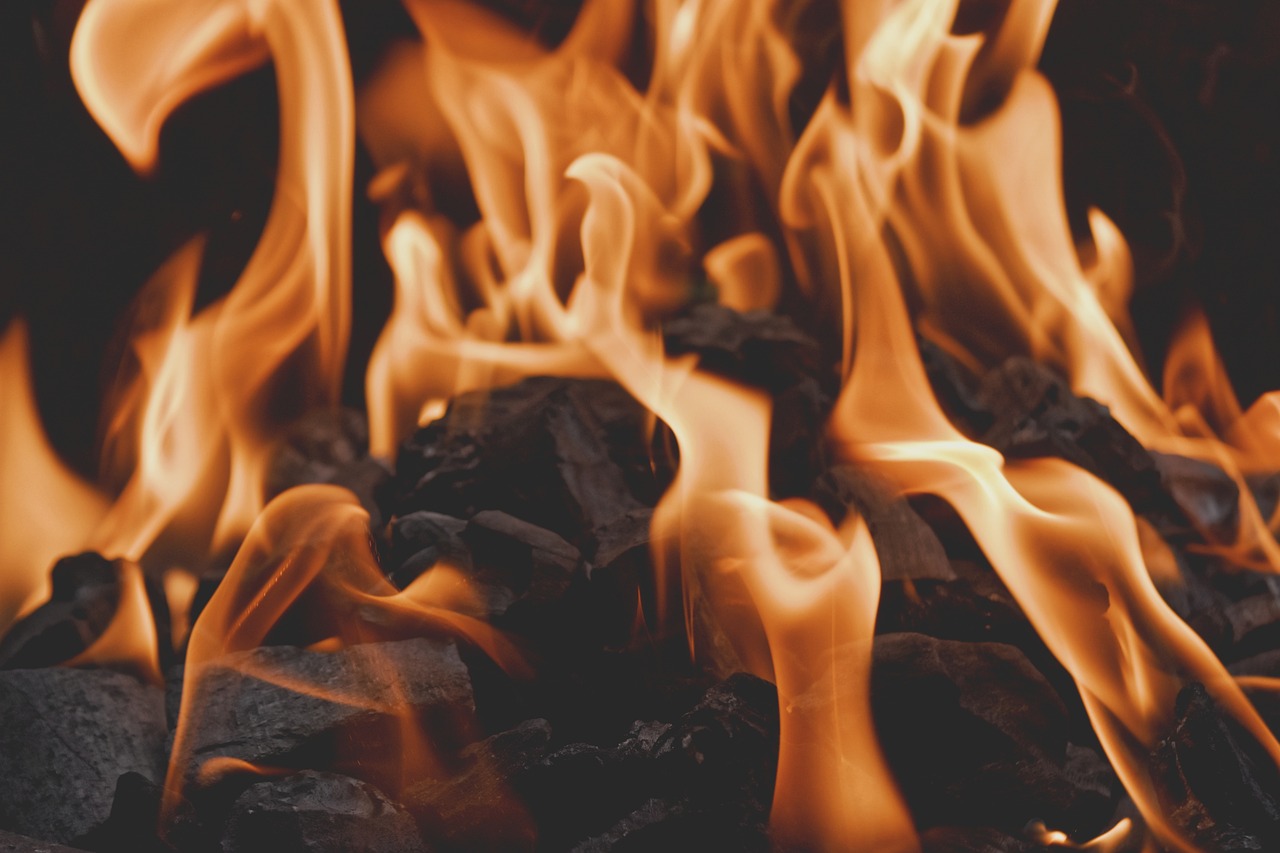
The best charcoal for grilling is not one product. It is the fuel that matches your grill, your cook time, and the food that goes over it. We fire kilns in Indonesia and ship charcoal to importers, distributors, and restaurant groups on five continents. Buyers ask us the same thing most weeks: which charcoal should we stock. This guide answers it the way we would answer on the factory floor, with the trade-offs laid out plainly so you can match a grade to your market instead of guessing. There is no single winner. There is a right choice for each buyer, and the difference between a good order and a bad one is knowing which questions to ask before the container ships.
Start With the Grill, Not the Charcoal
Charcoal does not perform in the abstract. It performs inside a firebox, under a grate, next to the food. So the first thing we ask a new buyer is what their customers cook on. A kamado ceramic, a Japanese konro, an open pit, a kettle, a restaurant robata: each one draws air differently and holds heat differently, and each one rewards a different fuel.
A ceramic cooker holds heat for hours and needs very little fuel to stay hot. It suits a dense, slow-burning charcoal that will not choke in a low-oxygen chamber. An open pit at a street stall is the opposite. It is all airflow and fast turnover, so it wants a charcoal that lights quickly and throws heat the moment it is lit. A konro grill built for skewers wants a fuel that burns clean and long at a steady temperature, because the chef is cooking for a full service and cannot stop to rebuild the bed.
If you sell into one of these markets, your charcoal choice is half decided before you look at a single sample. When a buyer tells us they supply kettle grills to a retail chain, we steer them somewhere very different than when they supply a chain of yakitori counters. The grill sets the brief. The charcoal answers it.
The Three Fuel Families That Matter
Most of what trades under the word charcoal falls into three families. Understanding them is the core of choosing well, and it is where most buyers either get it right or get stuck with stock they cannot move.
Lump Charcoal
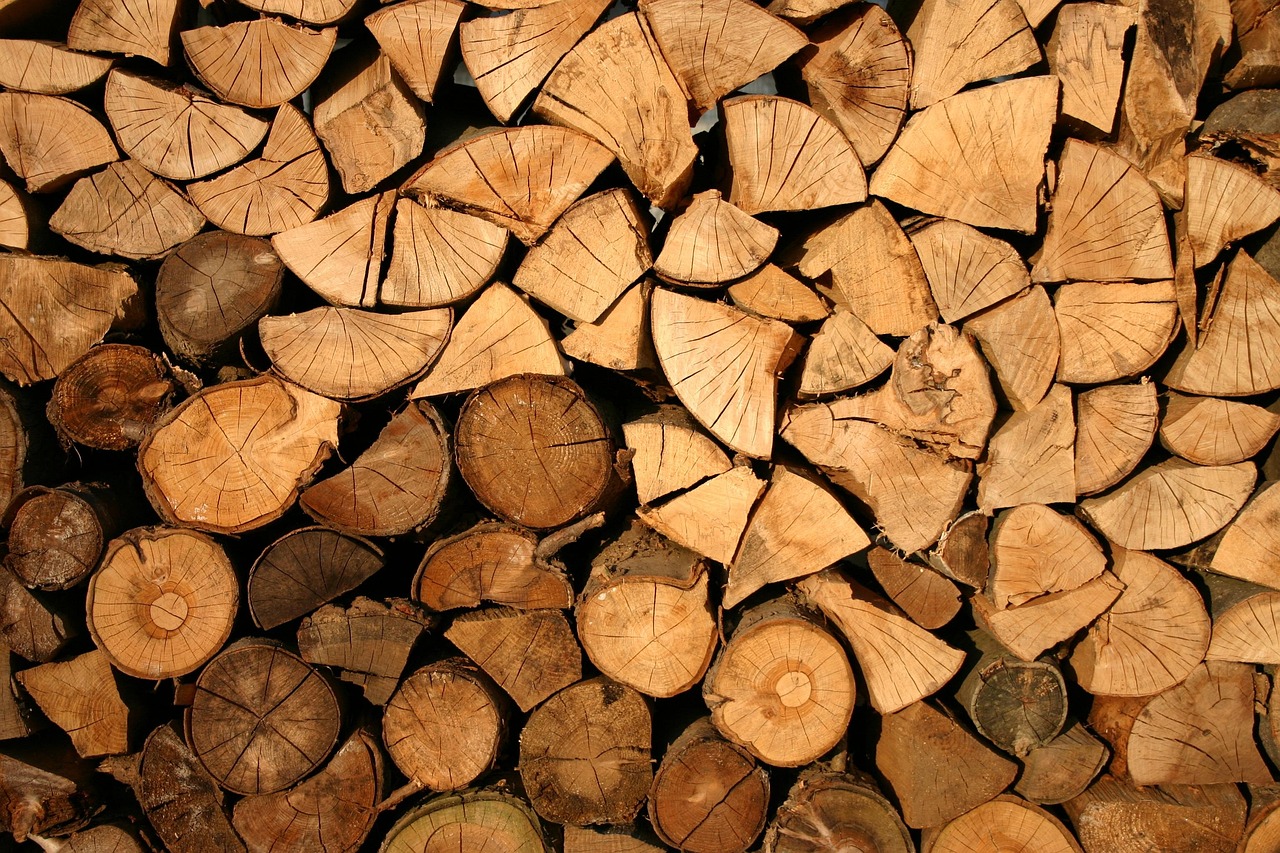
Lump is wood that has been carbonised and left in its natural broken form. It lights faster than almost anything else, it burns hot, and it gives food a clean flavour because there are no binders or fillers in it. The trade-off is consistency. A bag of lump holds large pieces and small fragments together, and the burn profile shifts as the fire works through different sizes. For grillers who want fast heat and natural flavour, lump is often the honest answer. Our full breakdown of what the format is and how it behaves sits on our lump charcoal page, and the buyer-facing detail on grading and sizing is covered in our lump charcoal buyer's guide.
Hardwood Charcoal
Hardwood charcoal is lump made specifically from dense tropical hardwoods rather than soft or mixed timber. Density is the whole point. A denser raw material carbonises into a harder, heavier piece that burns longer and hotter for its size. This is the category where Indonesian charcoal earns its reputation, because the hardwoods we work with carbonise into a fuel that holds heat far past what softer woods can manage. If you want the longer version of why the source wood changes everything, we wrote it up in what makes Indonesian hardwood charcoal different, and the format overview lives on our hardwood charcoal page.
Binchotan and White Charcoal
Binchotan is the high end. It is white charcoal, carbonised at very high temperature and finished in a way that leaves it almost metallic to the touch. It is hard to light, and that puts some buyers off. Once lit, it is the most controlled, longest-burning, cleanest-smelling fuel we make, which is why serious yakitori and robata kitchens will pay a premium for it and accept nothing else. It is not a mass-market grilling fuel. It is a specialist tool for chefs who grill for a living. If your market is restaurants, read what is binchotan charcoal; if you want to understand the price, binchotan charcoal price explained sets out what you are actually paying for.
What Best Charcoal For Grilling Means For Your Order
Here is where the phrase stops being marketing and starts being a purchasing decision. The best charcoal for grilling, for you specifically, is the grade that your customers will light successfully, cook on happily, and buy again. That is the only definition that survives contact with a real market.
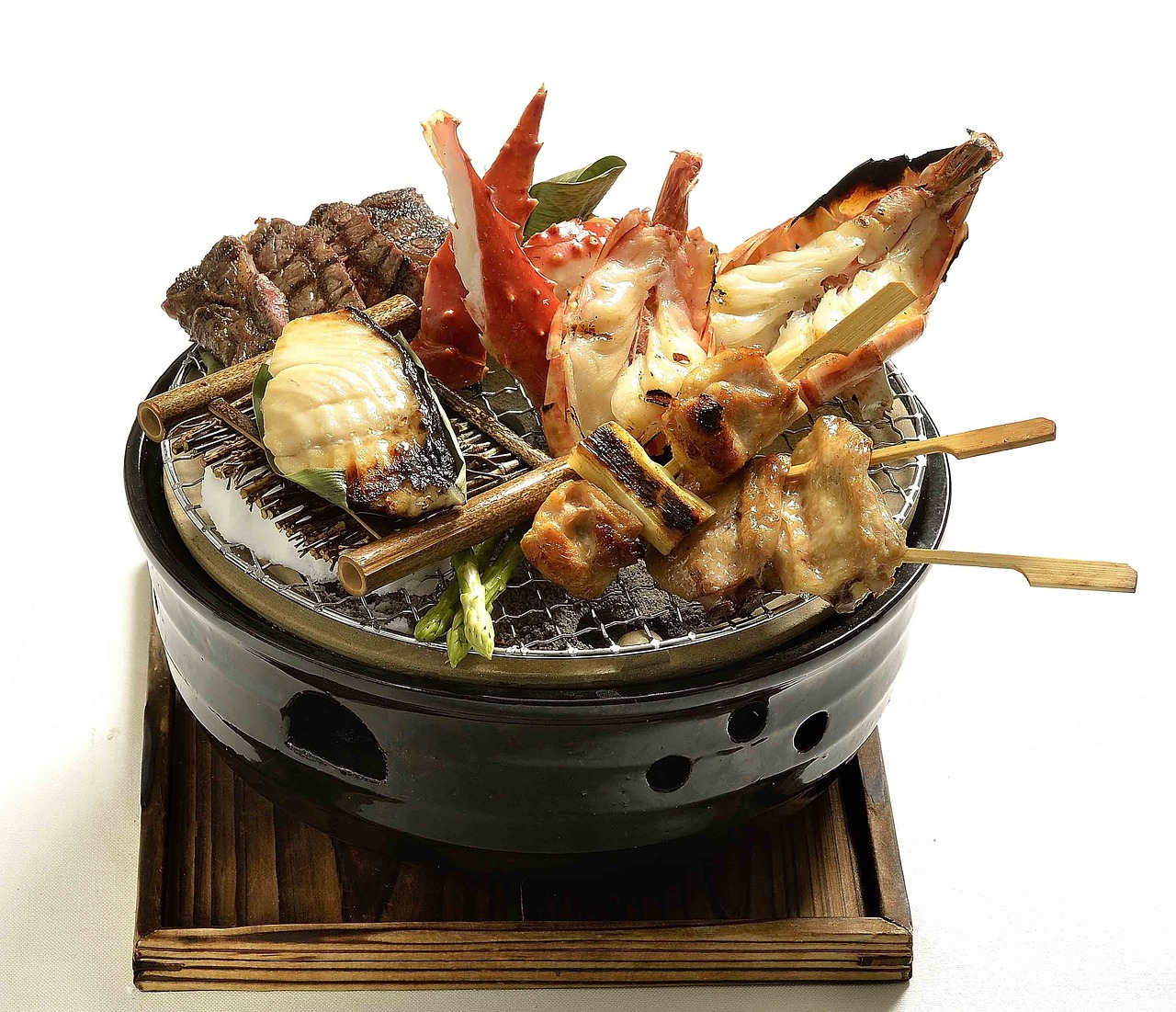
A retail buyer selling to weekend grillers needs a fuel that lights without fuss, because a customer who cannot get the fire going blames the charcoal and never buys the brand twice. A restaurant buyer needs a fuel that burns steadily through a long service, because a chef who has to rebuild the bed mid-shift loses money and patience. A private-label brand chasing a premium shelf position needs a fuel whose story holds up, because the label promises something the charcoal has to deliver in the firebox.
So when we talk about the best charcoal for grilling with a buyer, we are really asking three questions. Who lights it. What do they cook. How long do they need it to last. Answer those and the grade almost picks itself. Get them wrong and no amount of specification sheets will save the order, because the charcoal will be fighting the use it was sold into.
This is also why we are wary of any supplier who names a single product as the best for everyone. A trader moving whatever is cheapest that month has every reason to simplify. A factory that fires its own kilns knows the answer changes with the buyer, and will ask about your market before quoting. The difference between those two suppliers is worth understanding before you sign anything, and we laid it out in charcoal factory vs trading company.
Burn Time, Heat, and Moisture: the Specs That Decide It
Three measurable things separate good grilling charcoal from filler. Pay attention to these and you will rarely be surprised by a shipment.
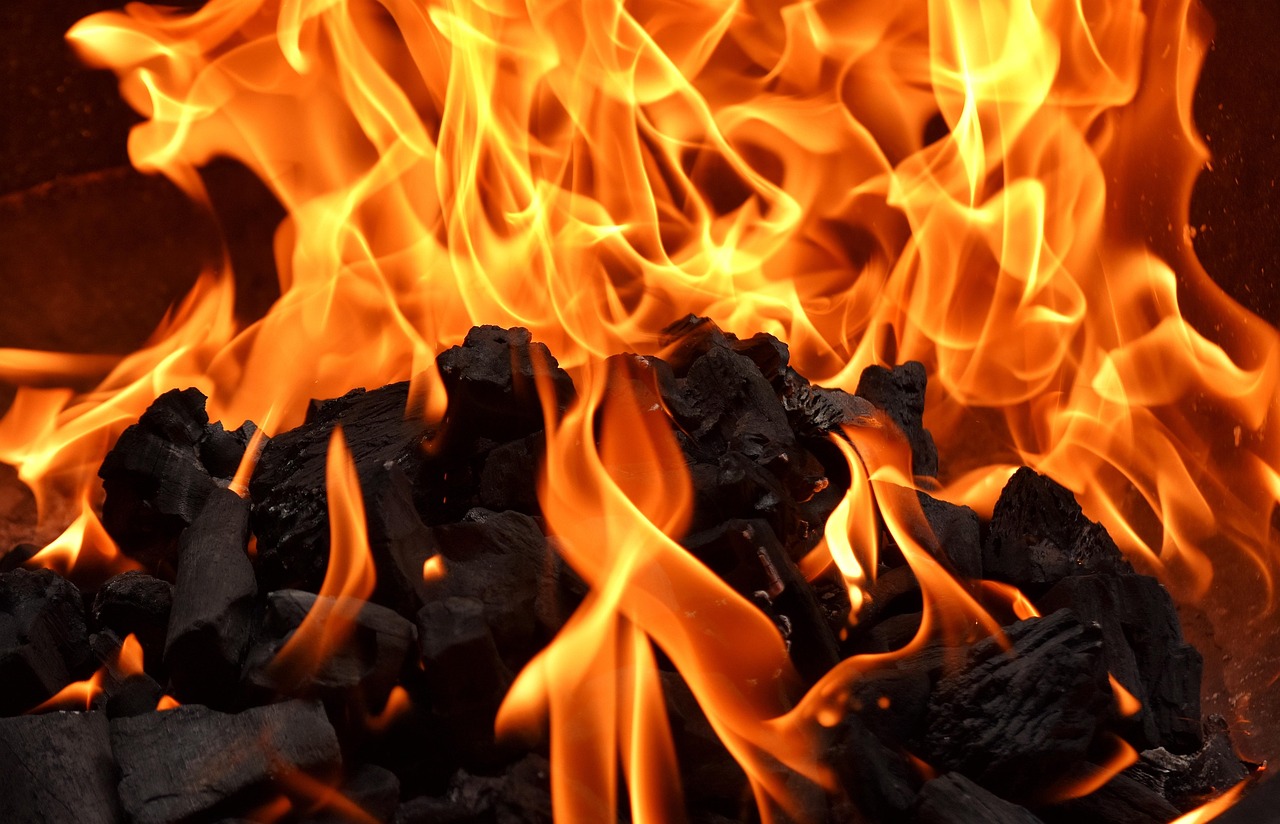
Burn time is the headline. Grillers and chefs both notice it, because it decides how often they rebuild the fire and how much fuel a cook consumes. Denser charcoal burns longer, which is why hardwood and binchotan outlast lighter lump. We explain the full picture in how long does charcoal burn, but the short version is that burn time tracks density, and density tracks the raw wood.
Heat is the second. A fuel that burns hot sears well and recovers quickly when you add cold food to the grate. For most grilling, hotter is better, within the limits the grill can take. There is a reason charcoal beats raw wood for cooking heat, and if a customer ever asks why, why charcoal burns hotter than wood answers it plainly.
Moisture is the quiet one, and it is the spec that catches out buyers who only look at price. Charcoal that carries too much moisture is heavier in the bag, which means you pay to ship water, and it burns poorly, with more smoke and less heat. Good charcoal is dried and tested before it leaves the kiln. We hold a tight moisture target because it changes everything about how the fuel performs, and we wrote up the link between the two in charcoal moisture content and burn quality. When you compare quotes, compare moisture figures, not just price per tonne. A cheaper charcoal that is ten percent wetter is not cheaper at all.
Ash is worth a line too. A clean-burning charcoal leaves little ash and no off smells. High ash means the raw material was poor or the carbonisation was rushed. It is one of the fastest ways to tell a careful kiln from a careless one.
Lump or Briquettes: an Honest Comparison
Buyers often arrive set on one format, so it is worth being straight about the choice. Lump and hardwood charcoal burn hotter, light faster, and taste cleaner, with no binders. Briquettes burn more evenly and more predictably for longer low-and-slow cooks, because they are a manufactured product cut to a uniform size, but they contain binders and burn cooler. Neither is better in the abstract. They serve different cooks. We set the two side by side in hardwood charcoal vs briquettes, and if your market leans toward long, slow cooking rather than hot grilling, how to choose bbq charcoal for low and slow covers that end.
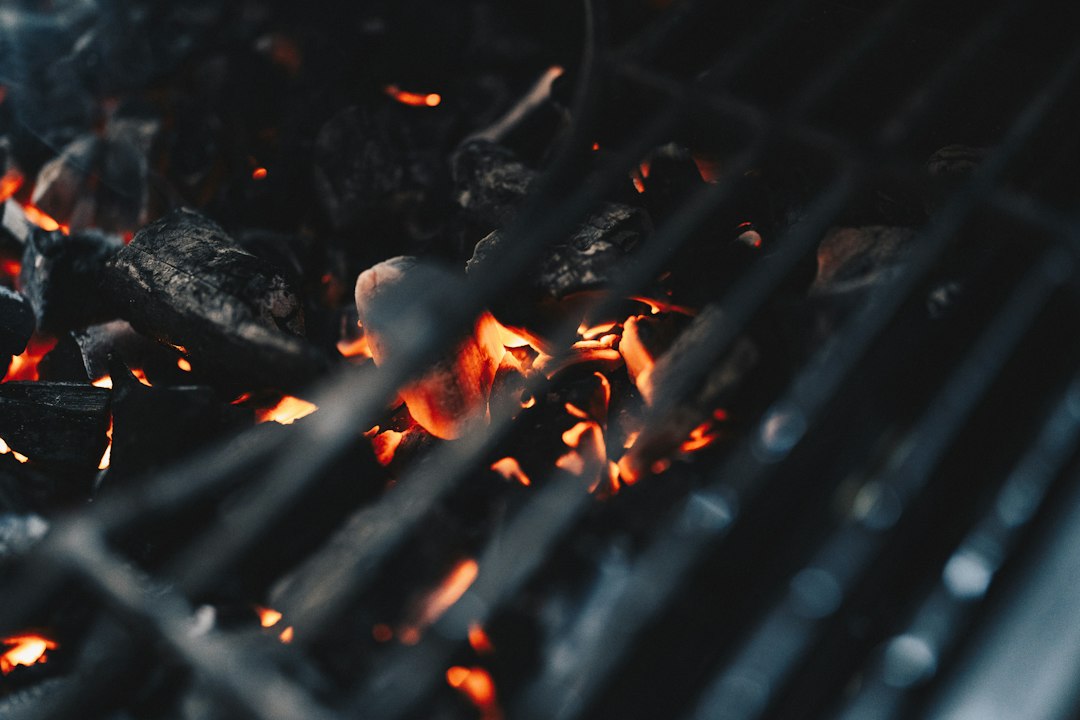
For most grilling, where people want heat and flavour and a quick light, we point buyers toward lump and hardwood. For buyers whose customers want a cheap, consistent, long-burning fuel and do not mind the binders, briquettes have their place. Know which customer you are serving and the format follows.
Size and Grading: the Detail That Travels Badly
Charcoal is sold by grade, and grade is mostly about piece size. Large, uniform pieces burn predictably and look premium in the bag. Smaller pieces and fragments light faster but burn through quicker. A good grading process separates these so the buyer knows what is in every sack, which matters enormously when the product crosses an ocean and lands in front of a customer who cannot send it back.
This is where quality control earns its keep. Size grading, moisture testing, and a check for unburnt wood and foreign matter all happen before packing, not after. We run those checks on every lot and document them, because a buyer importing a container cannot inspect it piece by piece and has to trust the paperwork. Our approach is set out on the quality control page, and the pre-shipment routine specifically is covered in charcoal quality control before shipping. If grading is loose at the kiln, the buyer inherits the problem at the far end of the supply chain, and there is nothing they can do about it by then.
Sourcing and Sustainability, Because Buyers Are Asked About It
More of our buyers field questions about where their charcoal comes from, from their own customers and from regulators. The honest answer starts with the wood. Charcoal made from responsibly sourced hardwood, carbonised cleanly, is a product you can stand behind. Charcoal made from mystery timber is a liability waiting to surface. We source from managed hardwood supply and can document it, which matters for buyers selling into markets with import rules on origin and legality. If this is part of your due diligence, start with sustainable charcoal and responsible sourcing and our sustainability page. A fuel that grills beautifully but cannot show its origin will eventually cost you more than it saves.
Matching the Grade to Your Business Model
How you sell changes what you should order, not just who cooks on it.
If you are a distributor stocking a range, carry more than one grade. A hot, fast lump for grillers, a long-burning hardwood for the serious cooks, and binchotan for the restaurant trade will cover most of a market between them. A single grade will always leave part of your customer base unserved.
If you are a restaurant buyer, buy for your service, not for a price break. The right binchotan or hardwood grade pays for itself in steady heat and fewer interruptions. We planned volume for restaurant groups before, and charcoal for restaurants and volume planning walks through how to size an order to actual covers rather than guesswork.
If you are building a private-label or OEM brand, the charcoal has to match the promise on the bag. A premium label needs a premium grade behind it or the brand will not survive its first reviews. We make charcoal under buyers' own brands and can match a grade to a positioning, and how to start a private-label charcoal brand and our private label charcoal page cover how that works from the kiln side.
Whatever the model, the deciding question is the same one we opened with. The best charcoal for grilling is the one your specific customer will light, cook on, and reorder. Everything else is detail in service of that.
Recap
The best charcoal for grilling is a match, not a product. Start with the grill your customer cooks on, because it sets the brief. Choose a fuel family that fits: lump for fast, hot, natural grilling, hardwood for longer and hotter burns, binchotan for restaurants that grill for a living. Check the three specs that actually decide performance, burn time, heat, and moisture, and treat a wet, cheap charcoal as the false economy it is. Insist on real grading and quality control before shipping, and make sure the sourcing story holds up, because your customers will ask. Then match the grade to how you sell, whether you distribute, run a kitchen, or build a label.
Get those decisions right and the charcoal does its job quietly, which is all a good fuel should do. If you want to see the grades we ship and work out which one fits your market, start at our BBQ charcoal hub and tell us what your customers cook on. We will point you to the right grade from there.
Source it directly
BBQ Charcoal, factory direct.
Serious BBQ needs charcoal that holds temperature through a long cook without flooding the food in smoke. Our hardwood BBQ charcoal is built exactly for that.