How Long to Let Charcoal Burn Before Cooking

Every buyer who tests our charcoal asks the same thing before they ask about price: how long to let charcoal burn before the food goes on. It is a fair question, and the honest answer is that it depends on what you are burning. A thin extruded briquette and a thick stick of binchotan do not reach cooking temperature on the same clock. This article lays out the real timing we see on the factory floor and at the grills of the restaurants we supply, so that when you light a sample you judge it correctly and do not blame good charcoal for a rushed light.
We make charcoal, we do not sell grills. So this is written the way we explain it to a distributor standing next to a chimney starter in our yard, not the way a marketer would write it. The numbers below are ranges, not promises. Your weather, your airflow, and your lighting method move them. But the logic holds across every batch we have shipped.
Why The Light Matters As Much As The Charcoal
Charcoal does not cook. The glowing carbon inside the charcoal cooks. When you light a fresh piece, the outside catches first and the core is still cold. If you put meat over charcoal that is only lit on the surface, three things go wrong at once. The heat is uneven because only part of the fuel is contributing. The temperature keeps climbing while you cook, so your early food and your late food see different grills. And the charcoal is still off-gassing, which puts a harsh, acrid smoke onto the food instead of clean heat.
Letting the charcoal burn in solves all three. The fire spreads to the whole bed, the temperature settles into a plateau, and the smoke turns thin and clean. That is the window you want to cook in. Everything in this article is about finding that window and knowing how wide it is for each fuel.
How Long To Let Charcoal Burn, By Fuel Type
Here is the part people search for, so here it is plainly. How long to let charcoal burn depends first on the fuel, then on the method. These are the ranges we quote to buyers, measured from the moment the charcoal is lit, not from the moment you strike the match.
Lump hardwood charcoal. Natural lump lights fast because it is irregular and full of edges and air gaps. Using a chimney starter, you are looking at ten to fifteen minutes until the top pieces show grey ash. Tipped into the grill and spread, give it another five minutes to settle. So figure fifteen to twenty minutes total before you cook. Our Indonesian hardwood lump sits at the quicker end of that because it is dense but well sized. You can read more about how that fuel behaves in our note on wood charcoal and how it burns.
Briquettes. Extruded and pillow briquettes are denser and more uniform, so they light slower and more evenly. In a chimney, expect fifteen to twenty-five minutes before the top is ashed over. The payoff for that wait is a longer, steadier burn once they are going. If you are weighing lump against briquettes for a particular customer, our comparison of hardwood charcoal versus briquettes covers the trade in detail.
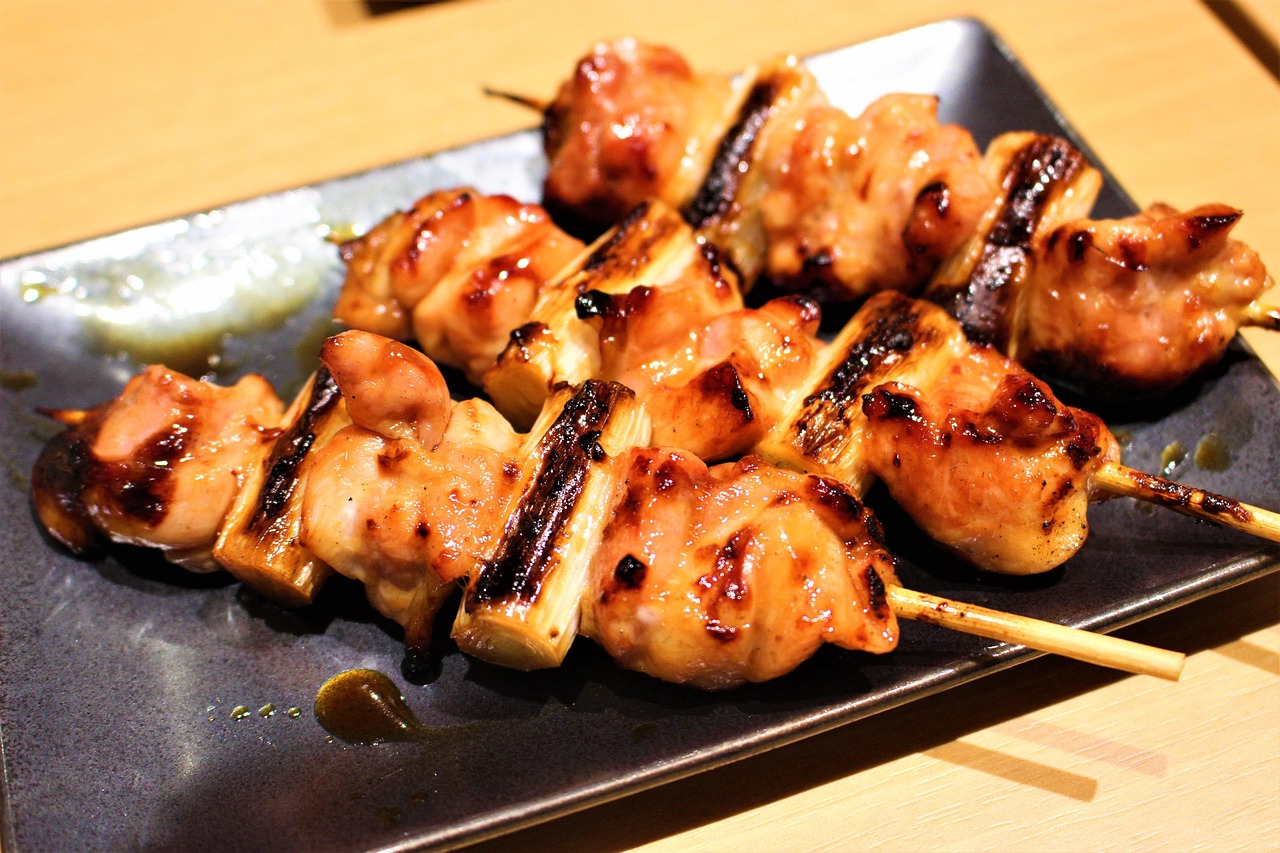
Binchotan and white charcoal. This is the one buyers get wrong most often. Binchotan is extremely dense, which is the whole point of it, and dense charcoal is slow to light. You cannot light binchotan with a bit of lighter fluid and a prayer. It wants a chimney, a gas burner, or a dedicated electric starter, and it wants time. Twenty to thirty minutes is normal, and a thick grade can take longer. Rush it and the stick lights on the outside, burns through, and dies, because the core never caught. When it is ready it glows evenly down its length with almost no visible flame. We wrote a full method in how to light binchotan charcoal, and it is worth following to the letter the first few times.
So the short version of how long to let charcoal burn is this. Lump, around fifteen to twenty minutes. Briquettes, twenty to twenty-five. Binchotan, thirty and sometimes more. If someone tells you all charcoal is ready in ten minutes, they have only ever burned one kind.
The Grey Ash Cue, And Why You Trust Your Eyes Over The Clock
Timing gives you a window to watch in. Your eyes close it. The single most reliable signal across every fuel is colour. Lit charcoal that is ready to cook over is covered in a layer of light grey ash. In daylight it looks dusty and pale. In the dark it glows orange underneath that grey skin. When roughly eighty per cent of your bed looks like that, you are cooking.
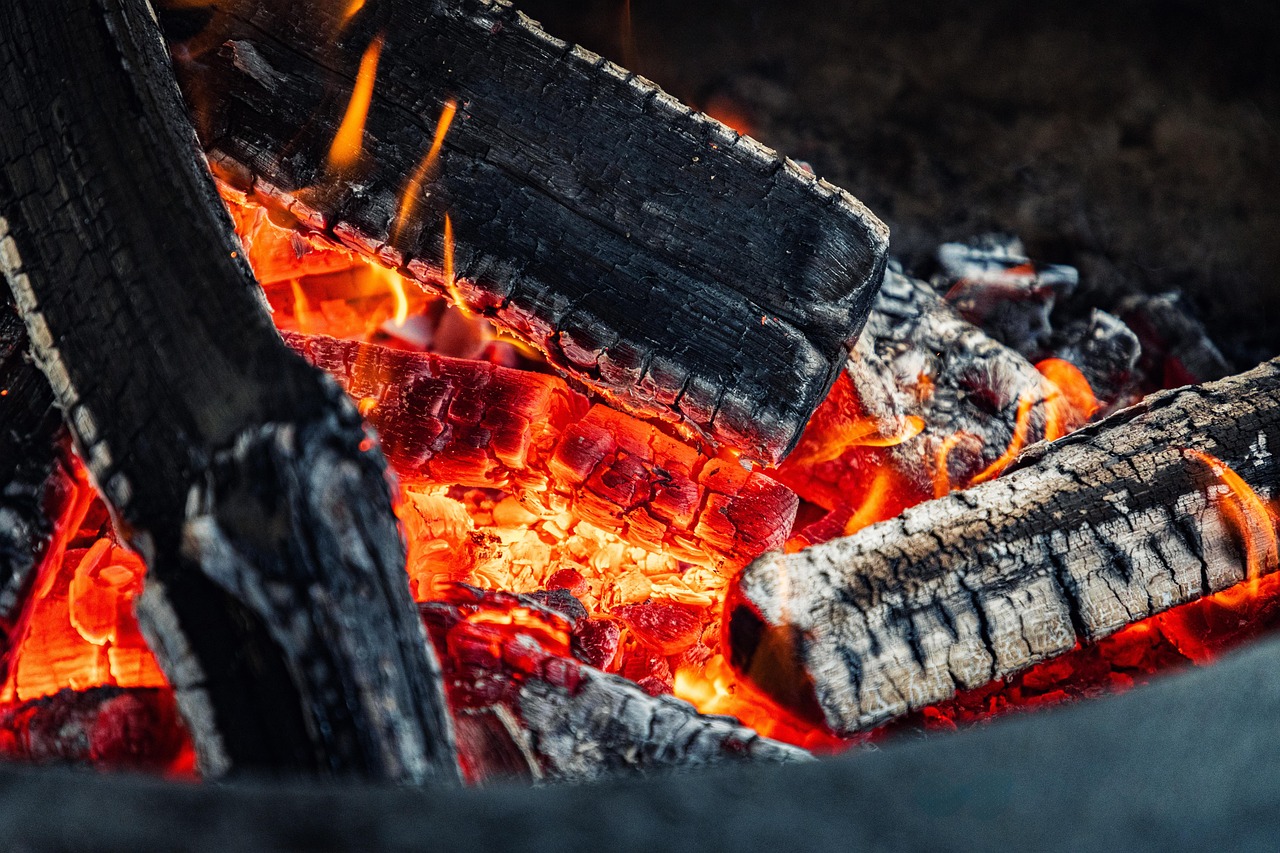
Before the ash, the charcoal is black with flames licking up and dark smoke coming off. That is the off-gassing phase. Food put on here tastes of soot. After full ash, if you wait too long with the vents wide open, the bed starts to grey out completely and collapse, and you have burned your heat into the air instead of into dinner.
A second cue is the smoke itself. Early smoke is grey-white, thick, and it smells sharp. Mature charcoal gives off almost no visible smoke, and what there is smells clean and faintly sweet. When the plume thins out and the smell turns from harsh to mild, the fuel is done gassing and ready.
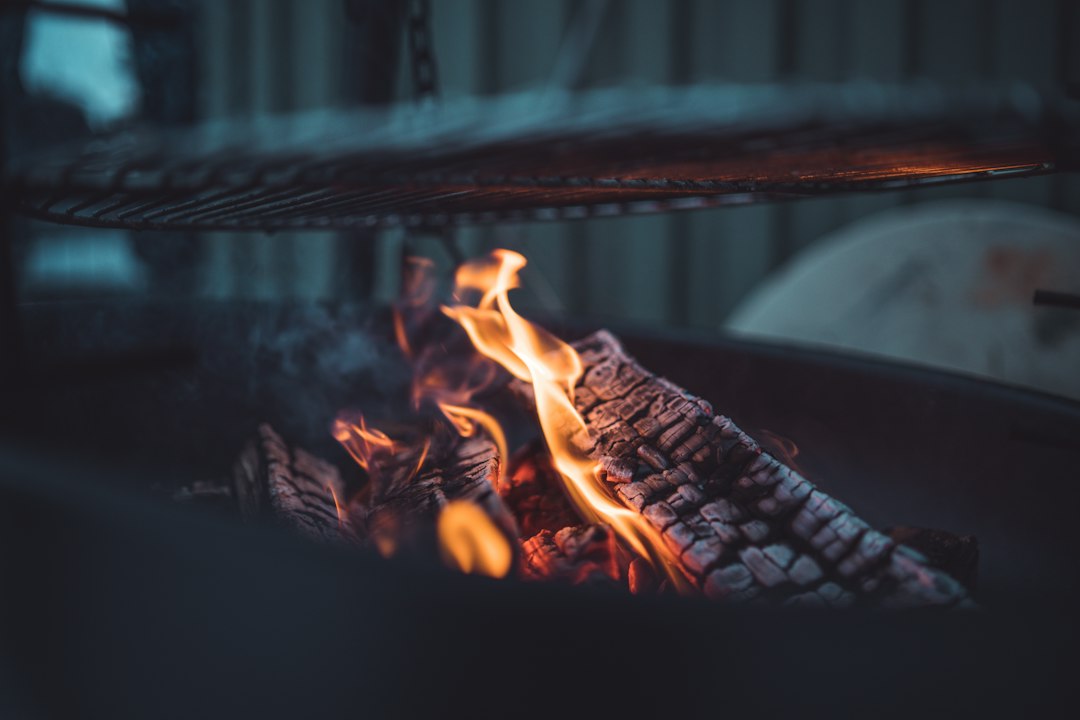
A third cue is the flame. Big yellow flames mean volatiles are still burning off. When the open flames die down to the odd flicker and the bed is glowing rather than flaming, that is your green light. Binchotan takes this furthest: a properly burned-in stick shows no flame at all, only an even glow and a shimmer of heat.
Teach your sample testers to use the eyes, the smoke, and the flame together, and the clock becomes a rough guide rather than a rule. That matters for you as a buyer, because it means a tester in a cold warehouse and a chef in a hot kitchen can both judge the same charcoal correctly even though their clocks read differently.
What Changes The Timing
The ranges above assume a sensible light on a normal day. Several things move them, and knowing which is which stops you from misreading a sample.
Lighting method. A chimney starter is the fairest and fastest way to light charcoal because it stacks the fuel in a column and pulls air up through it. Lighting a flat bed with cubes takes longer because the fire has to crawl sideways. Lighter fluid lights fast but adds its own smell and does not change how long the charcoal itself needs to burn in. We suggest buyers light every sample the same way each time so comparisons mean something.
Airflow. Charcoal is an air engine. Open the vents and it burns hotter and readies faster but dies sooner. Close them down and it is slower to start and lasts longer. If a sample seems slow, check the vents before you blame the fuel.
Moisture. Charcoal that has picked up damp in storage or in transit takes noticeably longer to light and burns cooler and dirtier until the water is driven off. This is one of the biggest hidden variables in the trade, and it is why we control moisture tightly in production and packing. If your sample is sluggish and smoky long past the normal window, suspect moisture first. We explain the whole relationship in charcoal moisture content and burn quality.
Piece size and density. Big dense pieces take longer than small light ones. This is simple physics, but it catches people out when they compare a fine lump against a coarse one and think the coarse one is faulty. It is not. It is just bigger.
Weather. Cold air, wind, and humidity all slow the start. A light that takes fifteen minutes in a still tropical yard can take twenty-five on a windy European winter afternoon. Build that into your expectations when you test shipped samples far from where they were made.
Why This Matters For An Order, Not Just A Grill
You are not reading this to cook dinner. You are reading it because you are deciding whether to put our charcoal in front of your customers. So here is why burn-in timing belongs in your buying decision.
Consistent timing is a quality signal. Charcoal from a controlled process lights and ashes over within a predictable window, piece to piece and bag to bag. Charcoal from a loose, mixed supply does not: one piece is ready in twelve minutes, the next is still black at twenty-five, and the end user gets a different grill every time. When you test a sample, note not just how long to let charcoal burn on average but how tightly the pieces agree with each other. That spread tells you more about the factory than the average does. It is exactly the kind of thing we check before a container leaves, as we describe in charcoal quality control before shipping.
Timing shapes the end user's experience, and that shapes repeat orders. A restaurant running a yakitori or robata service needs binchotan that is reliably ready at the same point every shift, because the kitchen builds its prep around it. A retail customer lighting a bag at home judges your brand in the first twenty minutes: if it lights clean and settles when the back of the bag says it will, they buy it again. If your private-label bag promises a fifteen-minute light and the charcoal inside needs twenty-five, that is a complaint and a lost reorder. Getting the stated timing right on the packaging is part of the product, not an afterthought.
Timing drives volume planning. If you supply restaurants, the burn-in window and the burn duration together decide how much charcoal a venue gets through in a service and how many relights they run. Underestimate it and you under-ship. We help buyers model this, and the logic sits in charcoal for restaurants and volume planning.
This is why we point buyers who are serious about grilling charcoal to our main BBQ charcoal page. It sets out the grades we make for the grill, what each one is suited to, and how they behave once lit, so you can match a product to how your customers actually cook rather than guessing from a spec sheet. If your customers lean toward low and slow cooking, where the burn-in window and the long steady phase matter most, the guide on how to choose BBQ charcoal for low and slow pairs well with it.
A Simple Routine For Testing A Sample
When a box of our charcoal reaches you, judge it the same way every time so your notes are worth something.
Light a fixed amount in a chimney starter, the same amount each test. Note the time you lit it. Watch for the top pieces to grey over and record that time. Tip the charcoal out, spread it, and give it five minutes to settle. Note when the bed is roughly eighty per cent ashed and the smoke has thinned. That span, from lit to cook-ready, is your real-world answer to how long to let charcoal burn for that product in your conditions.
Then do the same test twice more on different days, and compare. You are looking for three things: a sensible average within the ranges above, tight agreement between pieces, and clean smoke at the ready point. A charcoal that scores well on all three will not embarrass you in front of your customers, whatever your market. If you want a wider grounding in how grilling charcoal is judged, our charcoal grilling for beginners guide covers the fundamentals a tester should know.
Recap
How long to let charcoal burn comes down to fuel and method. Lump hardwood is usually cook-ready in fifteen to twenty minutes, briquettes in twenty to twenty-five, and binchotan in thirty or more. The clock points you at the window, but your eyes close it: cook when the bed is covered in light grey ash, the flames have died to a glow, and the smoke has turned thin and clean. Lighting method, airflow, moisture, piece size, and weather all move the numbers, so light every sample the same way and watch the cues rather than the stopwatch. For a buyer, consistent timing is a quality signal, a driver of repeat orders, and a planning input, which is why it belongs in your sourcing decision and not just on the grill.
If you are choosing charcoal for the grill, start at our BBQ charcoal page, then send us a note and we will match a grade to how your customers cook.
Source it directly
BBQ Charcoal, factory direct.
Serious BBQ needs charcoal that holds temperature through a long cook without flooding the food in smoke. Our hardwood BBQ charcoal is built exactly for that.