Japanese Charcoal Grill Types: Konro and Shichirin
A Japanese charcoal grill is a small, heavy cooker built to hold a bed of charcoal close under the food and nothing else. There is no lid, no gas burner, no electronics. The design dates back centuries and it has not changed much because it does one job well: it puts radiant heat from glowing charcoal straight onto skewers, fish, or vegetables. We run kilns in Indonesia and ship charcoal to restaurants and distributors who cook on these grills every service, so this article is written from that side of the trade. If you import, distribute, or private-label charcoal, you need to understand the grill your customers use before you can match the right product to it.
The two grills you will hear about most are the konro and the shichirin. People use the names loosely, and some suppliers treat them as the same thing. They are not. The difference matters when you are quoting charcoal to a buyer, because the grill decides the piece size, the burn time, and the smoke tolerance your charcoal has to meet. Get that wrong and the end user blames the charcoal, not the grill. Below we walk through both, then move to what each one asks of the fuel you sell.
What A Japanese Charcoal Grill Actually Is
Strip away the marketing and a Japanese charcoal grill is a firebox with an open top and controlled airflow underneath. The body is either diatomaceous earth, which is a soft mineral block cut and kilned into shape, or heavy ceramic, or a double wall of steel with insulation between the layers. The material is the point. It holds heat, radiates it evenly, and protects the bench or counter the grill sits on. A thin steel box would warp and scorch everything around it. A dense earthen body stays cool enough on the outside to touch while the inside runs at cooking temperature for hours.
Air enters through a vent or a row of holes low on the body, passes up through the charcoal bed, and leaves through the open top. The cook controls the fire by opening or closing that vent and by moving charcoal around the bed, not by turning a dial. This is why charcoal quality shows up so fast on these grills. On a kettle grill with a lid, you can hide a mediocre fuel behind trapped heat. On an open Japanese charcoal grill there is nowhere to hide. If the charcoal pops, smokes, or dies early, the cook sees it in front of the customer.
That open design is also why binchotan became the charcoal of choice for this style. We cover the product itself in depth on our binchotan charcoal page, but the short version is that binchotan is a white charcoal fired at very high temperature, dense and clean burning, with almost no smoke once it is lit. It was made for exactly this kind of grill.
The Konro Grill
The konro is the long, rectangular grill you see in yakitori bars and robata restaurants. Picture a trough: a narrow firebox, often two or three times longer than it is wide, with a grate or a pair of rails along the top. Skewers rest across the width so the food sits over the fire while the handles stay cool at the edges. A chef can run a row of chicken skewers down a single konro and work them in sequence, which is why the shape suits a busy service line.
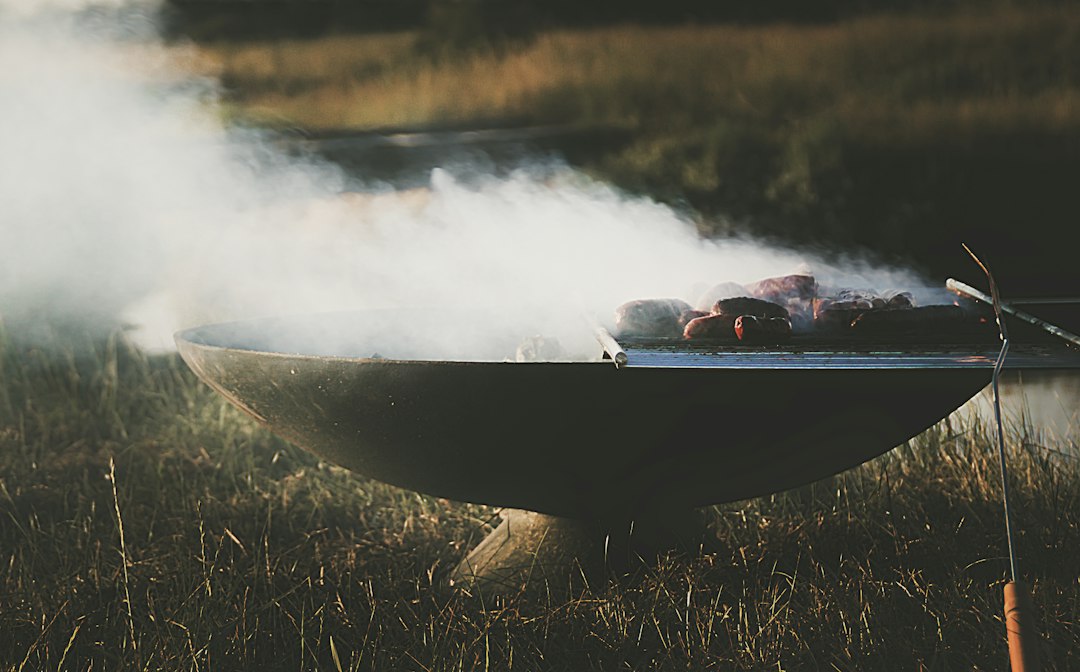
Most commercial konro are made from diatomaceous earth, either carved from a solid block or assembled from moulded sections. The walls are thick. The firebox is deep enough to hold a proper bed of charcoal but narrow enough that the heat concentrates on the strip of food directly above. Some konro come with adjustable air vents at the base; cheaper ones have a fixed opening. Restaurants often line them up side by side to build a longer cooking surface, so a konro you spec for a buyer rarely works alone.
The konro is built for long sessions. A yakitori shop lights the grill before service and keeps it running for hours, topping up charcoal as the bed burns down. That rhythm sets the demand on the fuel. The charcoal has to light to a steady glow, hold that glow with little attention, and not throw sparks onto a chef's hands or onto the food. It also has to burn clean, because there is no extraction hood doing the heavy work right at the grate. We go deeper into the konro in our guide to the yakitori grill, konro, and charcoal, which is worth sending to a buyer who is new to the format.
The Shichirin Grill
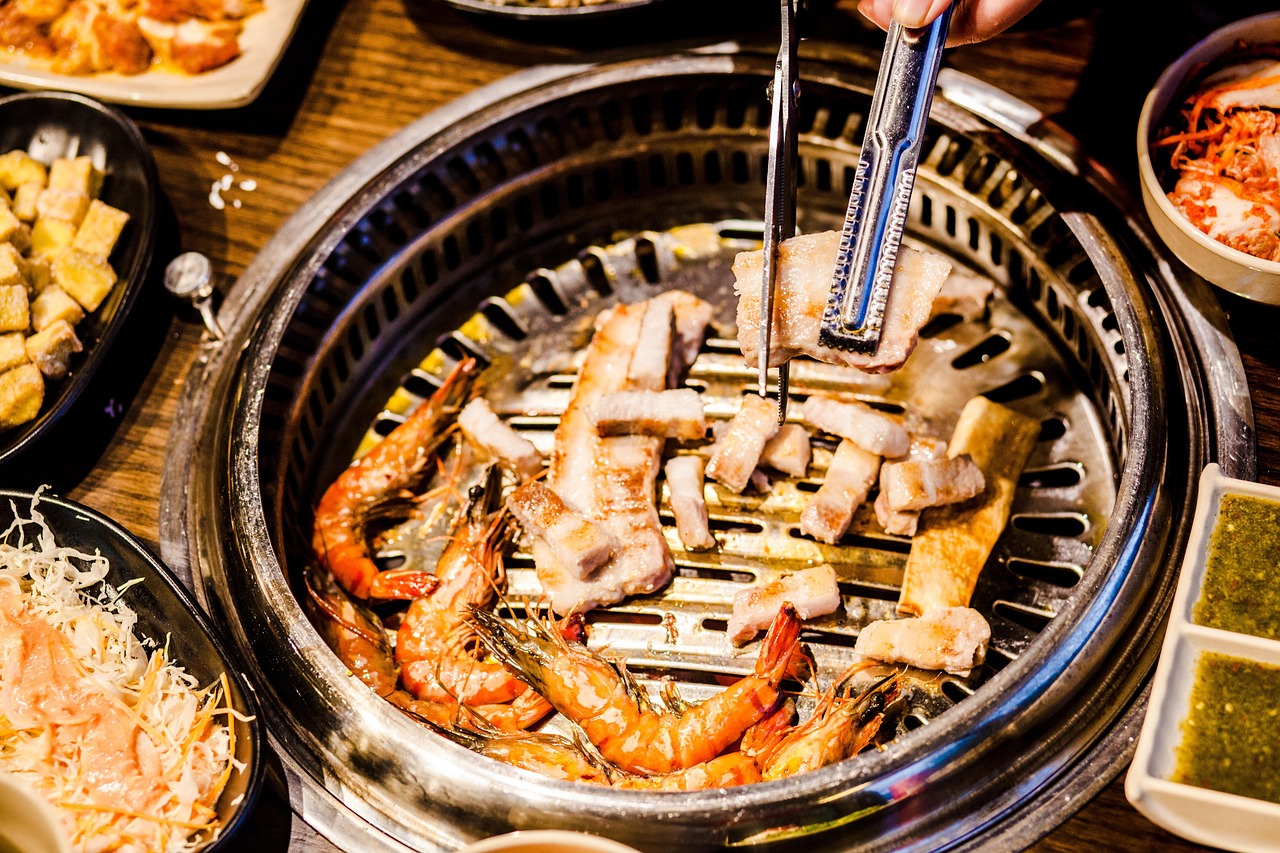
The shichirin is the smaller, often round or square single-serve grill. You will see it on restaurant tables where diners cook their own food, and in homes. It is the grill a customer pictures when they imagine Japanese tabletop cooking: a compact earthen pot with a grate on top, a vent on the side, and enough charcoal inside for one or two people.
Like the konro, the shichirin is usually diatomaceous earth or ceramic, chosen for the same reason: it holds heat and stays safe to sit beside on a table. The firebox is shallower and smaller. It holds less charcoal, which means it heats up faster but also burns through its fuel sooner. A shichirin is not designed to run a four-hour service. It is designed to cook a meal and then be refilled or put out.
Because the shichirin sits on a table next to people who are eating, the smoke and smell requirement is even stricter than on the konro. Any charcoal that smokes, spits, or gives off an odour ruins the experience immediately. This is the single most important thing to understand when you sell charcoal for a shichirin: the fuel is at the table, not behind a line. Binchotan earns its premium here. It lights to a quiet, nearly smokeless glow and stays that way.
The shichirin also forgives less on piece size. A konro has length to spread charcoal along; a shichirin has a small round bed. Oversized pieces leave gaps and cold spots. Undersized pieces and fines choke the airflow and die. The grade you ship has to fit the small firebox cleanly.
Konro Against Shichirin, Side By Side
Here is the practical comparison for a buyer deciding what to stock.
Size and setting
The konro is commercial and long. It lives on a professional line and runs through a full service. The shichirin is compact and personal. It lives on a table or a home counter and cooks a single meal. A distributor selling to restaurants will move more konro-grade charcoal by volume. A retailer selling to home cooks and tabletop dining will move shichirin-friendly pieces in smaller, neater packs.
Burn time demand
A konro needs charcoal that burns long and holds temperature with occasional topping up. A shichirin needs charcoal that lights reasonably quickly and burns clean for the length of a meal. Both favour high-density binchotan, but the konro buyer cares most about hours on the bed while the shichirin buyer cares most about a clean, controllable fire in a small space. If you want the numbers behind this, our note on how long charcoal burns lays out what density and piece size do to burn time.
Piece size and grading
Konro firebox: longer pieces and uniform rods work well because you spread them along the trough. Shichirin firebox: shorter, well-sized pieces that fit a small round or square bed without blocking the vent. Fines and broken bits hurt both, but they hurt the shichirin faster. Consistent grading is not a nicety here, it is the product.
Smoke tolerance
Both grills are open. Both punish smoky fuel. The shichirin punishes it hardest because it is at the table. This is why we steer tabletop buyers firmly toward clean white charcoal and away from cheap black lump with high volatile content.
What The Grill Means For The Charcoal You Order
Now the part that matters to your order sheet. The grill is the specification. When a buyer tells you they are selling for a Japanese charcoal grill, they are telling you the fuel has to clear a higher bar than fuel for a hooded kettle or an offset smoker.
First, density. The charcoal has to be dense and hard, fired hot enough to drive off the volatiles that cause smoke and spitting. That is what binchotan and good white charcoal deliver. Our white charcoal page explains how we get there in the kiln. Low-density, under-fired charcoal lights fast and dies fast and smokes in between. It is wrong for this grill.
Second, moisture. Charcoal that has picked up moisture in transit or storage will hiss, pop, and refuse to hold a clean glow. On an open grill that shows instantly. We control this from the kiln through to the pack, and we explain why it matters in our piece on charcoal moisture content and burn quality. If you are importing, this is one of the first things to check on arrival.
Third, piece size and consistency. The grill firebox sets the size. A konro wants length and uniformity. A shichirin wants neat, small pieces that fit without gaps. A load full of mixed sizes and fines will disappoint both. We grade to spec rather than shipping whatever comes out of the kiln, and we check it before it leaves, which we describe in our quality control process.
Fourth, smoke and smell. We have said it twice because it is the one that gets charcoal returned. Open grill, food close to the fire, often people close to the food. The charcoal must be clean. There is no sauce or lid to cover a bad fuel on a Japanese charcoal grill.
Lighting Charcoal For These Grills
Buyers new to binchotan sometimes complain that it is hard to light, then blame the charcoal. It is not a fault, it is the nature of a dense, high-fired product. Binchotan does not catch from a match or a squirt of lighter fluid, and you would not want it to on a grill where the food sits inches above the fire. It is lit on a separate burner or a chimney until it glows through, then transferred to the grill. Once lit it runs long and steady.
This is worth explaining to your customers up front, because the lighting method is part of the product experience. We wrote a full walkthrough in how to light binchotan charcoal that you can pass along or adapt for your own packaging and support material. A buyer who understands the lighting routine is a buyer who stays happy with the charcoal.
Specifying A Japanese Charcoal Grill Order For Your Market
Pull the threads together into a brief you can actually order against.
Decide which grill your market uses. Restaurants and yakitori lines mean konro, which means longer, uniform binchotan or high-grade white charcoal, bought in volume, with burn time as the headline. For restaurant planning at scale, our note on charcoal for restaurants and volume planning covers how to size an order so a kitchen never runs short mid service.
Tabletop dining and home retail mean shichirin, which means neat, smaller pieces, clean burn, and packaging that suits a shelf rather than a loading dock. If you are building your own label for that market, start with private label charcoal and our guide to how to start a private-label charcoal brand, because the grade and the pack have to match the end use from the first order.
Then set the spec in writing: species, piece size range, moisture ceiling, fines allowance, and smoke expectation. A real factory can meet a written spec and prove it on inspection. A trading company passing boxes along often cannot, which is the difference we lay out in charcoal factory versus trading company. The grill tells you the spec. The spec tells you the supplier you need.
Recap
A Japanese charcoal grill is an open, heavy-bodied cooker that puts radiant charcoal heat straight onto the food, with airflow as the only control. The konro is the long commercial trough built for yakitori and robata lines and long services. The shichirin is the compact tabletop grill built for a single meal close to the diner. Both demand dense, clean, well-graded charcoal, because an open grill hides nothing. The konro asks most for burn time and length; the shichirin asks most for a neat fit and a smokeless fire at the table. Match the grade and piece size to the grill, control moisture from kiln to pack, and set the spec in writing before you buy.
If you are sourcing charcoal for either grill, start with the product that was made for them. Read our binchotan charcoal page and send us your grill type and target market, and we will quote the grade that fits it.
Source it directly
Binchotan White Charcoal, factory direct.
Binchotan is the highest expression of the charcoal maker's craft: hardwood carbonized at extreme temperature, then smothered in ash to create a steel-hard, near-pure carbon fuel prized by the world's finest grill chefs.