Best Charcoal Briquettes: How Buyers Judge Quality

Most buyers ask us for the best charcoal briquettes and cannot tell us what that means for their order. That is not a criticism. It is the whole problem. A briquette that suits a Korean barbecue restaurant is the wrong product for a supermarket shelf in Germany, and both are wrong for a shisha lounge in the Gulf. So before we talk about ash content or burn time, understand this: quality is not one number. It is a set of measurements matched to how your customer actually uses the coal. This article is how we, as a factory that fires kilns every week, judge a briquette, and how you can judge ours without taking our word for it.
We make binchotan and hardwood lump for a living, and we also press briquettes. We are not here to tell you briquettes beat lump or the other way round. They are different tools. If you are still deciding between the two formats, read our note on hardwood charcoal versus briquettes first, because half the quality complaints we hear come from buyers who bought the wrong format, not bad coal.
What Best Charcoal Briquettes Means For Your Order
The phrase "best charcoal briquettes" only becomes useful when you attach it to an end use. A briquette is a pressed product. Someone took raw material, ground it, mixed it with a binder, pressed it into a shape, and dried it. Every one of those steps is a decision, and every decision moves the final product toward one use and away from another.
Here is how the same word splits into different specifications:
A restaurant buyer wants long, steady heat and low smoke. They will fire a chimney of coal and cook on it for hours. They care about burn time, consistent temperature, and low sparking. Ash matters, but heat stability matters more.
A retail buyer wants a bag that lights fast, smells clean, and does not embarrass the brand when a family uses it once a summer. They care about easy lighting, a tidy bag with little dust, and a burn that lasts long enough for one cookout.
A shisha or hookah buyer wants a cube that lights on a burner, holds heat under a bowl, produces almost no smell, and leaves very little ash. That is a narrow, demanding spec, and most general barbecue briquettes fail it.
An industrial or metallurgical buyer cares about fixed carbon and calorific value above all, and often does not care about shape at all.
So when you send us an enquiry, the useful version of "we want the best charcoal briquettes" is "we want briquettes for shisha in 25mm cubes, ash under a stated percentage, burn time over a stated number of minutes, packed for export humidity." That sentence we can quote against. The vague version we can only guess at, and a guess is how bad first orders happen.
The Numbers That Actually Separate Good From Bad
There are five measurements that decide most of it. Learn these and you can read any lab report a supplier sends you.
Fixed carbon
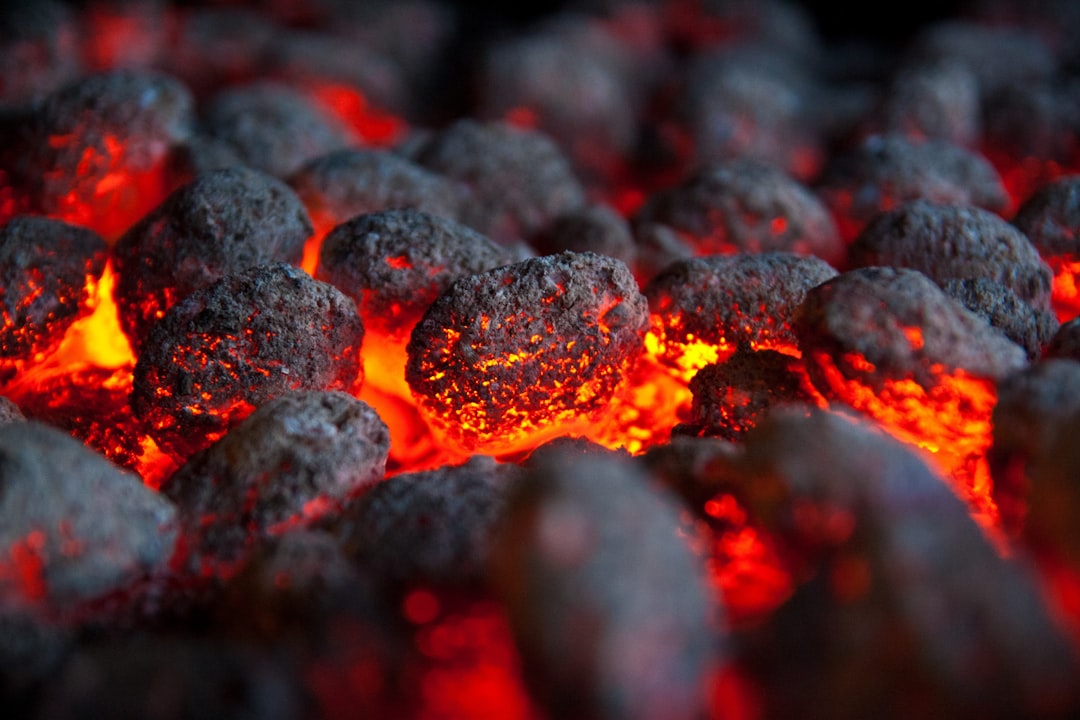
Fixed carbon is the fuel. It is the share of the briquette that is actual carbon left after you drive off moisture and volatile matter and set aside the ash. Higher fixed carbon means more heat and a cleaner burn. For good hardwood-based briquettes we expect fixed carbon in a healthy band, and we state it on the spec sheet. If a supplier will not put a fixed carbon number in writing, that tells you something before the sample even arrives.
Ash content
Ash is what is left when the briquette has finished burning. Low ash is a sign of clean raw material and honest production. High ash usually means one of two things: poor feedstock, or fillers pressed in to add weight cheaply. A restaurant hates high ash because the grill fouls and someone has to clean it mid-service. A shisha buyer hates it more, because ash under the bowl ruins the session. Ask for the ash percentage, then burn a sample and look at the pile that is left. The lab number and your own eyes should agree.
Moisture
Moisture is the quiet killer of quality, and it is the one buyers underestimate most. Wet briquettes are hard to light, they hiss and smoke, they give less heat because energy goes into boiling off water, and they can grow mould in a shipping container crossing the equator. We dry to a target and we test to it. If you want to understand why this single figure decides so much of your burn, we wrote it up properly in charcoal moisture content and burn quality. For export, moisture is not just a performance issue, it is a survival issue for the cargo.
Calorific value
Calorific value, or heating value, tells you how much energy is packed into a kilogram. It follows fixed carbon closely. It matters most to industrial buyers and to anyone comparing price per unit of heat rather than price per kilogram, which is the honest way to compare two coals.
Density and hardness
Density decides burn time and it decides how the product survives shipping. A dense, hard briquette burns slower and longer, and it arrives whole instead of as a bag of dust. A soft, under-pressed briquette crumbles in transit, and dust is a real cost: it is weight you paid for that your customer cannot use, and it is a complaint waiting to happen. Pick up a briquette, feel its weight, tap two together. A good one sounds solid. A bad one sounds hollow and sheds black powder on your hand.
Raw Material And Binder: Where Quality Is Won Or Lost
A briquette can only be as good as what goes into it. This is where most of the real difference lives, and it is the part a glossy bag hides best.
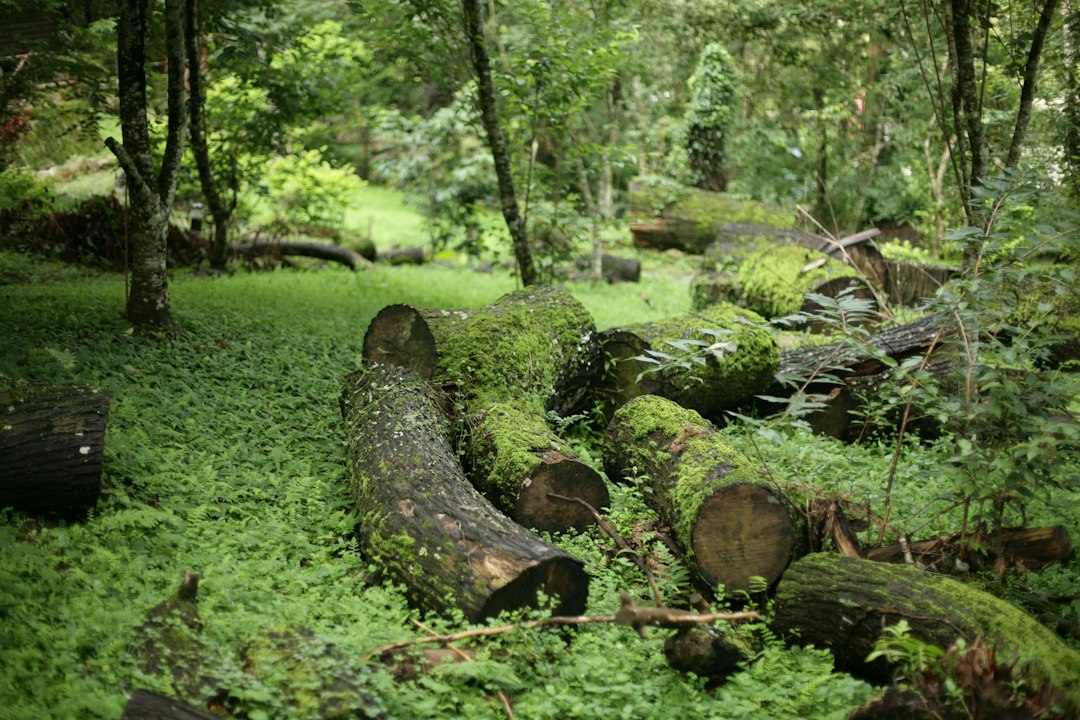
The feedstock is the base. Briquettes made from clean hardwood charcoal fines behave completely differently from briquettes made from mixed agricultural waste, coconut shell, or sawdust char. None of these are wrong by definition. Coconut shell makes excellent shisha coal. Hardwood makes excellent grilling coal. The wrong choice for the use, though, is a failure no amount of pressing can fix. If a supplier is vague about what the briquette is actually made from, treat that as the answer. We are happy to name our feedstock, and we explain the general question of what goes into these products in what charcoal briquettes are made of.
Then there is the binder. Pressed briquettes need something to hold the shape. A natural starch binder in a small, honest amount is normal and fine. The problem is the supplier who leans on cheap binder and filler to stretch thin feedstock. That is how you get a briquette that looks fine, weighs fine, and then burns fast, smells odd, and leaves a mountain of ash. The tell is always in the burn and in the ash figure, which is why we keep coming back to those two.
Our position is simple. We would rather quote you a slightly higher price on a briquette that is mostly carbon than win the order with a cheap one that comes back as a complaint. A first order that disappoints does not become a second order, and the export business only works on repeat orders.
How We Test Before A Pallet Leaves
Numbers on a spec sheet are a claim. Testing is the proof. Here is what actually happens on our floor before we release a briquette lot, and what you should expect any serious factory to do.
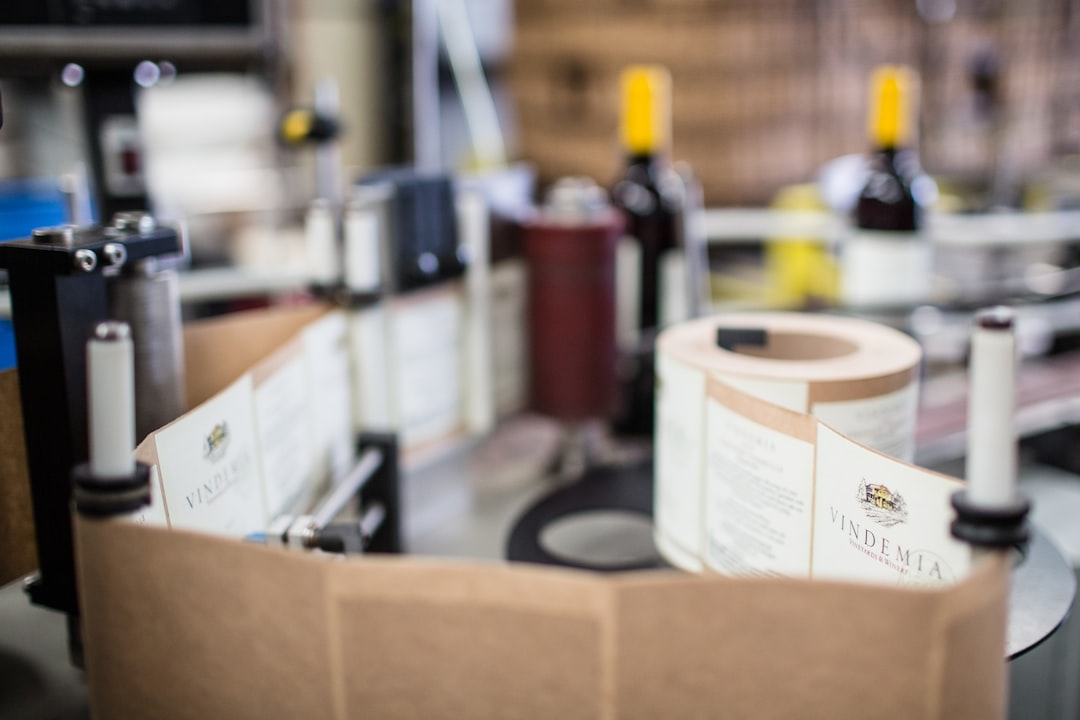
We sample every production batch, not once a month. We check moisture on the dried product against our target. We burn a sample and time it, because a burn-time claim you have never watched is just marketing. We weigh the ash. We do a drop test for hardness, because a briquette that cannot survive a fall off a table will not survive a sea container stacked six pallets high. And we look at consistency: are the briquettes the same size and shape, or is the batch a mix that will burn unevenly on a customer's grill?
This is ordinary discipline, not a favour. We walk through the whole approach in charcoal quality control before shipping, and our standing checks live on the quality control page. The reason we are open about it is that it is your defence too. When you place an order, you should ask for the batch test results, and you should ask for a pre-shipment sample from the actual lot, not a hand-picked showpiece. A factory that tests is a factory that will show you the tests.
Buying On A Sample, The Right Way
A sample is where you make your real decision, so do not waste it. When you get briquettes to evaluate, do not just light them and nod. Run them the way your customer will.

Light them with the method your market uses. If your customers use a chimney, use a chimney. If they use an electric burner, use that. A coal that lights beautifully with lighter fluid and refuses to catch on a burner has failed for a shisha buyer, no matter how good it looked in the bag.
Then time the useful heat, not the total burn. What matters is the window where the coal is at cooking or smoking temperature, not the last dying twenty minutes. Watch the smoke in the first ten minutes, because that is when a bad briquette betrays itself with acrid smoke and a chemical smell. Smell it. Good charcoal smells of clean wood and almost nothing else. Finally, sweep up the ash and look at it honestly against the ash figure you were quoted.
Do this with two or three suppliers at once, side by side, on the same day, on the same grill. Comparison against a control teaches you more in one afternoon than a month of reading spec sheets. If you want a fuller checklist for judging solid fuel, our lump charcoal buyer's guide covers the same testing habits applied to lump, and the discipline carries straight over.
Consistency And Packaging: The Part Buyers Forget
A brilliant briquette that arrives inconsistent, damp, or as dust is not a brilliant briquette anymore. Two things decide whether the quality you approved in a sample is the quality that reaches your warehouse.
The first is batch-to-batch consistency. It is easy to make one good batch. Making the same product for the twentieth container, at the same moisture, the same density, the same ash, is the actual test of a factory. This is why you buy the factory, not the sample. Ask how long the supplier has run this exact product and whether the spec has held across orders.
The second is packaging built for the journey. Charcoal crosses oceans in steel boxes that swing between hot days and cold nights, and that swing pulls moisture out of the container air and into anything that will take it. Packaging has to protect against that, and it has to protect against crushing. We treat this as part of the product, not an afterthought, and we explain the reasoning in charcoal packaging for export. If you are planning steady volume for restaurants, plan the packaging and the reorder cadence together, the way we lay out in charcoal for restaurants and volume planning.
Factory Or Trader: Ask Who You Are Actually Buying From
One last thing shapes quality more than any single measurement: whether you are buying from the people who made the coal or from a middleman who bought it. A trader can sell you a good first container and a different, worse one next time, because they are sourcing wherever the price is lowest that month. A factory owns the process, so a factory can hold a spec. Neither is dishonest by nature, but they carry different risks, and you should know which one you are talking to. We laid out the difference plainly in charcoal factory versus trading company. If you are building a private label charcoal brand, this matters even more, because your name goes on the bag, not ours.
Recap: A Short Checklist For Buyers
The best charcoal briquettes are not a single product. They are the right product measured against your customer's actual use. Judge them like this:
Match the spec to the use first: restaurant, retail, shisha, or industrial each want a different coal. Read the five numbers that matter: fixed carbon, ash, moisture, calorific value, and density. Ask what the briquette is made from and refuse vague answers. Demand batch test results and a sample from the real lot. Burn the sample the way your customer will, side by side with a competitor. Confirm the packaging is built for a humid sea crossing. And check whether you are buying from a factory that can hold a spec or a trader who cannot.
Do that, and "we want the best charcoal briquettes" stops being a wish and becomes an order you can verify. If you want to compare formats before you commit to briquettes at all, start at our lump charcoal hub, then send us your end use and we will quote against it, numbers and all.
Source it directly
Natural Lump Charcoal, factory direct.
Nothing added, nothing pressed, nothing hidden: lump charcoal is simply hardwood transformed by fire. Its quality depends entirely on the wood and the kiln, which is why ours starts in the forest.