Natural Lump Charcoal: What the Label Should Mean
Walk onto our factory floor and you will see stacks of raw hardwood waiting for the kiln, and you will see finished charcoal being graded by hand before it goes into bags. The word that sits on most of those bags is "natural." It is a word buyers trust and a word some sellers stretch. When you order natural lump charcoal, you are paying for a specific promise: wood that has been carbonised and nothing else. No coal dust pressed into shape, no binders, no accelerants, no filler. This article explains what the label should mean, why the meaning matters to your burn and your margin, and how you can check a claim instead of taking it on faith.
We fire kilns for a living, so we will keep this plain. A marketer will tell you charcoal is charcoal. A person who loads the kiln knows that is not true.
What Natural Lump Charcoal Actually Means
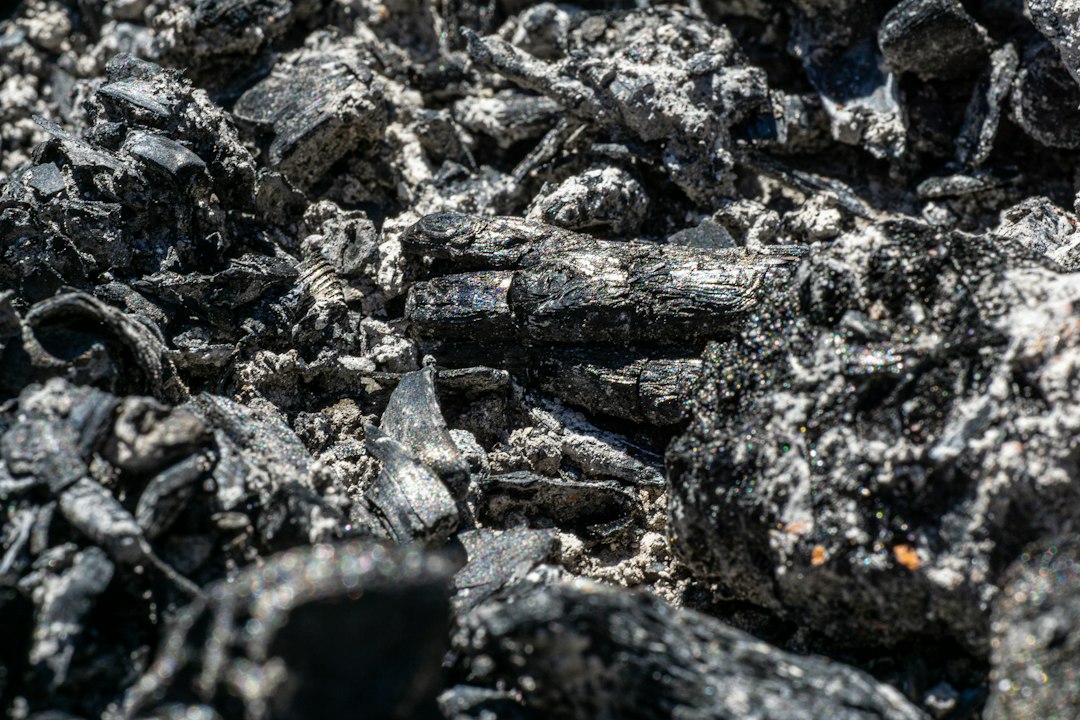
Start with the wood, because everything else follows from it. Lump charcoal is made by heating wood in a low-oxygen kiln until the moisture and volatile compounds are driven off and what remains is almost pure carbon. When that process is done to whole pieces of hardwood and nothing is added, you get natural lump charcoal. The lumps keep the shape of the branch or the split they came from. You can still see the grain. You can see the bark line on some pieces. That is not a defect. That is the evidence that you are holding carbonised wood and not a manufactured brick.
The word "natural" is doing real work in that sentence, and it is worth breaking down.
Natural means single-origin wood. One species, or a controlled blend of dense tropical hardwoods, not scrap timber of unknown type swept off a mill floor. Species controls density, and density controls how long a lump burns and how hot it gets. If a supplier cannot tell you the wood, the "natural" claim is already thin.
Natural means no binder. Briquettes need starch or a similar glue to hold their shape. Lump does not, because the wood already holds its own shape. The moment a binder enters the process, you no longer have a natural lump product, you have a shaped product. Both have their place, but they are not the same thing and should not carry the same label.
Natural means no accelerant. Some cheap consumer charcoal is soaked in lighter fluid so it lights fast. That is convenience sold at the cost of taste and safety. Real natural lump charcoal lights with a chimney or a torch and gives you nothing but wood smoke and heat.
Natural means nothing added for weight. This is the quiet one. A bag padded with fines, dust, and broken filler weighs the same on the scale and burns half as long in the grill. The label still says natural. The buyer still loses.
If you want the full background on the product category itself, our primer on what lump charcoal is covers the basics without the sales pitch. This article assumes you already know you want lump and are trying to buy it well.
Why The Label Gets Abused
The reason "natural" gets stretched is simple economics. Whole hardwood, carbonised properly and graded by size, costs more to produce than a briquette pressed from dust and off-cuts. When two bags sit next to each other and one is cheaper, the cheaper one wins unless the buyer knows what separates them. So the incentive is to make the cheaper bag wear the more expensive word.
There are a few common moves, and you should recognise them.
The first is the mixed bag. A layer of good-looking lumps on top, a base of fines and crumbs underneath. It photographs well and it pours badly. By the time your customer notices, the container has shipped and been paid for.
The second is the mystery-wood bag. The charcoal is genuinely lump, genuinely carbonised, but made from soft or mixed timber that burns fast and cool. It is not fraud exactly, but it will not perform like dense hardwood, and if it is sold as premium natural lump charcoal the price does not match the product.
The third is the wet bag. Charcoal is hygroscopic, which means it pulls moisture from the air. A bag stored badly or shipped without proper packaging can carry water weight that you pay for and then have to burn off before the grill even gets hot. We wrote about this in detail in our note on charcoal moisture content and burn quality, because it is the single most common hidden cost in a charcoal order.
None of these tricks require a dishonest factory. They mostly happen when charcoal passes through several trading hands and nobody along the way is accountable for the finished bag. That is one reason buyers increasingly want to know whether they are dealing with the people who fire the kiln or with a broker reselling someone else's output. The difference is real, and we laid it out plainly in charcoal factory versus trading company.
What Natural Lump Charcoal Means For Your Order
Now bring it back to the container you are about to buy. When you place an order for natural lump charcoal, the label should translate into specific, checkable things on the packing list and in the sample. Here is what we hold ourselves to, and what you should ask any supplier to match.
One declared wood or wood group. We tell you the species. For our export lines that usually means dense Indonesian tropical hardwood, and for the premium end it means the specific timbers used for binchotan-style white charcoal. If you are comparing offers, ask every supplier the same question and see who answers with a name and who answers with a shrug. Our overview of what makes Indonesian hardwood charcoal different explains why the wood is the starting point for everything.
A declared size grade. Natural lump charcoal is not one size. It comes in grades, and the grade you want depends on what your customer does with it. A restaurant running a robata counter wants large, even pieces that sit still on the grill. A retail bag for home grillers can carry a mix. We break the grades down in hardwood lump charcoal grades so you can specify instead of guess. The point is that "lump" alone is not a spec. Size is part of the spec.
A fines limit. Every bag of lump has some small pieces and some dust. That is physics, not fraud, because lumps knock against each other in transit and shed. What separates an honest bag from a padded one is the percentage. We set a maximum for fines and we grade to it. You should ask for a number and put it in the contract.
A moisture ceiling. Good charcoal ships dry and stays dry inside proper packaging. We hold moisture low and we pack to keep it there. If a supplier will not commit to a moisture figure, assume the worst and price accordingly.
A fixed-carbon expectation. This is the lab number that tells you how much of the bag is actual carbon versus ash and volatiles. Higher fixed carbon means a hotter, longer, cleaner burn. It is the technical backbone of the word "natural," and a serious supplier can show you a test result. Our quality control process exists to produce exactly these numbers before a container is cleared to ship.
Put together, those five points are what the label should mean for your order. If a claim of natural lump charcoal cannot be turned into those five checkable lines, it is decoration, not a specification.
How To Verify A Claim Before You Pay
You do not need a laboratory in your office to sanity-check a supplier. You need a sample and a few minutes. Here is how we tell buyers to test, because we would rather you test than trust.
Look at the pieces. Real lump keeps the shape of wood. You should see grain, and on some pieces you should see the ghost of bark. Uniform pillow shapes with clean edges are briquettes, whatever the bag says.
Break a lump. It should snap with a clean, dark, glassy face and a slight ring. If it crumbles into powder or shows a pale, chalky interior, the carbonisation was incomplete or the wood was poor.
Weigh the sound. Tap two lumps together. Well-made natural lump charcoal has a light, almost metallic knock. A dull thud often means moisture or dense filler.
Do a burn test. This is the one that settles arguments. Light a measured amount in a chimney and time it. Note how fast it lights, how hot it gets, how long it holds heat, and how much ash it leaves at the end. Ash tells you a great deal. A clean natural hardwood lump leaves a small amount of light ash. A padded or filler-heavy product leaves a thick grey bed. If you want a structured way to run this, our lump charcoal buyers guide walks through a simple burn comparison you can do with any two samples.
Check the paperwork. Ask for a proximate analysis: fixed carbon, ash, volatile matter, moisture. Ask where the wood comes from. Ask how the bag is packed for the journey, because good charcoal ruined by bad packaging for export is a loss you only discover on arrival. A supplier who fires their own kilns will have these answers ready. A supplier who does not will stall.
Run those five checks and the word "natural" stops being a marketing claim and becomes something you have seen with your own eyes.
Where Natural Lump Fits Against Everything Else
It helps to know what natural lump charcoal is not, so you buy the right fuel for the job. Briquettes are engineered for consistency and long, steady, low heat, which is why some cooks prefer them for very long sessions. We are not against them, and we explain the trade honestly in hardwood charcoal versus briquettes. But briquettes are a manufactured product with binders, so they do not wear the natural lump label and should not be priced as if they do.
At the other end sits white charcoal, the binchotan-style product fired at very high temperature to an almost stone-like hardness. It is the premium fuel for yakitori and robata counters, it burns long and clean, and it is a different production discipline again. If your customers are high-end restaurants, that may be the grade you actually want, and our page on binchotan charcoal covers it. Natural black lump sits in the broad, versatile middle: honest carbonised hardwood, graded and clean, for grillers and kitchens that want real wood fire without the price of binchotan.
Knowing where a product sits on that map is half of buying well. The other half is trusting the label, and the label is only worth trusting when the person behind it fires the kiln and grades the bag.
Recap
Natural lump charcoal should mean one thing and one thing only: carbonised hardwood with nothing added. In practice that translates into five checkable points on your order, a declared wood, a declared size grade, a fines limit, a moisture ceiling, and a fixed-carbon figure backed by a test. The word gets abused because honest lump costs more to make than padded briquette, so the cheaper product tries to borrow the better word. You defend against that by testing a sample: look at the grain, snap a lump, tap two together, run a burn test, and read the analysis. Do that and the label stops being a claim and becomes a fact you have verified.
We fire our own kilns and grade our own bags, so when we print "natural" we can show you the numbers behind it. If you want to see the grades, the specifications, and the way we back the word, start at our hub for lump charcoal and ask us for a sample you can test yourself.
Source it directly
Natural Lump Charcoal, factory direct.
Nothing added, nothing pressed, nothing hidden: lump charcoal is simply hardwood transformed by fire. Its quality depends entirely on the wood and the kiln, which is why ours starts in the forest.