Wood Chips on a Charcoal Grill: How and When
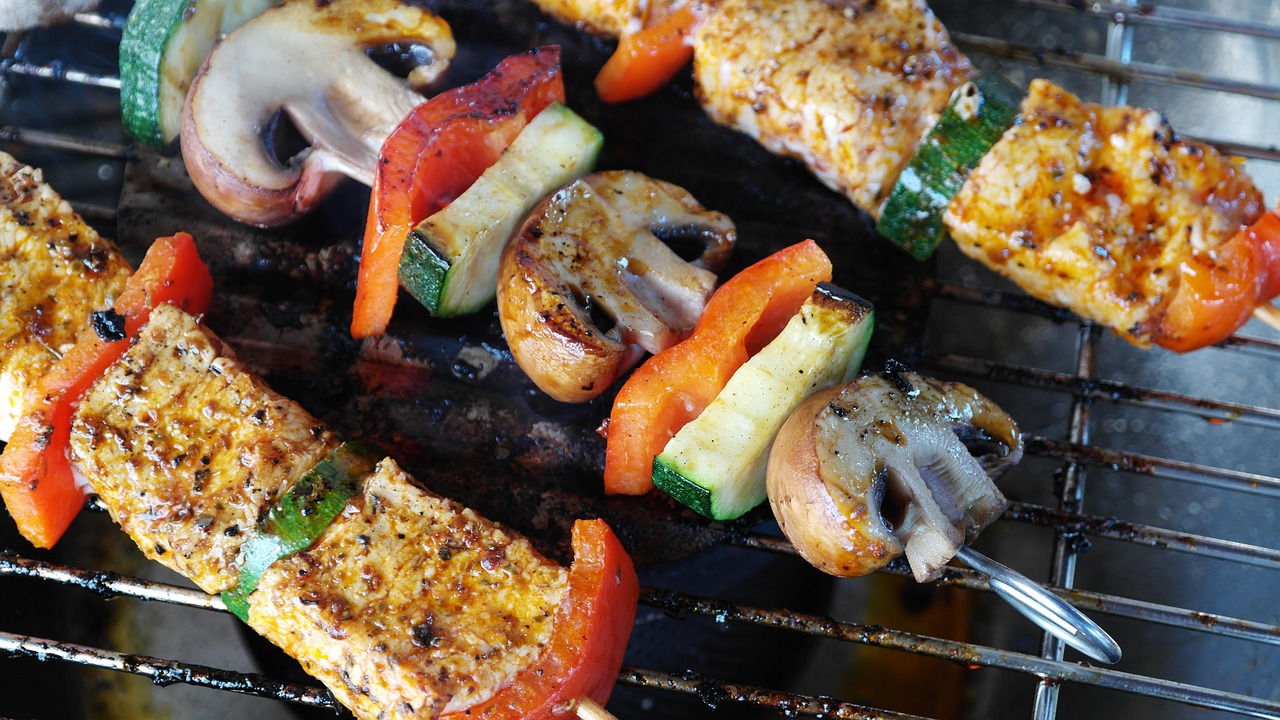
Most buyers who ask us about wood chips on a charcoal grill are really asking two things at once: when do the chips go on, and what do they sit on top of. The chips are the easy part. You buy a bag, you pick a species, you scatter a handful. The harder part is the fuel underneath, because the charcoal sets the temperature, the burn time, and how clean the smoke tastes once the chips start to smoulder. We fire kilns for a living, so this guide starts from the fuel and works up to the chips, which is the order that actually matters on the grate.
This is written for people who move volume: importers, distributors, restaurant buyers, and private-label owners who get the same question from their own customers. If you understand the mechanics, you can answer your buyers without guessing, and you can stock the right charcoal to go beside the chips on the shelf or in the back of a restaurant.
What Wood Chips Actually Do
A wood chip is a small piece of raw, kiln-dried hardwood. It has not been carbonised. That is the whole point. When you put a chip onto a hot bed of charcoal, the chip heats up, releases its moisture, and then its volatile compounds begin to break down and burn off as smoke. That smoke is what flavours the food. Charcoal, by contrast, has already been through carbonisation in the kiln, so most of those volatile compounds are gone. Good lump charcoal burns clean and hot with very little smoke of its own. That is why you add chips: the charcoal gives you heat, the chips give you smoke.
This division of labour explains almost every mistake people make. If the fire is wrong, the chips cannot fix it. If the chips are wet or the wrong species, the best charcoal in the world will not save the flavour. You need both parts working, and you need them working in sequence.
Raw wood chips are not the same as cooking over logs. If a customer wants to cook on wood itself rather than add chips to charcoal, that is a different method with different trade-offs, and we cover it in charcoal vs wood for cooking. Chips are a middle path. You keep the control and the clean heat of charcoal, and you borrow a measured amount of smoke from the wood.
Chips, Chunks, and Why Size Changes the Timing
Chips are small, usually a centimetre or two across. Chunks are fist-sized blocks of the same raw wood. The size decides how fast the wood gives up its smoke. A chip ignites quickly, smokes hard for a few minutes, and then it is spent. A chunk takes longer to catch and then smoulders slowly for half an hour or more.
So the rule follows from the cook. For a quick, hot cook, steaks, burgers, chicken pieces, chops, chips are the right choice because the food is only on the grate for a short window. For a long, low cook, a brisket or pork shoulder or ribs, chunks make more sense because they match the length of the session and you do not have to keep topping them up. Many people use both. They put chunks on for the long haul and drop a few chips on near the end for a final lift of fresh smoke.
When a buyer asks about wood chips on a charcoal grill for short, hot cooking, chips are usually the answer. When they describe a long smoke running several hours, point them toward chunks or toward a dedicated smoking setup, and toward our notes on the best charcoal for smoking.
The Base Fuel Comes First
Before any chip goes on, you need a clean, stable charcoal bed. This is where the quality of the fuel shows itself, and it is the part your customers will blame the chips for when it goes wrong.

Use real hardwood lump charcoal as the base. Lump lights faster than briquettes, reaches a higher temperature, and gives off far less of its own ash and smell, which means the flavour you taste is the wood chip and the food, not the fuel. Our own position on fuel for this kind of cooking is set out in the best charcoal for grilling, and the broader range of grilling fuels sits on the bbq charcoal hub. If you want the plain argument for lump over compressed briquettes, it is in hardwood charcoal vs briquettes.
Light the charcoal and let it come to temperature properly. A common failure is rushing. People see flames, panic, and start cooking over fuel that is still off-gassing. That early smoke is harsh and it coats the food with a sour, acrid taste that gets wrongly blamed on the chips. Wait until the coals are covered in grey ash and the flames have died to a steady glow. We walk through that timing in how long to let charcoal burn before cooking. Only then is the bed ready to carry smoke well, because the charcoal itself has stopped contributing bad smoke of its own.
Airflow is the other half of the base. The vents on a charcoal grill control the burn rate. Open vents mean more oxygen, a hotter and faster burn, and a shorter window. Closed vents choke the fire, drop the temperature, and stretch the session out. You set the heat with the vents, not with the chips. For a fuller treatment of how air moves through the grill, see lump charcoal grill airflow.
Wood Chips On A Charcoal Grill, Step by Step
Here is the method we give buyers who want a straight answer. It assumes a standard kettle or box grill with a lid and vents.
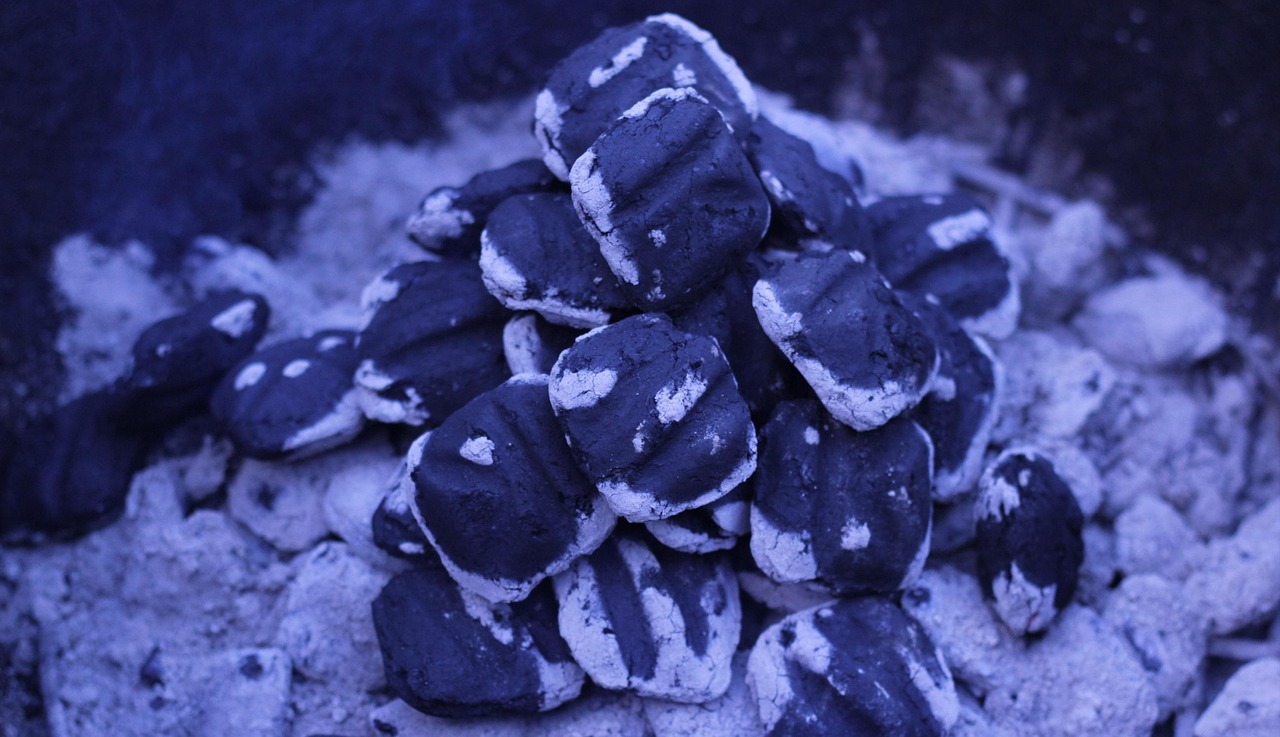
First, build and light the charcoal. For most cooks, bank the lit coals to one side rather than spreading them flat. This gives you a hot zone directly over the coals and a cooler zone beside them. The two-zone setup is the single most useful habit on a charcoal grill, and it matters more once chips are involved, because it lets you keep food out of direct flame while it takes on smoke.
Second, wait for the grey ash. Do not skip this. The bed must be clean before chips go on.
Third, add the chips. Scatter a handful, roughly a cup, directly onto the hot coals. You will hear them start to hiss and then see the first thread of smoke within a minute or two. If you are using a gas-style setup or want a slower release, a foil packet with a few holes punched in it slows the chips down and stops them flaring, but on a true charcoal bed most people just drop them straight on.
Fourth, put the food on and close the lid. The lid is what traps the smoke around the food. An open grill lets most of the smoke escape into the air, which wastes the chips. Keep the top vent open and position it over the food, so the smoke is drawn across what you are cooking before it leaves.
Fifth, resist opening the lid. Every time you lift it you lose heat and smoke and you add time. Open it to turn the food and then close it again.
That is the entire method. The reason it works is that each step respects the sequence: clean fuel, stable heat, then smoke, then food, then a closed chamber to hold it all together.
When To Add The Chips
Timing is the question we get most, so here it is plainly. Add wood chips on a charcoal grill at the start of the cook, once the coals are ashed over and just before the food goes on. Smoke binds best to a cool, slightly moist surface, so the early minutes, while the food is still cold from the fridge, are when it takes on the most flavour. Once the surface has dried and set, it absorbs much less.
For a short cook this means you get one charge of chips and that is usually enough. A handful of chips on a hot bed will smoke hard for five to ten minutes, which covers most of the flavour window for a steak or a batch of chicken thighs. Adding more after that often does little except make the food bitter, because you are now laying smoke onto a surface that has stopped taking it.
For a longer cook you add chips in stages. Start with a charge, let it burn out, and add another every thirty to forty-five minutes while the food is still in its first couple of hours. After that, back off. Meat takes on the great majority of its smoke early. Late smoke mostly goes to waste and can tip the flavour from savoury to harsh.
The temperature at which the chips burn matters too. If the bed is roaring hot the chips will flare and burn fast, giving a thin, sharp smoke. If the bed is too cool the chips will not reach the point where they smoulder cleanly and you get a heavy, white, creosote-laden smoke that tastes acrid. You want a steady medium bed where the chips smoulder rather than flame. If you want the background on burn temperatures, we cover it in how hot does charcoal burn.
Soaking: The Argument Nobody Wins
The oldest advice is to soak chips in water before use. The idea is that wet chips last longer and smoke more gently. The reality is more modest. Water does not penetrate far into a chip in half an hour. It mostly sits on the surface. When you put a soaked chip on the coals, the first thing that happens is the water boils off as steam, which delays the smoke and drops the temperature of your bed slightly. Only after the surface has dried does the chip actually begin to smoke.
So soaking does not make a chip smoke longer. It makes it start later. There are times that is useful, such as when your bed is very hot and dry chips would flare and vanish in two minutes. A soaked chip will buy you a slower start. But for most cooks, dry chips on a properly managed medium bed are simpler and give cleaner smoke. If a buyer asks, tell them soaking is optional, not required, and that it changes timing rather than quantity. The steam it produces is not what flavours the food. The smoke is.
Which Wood, And Why It Should Be Clean
The species of chip changes the flavour. The broad pattern holds across markets. Fruit woods such as apple and cherry are mild and slightly sweet and suit poultry and pork. Hickory is stronger and suits pork and larger cuts. Oak sits in the middle and works with almost everything, which makes it the safe default for a private-label line that has to please a broad audience. Mesquite is the heaviest and the easiest to overdo.
What matters more than the exact species, for anyone sourcing product, is that the wood is clean. It must be a single known hardwood, kiln dried, with no bark contamination, no resin, no treatment, and no mould. Softwoods and treated timber have no place on a food grill because of the compounds they release when they burn. This is the same standard we hold our charcoal to, and it is the reason the quality control step exists in our own process. A buyer stocking chips alongside charcoal should ask the chip supplier the same questions they ask us: what species, what moisture content, and what checks before it ships.
Moisture is the quiet variable. A chip that is too wet from poor drying behaves like a soaked chip whether you wanted that or not, and it can carry mould. A chip that is bone dry flares fast. Properly kiln-dried wood sits in the right range. We treat moisture as a measured specification on our charcoal for exactly this reason, and the logic carries straight over to chips: see charcoal moisture content and burn quality.
What This Means For Your Order
If you sell to grillers, the practical takeaway is that chips and charcoal are a pair, and the charcoal is the part that decides whether the chips perform. A customer who buys good chips and burns them over cheap, smoky briquettes will get a muddy result and will not know why. A customer who burns clean hardwood lump underneath will taste the chip clearly. That is why we steer buyers toward stocking a clean hardwood charcoal or lump charcoal as the base fuel and treating the chips as a flavour accessory sold beside it, not as a standalone product.
For private-label and OEM buyers, this also shapes how you brief your customers. Clear instructions printed on the bag, clean fuel first, ash over, chips at the start, lid closed, prevent most complaints and most returns. The method is simple once the order of operations is right, and a brand that explains it well earns trust. If you are building a line, the broader range we supply for grilling sits under restaurant charcoal for volume buyers and across the bbq charcoal hub for retail.
Recap
Wood chips on a charcoal grill do one job: they add smoke. The charcoal underneath does the real work of heat and burn time, so start there. Use clean hardwood lump, light it, and wait for the grey ash before anything else. Add a handful of chips at the start of the cook, just before the food, then close the lid and leave it shut. For short hot cooks, one charge of chips is enough. For longer cooks, use chunks or add chips in stages during the first couple of hours and then stop, because meat takes its smoke early. Soaking delays the smoke rather than extending it, so treat it as optional. Pick a single clean hardwood species, kiln dried and checked, and match its strength to the food.
Get the fuel right and the chips become easy. If you are sourcing the base charcoal that makes any of this work, start at the bbq charcoal hub and tell us what you cook, and we will point you to the right grade.
Source it directly
BBQ Charcoal, factory direct.
Serious BBQ needs charcoal that holds temperature through a long cook without flooding the food in smoke. Our hardwood BBQ charcoal is built exactly for that.