Best Charcoal for Smoking: Wood, Heat, Burn Time
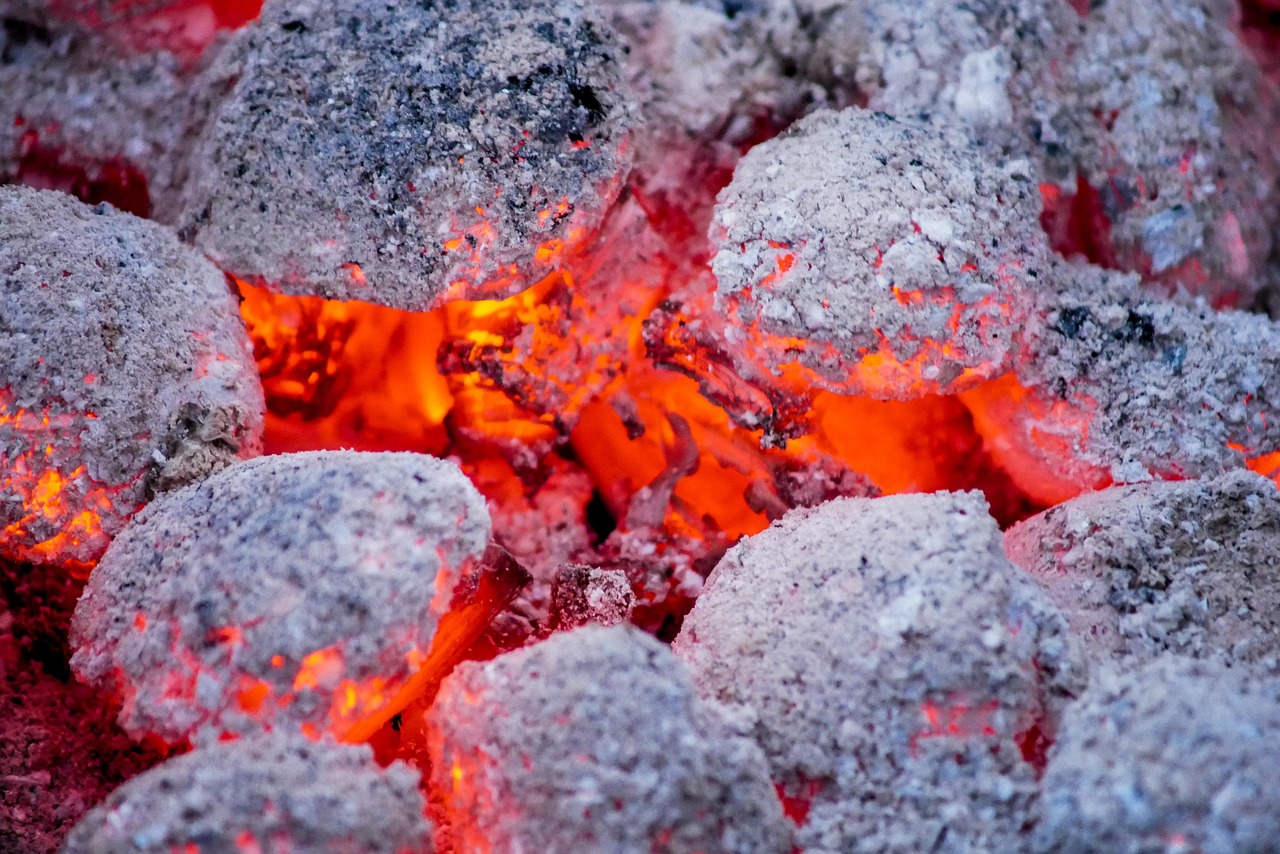
Smoking is a slow fire. The meat sits over coals for hours, and the fuel underneath has to behave the whole time, not just for the first thirty minutes. That is why the best charcoal for smoking is a different product from what you would reach for to sear a steak in four minutes. It has to hold a low, steady temperature, throw clean smoke instead of acrid fumes, and keep burning long after the fast fuels have gone to ash. We run kilns in Indonesia and ship charcoal to importers, distributors, and restaurant groups who smoke every day, so this guide is written from the fuel side of the fire, not the recipe side.
We will walk through the three things that actually decide how charcoal performs in a smoker: the wood it is made from, the heat it produces, and how long it burns. Get those three right and the rest of the setup is easy. Get them wrong and no amount of airflow management will save the cook.
What Smoking Actually Asks Of Charcoal
Grilling and smoking pull in opposite directions. A grill wants a fast, hot bed of coals and does not care if the fuel is spent in an hour. A smoker wants the opposite: a long, patient burn in the 110 to 135 degree Celsius range, sometimes held for eight or ten hours. The fuel has to release its energy slowly and predictably.
Three failures show up most often when the wrong charcoal goes into a smoker. The first is temperature spikes. Charcoal with a lot of fine material and inconsistent piece size lights unevenly, so the fire surges and drops instead of holding a line. The second is short burn time, which forces the cook to open the lid and reload, and every reload dumps heat and introduces a fresh wave of raw smoke. The third is bad smoke. Charcoal that still carries volatile compounds, usually because it was undercarbonised or picked up moisture, gives off a sharp, sooty smoke that leaves a bitter edge on the food. None of these are the cook's fault. They are fuel problems, and they trace straight back to how the charcoal was made.
So when a buyer asks us what separates smoking fuel from ordinary charcoal, the honest answer is that it was carbonised properly, graded for size, and dried to a stable moisture level before it ever reached the bag. Everything else is downstream of those steps in our manufacturing process.
How To Choose The Best Charcoal For Smoking
The decision comes down to matching the fuel to the cook. Below are the factors we tell buyers to weigh, in the order that matters most.
Wood species and density
Density is the single biggest lever on burn time. Dense tropical hardwoods pack more carbon into the same volume, so a kilo of dense charcoal holds heat far longer than a kilo of light, open-grained wood. For smoking, density is what you are paying for.
Our smoking fuel is made from dense Indonesian hardwoods, mainly from the legume family, which carbonise into hard, heavy coals that ring when you tap them together. That hardness is a useful field test: soft, crumbly charcoal is usually underfired and will burn fast and dirty. If you want to understand why Indonesian hardwood behaves differently from the mixed scrap wood used in commodity charcoal, we cover it in detail in what makes Indonesian hardwood charcoal different.
Species also affects smoke character, but less than people assume once the charcoal is fully carbonised. Properly made hardwood charcoal gives a mild, clean background smoke. If a cook wants a stronger smoke profile, they add wood chunks on top of the charcoal, rather than relying on the charcoal itself to carry the flavour. The charcoal is the heat engine. The wood chunks are the seasoning.
Heat output and stability
Heat is not just about how hot the fuel can get. For smoking, it is about how steadily it holds a low setpoint. A good smoking charcoal lights to a stable ember and then sits there, releasing heat at an even rate as airflow allows. This is where piece size and grading matter. Uniform pieces create an even bed with predictable air gaps, so the fire breathes consistently. A bag full of mixed fist-sized lumps and thumbnail chips will choke and surge by turns.
We grade smoking charcoal for consistent piece size for exactly this reason. A buyer running a long cook needs the fire to behave the same in hour seven as it did in hour one. If you want the physics behind why charcoal runs hotter and steadier than raw wood, we explain it in why charcoal burns hotter than wood.
Moisture content
Moisture is the quiet killer of smoking fuel. Charcoal is hygroscopic, meaning it pulls water out of humid air, and wet charcoal wastes its first energy boiling off that water instead of heating the chamber. It also smokes badly while it does so. A charcoal that leaves the kiln dry but sits in a leaky warehouse or a poorly sealed bag for three months can arrive at the smoker effectively wet.
We dry and pack to a controlled moisture level, and we treat moisture as a shipping and packaging problem as much as a production one. The link between moisture and burn quality is direct and measurable, and we break it down in charcoal moisture content and burn quality. For buyers, the practical point is simple: the best charcoal for smoking can be ruined by bad packaging, so ask your supplier how they protect moisture content in transit, not just how they make the charcoal.
Lump Or Briquettes For The Smoker
This is the question buyers ask most, and the answer depends on what their customers value.

Lump charcoal is carbonised wood and nothing else. It lights faster, responds quickly to airflow changes, and leaves very little ash, which matters over a long cook because a smoker choked with ash loses airflow. Its drawback is variability: because it is natural wood, piece size and burn time vary more than a manufactured product. Good grading narrows that gap considerably, which is why grading is where we spend real effort. If lump is what your market wants, our lump charcoal pages set out the grades we run, and the best lump charcoal for smoking guide goes deeper on choosing between them.
Briquettes are compressed charcoal, usually with a binder, pressed into uniform pillows. Their strength is consistency: every piece is the same size and burns at the same rate, so the temperature line is very flat, which suits long overnight smokes where the cook is asleep. The trade-offs are more ash and, with cheaper briquettes, additives that can affect smoke and flavour. A clean briquette made from charcoal fines and a natural starch binder is a legitimate smoking fuel, and plenty of competition barbecue teams use them. The comparison between the two is laid out fully in hardwood charcoal versus briquettes.
For most of our smoking buyers the answer is graded hardwood lump, backed by the option of a clean briquette line for customers who prioritise a flat, hands-off burn. There is no single right answer. There is only the right fuel for the cook your customer is doing.
Binchotan And White Charcoal For The Longest Burns
When the conversation turns to the longest, steadiest burns, binchotan enters it. Binchotan is white charcoal fired at very high temperature, which drives out almost everything except carbon and leaves an extremely dense, hard coal. It lights slowly and needs a chimney or a hot start, but once lit it burns for hours at a stable heat with almost no smoke and almost no flame.
That near-smokeless burn is why binchotan is the fuel of choice for yakitori and robata, where the chef wants radiant heat and clean air over the food rather than a heavy smoke profile. It is not the obvious pick for low-and-slow American style smoking, where some smoke is wanted, but for grill-forward restaurant cooking and for any application that needs long, clean, controllable heat, it is hard to beat. We cover what it is in what is binchotan charcoal, and the production side in our binchotan charcoal and white charcoal pages. If your buyers are restaurants, why restaurants use binchotan for yakitori and robata explains the pull.
The point for a smoking-focused buyer is this: binchotan and standard hardwood charcoal are not competitors so much as tools for different jobs. A full catalogue carries both, so you can serve the backyard low-and-slow crowd and the restaurant grill market from one supplier.
Burn Time Is A Spec, Not A Promise
Burn time gets thrown around loosely in marketing, so it is worth being precise. Burn time depends on three things the maker controls and two the user controls. The maker controls density, carbonisation, and moisture. The user controls airflow and ambient conditions. A charcoal cannot have a single burn time number, because the same fuel will last twice as long in a tightly damped smoker as it will in a wide-open grill.
What a serious supplier can give you is a consistent, repeatable burn under a stated test condition, so you can compare batches and set expectations with your own customers. That consistency is the real product. Anyone can make charcoal that burns a long time once. Making it burn the same way in every bag, batch after batch, is a quality-control discipline, and it is what separates a factory from a trader. We walk through how we check it before anything ships in charcoal quality control before shipping, and the difference between buying from a maker and a middleman in charcoal factory versus trading company. The broader question of how long charcoal lasts is covered in how long does charcoal burn.
What This Means For Your Order
Everything above is useful to a cook, but you are probably reading as a buyer, so here is how it translates into a purchase order.
First, decide what your customers smoke. A retail brand selling to backyard enthusiasts wants a forgiving, long-burning hardwood lump in a moisture-protected bag. A restaurant supply business wants consistency above all, because a chef who gets a surging fire blames the distributor, not the kiln. A private-label brand wants a fuel that matches the story on the bag, whether that is natural single-species lump or a clean briquette. We serve all three, and our restaurant charcoal and private-label charcoal pages set out what each needs.
Second, specify, do not assume. The best charcoal for smoking on paper is worthless if the spec is not written down and checked. Tell your supplier the piece size range you need, the moisture ceiling you will accept, the fixed carbon level you expect, and the packaging that will protect it to your port. A factory that cannot answer those questions in detail is probably reselling someone else's production.
Third, think about the whole chain, not just the price per kilo. A cheap charcoal that arrives damp, dusty, or inconsistent costs you returns, complaints, and a damaged brand. Packaging, container loading, and documentation are part of the product. We treat them that way, and we explain the export side in our export pages and in how to import charcoal from Indonesia. The sourcing and environmental side, which more buyers now have to answer for, is in our sustainability commitments.
If you are weighing fuels across your whole range, not only for smoking, the bbq charcoal hub is the place to start. It pulls together the grilling and smoking fuels we make, the grades, and the formats, so you can see the full picture before you narrow down to a smoking line.
Recap
The best charcoal for smoking is dense hardwood or high-fired white charcoal, graded for consistent piece size, carbonised fully so it burns clean, and dried and packed so it reaches your customer the way it left the kiln. Wood species and density set the burn time. Proper carbonisation sets the smoke quality. Moisture control and packaging protect both all the way to the smoker. Lump suits most backyard low-and-slow cooking, clean briquettes suit flat hands-off burns, and binchotan carries the long, smokeless restaurant work.
For a buyer, the job is to match the fuel to the cook your customer is doing, write the spec down, and work with a maker who can hold that spec batch after batch. If you want to see the full range of smoking and grilling fuels we produce and talk through which fits your market, start at the bbq charcoal hub and get in touch from there.
Source it directly
BBQ Charcoal, factory direct.
Serious BBQ needs charcoal that holds temperature through a long cook without flooding the food in smoke. Our hardwood BBQ charcoal is built exactly for that.