How Hot Does Charcoal Burn?
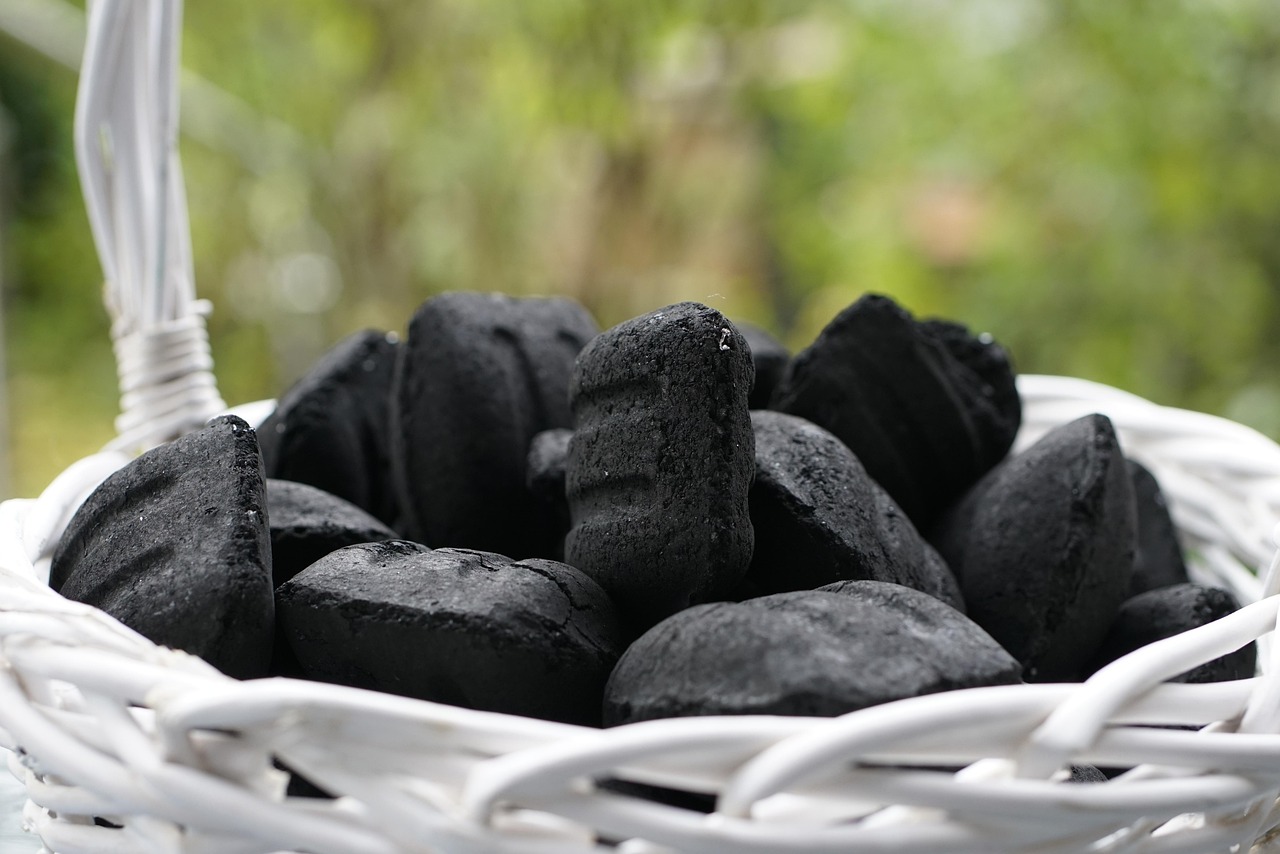
Buyers ask us this more than almost anything else, usually before they ask about price. How hot does charcoal burn, and will it burn hot enough for the job they are selling it into? It is a fair question, because the answer decides whether a yakitori chef can sear chicken skin in seconds or whether a backyard griller spends twenty minutes waiting for a bed that never gets there. We fire kilns for a living, so we will give you the numbers we actually see, not the ones that sound good in a catalogue. Charcoal does not have one temperature. It has a range, and where you land inside that range depends on the wood, the density, the airflow, and the moisture it carried out of the kiln.
Let us start with the figures, then explain why they move.
How Hot Does Charcoal Burn, by the Numbers
A clean bed of hardwood lump charcoal, fully lit and fed with good airflow, sits between roughly 600C and 1100C at the surface of the coals. That is about 1100F to 2000F. The hottest readings come from a tight bed in a chimney or a grill with the vents wide open, where oxygen reaches every piece. Spread that same charcoal thin across a wide grate with the vents half shut and you will measure far less, maybe 300C to 450C at grate level, because the air is not there to push it.
Binchotan and other white charcoals behave differently. A single piece of good binchotan does not spike as high as a loose pile of soft lump, but it holds a working heat of around 300C to 600C at the grill surface for hours, and it does it without flaring. The density is the reason. Harder, denser carbon releases its energy slowly, so the peak is lower but the plateau is long and flat. That trade, lower spike for a steadier line, is exactly why restaurants pay for it.
Briquettes land lower and flatter again. A standard briquette bed runs around 250C to 500C at cooking height and stays there with very little drift once it settles, which is why they suit long, unattended cooks more than fast searing.
So when someone asks how hot does charcoal burn, the honest answer is a band from about 250C to 1100C depending on the fuel and the fire you build around it. The number on a spec sheet means little on its own. What matters is the combination of the charcoal you buy and the grill it goes into.
What Actually Sets the Temperature
Four things move the number more than anything else. Understand these and you can predict how a batch will perform before it ever ships.
Wood density and species
Dense tropical hardwoods pack more carbon into the same volume. More carbon per piece means more fuel to burn and a longer, often hotter run once the bed is established. This is the main reason our hardwood charcoal behaves the way it does: the raw material comes from slow-grown dense species, so the finished charcoal is heavy for its size. Lighter woods make lighter charcoal that lights faster but burns out faster and rarely reaches the same peak. If you have ever wondered why two bags labelled the same way cook so differently, species and density are usually the answer. We go deeper into this in our piece on what makes Indonesian hardwood charcoal different, but the short version is that the tree decides most of the story before the kiln ever gets involved.
Airflow
Charcoal is carbon, and carbon needs oxygen to release heat. This is the lever most people underestimate. The same kilo of charcoal can read 400C or 900C depending only on how much air you let through it. Open the vents, stack the coals in a tight column, and the fire climbs. Choke the vents, spread the bed flat, and it drops. When a customer tells us their charcoal "does not get hot enough," airflow is the first thing we check, and it is the problem more often than the charcoal. A good lump in a starved firebox will always disappoint. A modest charcoal in a well-fed chimney can surprise you.
Moisture content
Water is the quiet thief. Every percentage point of moisture in a piece of charcoal is energy spent boiling off that water instead of heating your food. Charcoal that absorbed humidity in a leaking warehouse or a wet container will light slower, smoke more, and peak lower, even if the charcoal itself was excellent the day it left the kiln. We hold our moisture low and we check it, because it is the difference between a batch that performs and one that argues with the griller the whole cook. We wrote a full explanation of this in charcoal moisture content and burn quality, and it is worth reading if you are comparing suppliers, because a cheap price on wet charcoal is not a cheap price at all.
The stage of the burn
Charcoal does not hold one temperature across its life. It climbs as it lights, peaks when the bed is fully established and glowing with a light ash coat, then eases down as the carbon is consumed. The useful cooking window is that long middle plateau, not the first flare and not the dying embers. Dense charcoal gives you a wider plateau. If you want the detail on how long that window lasts for different fuels, we cover it in how long does charcoal burn, which pairs naturally with this question, because heat and duration are two readings off the same fire.
Lump, Binchotan, and Briquettes Side by Side
It helps to see the three main fuels against each other, because each one answers how hot does charcoal burn in its own way.
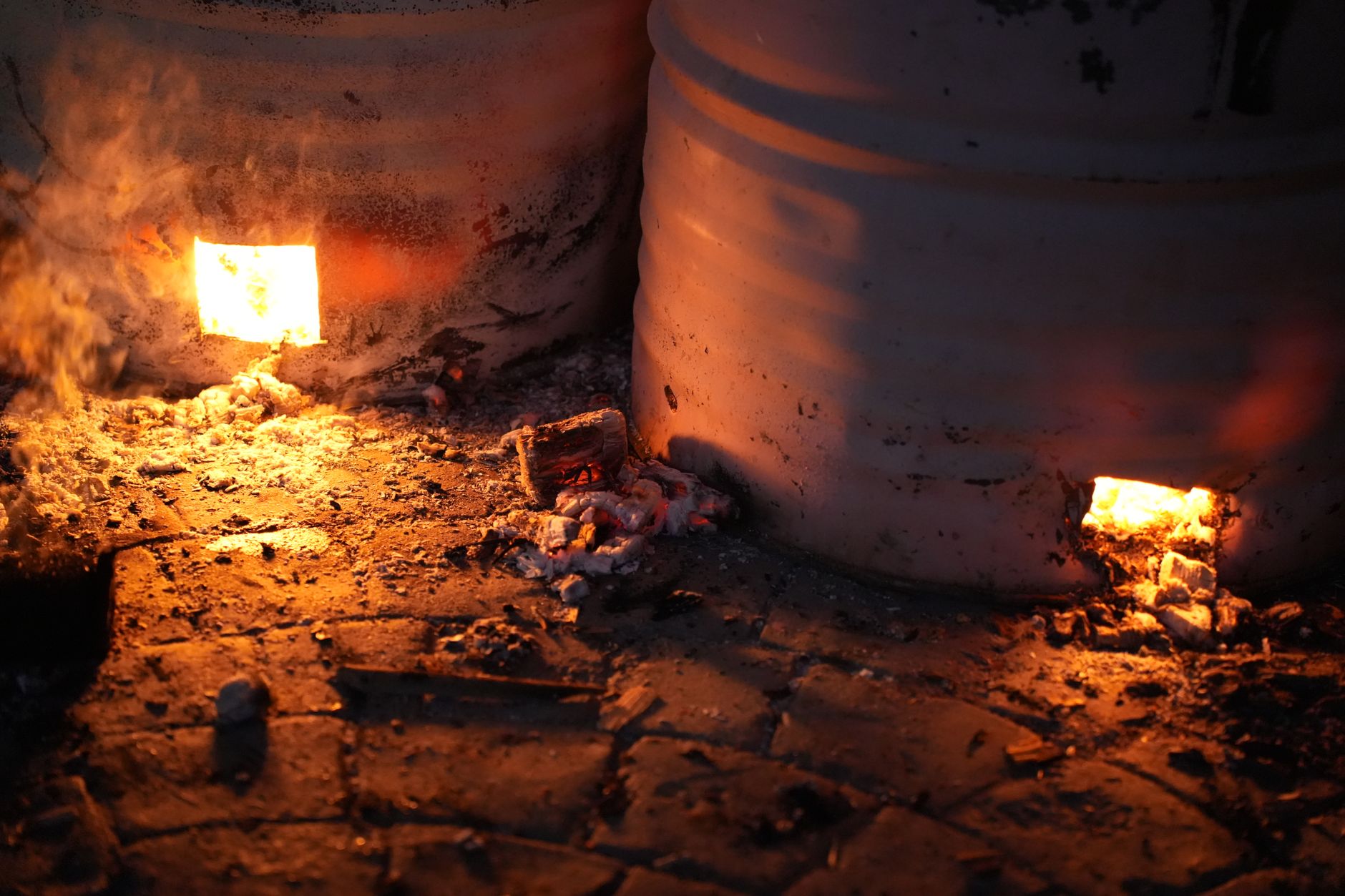
Hardwood lump is the sprinter. It lights relatively quickly, reaches the highest peaks, and gives you aggressive searing heat when the bed is tight and the air is open. It is the natural choice for high-heat grilling and for anyone selling into a market that wants a fast, hot, responsive fire. If grilling is your buyer's main use, our guide to the best charcoal for grilling walks through why lump tends to win there.
Binchotan is the marathon runner with a steady pace. Lower peak than a loose lump pile, but a flat, clean, odourless heat that holds for hours and radiates evenly. That radiant quality is what cooks yakitori and robata the way those dishes are meant to be cooked. It is harder to light and it costs more, both because of the dense wood and the longer firing, but you are paying for stability, not spikes. If binchotan is new to your range, start with what is binchotan charcoal and then our binchotan charcoal page for the grades we produce.
Briquettes are the cruise control. Uniform shape, uniform burn, a modest and very stable temperature that drifts little once it settles. They do not sear like lump and they do not radiate like binchotan, but for long, predictable, low-attention cooking they are consistent in a way natural charcoal cannot always promise. Different job, different fuel.
None of these is better in absolute terms. They are three different answers to three different cooking problems, and a smart buyer stocks the one that matches what their customers actually cook.
Why Charcoal Burns Hotter Than Wood
People often expect wood to be the hotter fuel because it makes bigger flames. It does not work that way. Wood spends a large part of its energy driving off water and volatile gases, and much of its heat leaves as visible flame and smoke rather than staying in the fuel bed. Charcoal has already been through that process in the kiln. We drove off the water and the volatiles during manufacture, which is the whole point of making charcoal in the first place. What is left is mostly carbon, and carbon burns hot, steady, and with very little flame or smoke.
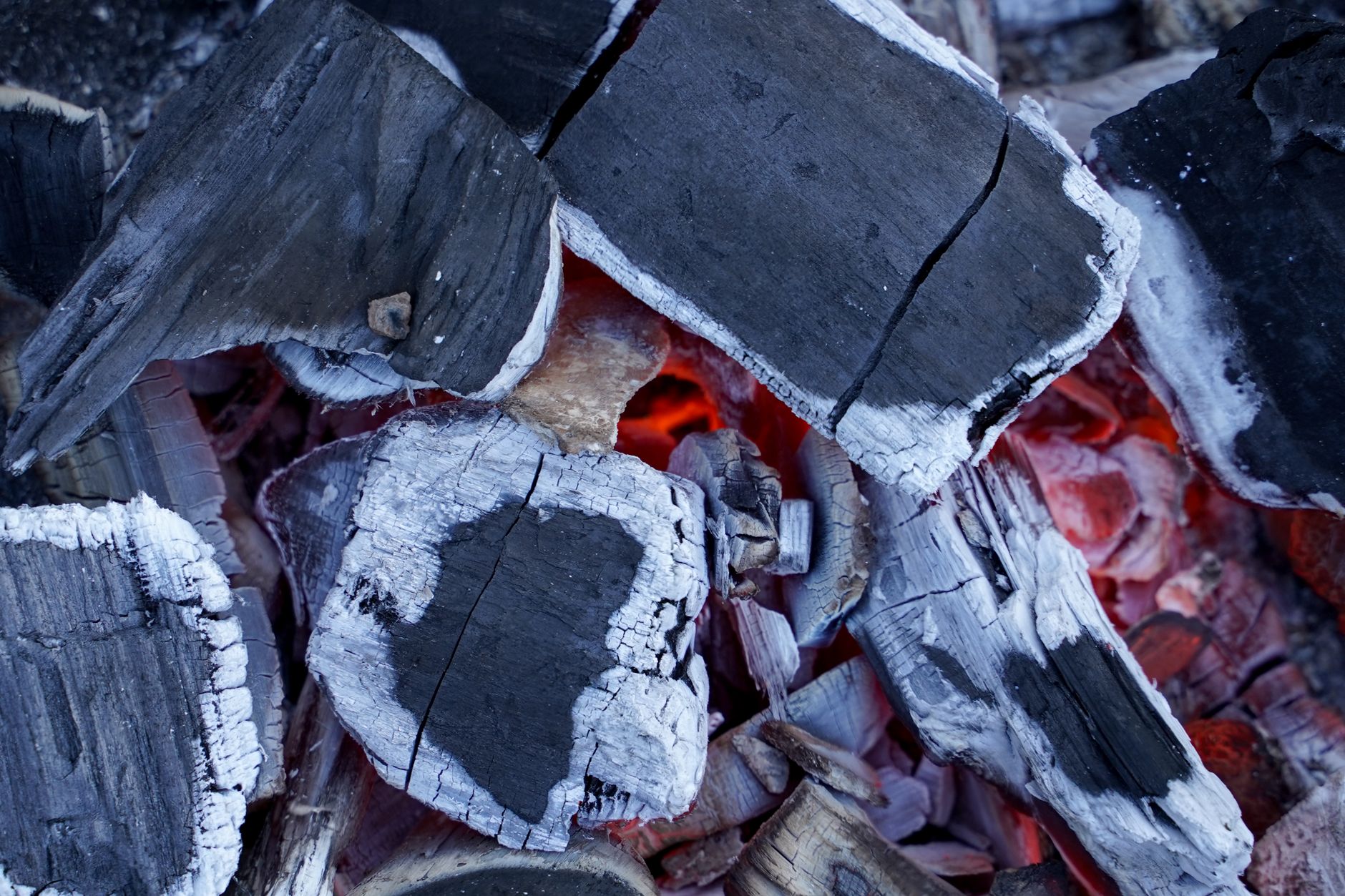
That is why a bed of charcoal can hold a searing heat that raw wood struggles to match at the cooking surface, and why it does it cleanly. We explain the chemistry in plain terms in why charcoal burns hotter than wood, and if your buyers are still deciding between the two fuels, charcoal vs wood for cooking lays out the practical differences. The manufacturing step is where the heat is really decided, long before the grill, which is why we treat our manufacturing process as the foundation of everything the charcoal does later.
How Hot Does Charcoal Burn for Each Kind of Cooking
Numbers only matter in context, so here is how the temperatures map onto real work. This is usually what a buyer is really asking when they ask how hot does charcoal burn: not the physics, but whether it will do their customer's job.
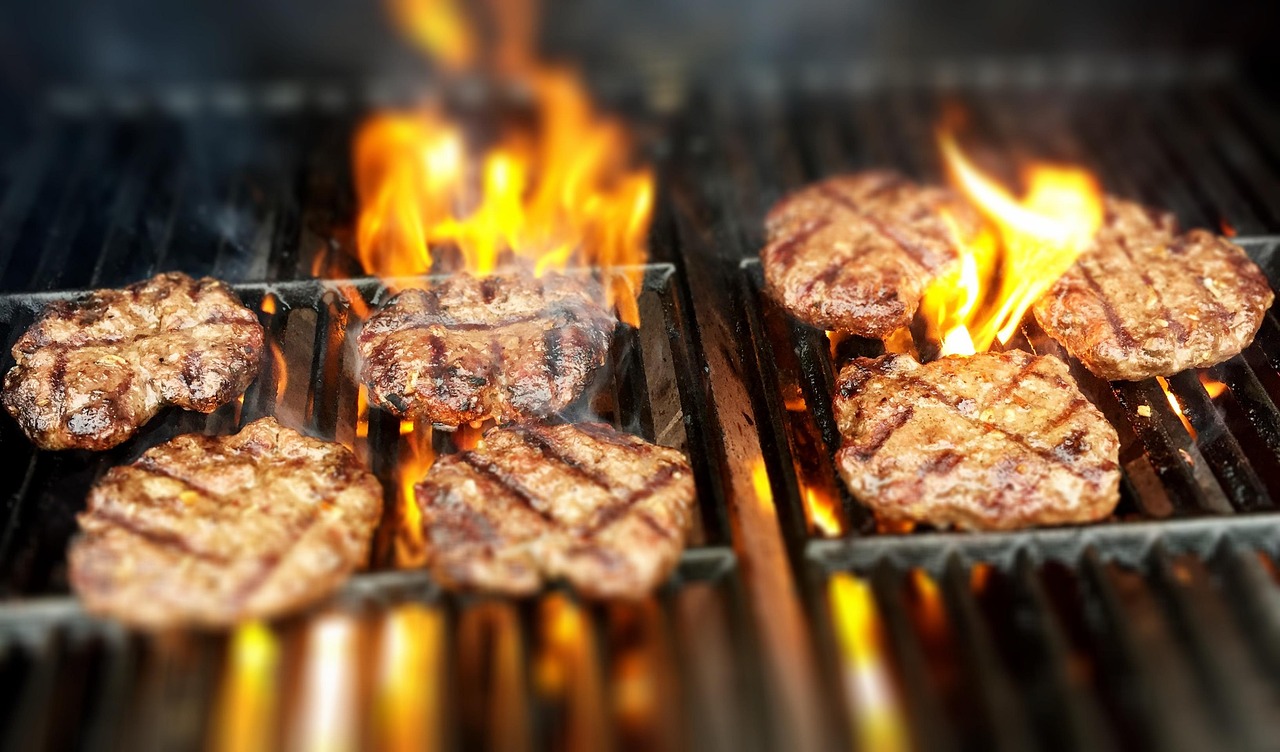
For high-heat searing, steak houses, burgers, and direct grilling over open flame, you want lump that can push past 600C at the coals and respond fast when the vents open. Peak heat and quick recovery between batches are what count.
For yakitori, robata, and skewer cooking, you want binchotan holding a clean 300C to 500C at the surface for a long stretch, with radiant heat that cooks the food evenly and does not throw flame onto dripping fat. Stability beats peak here every time. This is the heart of the restaurant market, and we cover the buying side in why restaurants use binchotan for yakitori and robata.
For low and slow smoking, you want a moderate, long, stable bed, often briquettes or a dense lump run with the vents nearly shut, sitting around 110C to 150C inside the chamber for hours. Here the question is almost the opposite: not how hot, but how steady and how long. Our guide on how to choose BBQ charcoal for low and slow is built for exactly that buyer.
The point is that there is no single best temperature. There is only the right temperature for the dish, and the right fuel to hold it. A supplier who understands that will steer you to the correct charcoal instead of selling you the hottest-sounding one.
What This Means For Your Order
If you are importing, distributing, or putting your own label on charcoal, the temperature question turns into a sourcing question fast. Three things decide whether the charcoal that leaves our kiln still performs when it reaches your customer.
First, buy for the use, not for the headline number. The hottest charcoal is not the best charcoal if your buyers cook yakitori or run smokers. Match the fuel to the cooking. We would rather send you the charcoal that keeps your customers ordering again than the one with the biggest figure on the bag.
Second, protect the moisture. All the kiln work in the world is undone by a wet container or careless storage. This is why packaging matters as much as the charcoal, and why we treat charcoal packaging for export as part of the product, not an afterthought. Dry charcoal that arrives dry is charcoal that performs.
Third, insist on consistency batch to batch. A single good sample proves very little. What protects your brand is the fiftieth container matching the first. That is what our quality control process exists to guarantee, with moisture, fixed carbon, and ash checked before anything ships. If you are weighing a factory against a middleman, our note on charcoal factory vs trading company explains why buying from the people who actually fire the kilns gives you more control over exactly these variables.
For private-label and OEM buyers, the temperature performance is your reputation sitting in someone else's firebox. You want a partner who can hold the spec across every order, which is what our private label charcoal and OEM charcoal programmes are built around. And whatever the format, we handle the shipping side through our export desk so the charcoal that tested well in our yard is the charcoal that lands in yours.
Recap
How hot does charcoal burn comes down to a band, not a single figure. Hardwood lump can reach roughly 1100C at the coals with full airflow and gives you fast searing heat. Binchotan trades the peak for a steady 300C to 600C that holds for hours, which is why restaurants rely on it. Briquettes sit lower and flatter for long, predictable cooks. Four factors move the number: wood density and species, airflow, moisture, and the stage of the burn. Charcoal beats wood at the cooking surface because the kiln already removed the water and volatiles that waste a wood fire's energy. For your order, the lesson is simple: buy for the cooking job, protect the charcoal from moisture in transit, and demand consistency from batch to batch.
If you are ready to match a charcoal to your market and your grills, start at our BBQ charcoal hub. It lays out the grades, the uses, and the specs side by side, so you can see which fuel holds the temperature your customers actually cook at.
Source it directly
BBQ Charcoal, factory direct.
Serious BBQ needs charcoal that holds temperature through a long cook without flooding the food in smoke. Our hardwood BBQ charcoal is built exactly for that.