Charcoal Korean BBQ: The Fuel Restaurants Choose
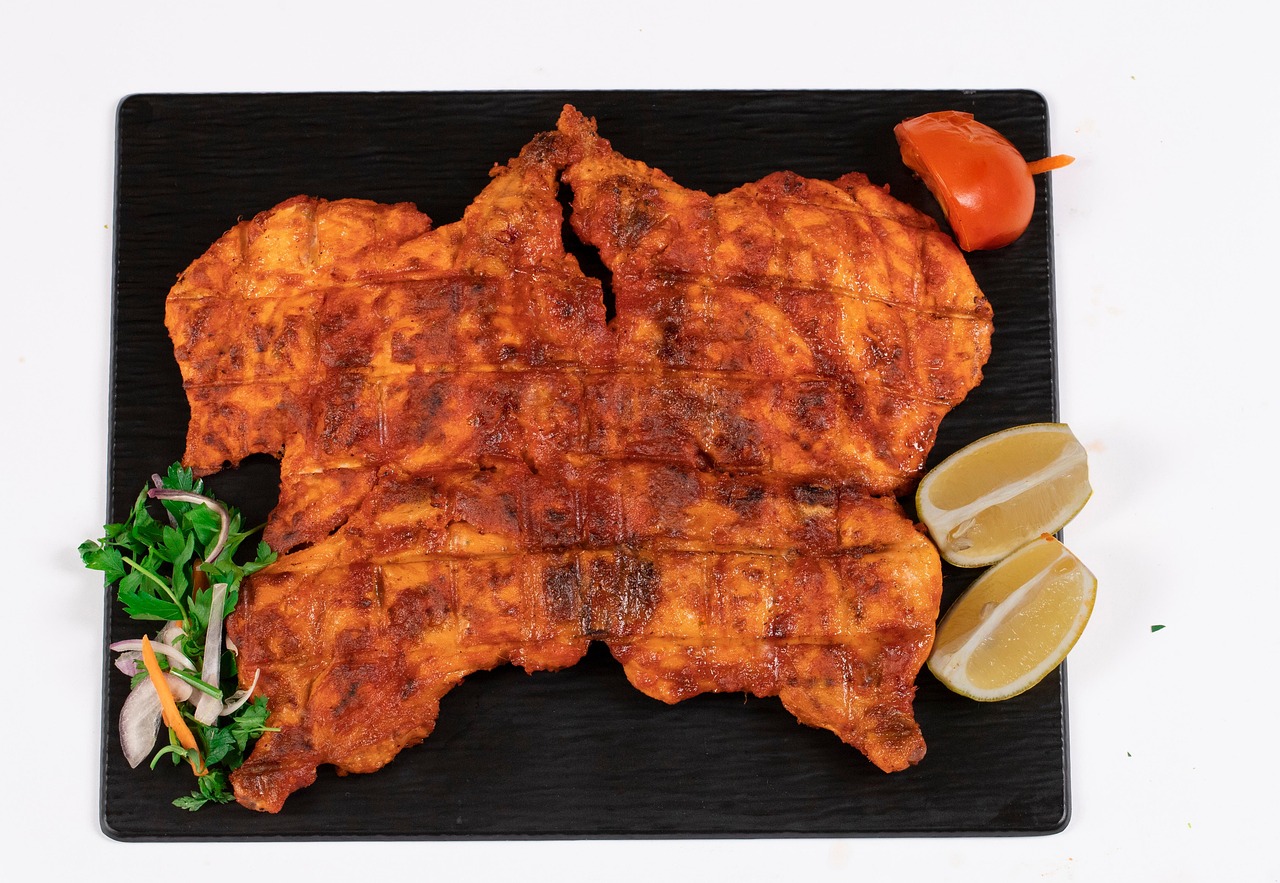
Korean barbecue lives or dies on the fuel under the grate. Charcoal korean bbq is cooked in front of the guest, at the table, over a small bed of burning charcoal that has to behave for the length of a meal. The meat is thin. The grill is close to the diner's face. The service is fast. None of that forgives a fuel that smokes, spits, smells, or dies halfway through a round of pork belly. We fire kilns for a living, and most of the restaurant buyers who come to us for Korean barbecue charcoal are solving the same handful of problems. This article explains what those problems are and how we grade and supply charcoal to fix them.
We are a charcoal factory in Indonesia. We make binchotan, white charcoal, hardwood lump, and briquettes, and we ship them to importers, distributors, and restaurant groups around the world. What follows is written from the floor, not from a brochure.
Charcoal Korean Bbq, What The Grill Actually Needs
Start with the grill itself, because it sets every requirement. A Korean barbecue table runs a shallow firebox, often with a built-in downdraft extractor pulling smoke straight down and out. The charcoal sits in a metal basket or a ceramic bowl. It is lit elsewhere, usually in a chimney or an electric starter at a lighting station, then carried hot to the table. The diner cooks their own meat directly over it.
That setup imposes four hard demands on the fuel.
First, the charcoal must light fully before it reaches the table. A piece that is still off-gassing when it arrives will throw smoke and a sharp smell right where the guest is sitting. So the fuel has to reach a clean burn quickly and hold it.
Second, it has to burn long enough to outlast the meal without a refuel at the table, or at least to make a single mid-meal basket swap predictable. A party sitting for ninety minutes should not watch their fire collapse at minute forty.
Third, it has to run quiet. No popping, no sparks, no sudden flare when fat drips. Sparks at a table grill are a burn risk and a liability, not a nuisance.
Fourth, it has to stay close to odourless and low in smoke once it is up to temperature. The flavour in Korean barbecue comes from the marinade and the sear, not from the fuel. The charcoal is there to deliver clean, steady heat and then get out of the way.
Hold those four demands in mind. Every grading decision we make for charcoal korean bbq traces back to one of them.
The Table Grill Changes Everything
A backyard griller forgives a lot. They stand two feet back, the smoke drifts off into the garden, and nobody counts the minutes. A table grill in a full dining room forgives nothing. The fuel is a foot from a paying customer's eyes, the extractor is doing real work, and the kitchen is lighting dozens of baskets a night under time pressure.
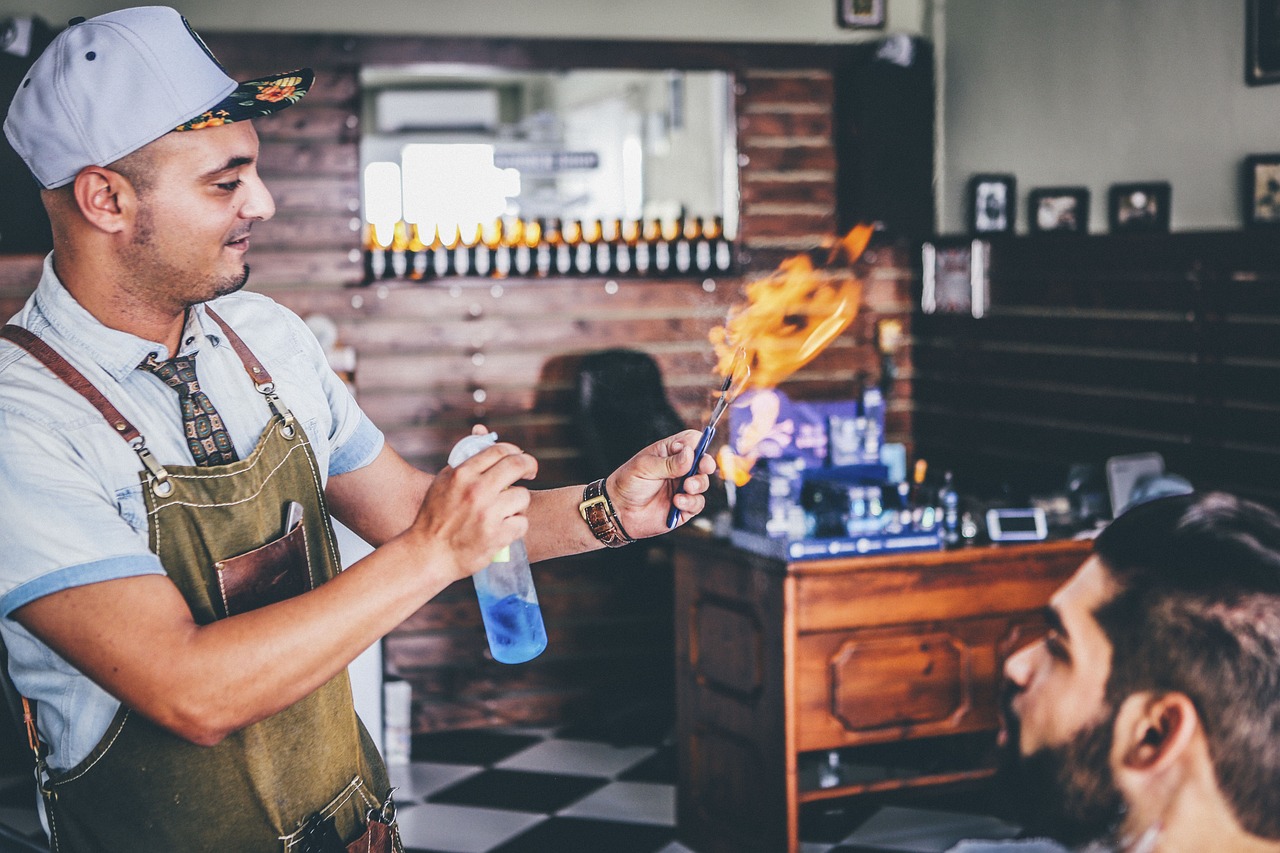
This is why restaurant buyers cannot simply order the cheapest lump on the market and hope. A cheap, mixed bag might contain half-carbonised pieces, a lot of fines, and wood from several species with different burn rates. On a garden grill that is tolerable. On a Korean barbecue table it means smoke in the guest's face, uneven heat across one small basket, and a fire that one table gets for ninety minutes and the next table gets for fifty.
The whole point of buying from a factory rather than a trading mix is that the fuel is consistent basket to basket, carton to carton, and container to container. We go deeper into what that sourcing difference means on our restaurant charcoal page, because for a venue it is the single decision that most affects service.
Which Charcoal We Make For Korean BBQ
There is no one correct charcoal for Korean barbecue. There are three sensible choices, and which one fits depends on the venue's price point, its grill type, and how its kitchen is staffed. Here is how we think about each.
Binchotan and white charcoal
Binchotan is the premium answer. It is a white charcoal, carbonised at very high temperature and then quenched, which leaves it dense, hard, and almost pure carbon. It takes longer to light, which is why a venue using it needs a proper lighting station, but once it is going it burns long, runs very hot, holds a steady output, and produces almost no smoke and no smell. For a high-end Korean barbecue house serving premium beef over a small table grill, this is the fuel that lets the meat speak for itself.
The trade is cost and lighting time. Binchotan is more expensive per kilo and slower to start, so it suits venues that have the staff and the station to light it in advance. Many of the same reasons apply to Japanese grilling, and we cover the restaurant logic in detail in our note on why restaurants use binchotan for yakitori and robata. If you want the material in isolation, the binchotan charcoal and white charcoal pages set out our grades.
Hardwood lump
Hardwood lump is the workhorse for most Korean barbecue rooms. It lights faster than binchotan, reaches cooking heat quickly, and when it is made from dense tropical hardwood it still burns long and clean. Our Indonesian hardwood lump carbonises from species that are naturally heavy and low in sap, so the fire runs hot and quiet without the resin pops you get from softer wood.
The key with lump for table service is grading. A good restaurant grade is sorted to a tight size range with the fines screened out, so every basket gets roughly the same mass of similar-sized pieces and therefore roughly the same burn curve. That is the difference between a predictable fire and a lottery. Our hardwood charcoal range is graded for exactly this, and the grade levels are explained on the material page.
Briquettes
Briquettes have a place, particularly for mid-market and high-volume venues that want the most predictable burn time and the lowest cost per hour of heat. A well-made briquette is uniform by design, so burn time is consistent and easy to plan around. The risk with briquettes is the binder and the filler: a poor briquette can smoke, smell, and leave heavy ash, none of which you want at a table. We make briquettes to a clean specification with controlled ash, which matters far more for indoor service than it does in a garden. The general trade-offs are laid out in our comparison of hardwood charcoal versus briquettes.
Smoke, Smell, And The Indoor Problem
For an outdoor grill, smoke is cosmetic. For Korean barbecue it is a core specification, because the fire is indoors and inches from the guest. Two things drive smoke in a finished charcoal: incomplete carbonisation and moisture.
Incomplete carbonisation means the piece still holds volatile compounds that were never fully driven off in the kiln. When it burns, those come off as smoke and a harsh smell. The fix is on our side, in the kiln. Proper, fully carbonised charcoal has had those volatiles cooked out before it ever leaves the factory, so at the table it burns down to clean heat with very little visible smoke. This is one of the clearest reasons a venue should know how its charcoal is actually made rather than trusting a label, and we walk through the process from forest to kiln.
Moisture is the other driver, and it is partly on the buyer. Charcoal is porous and will pull water back out of humid air if it is stored badly or packed badly. Damp charcoal hisses, smokes, is hard to light, and runs cooler than it should. We ship to a controlled moisture spec and we pack to hold it, but a venue that then stores cartons in a wet back room undoes that work. The relationship between moisture and burn quality is worth understanding, so we wrote it up in charcoal moisture content and burn quality.
Burn Time And Refuelling During Service
Burn time is the number that decides how a Korean barbecue kitchen runs its floor. If one basket of charcoal reliably outlasts a sitting, service is simple: light, deliver, clear, relight. If burn time is inconsistent, the floor staff are forever reacting, carrying hot baskets back and forth mid-meal, and sometimes interrupting a table to swap a dying fire.
Burn time comes from density and from grading. Denser charcoal holds more carbon in the same volume, so it burns longer from the same basket. Tight grading means every basket carries a similar mass, so burn time does not swing from table to table. Binchotan gives the longest burn, dense hardwood lump is close behind, and a good briquette gives the most predictable burn even if it is not the longest.
What a venue should do before committing is simple: light a sample the way the kitchen actually lights it, in the actual grill, and time it from delivery to collapse across several baskets. Then build the service plan around the real number, not a figure from a spec sheet. We supply samples for exactly this reason, because the only burn time that matters is the one your own grill produces.
Sizing And Grading For Consistent Service
Size is not a cosmetic detail for table grills. The Korean barbecue basket is small, so piece size controls how much fuel fits, how the air moves through it, and how evenly the heat sits across the grate. Pieces that are too large will not pack enough mass into a small basket and leave cold spots. Pieces that are too small choke the airflow and clog with ash. Fines, the dust and crumbs at the bottom of a badly handled bag, are pure waste at a table and a smoke source when they do catch.
Our restaurant grading screens to a target size band and removes the fines before packing. That is handling and labour on our side, and it is the main thing that separates a restaurant grade from a generic export grade. For the material science behind why grade matters, our hardwood lump charcoal grades note goes into it, and the broader standard we hold the product to is set out under quality control.
Moisture, Dust, And Why They Matter In The Carton
A restaurant does not buy a piece of charcoal, it buys a carton and then a pallet and then a container. What arrives has to match what was tested. Two things most often drift between the kiln and the kitchen: moisture creeping back in, and fines being created by rough handling in transit.
Both are controlled by packaging. Charcoal that is sealed against humidity holds its moisture spec across a long sea voyage and months of storage. Charcoal packed so pieces cannot grind against each other arrives as graded pieces, not as half a carton of dust. This is unglamorous and it is where a lot of cheap supply quietly fails. We treat it as part of the product, and the choices involved are covered in charcoal packaging for export. If you are importing directly, the practical steps are in our guide on how to import charcoal from Indonesia.
Volume Planning For A Busy Korean BBQ Room
A charcoal korean bbq venue burns a lot of fuel, and the mistake we see most is ordering by guesswork and then either running out mid-week or sitting on stock that goes damp. The honest way to plan is to work from covers.

Count the grills, count the average baskets per cover, and multiply by the mass per basket and your covers per day. That gives a daily burn. Multiply out to a month, add a buffer for busy periods, and you have an order size that matches reality. The point of the exercise is to order full cartons and pallets on a steady rhythm so the kitchen always has dry, graded fuel and never has to send a runner for a cash-and-carry bag of unknown charcoal on a Friday night. We lay out the full method in charcoal for restaurants and volume planning.
Buying straight from the factory also removes a layer of cost and uncertainty. A trading company buys the same containers we do and marks them up, often mixing grades along the way. The difference is explained in charcoal factory versus trading company, and if you want to understand our side of the operation it is on the factory page.
Private Label And OEM For Distributors
Many of the buyers we supply for charcoal korean bbq are not the restaurants themselves but the distributors and brands that serve them. For them, the product is only half the job. The other half is a bag with their name on it, a consistent spec sheet, and a supply they can promise to their own customers.
We produce under private label and OEM arrangements, which means we make and pack the charcoal to your specification and brand, and you sell it as yours. For a distributor building a restaurant supply line, that turns our kiln output into your catalogue. The commercial side is set out on our private label charcoal and OEM charcoal pages, and if you are starting from nothing there is a walkthrough in how to start a private label charcoal brand.
Recap
Charcoal korean bbq is a demanding application because the fire is small, indoors, and inches from the guest. The fuel has to light fully before it reaches the table, burn long enough to outlast a sitting, run quiet without sparks, and stay low in smoke and smell. Those four demands drive every choice.
Binchotan and white charcoal are the premium answer for high-end rooms with a lighting station. Dense hardwood lump is the workhorse for most venues. Clean briquettes suit high-volume, cost-led operations. Across all three, the things that actually matter are full carbonisation, controlled moisture, tight size grading, and packaging that protects both through a long shipment. And the way to avoid surprises is to test real samples in your own grill and plan orders from your real daily burn.
If you are a restaurant buyer, distributor, or private-label brand working out which charcoal to run for Korean barbecue, start at our hub for restaurant buyers at /restaurant-charcoal and ask us for samples graded to your grill.
Source it directly
Restaurant Grade Charcoal, factory direct.
In an open kitchen, charcoal is part of the dining room. It must burn clean, hold steady, and never impose on the food. This is the grade the world's grill counters run on.