Charcoal for Grilling: Lump, Briquette, or Binchotan
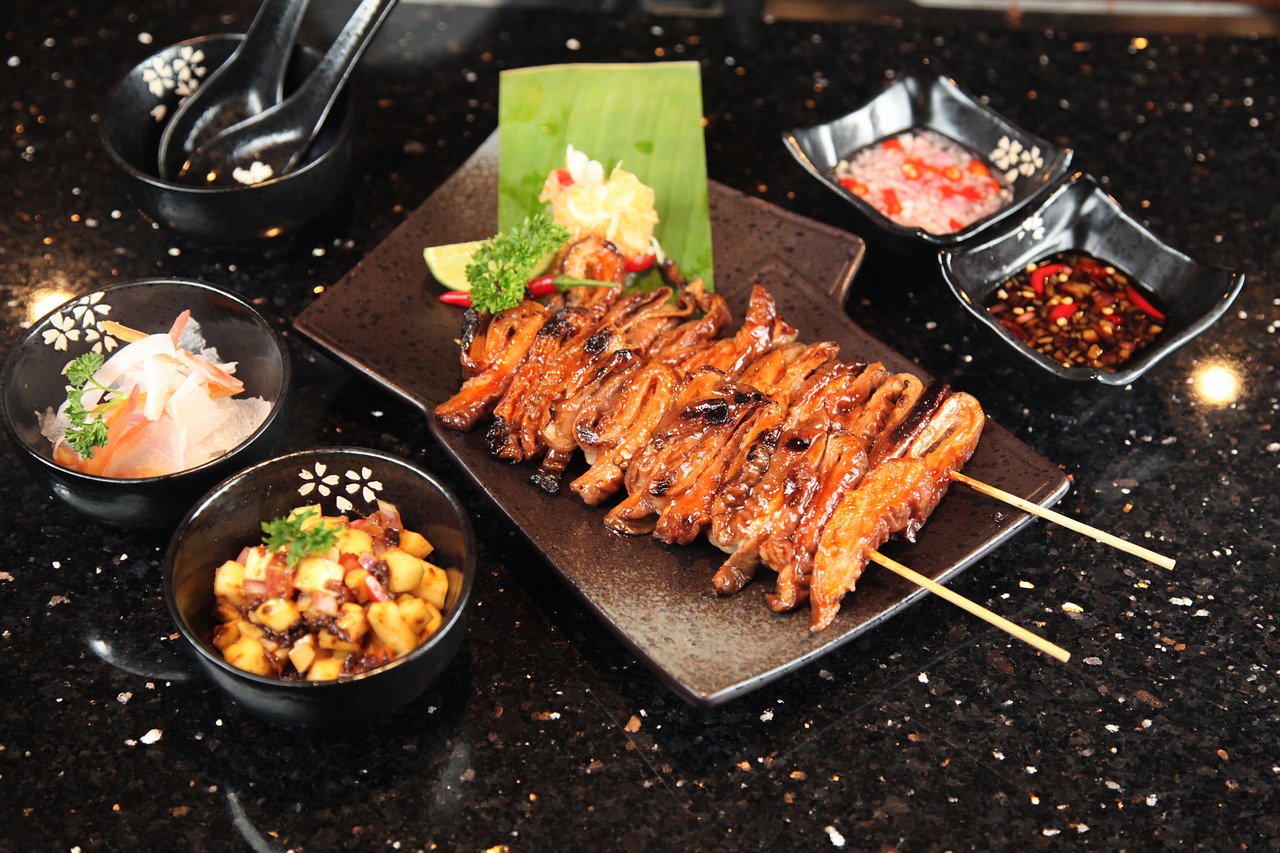
Every buyer who calls our factory asks a version of the same question. They want to know which charcoal for grilling they should put in front of their customers. The honest answer is that there is no single best fuel. There is lump, there is briquette, and there is binchotan, and each one burns in a way that suits a different cook, a different price point, and a different market. We fire all three in our kilns, so this guide explains how they behave, what they cost to move, and how to match the fuel to the people who will buy it from you.
We write this as the people who make the product, not as a brand trying to win an argument. If you import, distribute, or supply restaurants, the decision you make here shapes your margins, your packaging, and the complaints you will or will not field later. So we will be plain about the trade-offs.
What Charcoal For Grilling Actually Has To Do
Before you choose a type, it helps to agree on the job. Charcoal for grilling has to light within a reasonable time, reach a temperature high enough to sear, hold that heat long enough to finish the food, and do all of this without throwing sparks, heavy smoke, or off flavours into the cook. Those four demands pull against each other. A fuel that lights fast often burns out fast. A fuel that holds heat for hours usually takes patience to start.
Density is the quiet factor behind most of this. Denser charcoal holds more carbon in the same volume, so it burns longer and hotter and leaves less ash. Lighter, more porous charcoal catches a flame quickly but spends itself sooner. When you understand that one trade, most of the differences between lump, briquette, and binchotan stop being marketing claims and start being physics you can plan around.
The raw material matters just as much as the shape. We cut our stock from dense tropical hardwood, and you can read how that wood becomes charcoal on our manufacturing process page. The species and the moisture at the point of carbonisation decide how the finished fuel performs long before it reaches a grill.
Lump Charcoal: The Direct Route
Lump charcoal is wood that has been carbonised and left in its natural broken pieces. Nothing is ground up, nothing is bound together, nothing is added. What comes out of the kiln is what goes in the bag, sorted by size.
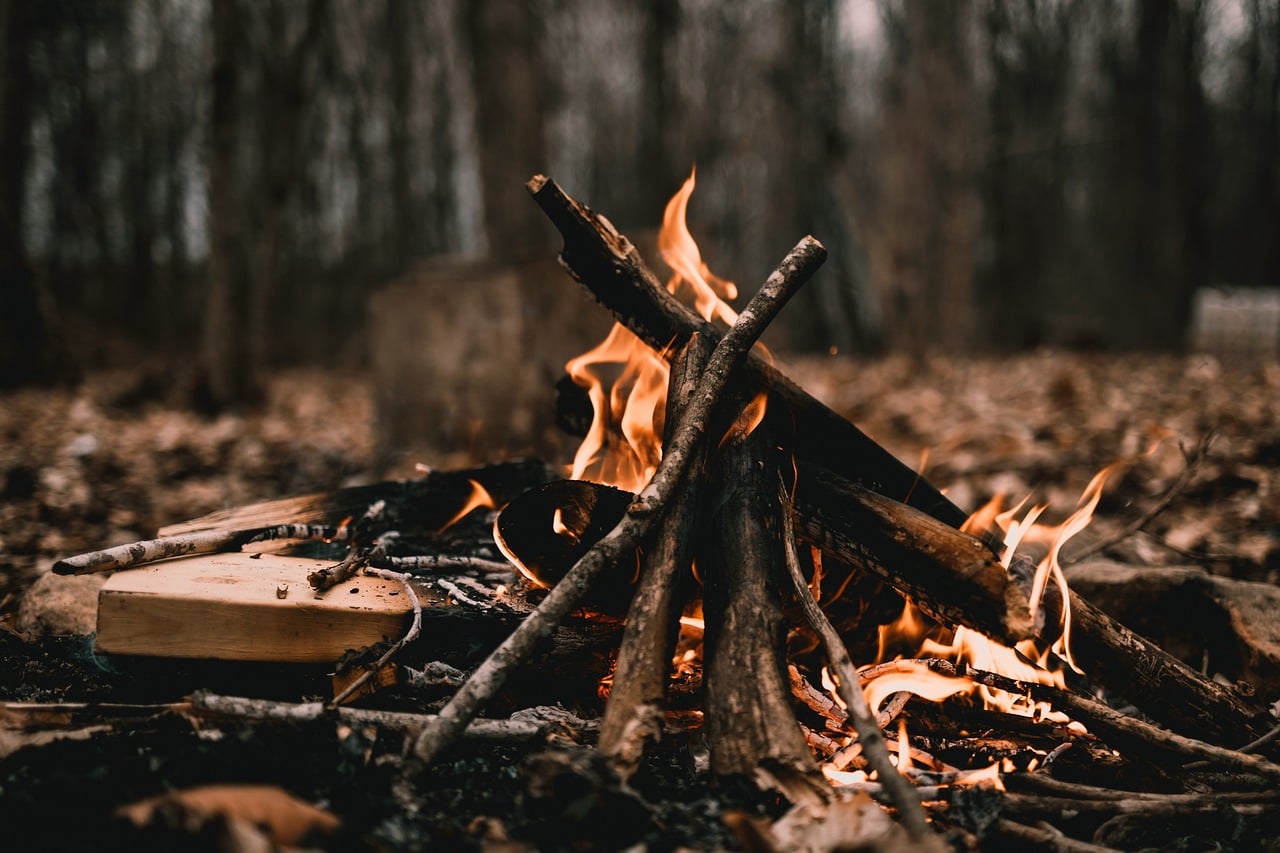
Buyers like lump for honest reasons. It lights faster than the alternatives because the irregular pieces leave plenty of air gaps. It burns hot, which makes it a strong choice for searing steaks, vegetables, and anything you want to cook quickly over an open grate. It produces a clean wood aroma that many grillers prize, and it leaves relatively little ash. Because it is simply carbonised wood, it sits well with customers who want a natural product with a short ingredient list. That single point sells a lot of bags, and we explain how to present it correctly on our natural lump charcoal label guide.
The trade-offs are real and you should set expectations around them. Lump burns less evenly than a shaped fuel because the pieces vary in size. A bag holds large chunks and small fragments, and the small ones burn out first. Heat output can swing during a long cook, which frustrates anyone trying to hold a steady low temperature. Lump also takes up more volume for its weight, so a container holds fewer kilograms of usable fuel than it would of briquette.
For most of our distributor customers, lump is the workhorse of the range. It satisfies the home griller who wants quick, hot, natural fire, and it moves in good volume. If lump is where your market sits, our lump charcoal page covers the grades we size and bag, and the lump charcoal buyers guide walks through what to check before you commit to an order.
Briquette: The Consistent Route
A briquette is charcoal that has been ground to a powder, mixed with a binder, and pressed into a uniform shape. The binder is usually a natural starch. The shape is usually a pillow or a hexagon. The point of all this processing is consistency.
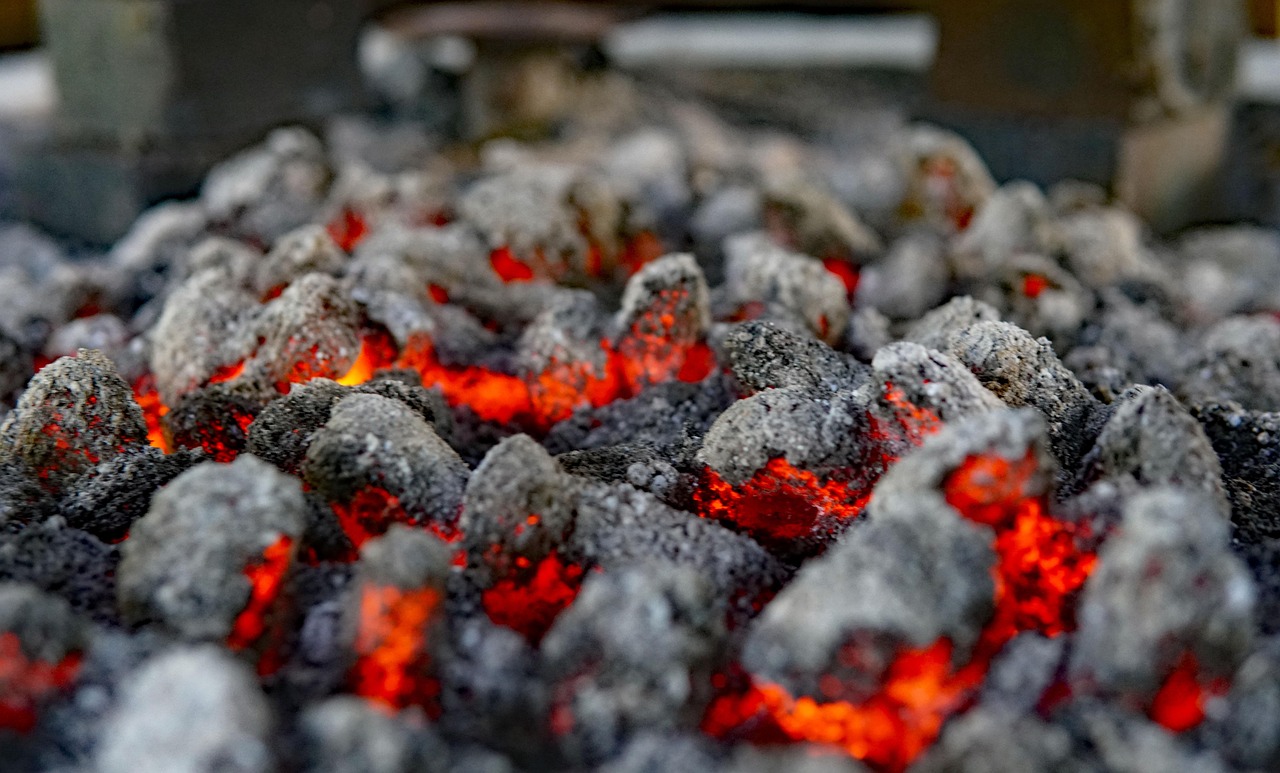
Because every briquette is the same size and density, the bed burns evenly and predictably. That predictability is why briquette dominates the mass grilling market. A customer can light a chimney, spread the coals, and trust that the heat will hold at a steady level for a known stretch of time. For long cooks, roasts, and anything that needs patience rather than a hard sear, that steadiness is worth a great deal. Briquette also packs densely, so you ship more cooking time per container, and the uniform shape makes for tidy, efficient packaging.
The honest trade-offs: briquette takes longer to light and longer to reach full heat than lump. It generally burns cooler, which is fine for most cooking but less suited to a fierce sear. It leaves more ash, because the binder and any mineral content do not fully combust. The flavour is cleaner and more neutral than lump, which some buyers want and others find flat. Quality varies enormously across the market depending on what sits inside the briquette, so the binder and the carbon source are the first things a serious buyer should ask about. We cover how to read that on our what are charcoal briquettes made of and best charcoal briquettes quality pages.
If your customers value a long, steady, fuss-free burn over a hot fast fire, briquette is your charcoal for grilling. It is also the easier product to private label, because the uniform shape photographs cleanly and the burn is predictable enough to promise on the bag.
Binchotan: The Premium Route
Binchotan is a different animal. It is a white charcoal, carbonised at very high temperature and then raked out and smothered in a damp mix that gives it a pale ash coating. The process drives the density far higher than ordinary black charcoal, and that density changes everything about how it burns.
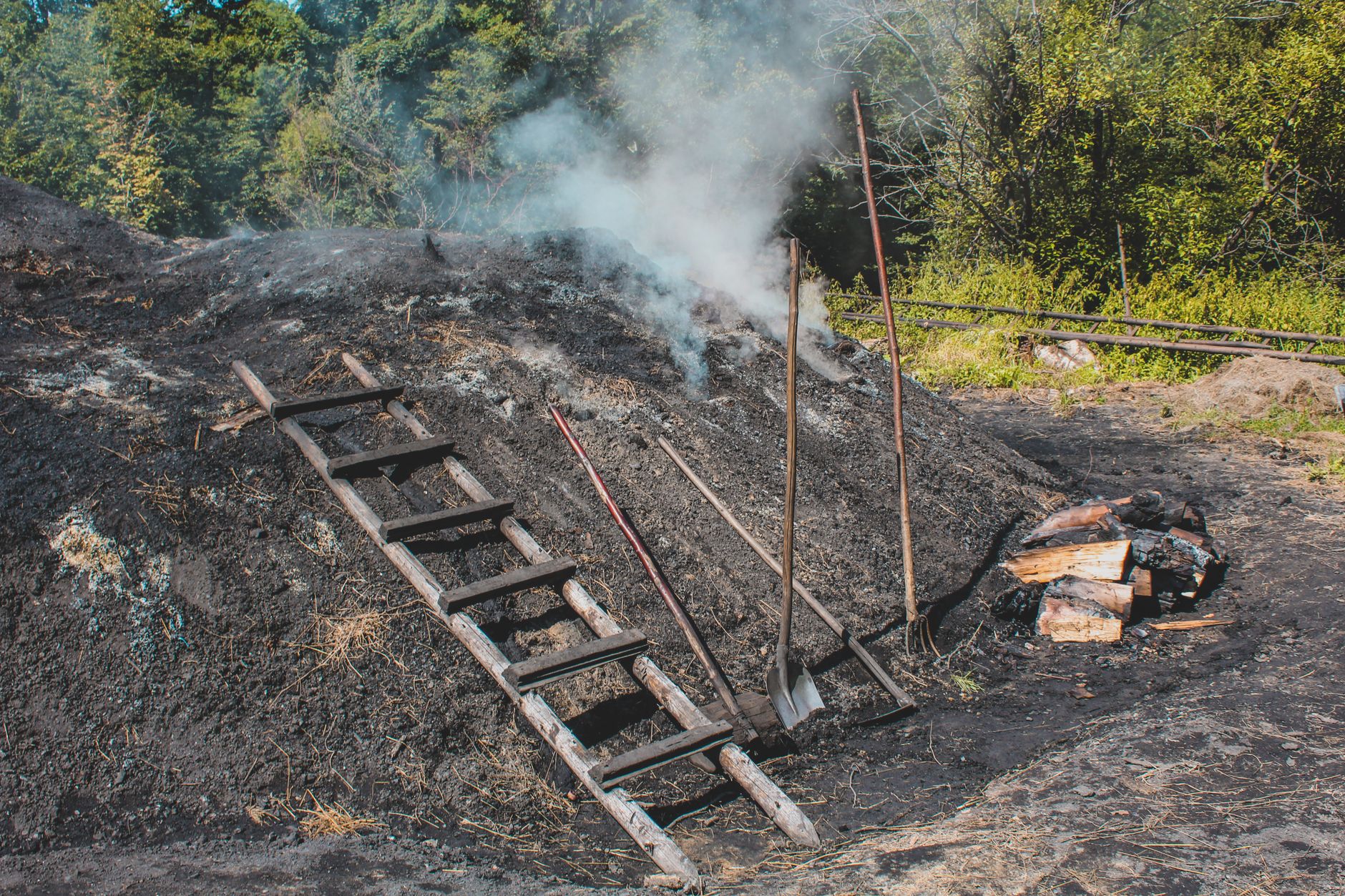
Binchotan lights slowly and demands a proper start, usually a chimney or a gas burner, because you cannot casually light it with a match the way you might a loose pile of lump. Once it is going, it rewards the patience. It burns extremely hot, extremely steady, and extremely long, often two or three times the duration of ordinary charcoal. It throws almost no smoke and almost no flame once established, which is exactly why it is the fuel of choice for yakitori and robata cooking, where skewers sit close to the coals and any smoke or flare would ruin the food. It produces very little ash and can sometimes be extinguished and relit for a second session.
This is a restaurant and premium retail product, not a mass market one. It costs more to make, it costs more to buy, and the people who want it know why they want it. If your market includes Japanese restaurants, high end grills, or discerning home cooks, binchotan belongs in your range. We go deeper on our binchotan charcoal and white charcoal pages, and the what is binchotan charcoal article explains the product to buyers who are new to it. For the restaurant angle specifically, why restaurants use binchotan yakitori robata is the piece to hand a chef.
Matching The Fuel To Your Buyer
Here is how we talk it through with importers and distributors who are building a range rather than chasing a single product.
Start with who buys from you. A supermarket chain selling to weekend grillers wants an easy, forgiving, affordable fuel, which usually means briquette, with lump as a natural premium option alongside it. A specialist barbecue retailer wants lump and may want a small, high margin binchotan line for the serious end of their shelf. A restaurant supplier serving Japanese and high end kitchens wants binchotan first, with hardwood lump as the everyday fuel for general grilling.
Then think about the cook your customer is doing. Fast, hot, direct cooking of steaks and vegetables favours lump. Long, steady, indirect cooking of roasts and low and slow barbecue favours briquette, and the how to choose bbq charcoal low and slow guide is built around exactly that decision. Close, smokeless cooking of skewers and delicate proteins favours binchotan.
Then think about logistics and price. Briquette ships the most cooking time per container and lands at the lowest cost per hour of burn. Lump ships looser and costs a little more per useful kilogram. Binchotan is the most expensive to buy and the most valuable per unit, so it carries freight well on margin even though it is heavy. Restaurant buyers in particular should plan volume carefully, and charcoal for restaurants volume planning lays out the arithmetic.
Most of our serious buyers carry two or three of these, not one. A good range gives the customer a choice at the shelf and gives you a margin ladder from entry level briquette up to premium binchotan.
What We Control At The Kiln
Whichever charcoal for grilling you choose, the type only sets the ceiling. The actual quality depends on how it is made and how carefully it is checked before it leaves. Two bags labelled lump can perform completely differently depending on the wood, the carbonisation, and the moisture that remains in the finished product.
Moisture is the one we watch hardest. Charcoal that ships damp burns poorly, smokes, and loses weight in transit, and the buyer pays freight on water they cannot burn. We dry and test to a controlled moisture level, and the reasoning is set out in charcoal moisture content burn quality. Fixed carbon, ash content, and piece sizing are the other numbers we hold to specification. Every lot is inspected before it is packed, and our quality control page and the charcoal quality control before shipping article explain what that check involves.
This is also where buying from a factory rather than a trader matters. When we make the charcoal ourselves, we can hold the specification, trace the wood, and fix a problem at the source rather than passing it down the line. We set out that difference plainly in charcoal factory vs trading company.
Building A Range, Not Just Placing An Order
If you are importing to resell, the smartest move is to treat these three fuels as a range with a clear logic, not three separate decisions. Our full bbq charcoal hub lays out the products side by side so you can see where each one sits on price, performance, and target customer, and it is the right place to start mapping your shelf.
From there, the practical questions are packaging, branding, and volume. Export packaging decides how much of your product survives the journey intact, and charcoal packaging for export covers what holds up across a long sea voyage. If you want to sell under your own name, our private label charcoal and OEM charcoal programmes let you put any of these three fuels in your own bag to your own specification. And when you are ready to move on freight and documents, how to import charcoal from Indonesia walks through the shipping side.
Sustainability runs under all of it. The wood has to come from a responsible source or the whole supply chain is fragile, and buyers increasingly ask to see it. Our sustainability page documents where our wood comes from and how we manage it.
Recap
Lump charcoal lights fast, burns hot, and tastes clean, which makes it the natural everyday fuel for direct, high heat grilling. Briquette burns even and long at a lower cost per hour, which makes it the steady choice for mass market and low and slow cooking. Binchotan burns hottest, longest, and cleanest of all, which makes it the premium fuel for restaurants and discerning cooks who will pay for it.
The right charcoal for grilling is the one that matches your buyer, their cook, and your margins, and most strong ranges carry at least two of the three. Beyond the type, the quality comes down to the wood, the carbonisation, and the checks before shipping, which is where buying from a factory earns its place.
When you are ready to map these fuels onto your own shelf and your own customers, start at our bbq charcoal hub and tell us what your market needs. We will build the order around it.
Source it directly
BBQ Charcoal, factory direct.
Serious BBQ needs charcoal that holds temperature through a long cook without flooding the food in smoke. Our hardwood BBQ charcoal is built exactly for that.