Is Charcoal Made From Wood? What Changes in the Kiln
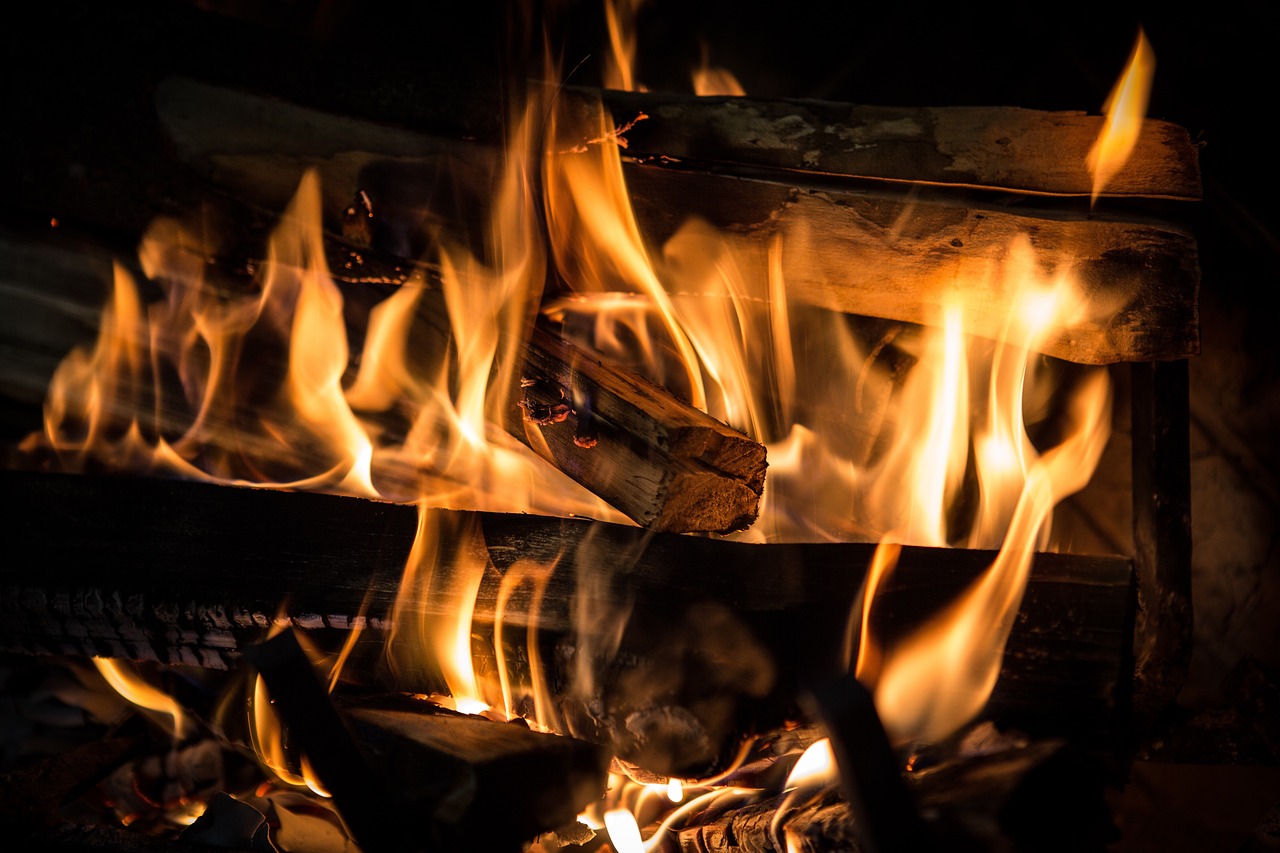
Is charcoal made from wood? Yes, almost all of the charcoal we ship starts as solid hardwood logs, nothing more. What reaches your warehouse looks and burns very differently from the tree it came from, and the whole difference happens inside the kiln. I fire kilns for a living, so this is not theory for me. This article walks through what the wood is when it goes in, what leaves it during the burn, and what stays behind as the black, light, carbon-rich product you buy by the container. If you import, distribute, or cook over charcoal, understanding that change tells you why one batch lights fast and spits, while another holds a steady heat for hours.
Let me answer the plain question first, because buyers ask it in different words every week. The charcoal in a bag of lump is wood that has been heated with very little air until most of what is not carbon has cooked off. It is not coal, which is a fossil mineral dug from the ground over millions of years. It is not a synthetic block. It is a tree, converted. So when someone asks is charcoal made from wood, the honest reply is that charcoal is wood with the water and the volatile compounds driven out, leaving behind a skeleton of nearly pure carbon.
Is Charcoal Made From Wood, Step by Step
Here is the process as it happens on our floor, in order. First we cut and split hardwood to a size the kiln can heat evenly. Thick logs and thin sticks in the same chamber will not finish at the same time, so sizing matters more than people expect. Second, the wood dries. Fresh-cut timber can hold half its weight in water, and that water has to leave before anything else can happen. Third, we raise the heat and starve the chamber of oxygen. This is the part that answers the question is charcoal made from wood in a useful way, because this is where wood stops being wood.
When wood is heated past roughly 280 degrees Celsius with air shut out, it does not burn in the normal sense. It breaks down. Chemists call this pyrolysis. The long chains of cellulose and lignin that make up the cell walls come apart, and the lighter fragments leave as smoke and vapour. Tars, acids, methanol, and water vapour all drive off. What cannot vaporise is carbon, and carbon is what we want. The log keeps its shape and its grain, but it loses most of its weight and nearly all of its moisture.
Fourth, we hold the heat. Holding temperature is where a kiln operator earns their keep. Pull the wood too early and the core is still full of volatile compounds, so the charcoal smokes, smells of creosote, and burns unevenly. Hold too long or too hot and you lose yield, meaning more of the carbon itself burns away to ash and you ship less product per log. Fifth, we cool the charcoal slowly with the air still sealed out. Hot charcoal meeting open air will simply catch fire, so cooling is not a formality. Only once it is cold do we open the kiln, sort, and grade.
What the Kiln Actually Removes
It helps to picture the weight that leaves. A log that weighs ten kilograms green might come out of the kiln as under two kilograms of charcoal. Most of that lost weight is water, both the free water sitting in the wood and the water chemically bound in the cell walls that only releases under heat. The rest is the volatile organic fraction: the tars and gases that make raw wood smoke so much when you throw it on a fire. Strip those away in a controlled burn and you are left with fixed carbon plus a small amount of mineral ash.
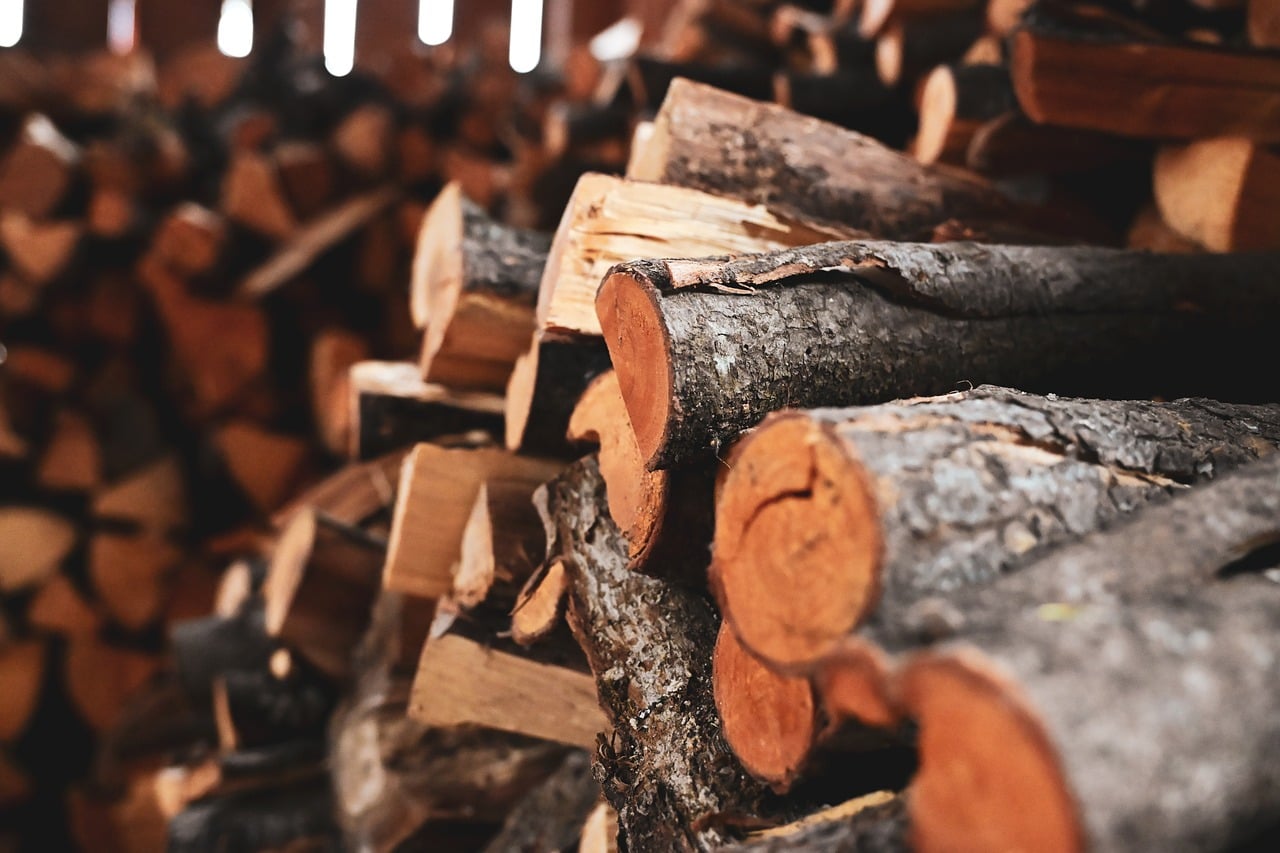
This is why charcoal behaves so differently from the firewood it used to be. Firewood spends its first minutes on the grill boiling off water and burning off volatiles, which is the smoke and the flare you see. Charcoal has already done that work in the kiln. So it lights to a clean, steady glow with little smoke and little flame, and it throws a consistent radiant heat. A chef grilling over it is not fighting moisture or fending off bursts of resinous smoke. That predictability is the entire commercial point of the product, and it comes straight from what the kiln took out.
The ash left behind matters to buyers too. Ash is the mineral content of the original wood that cannot burn. Clean hardwood charcoal leaves little ash, which is why serious grill cooks prize it, since a bed that chokes itself in ash loses airflow and heat. If you want the detail on how burn time and ash tie back to the raw material, we cover it in how wood charcoal burns, and the moisture side is worth reading on its own in charcoal moisture content and burn quality.
Hardwood Is Not One Thing
So charcoal is made from wood, but the word wood hides a lot. The species of tree decides most of what the finished charcoal can do, and no amount of kiln skill fully overrides it. Dense tropical hardwoods give a heavy, hard charcoal that burns long and hot. Soft, fast-grown timber gives a light, brittle charcoal that lights easily but burns out quickly. Neither is wrong. They suit different jobs. A restaurant running a busy yakitori counter wants long, steady heat and will pay for density. A backyard bag sold at volume may be fine with a quicker, cheaper burn.
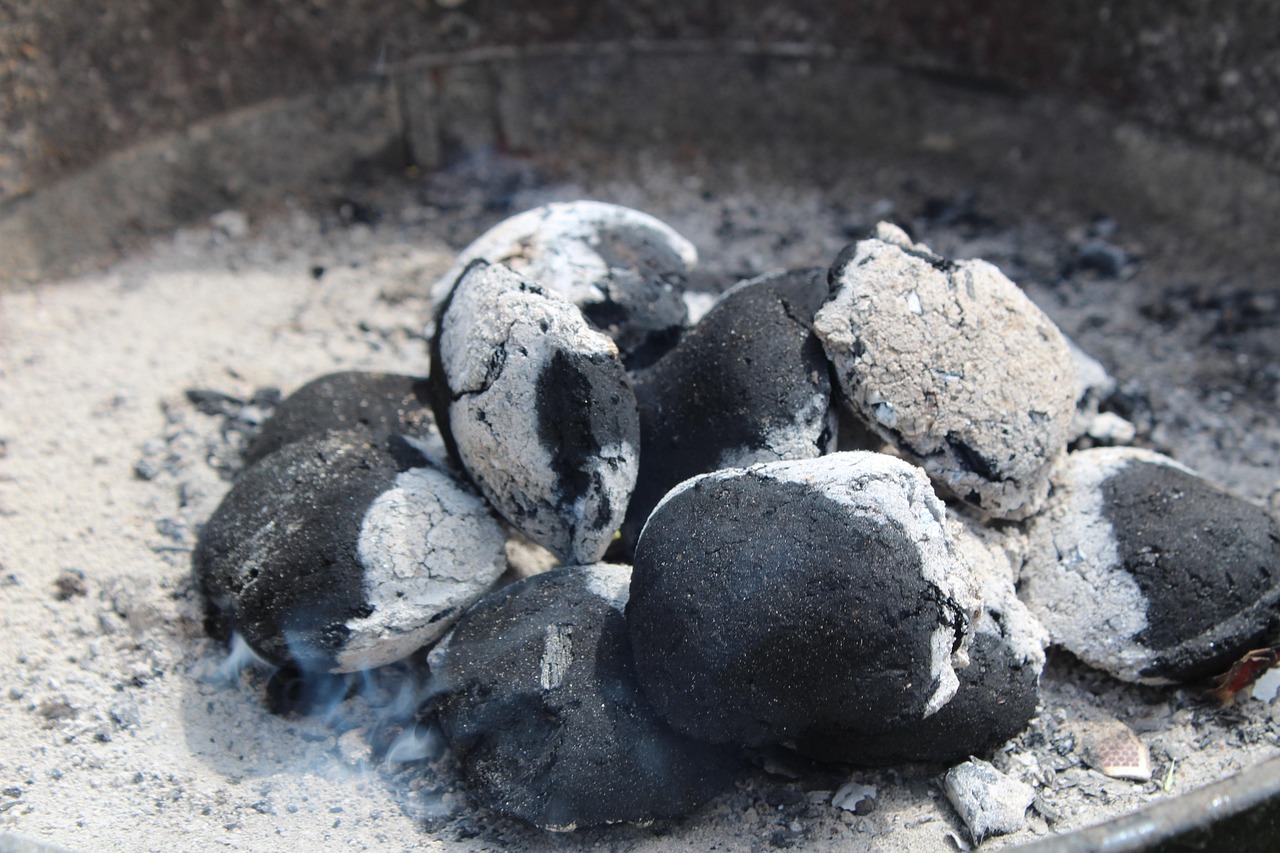
Indonesia sits on a good position for this because the hardwoods here are dense and slow-grown. We work mainly with species that pack a lot of carbon into a small volume, which is why the charcoal feels surprisingly heavy for its size. If you want to understand why our material grills differently from the mass-market product in a supermarket, what makes Indonesian hardwood charcoal different lays out the species story in full. The short version is that the tree is doing half the work before the kiln ever lights.
Grading comes from the same source. When we sort a finished batch, we are mostly sorting by how the wood was: its density, its diameter, how clean it cooked. Larger, denser pieces with a clear metallic ring when tapped go to the top grades. Smaller and softer pieces go down the scale. Hardwood lump charcoal grades explains what each tier means for a buyer, because a grade name on its own tells you very little until you know what it describes.
Lump, Binchotan, and Briquettes Answer the Same Question Differently
People sometimes think these are different materials. Mostly they are not. They are different answers to the same question of is charcoal made from wood, shaped by how the wood is treated and finished.
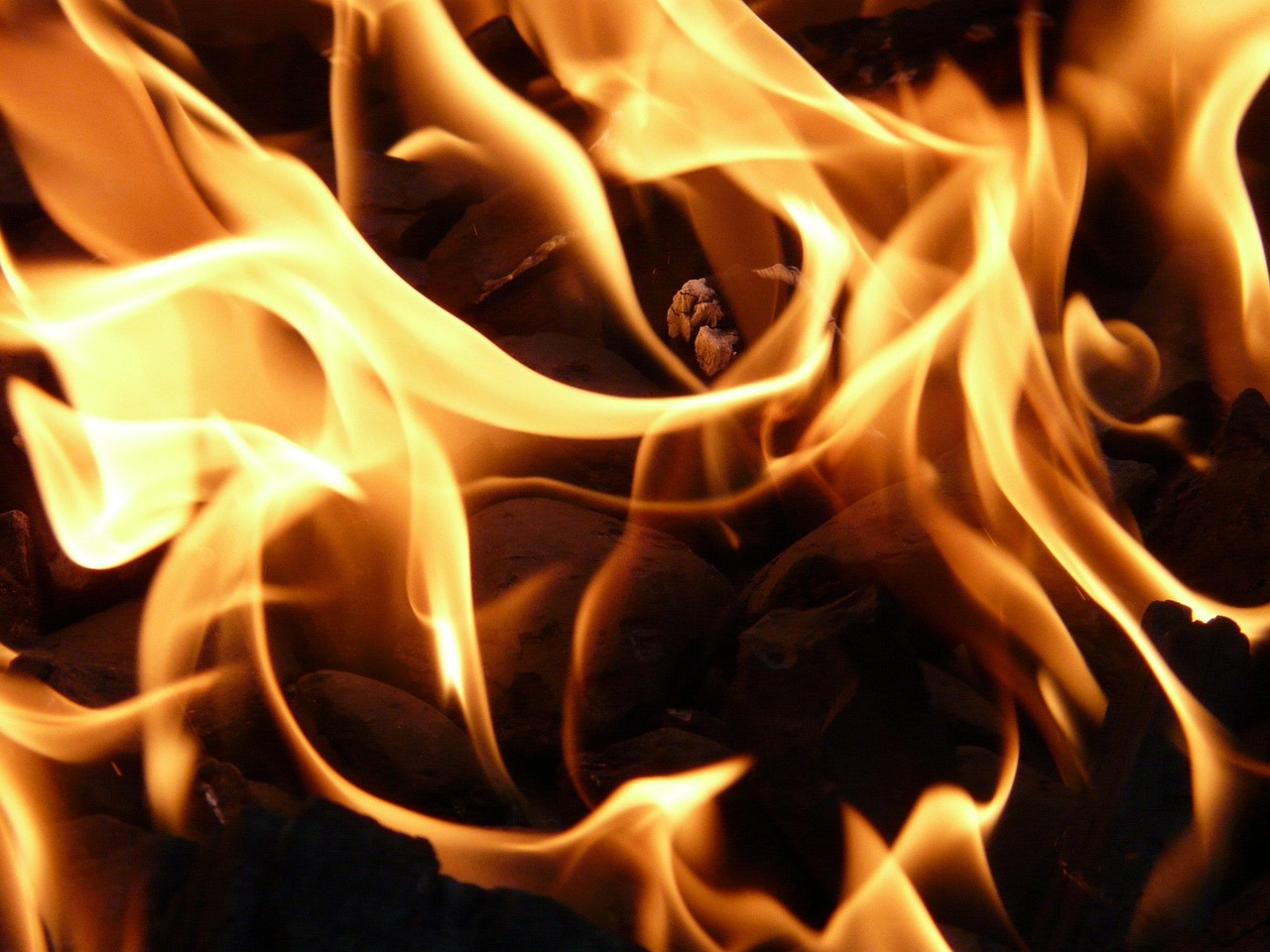
Lump charcoal is the most direct answer. It is hardwood carbonised and then broken into natural pieces, with nothing added. What you buy is simply the wood, converted and graded. It lights fast, burns hot, and shows its origin in its irregular shapes. Our lump charcoal range is exactly this, and buyers new to the category will find what is lump charcoal a clean starting point.
Binchotan, or white charcoal, is also wood, but taken further. After the main carbonisation, the kiln is pushed to a very high temperature, then the glowing charcoal is pulled and smothered in a damp mix of ash and earth. That final step hardens the surface and raises the carbon purity even higher. The result is a dense, almost ceramic charcoal that rings like metal and burns for hours with very little smoke or smell. It is still a tree underneath, but the finishing process is what makes binchotan charcoal command its price. If you cook over it or sell it, what is binchotan charcoal and white charcoal versus black charcoal are worth your time.
Briquettes are the one case where the simple answer gets complicated. Many briquettes are made from charcoal, usually charcoal fines and sawdust, ground up and pressed into shape with a binder such as starch. So the carbon still began as wood, but the finished block is reconstituted rather than a natural piece, and it may carry fillers. That is not a criticism, since good briquettes burn very evenly, but a buyer should know the difference. What are charcoal briquettes made of spells it out, and hardwood charcoal versus briquettes compares the two honestly.
Moisture, Yield, and Why Species Matters to Your Costing
I want to connect the chemistry to the invoice, because this is where it touches your business. Two numbers decide most of the value in a batch: moisture content and fixed carbon. Both come from the wood and the kiln together.
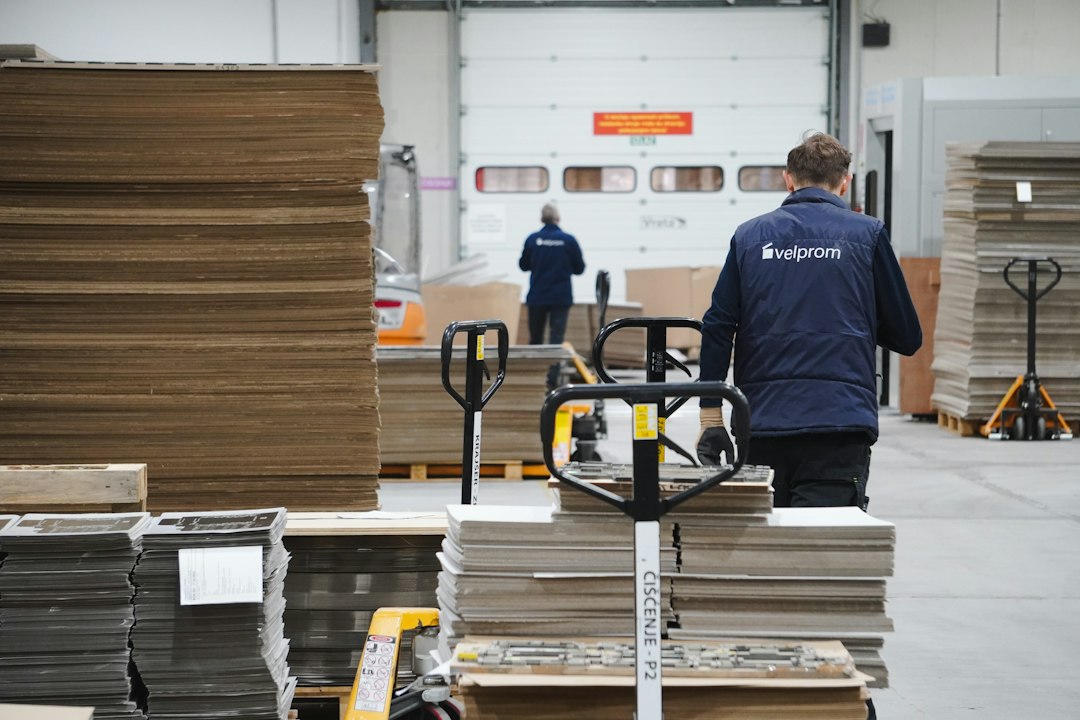
Moisture is water the charcoal picked up again after cooling, or water never fully driven out. Charcoal is porous, so it draws moisture from humid air, which is a real risk in tropical shipping. Wet charcoal weighs more, which sounds like a bonus until you realise you are paying ocean freight on water and getting a product that is harder to light and quicker to crumble. A good spec keeps moisture low and controls it through drying, sealed storage, and proper charcoal packaging for export. We check it before anything leaves, which is the whole point of quality control on our side.
Fixed carbon is the share of the charcoal that is pure carbon, and it is the number that tracks burn time and heat most closely. High fixed carbon means the kiln did its job and the wood was dense to begin with. When you compare quotes from two suppliers, fixed carbon and moisture tell you more than price per tonne, because a cheap tonne with high moisture and low carbon is not actually cheap. This is the practical reason the answer to is charcoal made from wood matters: the wood and the burn set the numbers you are really buying.
What "Is Charcoal Made From Wood" Means for Your Order
Pull this together into decisions you will actually make. If you are sourcing for grilling and smoking, you want natural lump or binchotan, high fixed carbon, low moisture, and a species known for density. If you are building a retail brand, you will also care about how the pieces look in the bag and how consistent each bag is, which again comes back to grading the wood well. If you run restaurants, read charcoal for restaurants and volume planning, because burn time per kilo decides how much you actually need to stock.
For private-label and OEM buyers, the material question sits underneath the brand. You can put any label on a bag, but the charcoal inside still has to be the right wood, carbonised properly, and specced honestly, or the first shipment of complaints undoes the branding. We handle that side through private label charcoal and OEM charcoal programmes, and the groundwork is explained in how OEM charcoal manufacturing works. The point I make to every private-label client is the same: the question is charcoal made from wood is not trivia, it is the start of your spec sheet.
Sourcing responsibly is part of this too. Because charcoal is wood, where the wood comes from is a live question for any serious importer. We work with legal, managed hardwood sources rather than cleared forest, and we can document it. Buyers increasingly need that paper trail, not just a verbal assurance. Our approach is laid out under sustainability and in sustainable charcoal and responsible sourcing, and it is becoming a condition of entry in several import markets rather than a nice extra.
Reading a Spec Sheet Before You Buy
When a spec sheet lands on your desk, read it as a description of wood that has been through a kiln, because that is what it is. Fixed carbon above the low eighties as a percentage is strong for natural hardwood lump, and binchotan runs higher still. Moisture in the single digits is what you want, ideally well under ten percent at the point of loading. Ash content low, volatile matter low, since high volatiles mean the carbonisation was cut short and the charcoal will smoke. Piece size and grade should match what you ordered, not just the category name.
Ask where the wood is from and what species it is. A supplier who can answer that quickly is a supplier who controls their raw material. A trading company that buys from whoever is cheapest this month often cannot, and that shows up as batch-to-batch swings in your heat and burn time. The difference between buying from a factory and buying from a middleman is covered in charcoal factory versus trading company, and it is worth understanding before you commit to a first container through our export process.
If you want to see the whole journey in one place, from standing tree to graded sack, read how charcoal is made from forest to kiln. It is the long-form version of everything above, and it sits alongside the full manufacturing process walkthrough that most of our buyers read before placing an order.
Recap
So, is charcoal made from wood? Yes. Charcoal is hardwood heated with the air shut out until the water and the volatile compounds cook off, leaving a light, carbon-rich solid that keeps the shape of the log but burns clean, hot, and steady. The species of tree sets the density and burn before the kiln begins, and the kiln sets the moisture, the fixed carbon, and the grade. Lump, binchotan, and briquettes are different finishes on the same basic conversion. For a buyer, the numbers that matter, fixed carbon and moisture, come straight out of this process, which is why knowing how the wood changes helps you read a quote and judge a sample.
If you want to see exactly how we take a hardwood log to a graded, export-ready sack, step through our manufacturing process, and get in touch when you are ready to spec your first order.
Source it directly
The Manufacturing Process, factory direct.
Our process is centuries old and deliberately slow. Each stage exists because removing it would show up in the burn.